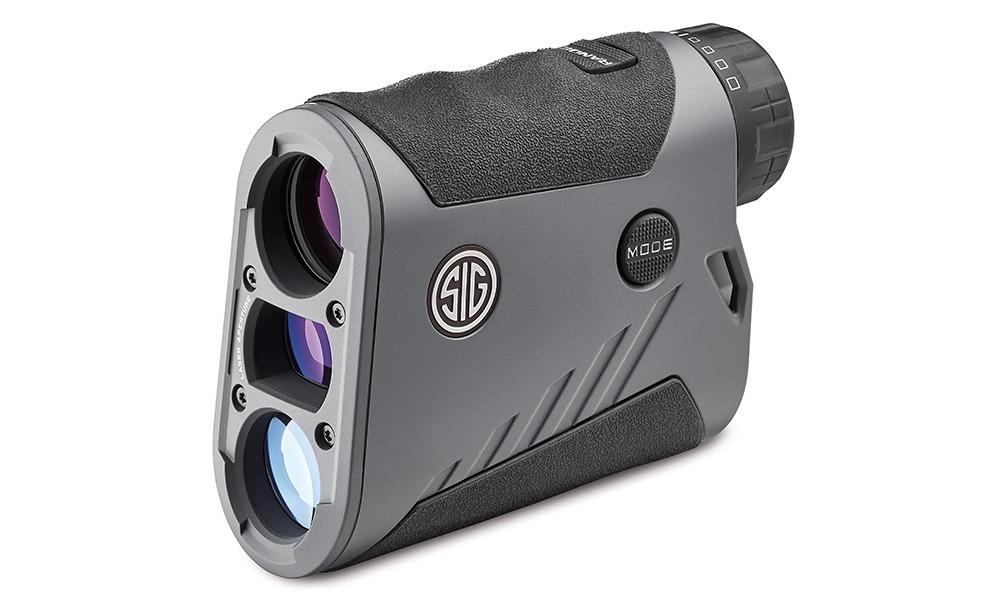
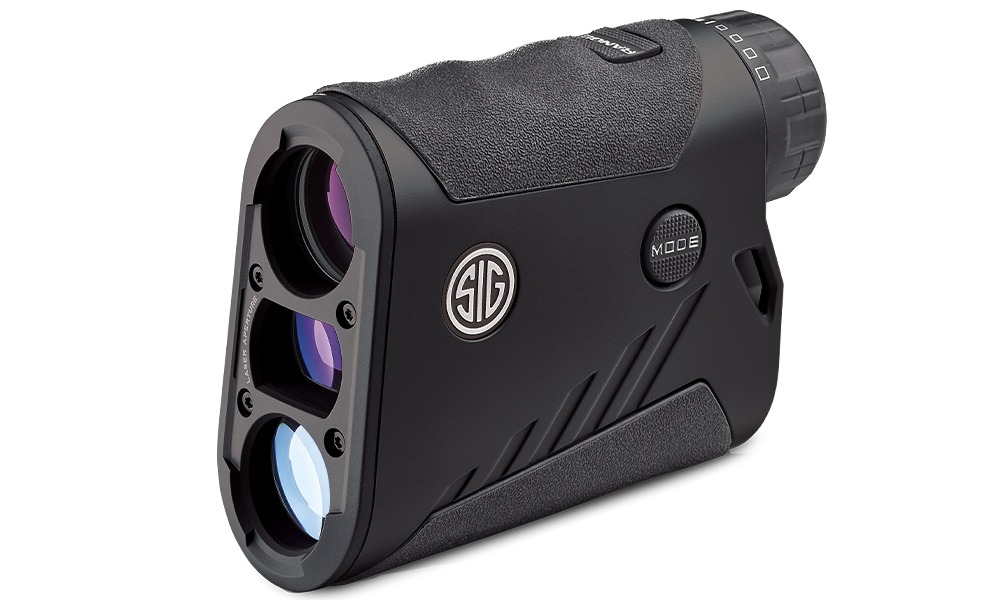
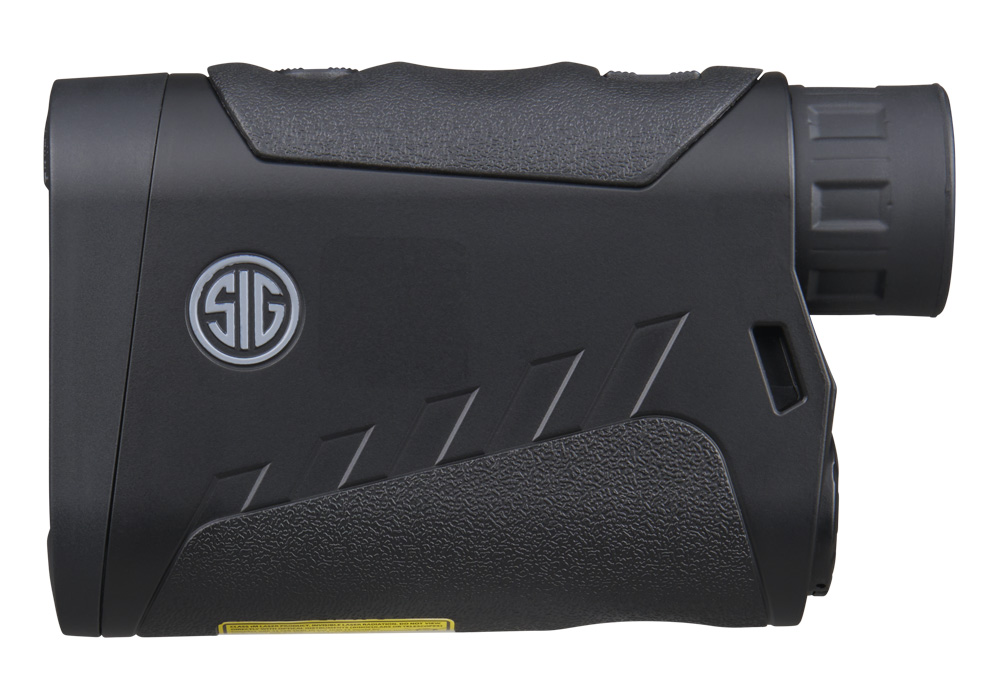
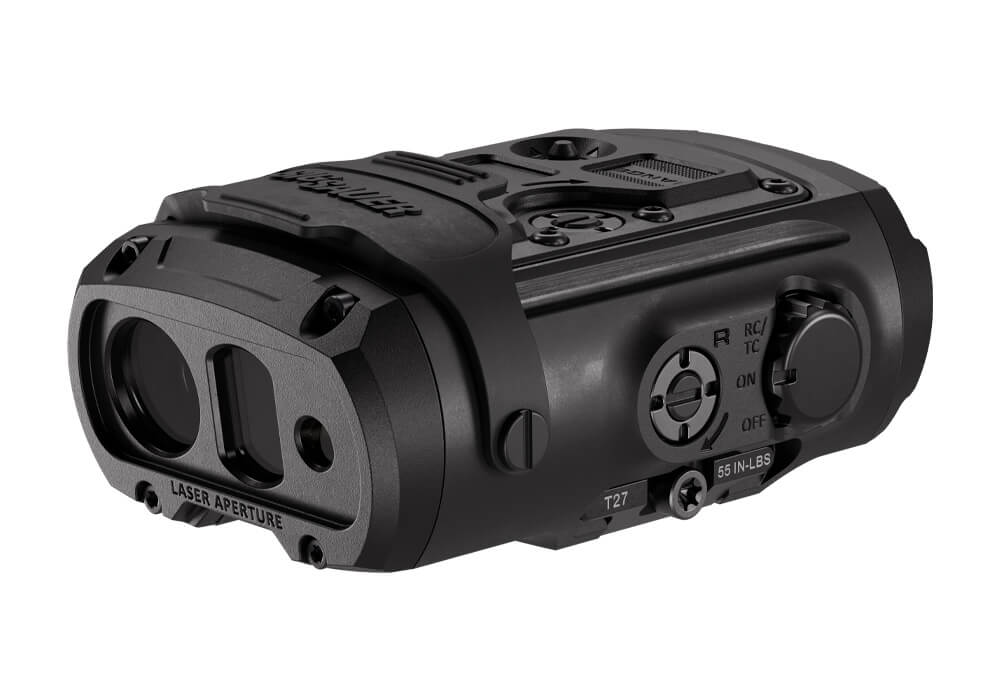
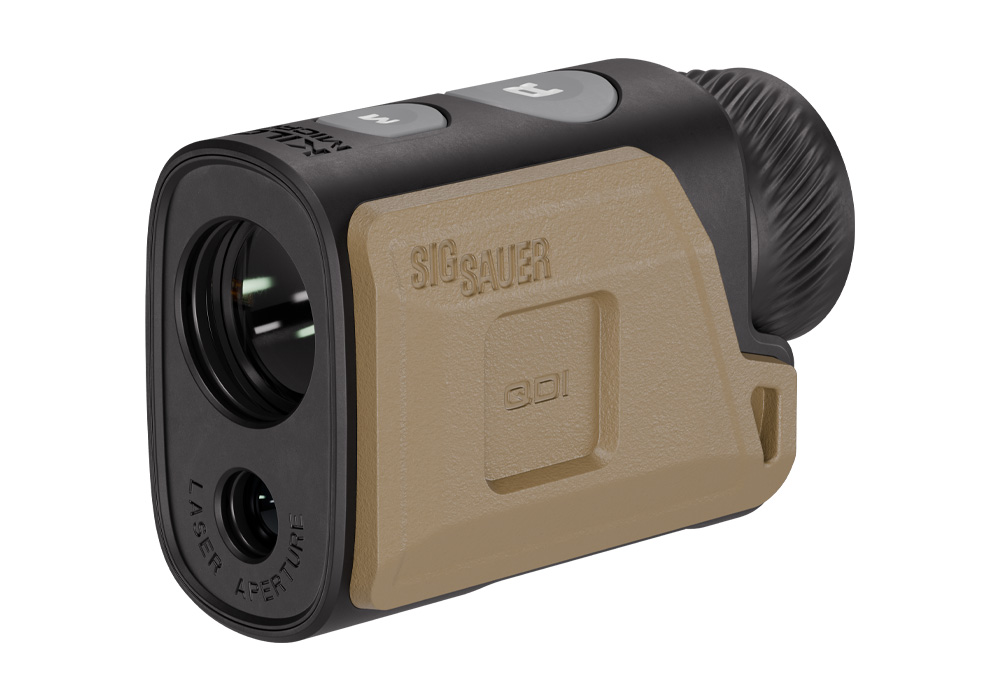
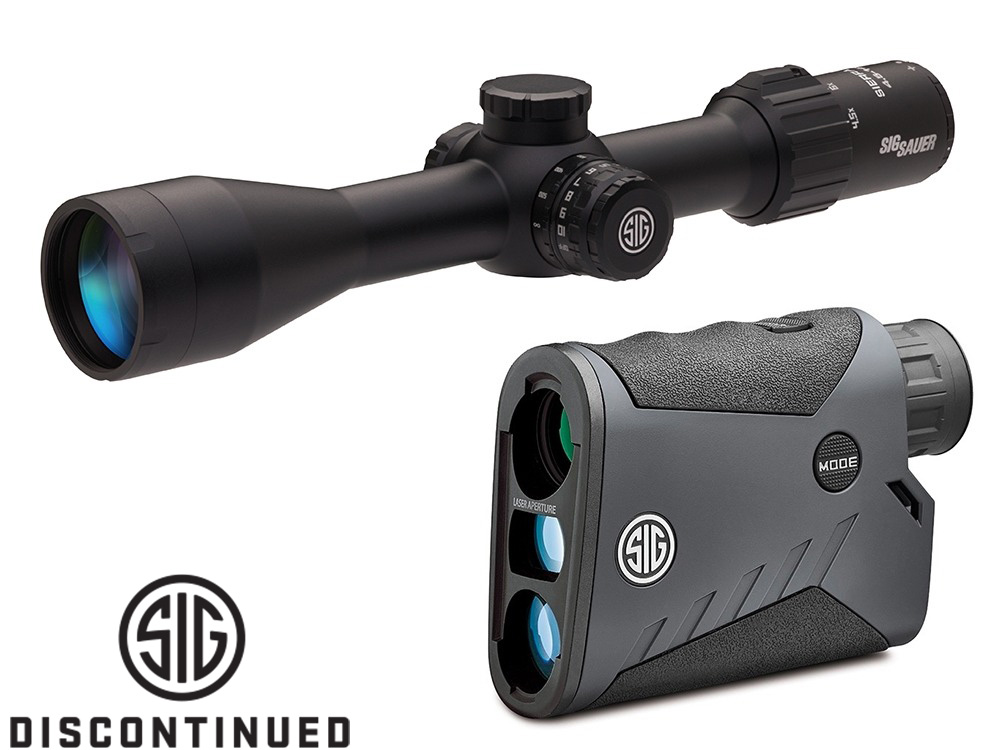
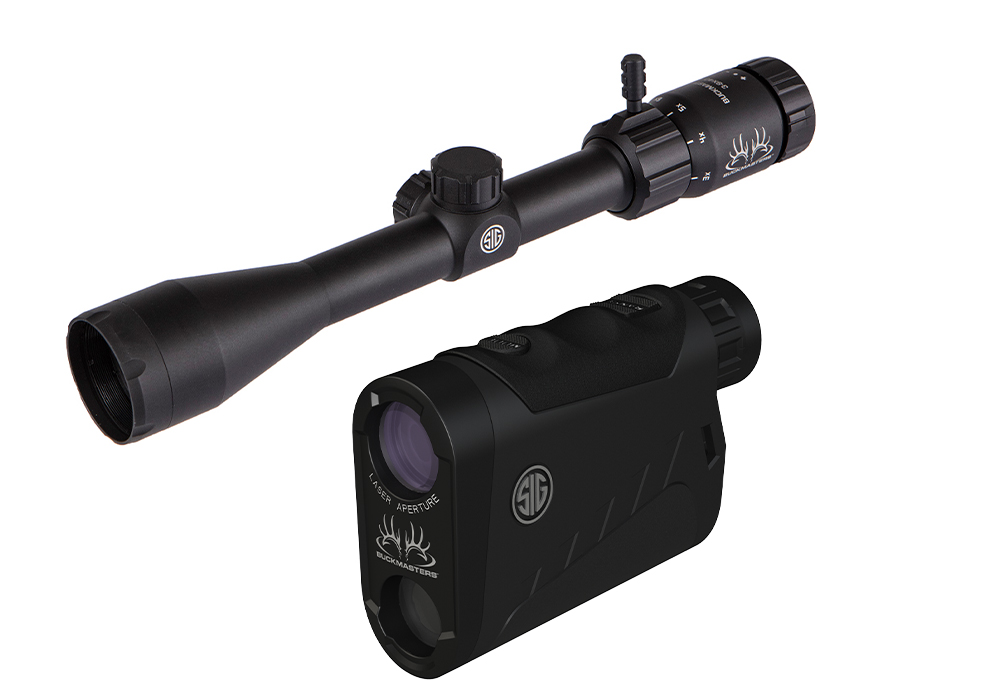
Illuminated display rangefinders use a lit electronic readout to show distance measurements and, on equipped models, additional shooting information through the viewing optic. OLED displays and LED-based illumination systems can keep numbers and aiming marks visible against dark backgrounds where an unlit black readout may be harder to distinguish. That contrast is especially useful when ranging a target along a shaded treeline, identifying a distance at dawn or dusk, or moving the aiming point between light-colored terrain and deep shadow. Illumination helps the user read the measurement; it does not light up the target or guarantee that the laser will obtain a reading. Adjustable brightness is an important part of that distinction. A setting that looks crisp against an open hillside can appear overpowering against dark timber, while a setting suited to dim surroundings may be difficult to see against a bright target. Manual brightness controls allow deliberate adjustment, and automatic brightness systems, when included, can adapt the readout to surrounding light. A clean display with appropriately sized digits also helps keep the distance easy to interpret without obscuring the object being measured. The ranging system itself estimates distance by measuring the travel time of reflected laser pulses. Reliable results depend on more than display visibility: target size, surface reflectivity, distance, beam alignment, and a steady hold all influence the return signal. A broad steel plate and an animal’s coat can produce very different results at the same distance, so a maximum ranging specification should not be treated as a promise for every target. Branches or tall grass in the laser’s path can also return a measurement from something closer than the intended object. Scan modes, where included, update readings as the user observes different points, while target-priority modes may help distinguish nearer or farther returns. Clear aiming marks and consistent readings make distance assessment easier, but confirming the intended target and its surroundings remains essential.
Optical quality and physical fit have just as much influence on everyday usefulness as the illuminated numbers. Magnification should provide enough detail to identify the intended object without making the viewing field unnecessarily narrow or difficult to hold steady. Objective lens size, optical coatings, and internal light control affect the view behind the display; a brighter readout cannot restore detail that the viewing optics do not resolve. Eye relief and an adjustable eyecup deserve attention for anyone who wears glasses, since a comfortable viewing position helps reveal the full image and all display information. A diopter adjustment brings the readout and aiming reference into focus for the individual user. In the hand, housing shape, surface texture, and button placement determine whether a measurement feels straightforward or requires repeated repositioning. A compact rangefinder can fit neatly in a pocket or small pouch, while a larger body may provide a more substantial grip. Neither approach is automatically better; the useful fit is the one that supports a stable hold and easy access to the controls. Common construction choices include polymer housings, metal components, and protective exterior coverings, with durability depending on the complete design rather than any single material. Sealing, lens protection, and secure battery compartments help protect the instrument from dust, moisture, and the wear associated with frequent transport. A fitted case or harness can keep the rangefinder accessible while limiting contact with other equipment. Lens care should begin with loose grit removal before a suitable lens cloth touches the glass, since rubbing particles across an optical surface can cause scratches. Cleaning fluids should be appropriate for coated optics, and the exterior should be clean and dry before storage. Using the specified battery type, keeping spare battery contacts protected, and following the recommended storage procedure help maintain dependable operation. An easily checked battery indicator is particularly practical when the display, ranging system, and any connected functions share the same power source.
For hunters, target shooters, and people who regularly assess distances across open ground, illuminated display rangefinders bring measurement and readability together in a compact tool. A hunter may need to distinguish a number against the dark texture of a wooded slope, while a target shooter may value a clearly defined aiming point when checking several markers along a firing line. Someone surveying landmarks during an outdoor outing may place greater value on simple controls, comfortable viewing, and an uncluttered distance display than on advanced calculation features. These different uses explain why the longest advertised range is not always the most meaningful comparison. Minimum measuring distance, repeatability on realistic targets, measurement speed, and readable units can matter more in familiar settings. Yards and meters should be easy to recognize, particularly when moving between equipment or recording measurements for later reference. Some rangefinders also present angle-related distance information or calculated aiming corrections. Those functions depend on the design and, where applicable, correctly entered ballistic data; an illuminated screen alone does not imply that either function is included. Any connected features should complement the intended routine rather than complicate a simple distance check. The same attention to visible aiming references applies to Illuminated Reticles, although an optic’s reticle and a rangefinder’s distance readout serve different purposes. Matching their brightness to the viewing conditions can help keep either from overwhelming the scene. As a gift, a rangefinder is especially relevant for someone who already spends time hunting, practicing at a range, or observing distant terrain and would appreciate more reliable distance information. Familiarity with the recipient’s preferred activities, eyewear, and carrying setup helps narrow the practical requirements without relying on unnecessary complexity. Across these uses, the strongest combination is straightforward: readable illumination, sound optics, dependable measurements, comfortable handling, and construction suited to repeated use. Those qualities keep the emphasis on seeing the intended object clearly and understanding the distance shown.