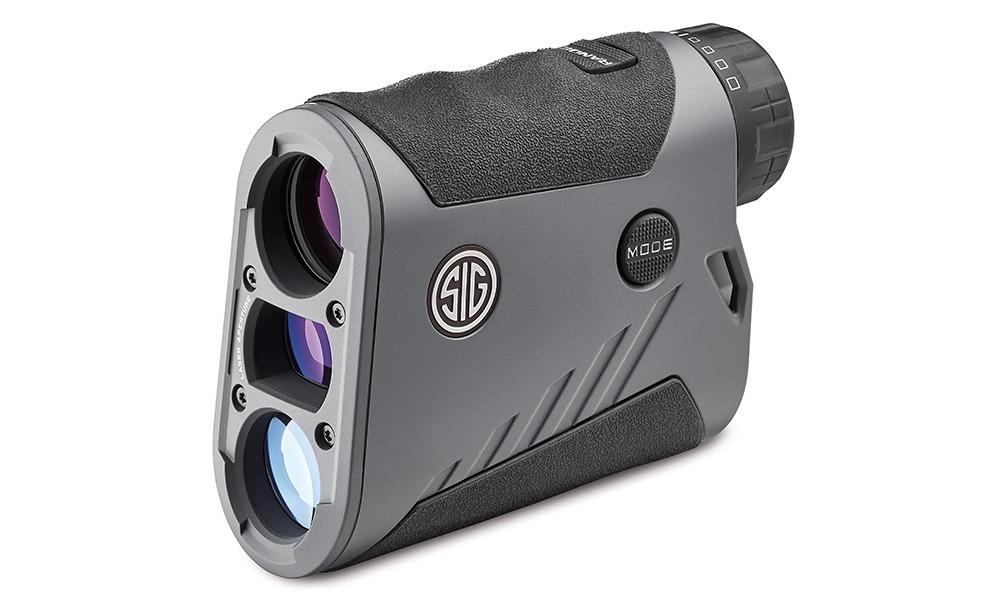
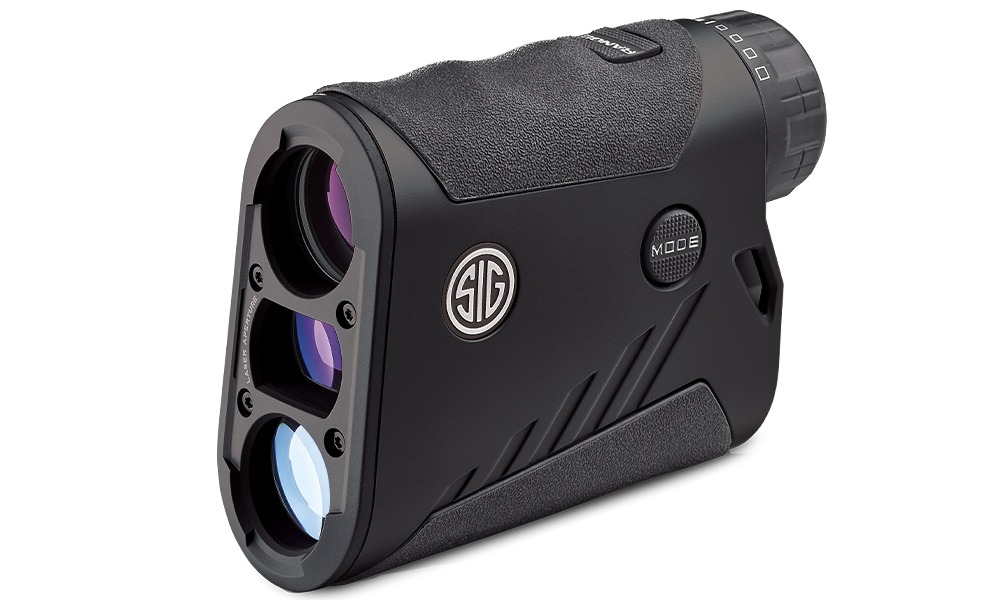
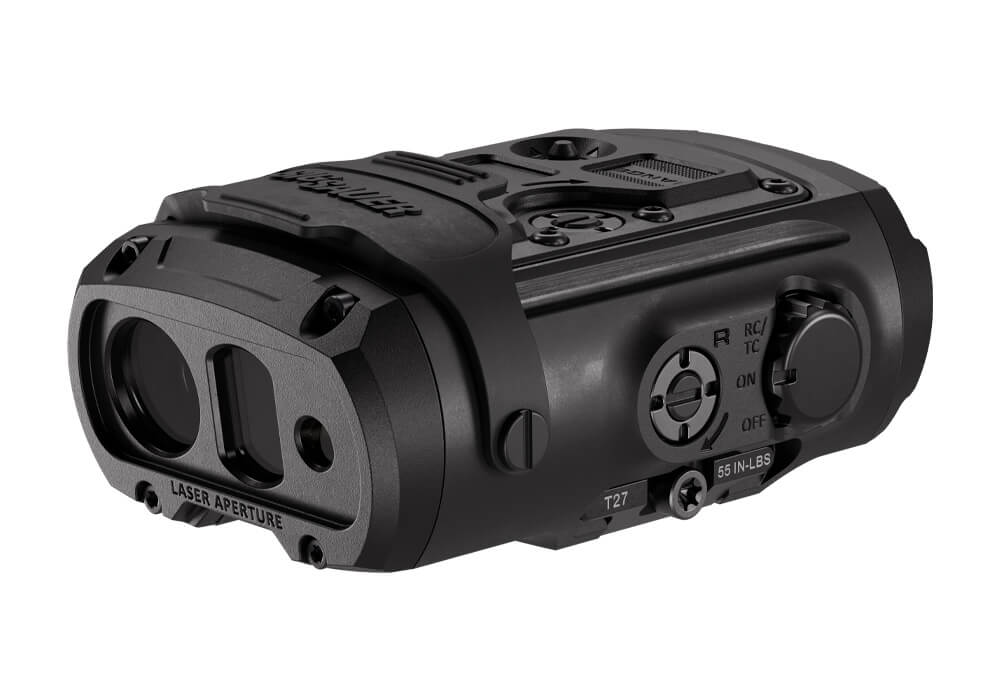
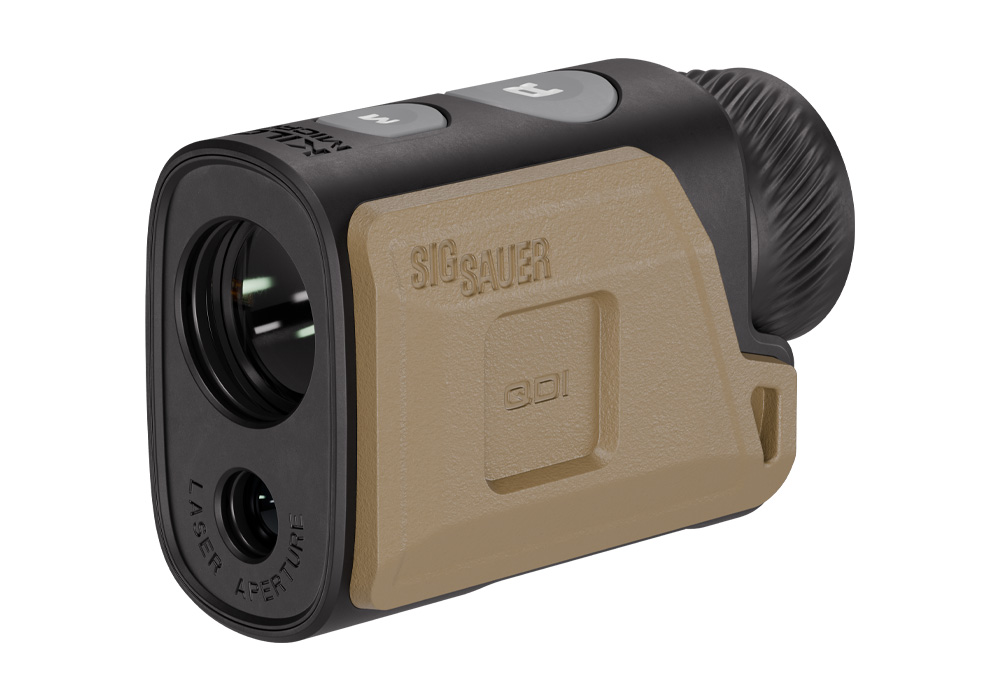
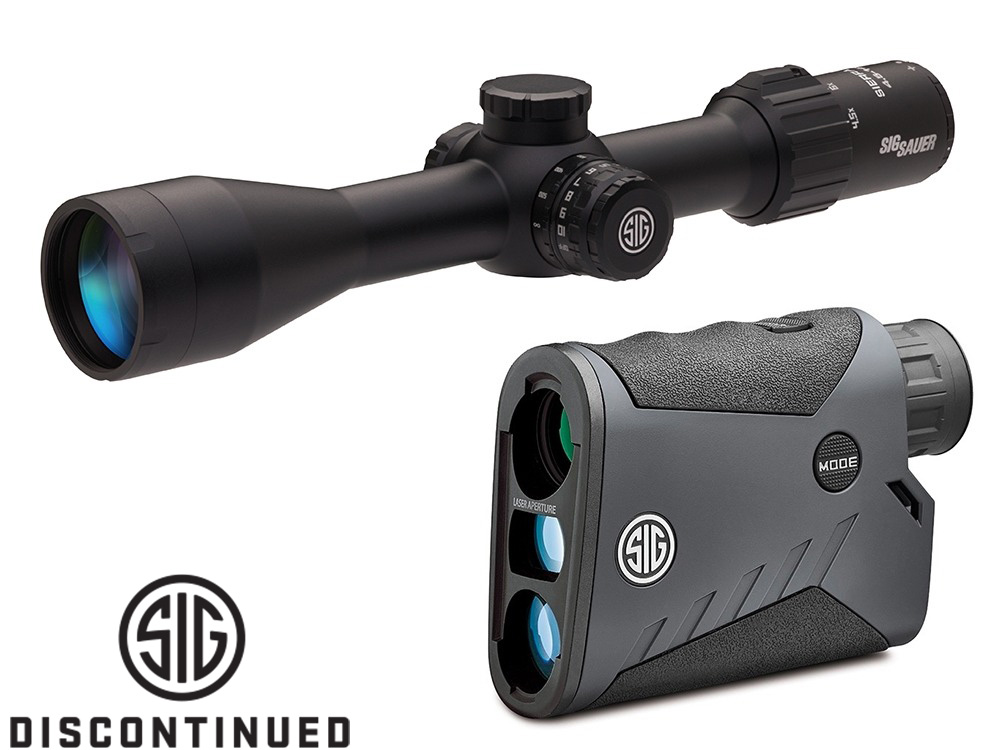
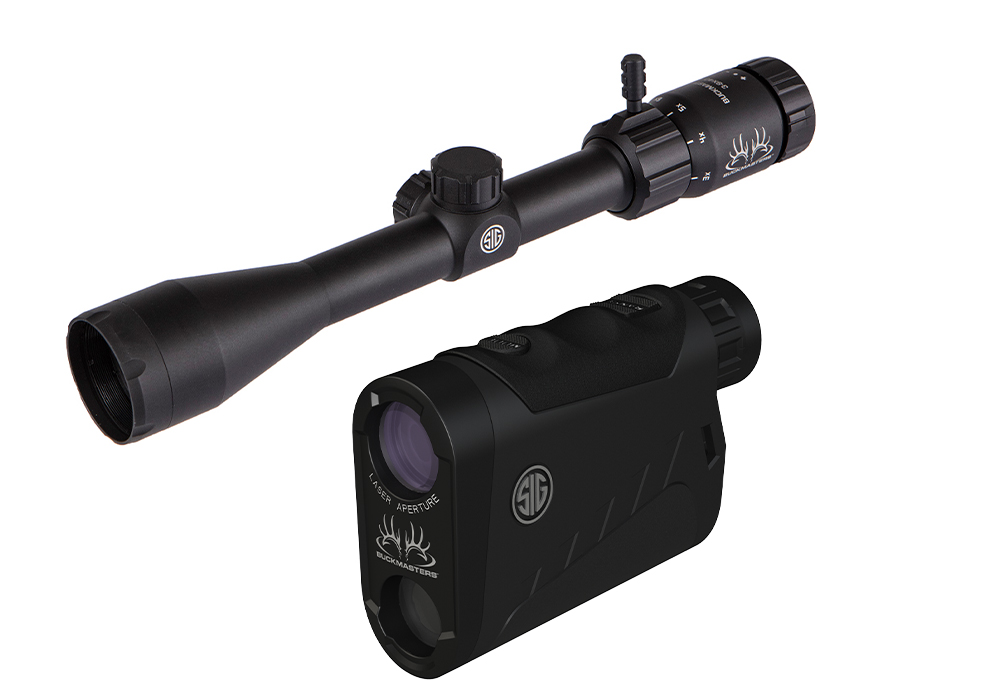
Handheld rangefinders measure the distance to a selected object, giving hunters, archers, target shooters, and other outdoor users a clearer understanding of the ground ahead. Most handheld laser rangefinders send a brief pulse of light toward a target and calculate distance from the time it takes the reflection to return. That measurement appears through an integrated viewing optic, keeping observation and ranging together in a compact instrument. On a shooting range, the benefit may be confirming the distance to a steel plate rather than relying on an unfamiliar marker. In the field, it may be distinguishing the distance to the edge of a clearing from the trees behind it. These practical differences help explain why maximum advertised range is only one part of a rangefinder’s usefulness. A large, reflective surface can return a stronger signal than a small, dark object, so stated performance on reflective targets may differ substantially from performance on animals or natural terrain. Target size, surface reflectivity, intervening vegetation, and the steadiness of the user’s hold all affect the reading. Useful comparisons therefore include the types of targets a device is rated to measure, its stated accuracy, its minimum ranging distance, and how quickly it provides a result. Optical quality matters just as much during everyday use. Clear glass, appropriate magnification, and a readable aiming mark help separate the intended object from its surroundings. Greater magnification can reveal more detail, but it can also make hand movement more noticeable and narrow the field of view. A comfortable eyecup and suitable eye relief are especially relevant for people who wear glasses. Display brightness deserves similar attention: numbers should remain legible against a bright background without overwhelming a shaded scene. The most practical handheld rangefinder balances distance measurement, viewing comfort, and straightforward controls rather than relying on a single headline specification.
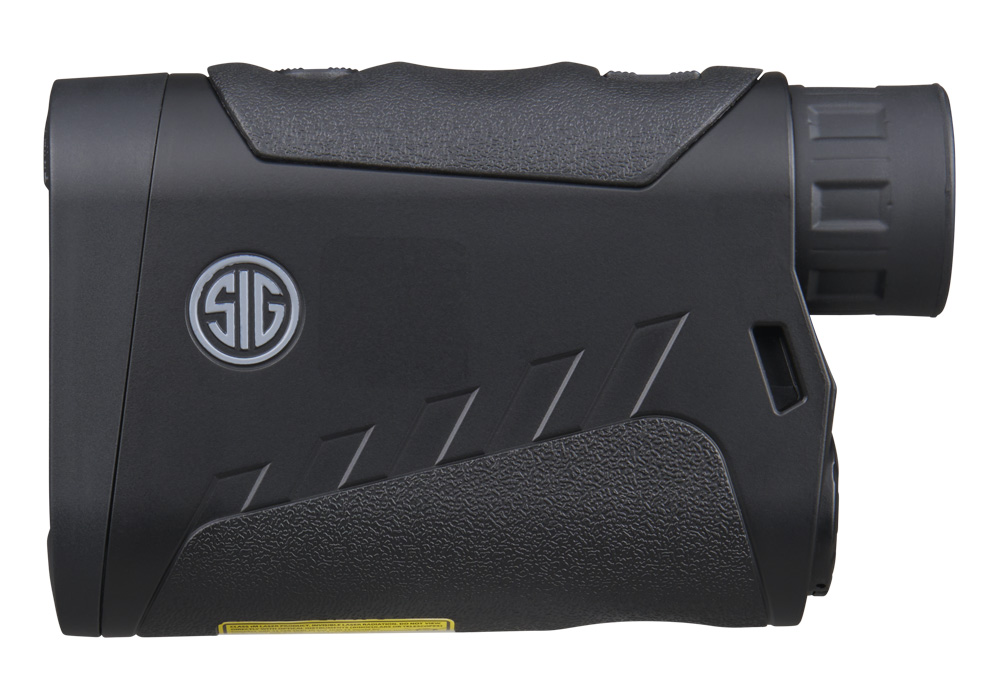
Different activities place different demands on handheld rangefinders, even when their basic measuring method is similar. For archery, close-range performance and angle compensation may matter more than an exceptionally long maximum range. Rifle shooters may value longer-distance readings, consistent target acquisition, and compatibility with supported ballistic tools. Some rangefinders provide only a straight-line distance, while others can display an angle-adjusted measurement or a calculated shooting solution. Those functions are not interchangeable, and their usefulness depends on the activity, the device’s supported modes, and the accuracy of any information entered by the user. A ballistic feature is a calculation aid, not a substitute for verified equipment information, practice, or sound judgment. Likewise, a distance reading cannot establish that a target has a safe background. Scan functions, where offered, can help users compare distances across several objects without repeatedly restarting the measurement process. Target-priority settings may help distinguish a nearby subject from a more distant background, although performance still depends on a clear view and suitable conditions for the laser return. Beyond electronics, the physical design influences how readily the instrument fits into a familiar routine. A compact housing can ride in a small pouch, while a fuller grip may feel more secure in a larger hand. Button placement, textured contact surfaces, and an adjustable diopter can make a noticeable difference when the device moves repeatedly between a pocket and the eye. Housings may use polymer, metal, or a combination of materials, with protective exterior surfaces helping resist scuffs from regular handling. Sealed construction can help protect internal components from dust and moisture, but a stated water-resistance rating is more informative than appearance alone. For shoppers focused on portability and protective sealing, Compact Waterproof Rangefinders for Shooters offers a related selection to explore. Overall dimensions, weight, carrying options, and control layout remain important alongside any protective rating.
The best fit for everyday use is often the rangefinder that is easy to carry, comfortable to view through, and simple to operate without unnecessary distraction. A recreational archer moving between practice distances may prefer a light, uncomplicated instrument with clearly displayed measurements. A target shooter working across several established lanes may appreciate repeatable readings and a display that is easy to interpret at a glance. A hunter watching an open clearing may value the ability to measure recognizable landmarks before an opportunity develops, while still maintaining awareness of the surroundings. These scenarios favor dependable handling over an impressive feature list that rarely gets used. Units of measurement, battery type, battery access, and control familiarity can all influence long-term satisfaction. Wireless connectivity may be useful for someone who already uses compatible equipment, but compatibility should be confirmed rather than assumed. A tripod mounting option can support steadier observation where that feature is offered, while a lanyard or fitted pouch helps keep a small instrument accessible and secure. Routine care is generally straightforward, but optical surfaces deserve more attention than the exterior housing. Loose grit should be removed before a lens is wiped, and cleaning materials should be suitable for coated optics. Following the manufacturer’s cleaning and storage directions helps protect seals, lenses, and electronic components. A protective case also keeps the viewing surfaces from rubbing against keys, tools, or other gear during transport. Battery checks before an outing and storage practices appropriate to the battery type help avoid preventable interruptions. As a gift, a handheld rangefinder can suit an experienced outdoor enthusiast or someone building a more complete practice setup, provided its intended use matches the recipient’s interests. Familiarity with the recipient’s preferred activity, eyesight needs, and existing equipment is more useful than choosing by maximum range alone. Across these uses, accurate distance information, durable construction, and an intuitive viewing experience are the qualities that keep a rangefinder useful well beyond its first outing.