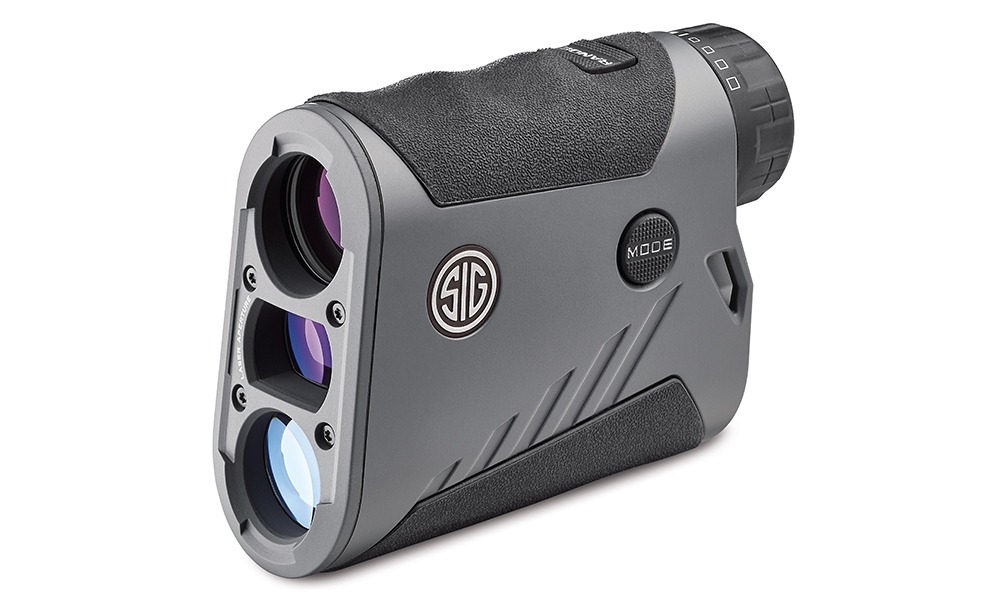
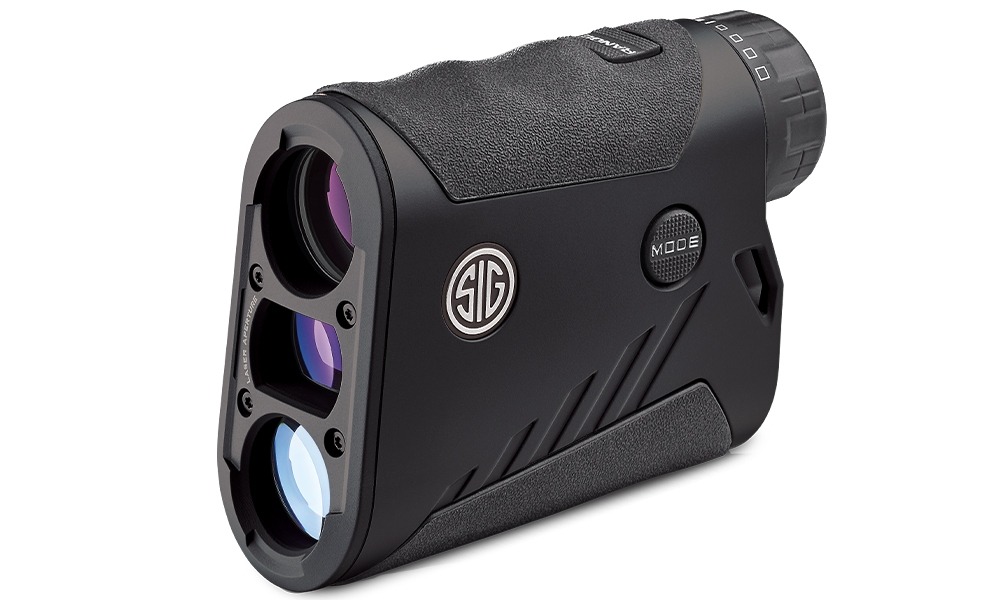
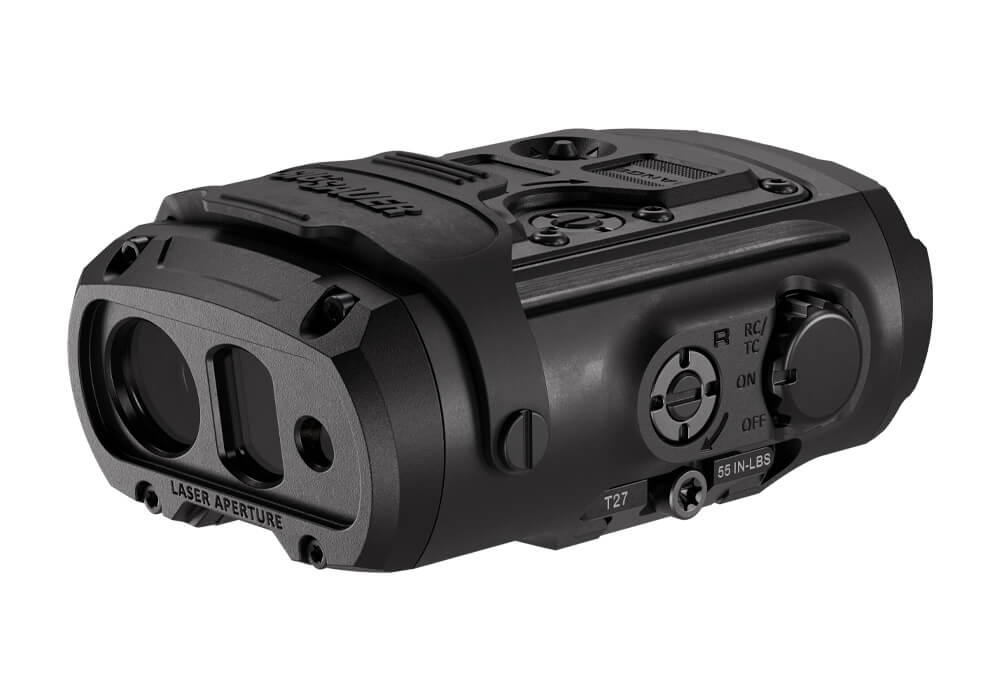
Shooting rangefinders bring a useful layer of information to the range, field, and competition course by measuring the distance between the user and a selected target with a laser pulse. For a shooter building a dope card, confirming a known-distance target, or preparing for a shot across uneven terrain, an accurate distance reading can be far more practical than estimating by eye. Many models provide nearly instant measurements, while more advanced options add angle compensation, environmental sensors, and onboard ballistic calculations that help account for factors such as elevation, ammunition data, and sight height. The result is a compact tool that can support a more deliberate shooting process without replacing sound fundamentals. A rangefinder may be used from a bench, a prone position, a blind, or a standing position on a three-dimensional course, and its value often becomes most apparent when the landscape offers few visual clues. A target tucked beyond a shallow draw can look deceptively close; a steel plate across a broad valley may seem farther away than it really is. With a reliable reading in hand, shooters can make more informed adjustments, verify their setup, and keep their attention on safe target identification and consistent marksmanship. During the cooler months, clear air and changing light can make distant terrain especially inviting for practice, and a rangefinder can help turn a day outdoors into a more structured session. Shooters interested in seasonal events can also explore Rangefinders for Fall Shooting Tournaments when selecting equipment suited to organized stages, varying target distances, and quick transitions between positions.
When comparing shooting rangefinders, begin with the distances and targets that matter most to your setup rather than relying only on the maximum number printed in a specification. Manufacturers typically state ranging performance against highly reflective targets, such as large signs or reflective panels, under favorable conditions. Actual performance against a deer, dark steel, brush, or a distant target with a small profile is usually lower, particularly in haze, rain, glare, heavy cover, or low light. A model advertised for several thousand yards may therefore offer a useful margin for a shooter who commonly ranges targets at several hundred yards, while a compact option with a shorter stated reach may be entirely suitable for a traditional range or close-to-mid-range hunting environment. Magnification, field of view, optical clarity, focus adjustment, and scan modes also deserve attention. Higher magnification can make a distant target easier to identify, but a generous field of view may be more helpful when locating a small plate or tracking a moving animal. Display design is another practical consideration: a red OLED display is often easier to read against dark timber or in subdued light than a black LCD display, while brightness controls help prevent the reticle or numbers from overwhelming the scene. Consider the controls as well. Large buttons, a straightforward menu, and an easy-to-grip housing matter when wearing gloves or working from a pack during a cold morning on the range. Weather resistance, battery type, battery access, and overall weight can influence whether the rangefinder stays in a pocket, rides on a chest pack, or becomes part of a rifle or spotting setup. Some models are intended for handheld use, while others can mount directly to a rail or optic system, providing distance information without requiring the shooter to lower the rifle. Mounting compatibility, eye relief, and the ability to read the display from a stable position should be confirmed before purchase.
Ballistic features can make a rangefinder especially useful for shooters who want more than a simple distance measurement. Entry-level and straightforward models may deliver a clean yardage reading for use with a printed data card, a turret system, or a manually selected holdover. More advanced models may combine distance with angle compensation, ammunition profiles, environmental sensors, and onboard ballistic software to calculate a corrected aiming solution. App integration can allow users to enter cartridge information, bullet details, sight height, zero distance, and atmospheric conditions, then transfer those settings to the rangefinder. These systems can be valuable for long-range practice, field shooting, and matches where target distances change from one stage to the next, but they still depend on accurate inputs and a verified rifle setup. A digital solution should be treated as a support tool, not as a substitute for confirming trajectory at the range. Shooters benefit from recording confirmed data, checking that the selected profile matches the ammunition in use, and comparing electronic recommendations with known impacts before relying on them in the field. For a new owner, a rangefinder can also make a thoughtful gift because it serves a wide range of interests: a beginning shooter can use it to learn distance estimation, an experienced hunter can use it to assess terrain, and a competition participant can use it to prepare for unfamiliar stages. It is a practical present for someone upgrading a range bag, assembling a precision setup, or spending more time outdoors as the weather shifts. Regardless of the feature set, responsible use remains central. Always identify the target and what lies beyond it, follow the rules of the shooting area, keep the firearm pointed in a safe direction, and use the rangefinder only when it does not interfere with safe handling. A well-chosen shooting rangefinder should feel natural in the user’s routine, provide information that can be trusted and verified, and help make each measured shot more intentional.