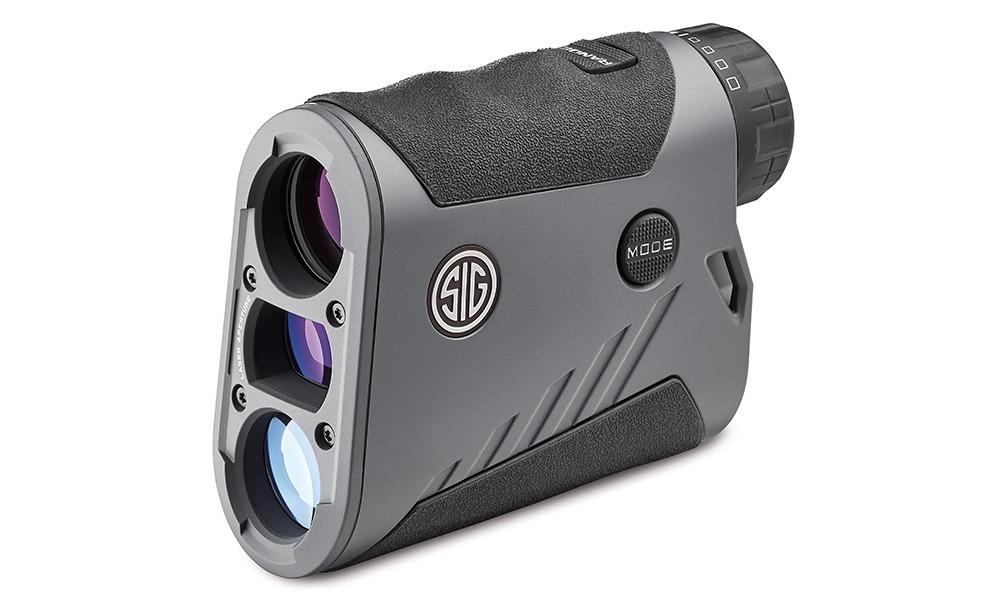
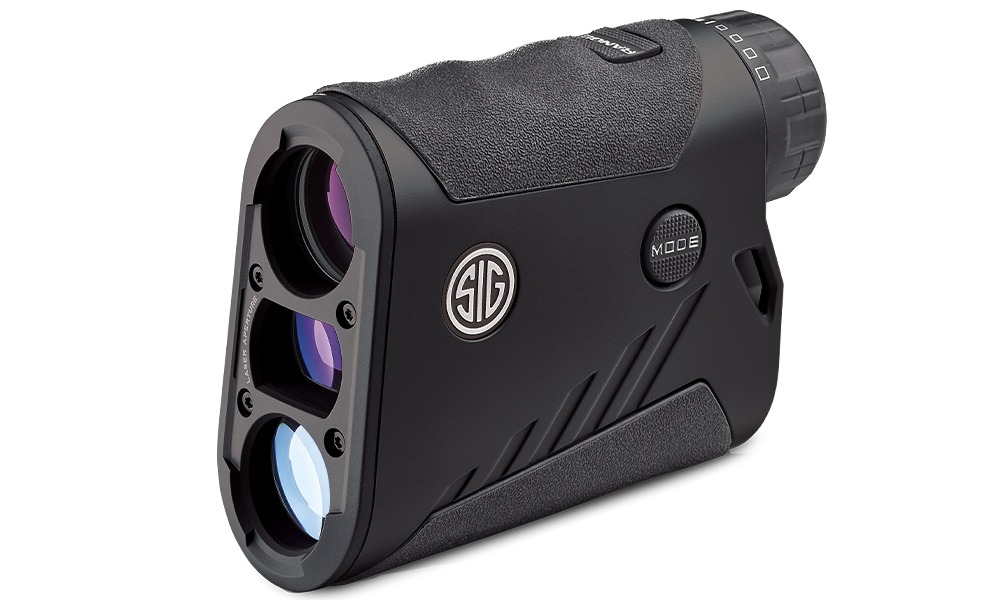
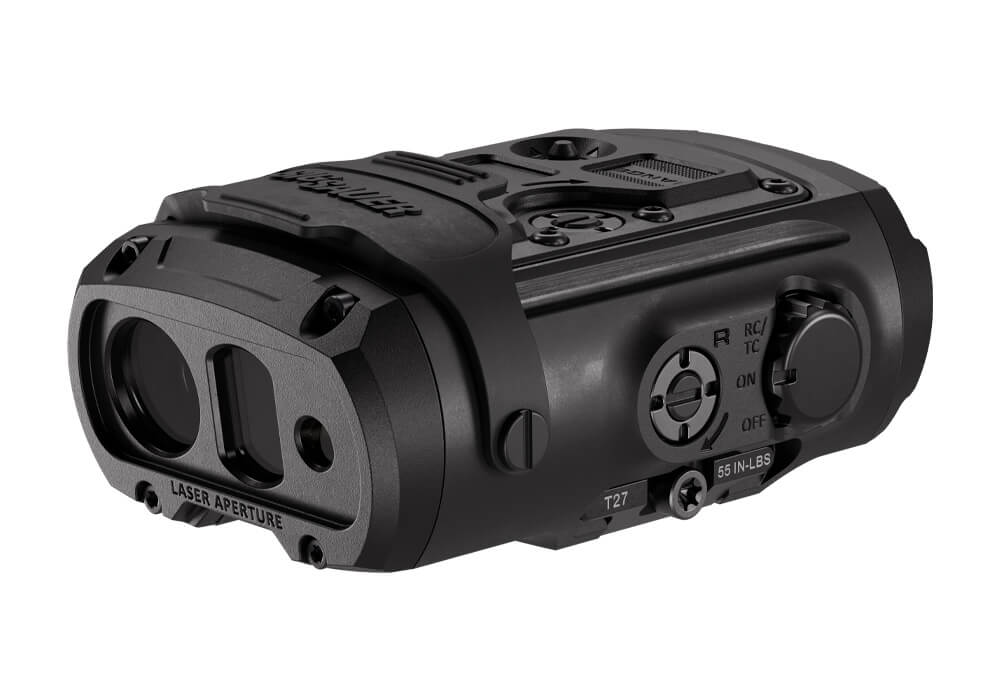
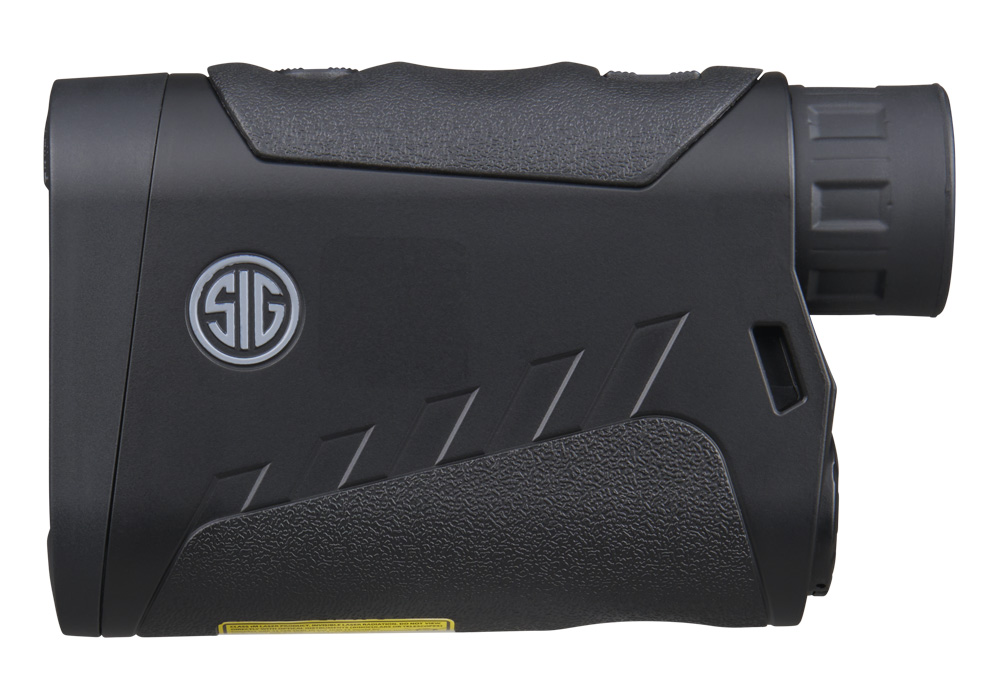
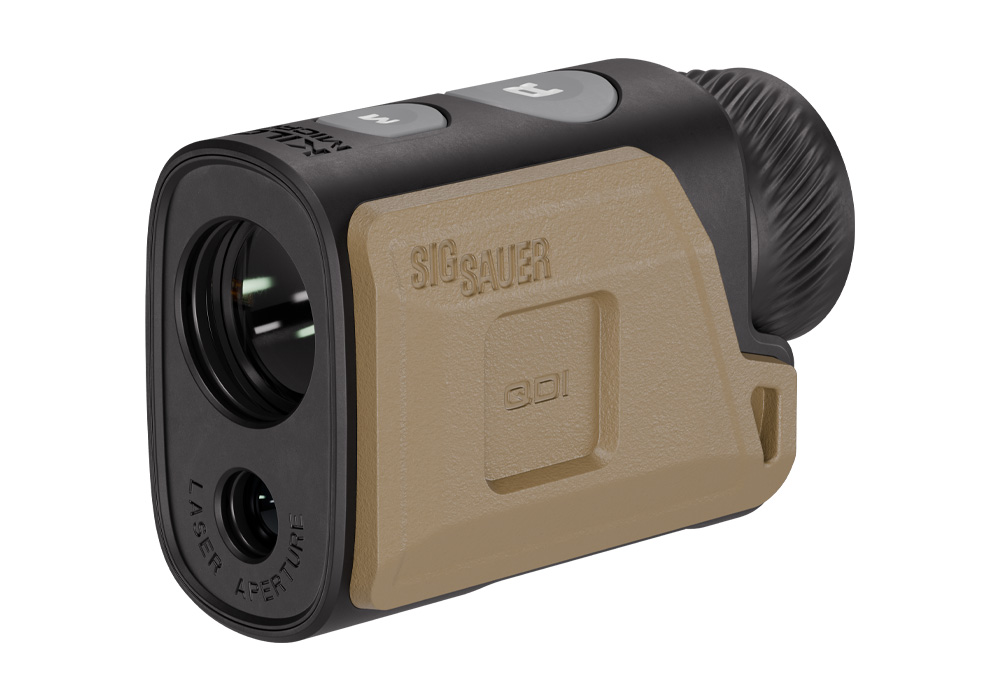
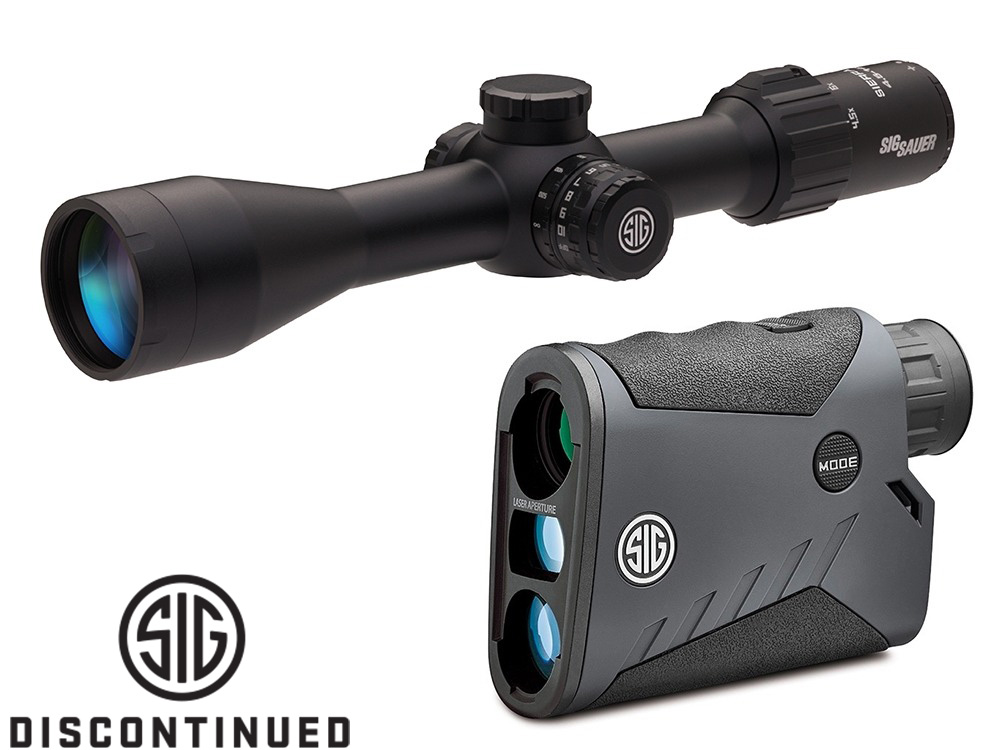
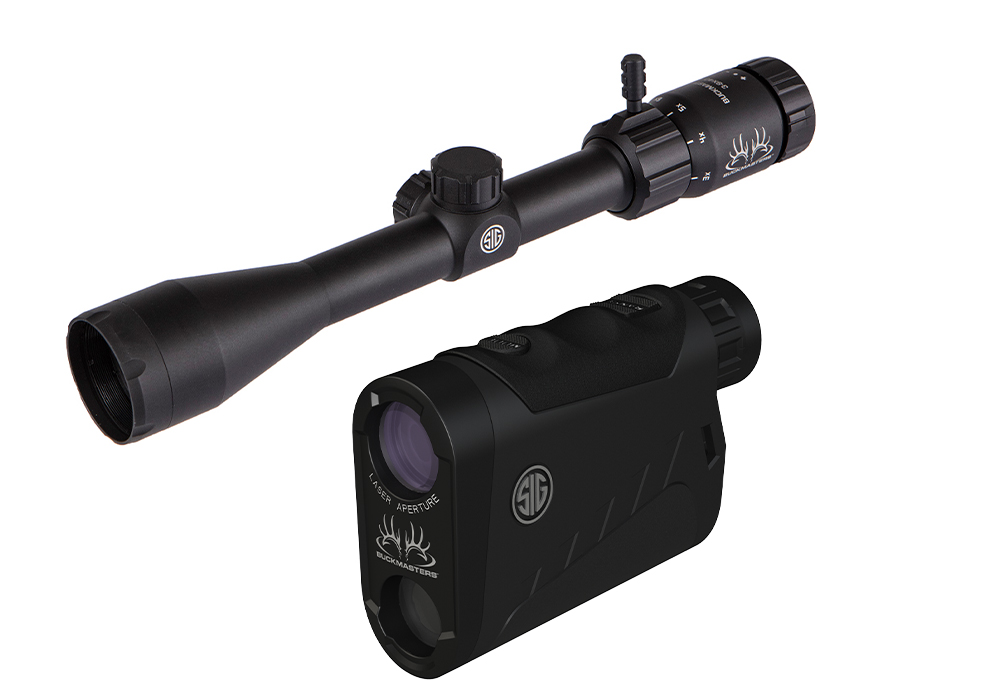
Rangefinders for fall shooting tournaments help competitors verify distance across courses where target placement, terrain, and visibility can vary from one stage to the next. Their value is especially clear at events with unknown-distance targets, provided tournament rules allow electronic ranging. A steel target beyond a grassy rise, an archery target framed by autumn foliage, or a course stretching across an open hillside can present very different ranging conditions. A suitable rangefinder brings together useful target-distance performance, readable optics, and controls that feel straightforward when attention belongs on the match. Maximum advertised range is only part of that picture: ratings for highly reflective objects may differ substantially from performance on smaller, darker, or less reflective targets. Published specifications for the intended target type offer a more meaningful comparison than the largest number on the packaging. Magnification, beam characteristics, and the ability to hold the device steady also influence how easily a competitor can isolate a distant object. For courses with elevated positions or sloping ground, angle compensation can provide a distance value that accounts for incline rather than showing only the straight-line measurement. The available calculations and their intended applications vary, so rifle and archery competitors benefit from features suited to their respective disciplines. Straight-line distance remains important wherever the event format calls for it, and clearly identified measurement modes help prevent confusion between different readouts. Units should also match the course and the competitor’s familiar reference system, whether distances are expressed in yards or meters. Tournament rules determine whether features such as angle compensation, wireless connections, and calculated shooting information are permitted. The most useful rangefinder for a particular event is therefore not necessarily the one with the longest feature list. It is the one whose ranging performance, permitted functions, and handling fit the course, the target sizes, and the way the competitor practices before match day.
Optical clarity and display design become particularly noticeable at fall events, when low sunlight, deep shade, and bright backgrounds can appear within the same course. A target against pale grass may be easy to see through the optic but harder to read beneath an overly bright display, while a shaded target can call for a different balance. Adjustable display brightness, clear numerals, and an uncluttered aiming point can make distance information easier to interpret without repeatedly shifting focus. Magnification should provide enough detail for the intended distances while preserving a field of view that feels manageable during target acquisition. Higher magnification is not automatically more comfortable, especially when a compact device is held in one hand or used from an awkward stance. For competitors who wear glasses, eye relief and eyecup design affect whether the full view is accessible without pressing the optic against the lenses. A focus adjustment, when included, helps bring the display into clear view for the individual user. Handling deserves the same attention as the view through the glass. Buttons that are distinct by touch, a housing that sits securely in the palm, and controls that remain practical with light gloves can all matter on a brisk tournament morning. Scan functions can provide updated measurements as the device moves across a scene, while target-selection modes can help distinguish between competing returns where supported. Their names and behavior differ among rangefinders, making a clear interface more useful than a long menu of unfamiliar settings. Measurement speed is relevant, but a reading that is stable and easy to understand is more valuable than speed alone. Rain, mist, reflective surfaces, and vegetation can affect laser measurements, and no device performs identically against every background. Consistent practice with the chosen controls helps competitors recognize normal operation before they arrive at a busy course with squad conversations, range commands, and limited time between stages.
Durability for tournament use involves more than an outdoors-oriented appearance. Rangefinders travel in equipment bags, ride in vehicles, rest on benches, and spend long stretches exposed to dust or damp air. Housings may use reinforced polymers, metal components, or protective exterior armor, with each construction offering a different balance of weight, grip, and resistance to everyday wear. A compact body can be comfortable on a belt or chest-mounted pouch, while a larger shape may feel steadier in broader hands. The right fit also includes access: a secure case should protect the optic without requiring excessive effort to retrieve or replace it between permitted uses. Lanyard attachment points, covered battery compartments, and well-fitted protective caps are practical details worth considering. Water-resistance and fog-resistance claims should be evaluated through the published specifications rather than assumed from the housing alone. After a dusty event, loose grit should be removed before the lenses are cleaned with appropriate optical-care materials; wiping a dirty lens with a shirt sleeve can grind debris against its coatings. Damp equipment benefits from drying according to its care instructions before being enclosed for storage. Battery type, expected runtime, and storage recommendations also matter, particularly for competitors who attend several matches across the fall tournament calendar. A spare compatible battery can be useful where the design permits replacement, while rechargeable units require a charging routine that fits travel and practice schedules. These considerations make rangefinders relevant gifts for established competitors as well as newer participants building a dependable equipment setup, though familiarity with the recipient’s discipline and event rules helps ensure a useful match. For shooters whose interests also include deer hunting, Rangefinders For Whitetail Season provides a related category to explore, with overlapping considerations such as portability, readable displays, and performance against natural backgrounds. Across those uses, the lasting priorities remain dependable measurements within the device’s stated limits, comfortable handling, and construction suited to regular outdoor use.