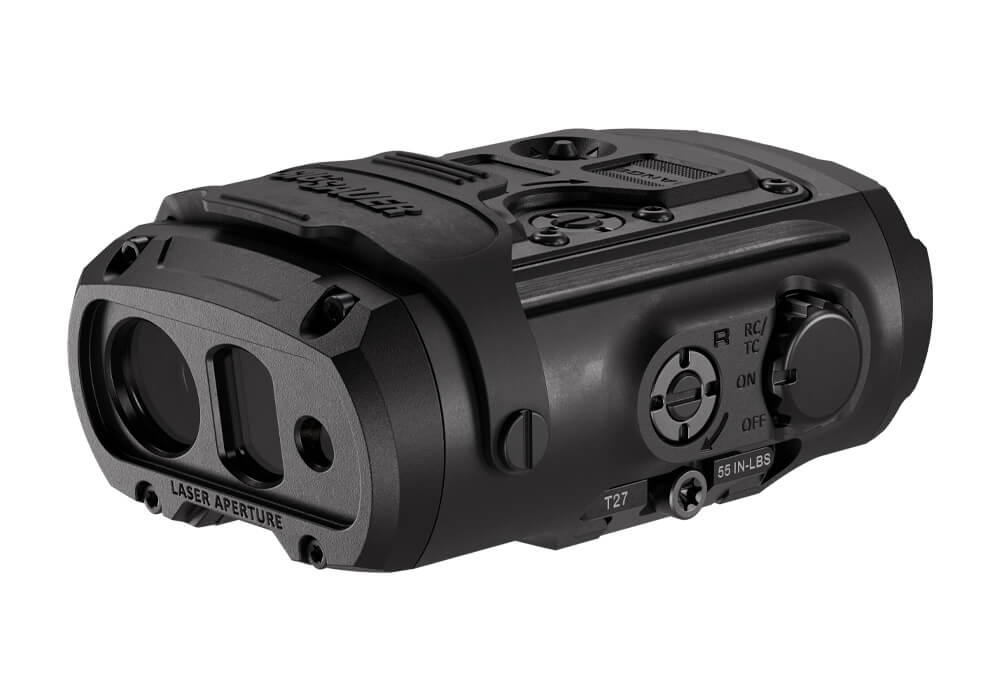
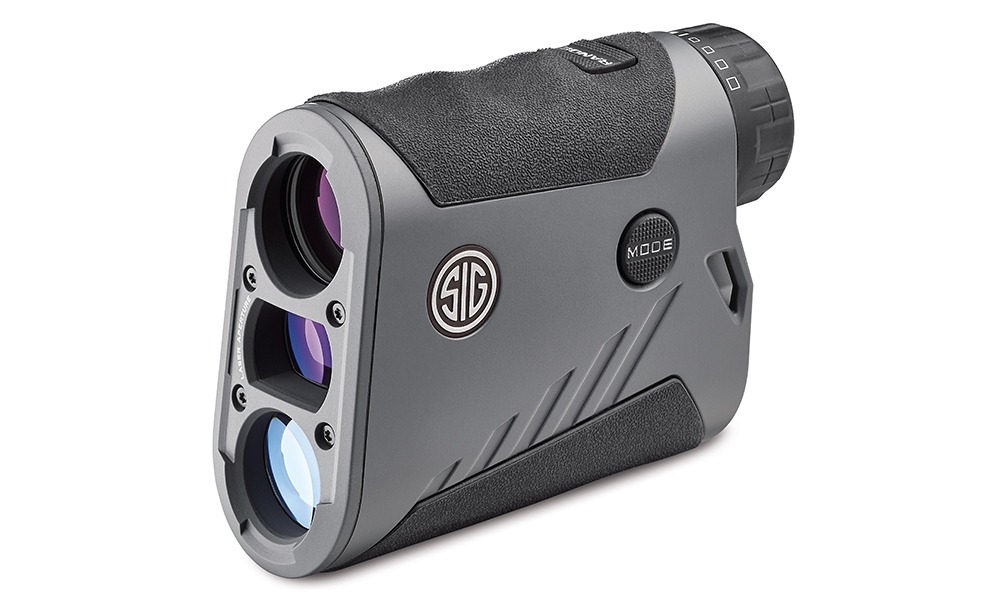
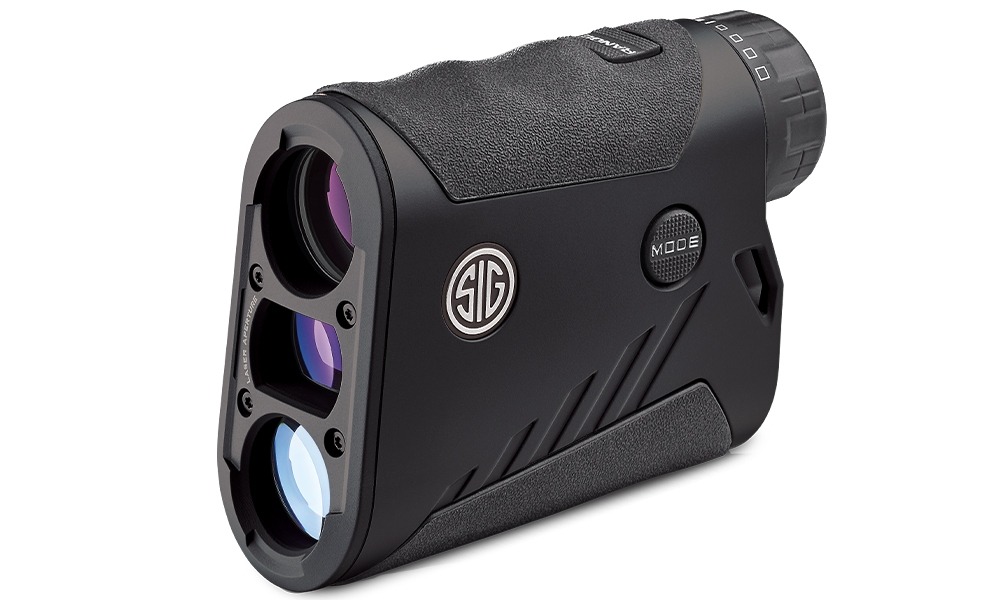
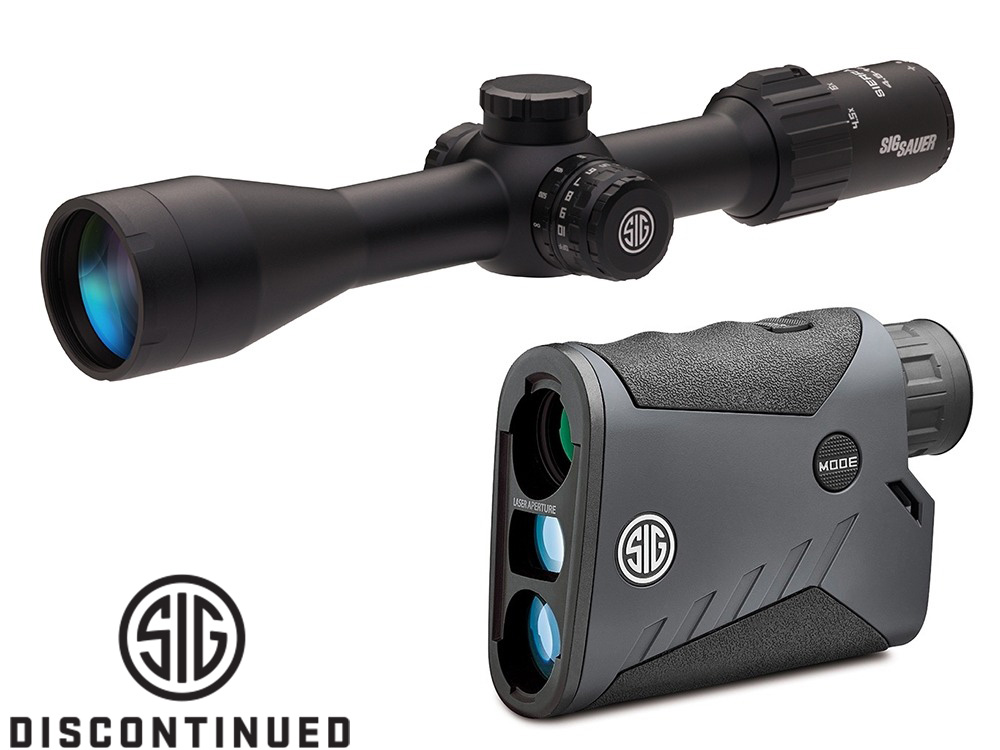
Compact waterproof rangefinders give shooters a practical way to confirm distance without adding much weight or bulk to a field kit. Their small form factor fits easily into a jacket pocket, range bag, chest pouch, or pack, which is useful when moving between firing positions or carrying other equipment across uneven ground. A clear readout can help establish the distance to a steel target, berm, backstop, or other reference point before setting up a shot. In changing conditions, weather protection matters as much as optical performance. Look for a sealed housing and a published rating such as IPX4 through IPX7, keeping in mind that these ratings describe different levels of protection against splashes, rain, and temporary immersion. A device rated for water resistance can be a more dependable companion during a wet morning at the range, a misty hike to a shooting position, or a long day outdoors when the forecast shifts without warning. Rubberized exterior panels, textured controls, and a compact shape can also help maintain a steady grip when hands are cold or damp. For many shooters, the best size is one that can be reached quickly and operated without taking attention away from the surrounding environment. A lightweight rangefinder is especially useful for those who prefer a streamlined setup, including hunters, target shooters, instructors, and anyone who spends time checking distances before practice. The right fit depends on how far you typically shoot, how often you travel with your equipment, and whether you value the smallest possible footprint or a larger display with additional information. Browse the full selection of Shooting Rangefinders to compare compact options suited to different shooting routines and outdoor conditions.
Optical specifications deserve close attention when comparing compact rangefinders. Magnification around 6x or 7x often provides a useful balance between a broad field of view and enough detail to identify a distant target or reference point. A wider view can make it easier to locate a target quickly, while sharper glass and effective light transmission help preserve contrast during overcast conditions, early morning sessions, or the lower light of the cooler months. Maximum ranging distance is another important consideration, but the stated figure is only one part of the decision. Performance can vary with target size, surface color, reflectivity, angle, haze, rain, and available light. A bright steel plate may return a strong reading at a greater distance than a dark, irregular object surrounded by brush. If most of your practice takes place inside several hundred yards, a compact model with a quick readout and comfortable controls may be more useful than one designed for extreme distances. Shooters who regularly work at longer ranges may place greater value on advanced ranging performance, a more detailed display, and ballistic functions that account for the relationship between the firearm, optic, ammunition, and target. Angle compensation can be particularly helpful on sloped terrain because the line-of-sight distance and the horizontal distance are not always the same. Some rangefinders calculate an adjusted aiming distance, while others provide information that can be used with a ballistic app, optic, or other shooting tools. Wind remains a separate variable and should not be treated as something a rangefinder can fully predict on its own; changing gusts, direction, and local terrain still require careful observation. Before choosing, consider whether you prefer a simple distance reading or a feature set that supports more detailed trajectory planning, and confirm that the display is easy to read through your normal eye protection.
These rangefinders can serve a wide range of shooting habits, from informal practice on a familiar firing line to organized sessions where distances change throughout the day. A new shooter may use one to build a better sense of how distance affects sight picture and target size, while an experienced shooter may appreciate the speed of checking a target rather than relying on estimates or known range markers. Instructors can use compact units when setting up drills or explaining how terrain and distance influence a shot, and experienced hunters may value a weather-resistant tool that remains close at hand while moving through open ground or wooded areas. They can also be thoughtful gifts for a shooter who enjoys refining equipment, preparing for a trip, or spending time outdoors during cooler weather. When selecting one for someone else, consider whether the recipient prefers a small, straightforward device or a more advanced model with angle compensation and ballistic features. It is also helpful to think about their usual distances, whether they wear glasses, and whether their range sessions tend to take place in bright sun, shaded cover, or changing weather. Battery access, control layout, display brightness, and the ability to switch between measurement modes can influence day-to-day convenience just as much as headline specifications. A rangefinder should complement safe, deliberate shooting practices: identify the target and what lies beyond it, follow the rules of the range or outdoor area, and use the device as one part of a broader process that includes a stable position, a properly zeroed firearm, and thoughtful judgment. With the right combination of compact dimensions, weather protection, optical clarity, and distance features, a waterproof rangefinder can become a dependable part of a shooting kit from crisp early-fall mornings through the wetter and colder conditions that follow.