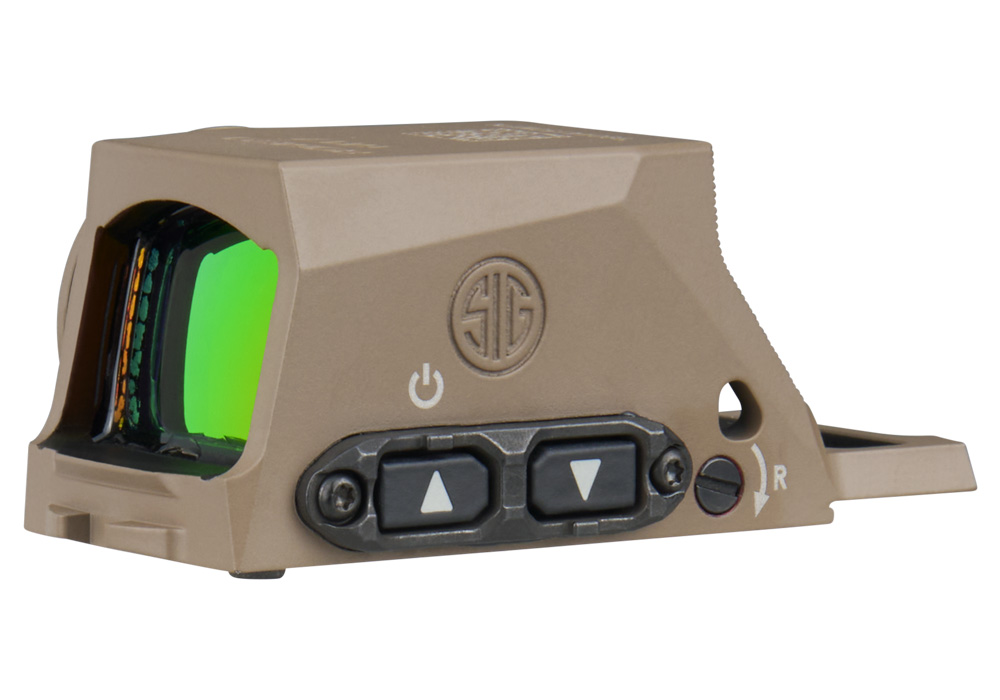
Illuminated reticles add a controlled glow to the aiming point inside an optic, helping the crosshair or center dot remain visible when a dark reticle blends into a shadowed background. Most designs use a small battery-powered LED to light an etched reticle or a fiber-optic element, with red and green among the most common color options. The goal is not to cast light onto the target; instead, illumination makes the aiming reference easier for the eye to find against dark animal fur, timber, brush, rocky terrain, or a target placed in deep shade. This can be especially useful during the softer light of dawn and dusk, when a conventional black reticle may begin to disappear while the target remains visible. It also has practical value during the cooler months, when shorter daylight, overcast skies, and heavy shadows can create challenging viewing conditions. Brightness controls are an important part of the experience. Lower settings can preserve a crisp sight picture in dim conditions, while brighter settings may help the reticle stand out against a sunlit or cluttered background. A useful illumination system should offer enough adjustment to match the surroundings without washing out the image or creating unnecessary glare. Many shooters prefer to switch the illumination off whenever it is not needed, both to preserve battery life and to keep the sight picture as natural as possible. An illuminated reticle can be a practical choice for hunters, recreational target shooters, and anyone who spends time behind an optic in changing light. It may also make a thoughtful gift for a new hunter or an experienced shooter upgrading an existing setup, provided the optic’s mounting dimensions, magnification range, and intended application are confirmed before purchase.
Choosing among illuminated reticle scopes begins with the way the optic will be used. For compact rifles and general-purpose setups, a moderate magnification range can provide a wide field of view at closer distances while still offering useful detail farther downrange. Shooters focused on mid-range practice may place greater value on magnification, precise adjustment controls, a reticle that remains readable at every power setting, and dependable eye relief. A first-focal-plane reticle changes size with magnification so its markings maintain their relationship to the target, while a second-focal-plane reticle generally remains the same apparent size as magnification changes; either arrangement can be effective when it matches the shooter’s habits and sighting needs. Those comparing options should also examine tube diameter, mounting compatibility, adjustment range, turret style, optical clarity, field of view, and overall weight. A scope that looks impressive on a display can feel cumbersome after several hours carried through uneven ground, and an optic with excellent magnification may be less useful if its eye relief is difficult to manage from field positions. The illuminated reticle itself deserves close attention. Etched-glass reticles offer a durable aiming pattern that can remain visible even without power, with the LED adding contrast when conditions make the pattern harder to see. Fiber-optic systems route light directly to a bright aiming point and can produce a clean, immediate visual reference. Battery type, runtime, storage, and control placement matter as well. A side-mounted control or clearly marked dial is easier to operate with gloved hands during a cold morning, while an automatic shutoff can help prevent an accidental drained battery after a long day afield. Keeping a spare battery in a protected compartment is a small habit that can prevent an otherwise avoidable interruption. For shoppers comparing options for practical mid-range use, Illuminated Reticle Scopes for Mid Range Shooting can help narrow the selection by focusing attention on magnification, reticle visibility, and handling characteristics that matter at those distances.
Illuminated reticles are also valuable when an optic must work across more than one lighting environment. A rifle carried from an open field into dense timber may move from bright glare to layered shadow within minutes, and a reticle that is easy to see in one setting can become distracting or indistinct in another. Adjustable illumination allows the shooter to tailor the aiming point rather than relying on a single fixed brightness level. When pairing a scope with a compatible night-vision or thermal clip-on device, shoppers should confirm that the optic, reticle, mounting position, and accessory are designed to work together; excessive brightness can interfere with the viewed image, while an unsuitable reticle may become difficult to interpret through the added device. Illumination should support a clear sight picture, not replace careful observation, proper focus, or sound marksmanship fundamentals. Before selecting an optic, consider the firearm’s mounting platform, the distance typically involved, the size and color of expected targets, the amount of time spent in low light, and the balance between magnification and portability. Practice is equally important. Spending time at the range with the illumination off, at a low setting, and at a brighter setting helps reveal how the reticle interacts with different backgrounds and teaches the shooter to make adjustments without losing position. A calm, deliberate setup is especially helpful when wearing layers or gloves during colder weather. As with any firearm accessory, safe handling remains essential: identify the target and what lies beyond it, follow all applicable laws and range rules, and transport and store the firearm and optic responsibly. With the right combination of glass quality, reticle design, illumination control, battery planning, and compatible mounting, an illuminated reticle scope can provide a more consistent aiming reference through the changing light and varied terrain that define real-world shooting conditions.