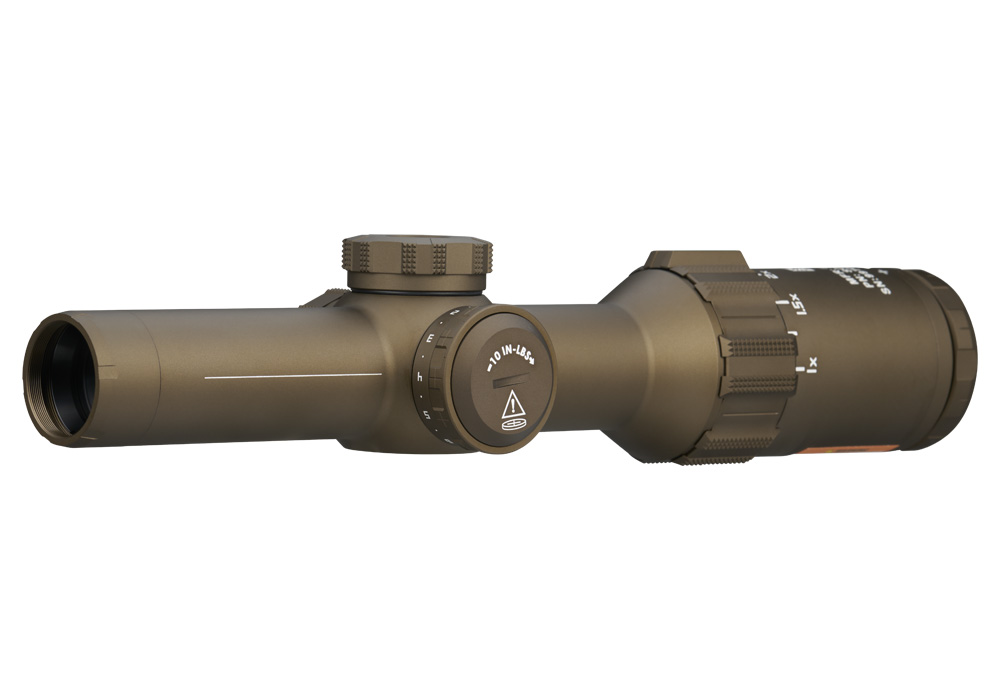
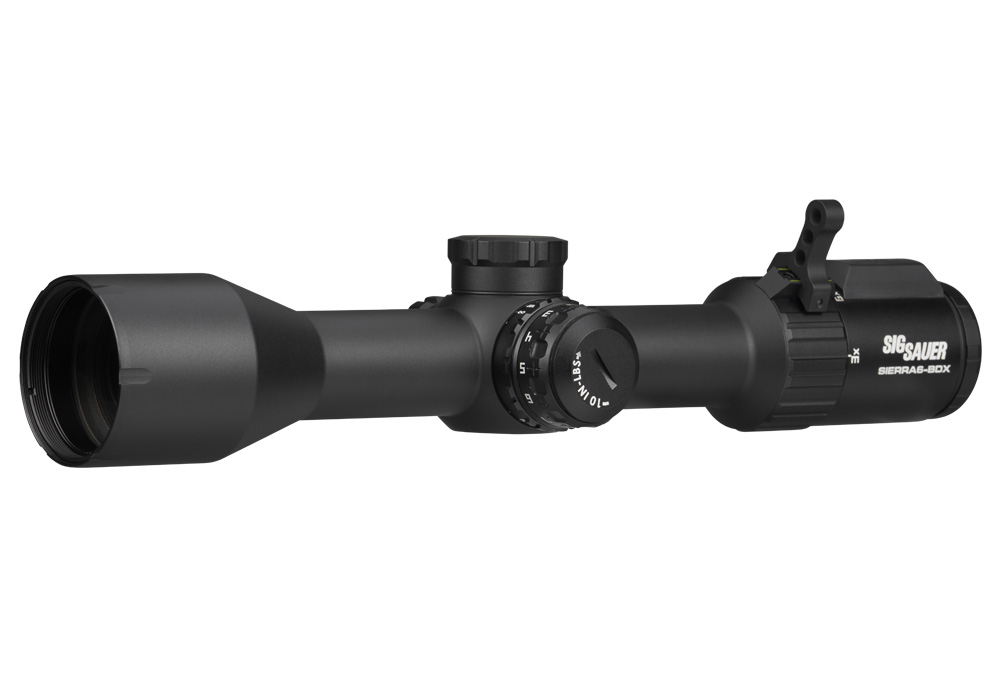
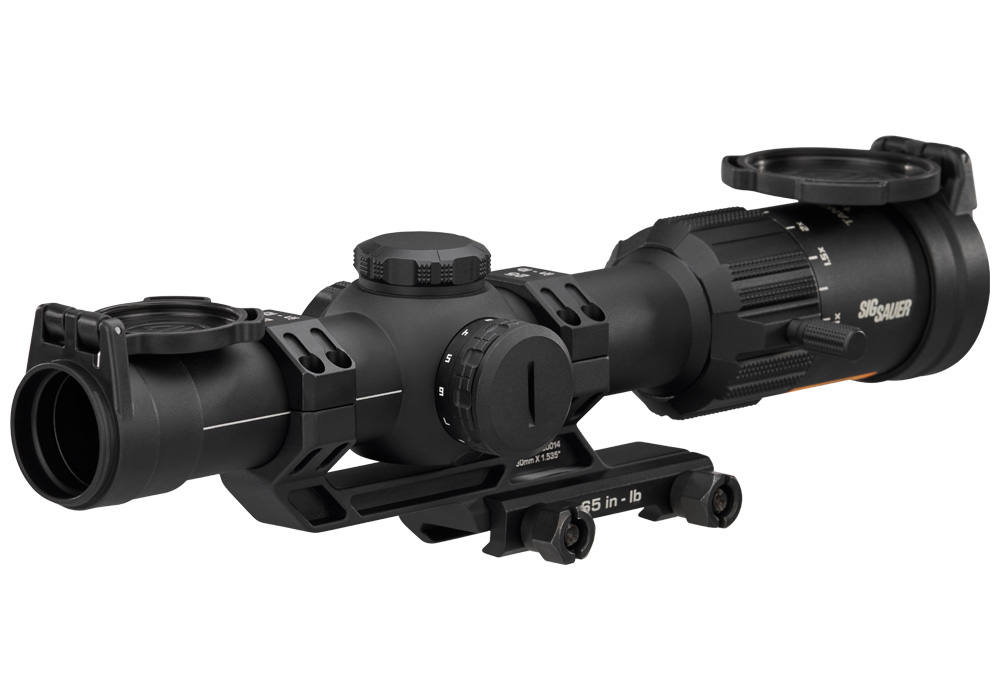
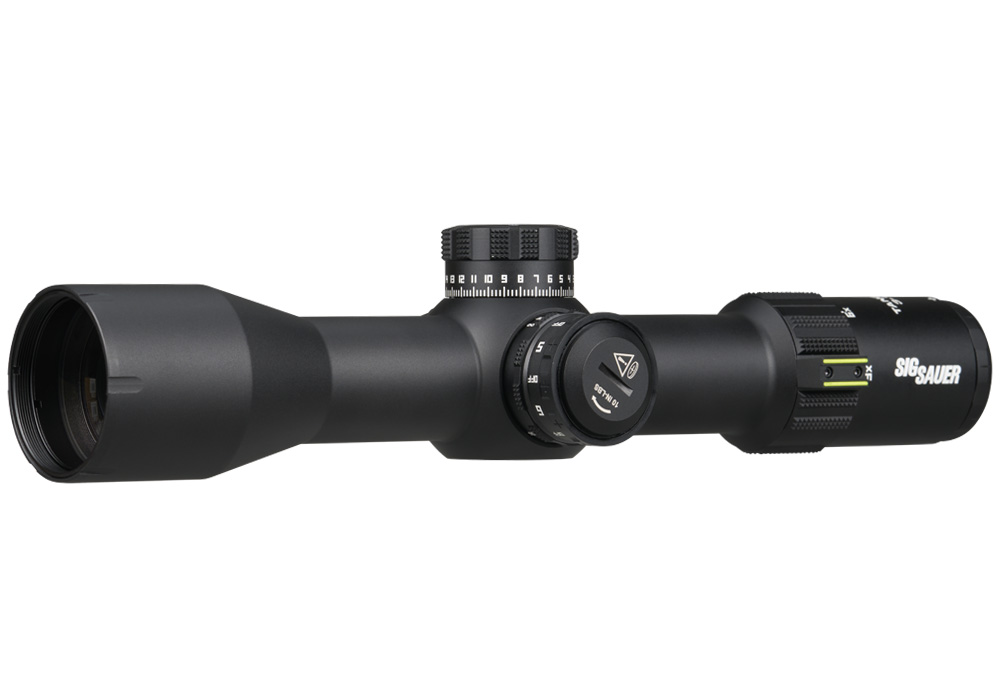
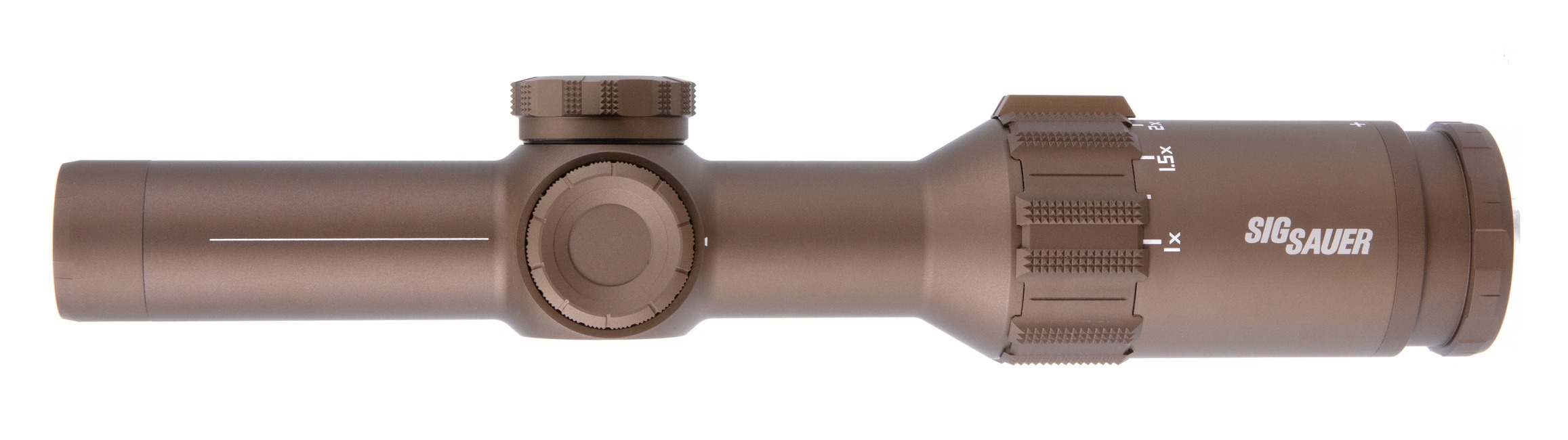
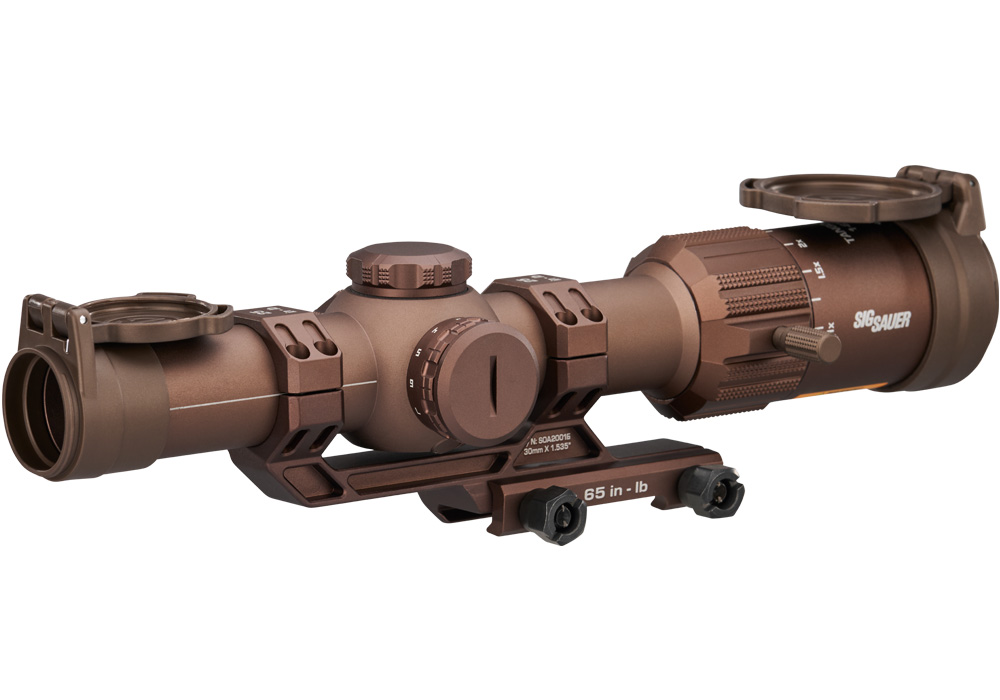
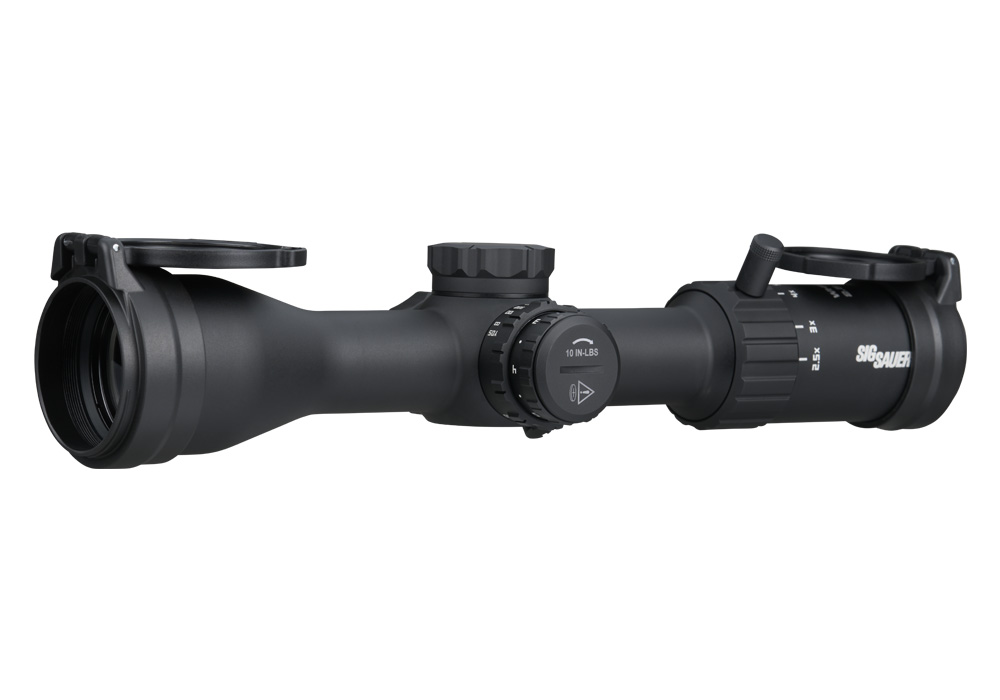
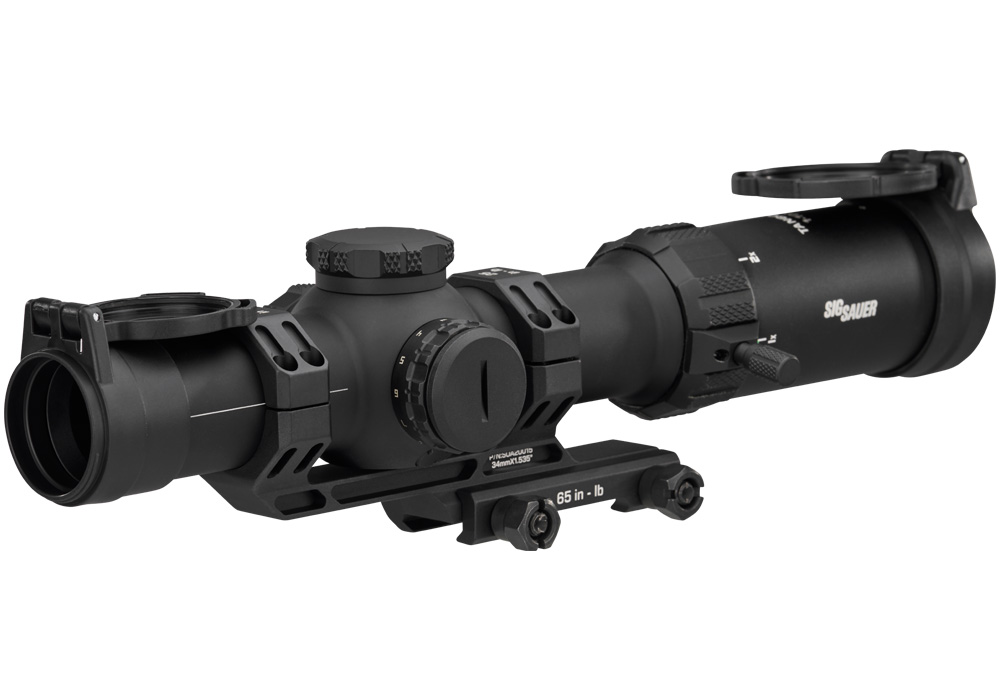
Fiber optic illuminated reticle scopes combine the familiar sight picture of a riflescope with a bright aiming point that is easier to see against changing backgrounds. A physical fiber optic strand inside the optic gathers available light and directs it toward the illuminated portion of the reticle, helping the center aiming point remain crisp and visible in bright daylight. In some designs, the fiber optic system works with ambient light, while others add electronic illumination for adjustable brightness across a broader range of conditions. The result is a reticle that can stand out against dark timber, muted brush, open fields, or a shadowed target area without requiring the entire reticle to glow equally. This is especially useful in low-power variable optics, where the lowest magnification setting can provide a wide field of view and a bright center dot that feels familiar to anyone accustomed to a red dot sight. With both eyes open, a shooter may be able to track movement more naturally at close range, then increase magnification for a more deliberate sight picture at distance. Fiber optic illuminated reticle scopes can suit hunters, recreational shooters, competitors, and anyone assembling a versatile rifle setup for use across varied terrain. During the cooler months, when low-angle sunlight, overcast skies, and deep shadows can appear within the same outing, a clearly defined aiming point may make it easier to maintain focus without losing the surrounding scene. For shoppers comparing this category with broader Illuminated Riflescopes, the central distinction is the way fiber optic construction channels light directly to the aiming point, with the potential for a particularly vivid center dot in daylight.
Choosing the right scope begins with matching its optical and mechanical features to the rifle, cartridge, and intended distance. Magnification range is one of the most important considerations. A scope with a true or near-true 1x setting can be practical for fast handling, dense woods, and short-to-moderate distances, while a higher top-end magnification may be valuable for open country, target work, and careful shot placement farther away. Pay close attention to eye relief, field of view, adjustment range, turret design, and the reticle’s appearance at every power setting. A reticle that looks clean and uncluttered at low magnification may reveal additional aiming references at higher magnification, but shoppers should confirm whether the reticle is in the first or second focal plane and understand how its markings behave as magnification changes. Brightness controls should be easy to operate without disturbing the rifle, and the illuminated point should remain visible without becoming so intense that it obscures the target. Fiber optic scopes that rely primarily on available light can offer a simple, low-maintenance experience, while battery-powered illumination can provide more consistent performance in dim conditions. Some optics use a combination of fiber optic light collection and other illumination technologies, so reviewing the manufacturer’s specifications is important. Mount height, tube diameter, rail compatibility, and clearance around the rifle’s action and barrel also deserve careful attention. A scope may have excellent glass and a useful reticle yet still be a poor fit if the mounting system places it too high, limits cheek weld, or prevents the shooter from achieving a full sight picture. Consider the environment as well: a compact optic may balance well on a lightweight hunting rifle, while a more substantial model may be appropriate for a rifle that sees frequent range use and repeated adjustment.
These scopes are often selected by shooters who want one optic to cover several familiar situations rather than dedicate a rifle to a single narrow purpose. A hunter moving through hardwoods may appreciate a bright center point when a deer steps from shade into a patch of pale morning light, then use additional magnification after settling into a more stable position. A range shooter may value the same optic for practicing rapid transitions at lower power and refining groups at higher settings. For a new rifle owner, an illuminated reticle scope can also be a thoughtful gift when the recipient already knows the rifle’s mounting specifications and the distances they expect to shoot. The most useful gift is one chosen around the shooter’s established setup, not simply the largest magnification range or the most elaborate reticle. Before purchasing, verify the rifle’s caliber and recoil requirements, the intended mounting pattern, the scope’s waterproofing and fog resistance, and whether the optic includes the rings or mount required for installation. Confirm that illumination controls, battery compartments, and turret caps are positioned in a way that suits the shooter’s handling preferences. Responsible use matters just as much as optical performance: follow all applicable laws, use a safe backstop, keep the muzzle pointed in a safe direction, unload the rifle when it is not in use, and confirm zero at an appropriate range before heading into the field. A careful zeroing session also gives the shooter a chance to learn the reticle, test brightness settings in sun and shade, and build confidence in the sight picture. With the right combination of magnification, reticle visibility, mounting fit, and disciplined handling, fiber optic illuminated reticle scopes can provide a dependable aiming solution for changing light and varied shooting conditions.