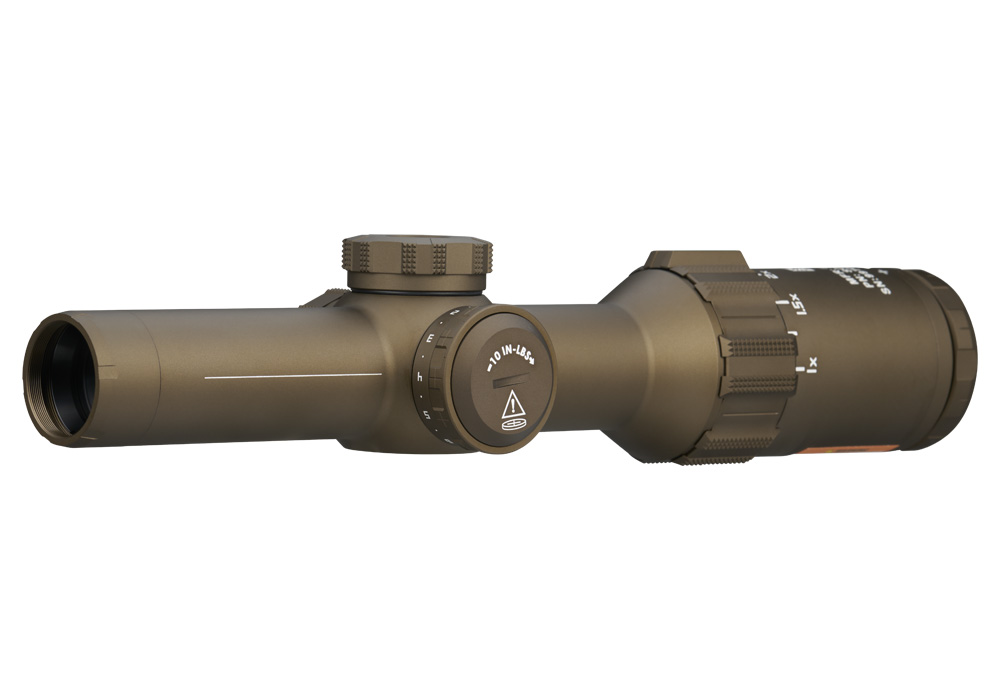
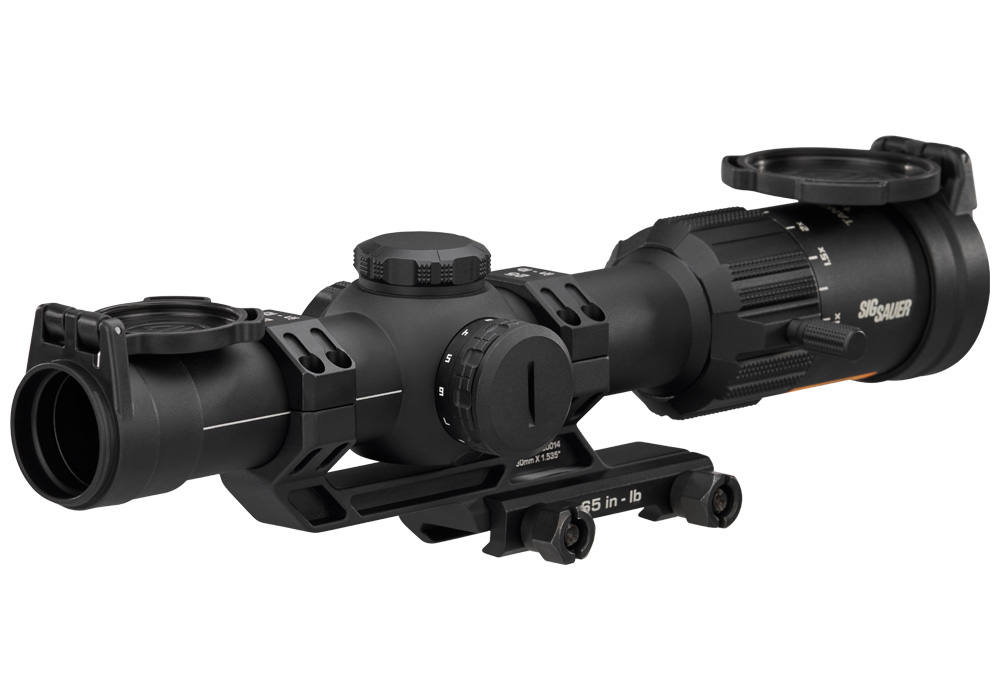
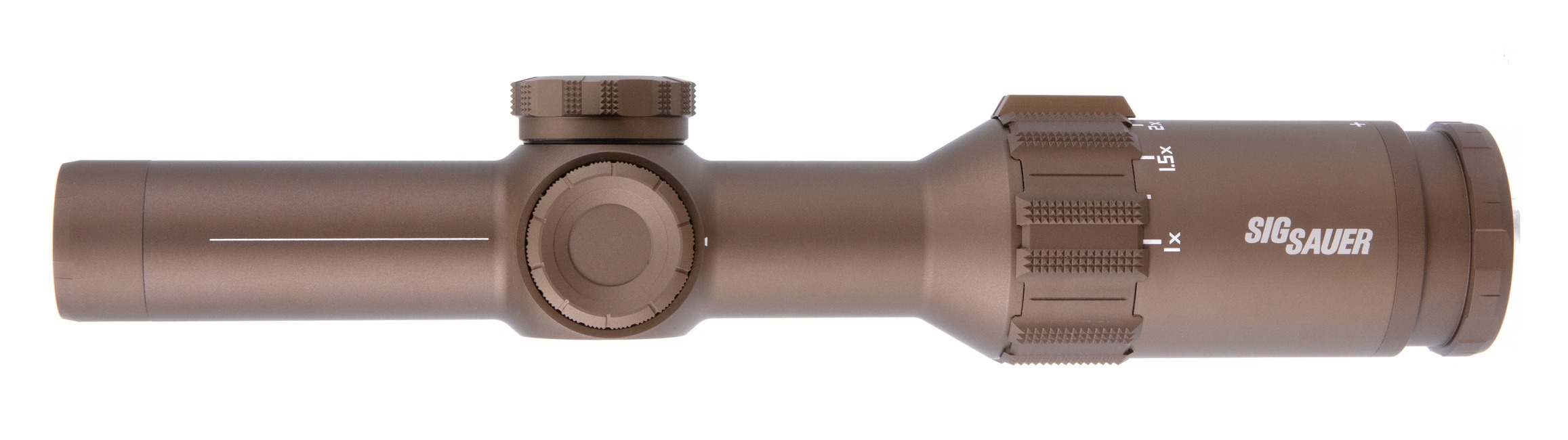
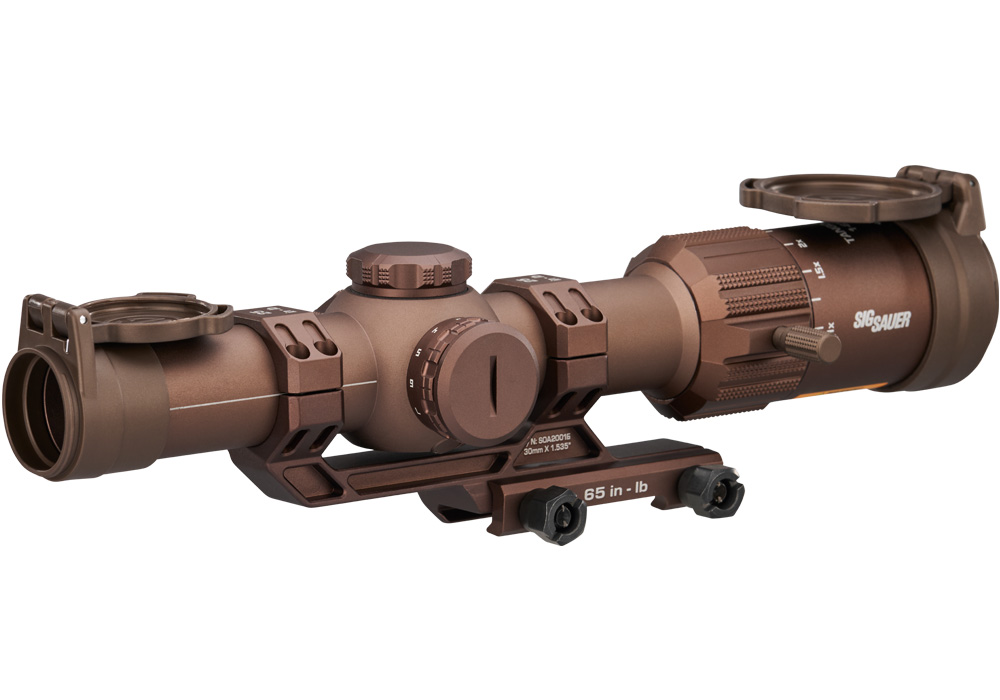
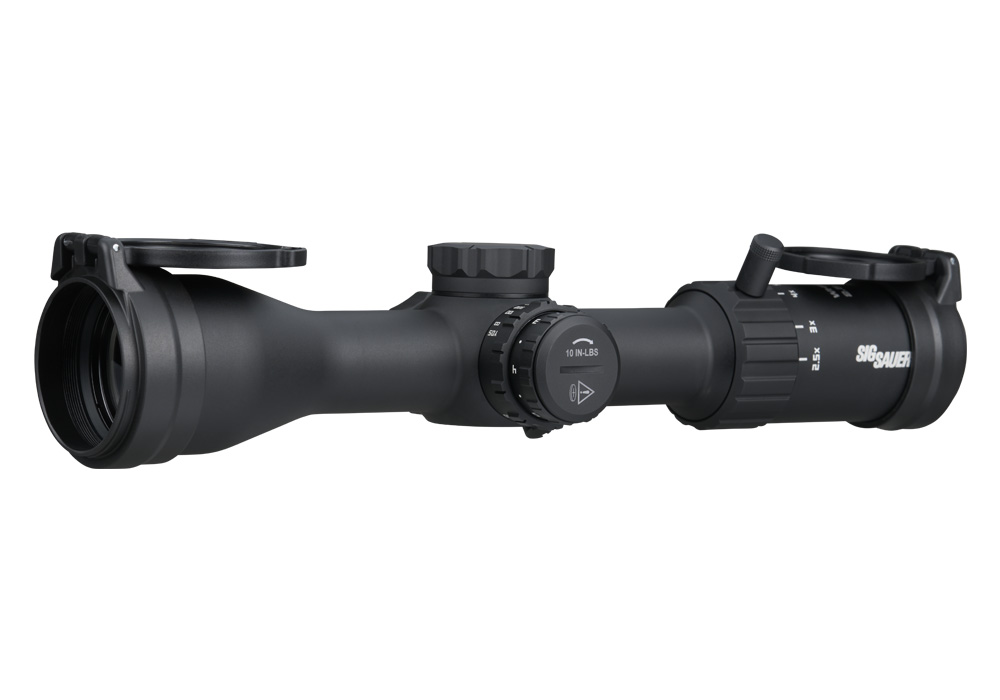
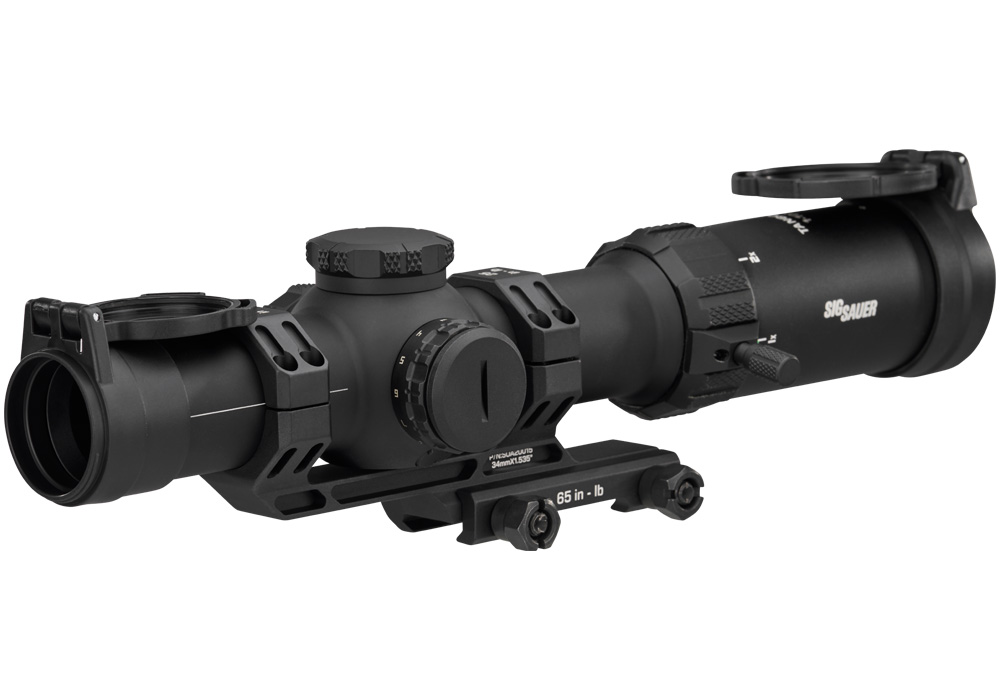
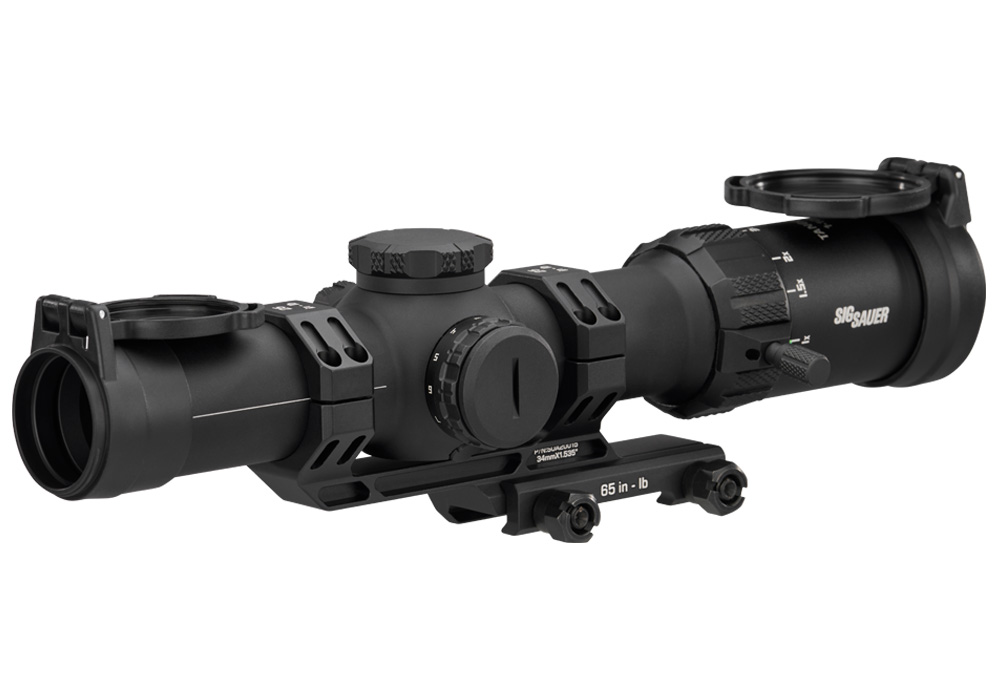
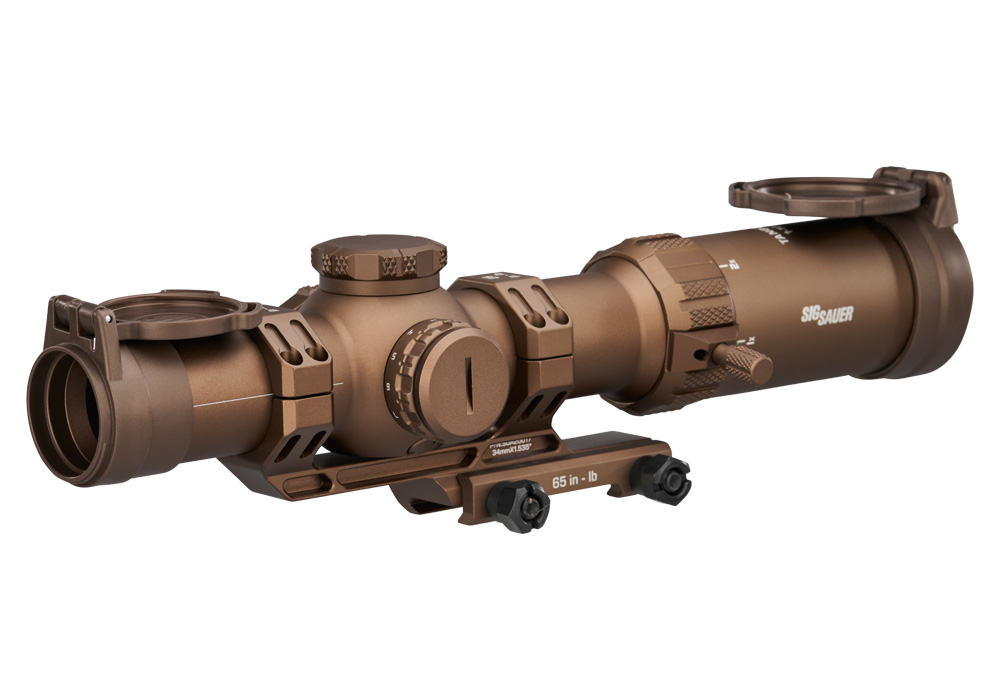
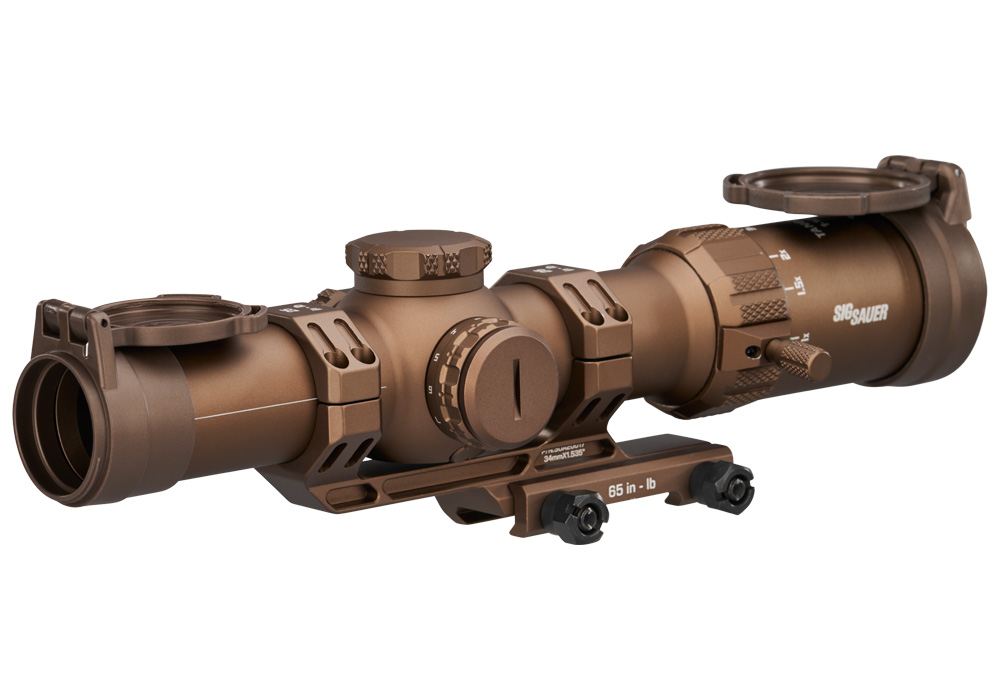
Illuminated reticle scopes for mid range shooting bring a useful balance of speed, precision, and flexibility to a rifle setup. Designed for distances beyond typical close-range work without requiring the extreme magnification of a dedicated long-range optic, these scopes help shooters place a clear aiming reference over targets at moderate distances. The illuminated portion may appear as a glowing center point, fine crosshair, or partially lit reticle, depending on the design. Its purpose is not to replace proper sight alignment or careful shooting fundamentals, but to make the reticle easier to distinguish when the target area is dark, shaded, or visually busy. During the cooler months, when legal hunting hours may begin in dim morning light or end as the landscape fades toward evening, that contrast can make the sight picture more comfortable and easier to read. The same benefit can be appreciated on a range with changing light, where a black reticle that looked crisp against a pale target backer becomes harder to follow against trees, brush, or a shadowed berm. When comparing illuminated reticle scopes for mid range shooting, consider the magnification range, objective lens diameter, reticle design, illumination color and intensity settings, adjustment style, and overall size and weight. Lower magnification supports a wider field of view and quick target acquisition, while greater magnification can help with careful aiming at the far end of a scope’s intended range. A larger objective lens may gather more available light, but it can also add bulk and may require taller mounting hardware. The best combination depends on the rifle, the distances involved, the terrain, and whether the optic will spend more time on a bench, in a blind, or carried across uneven ground.
Reticle illumination is especially useful when the center of the aiming pattern needs to stand out without overwhelming the target. A practical optic should offer settings that remain visible in bright daylight as well as subdued levels for dawn, dusk, or shaded surroundings. Too much brightness can cause the aiming point to bloom and obscure small details, while too little may leave the reticle difficult to locate. Shooters often appreciate controls that are easy to operate with gloves and that provide a clear off position between brightness settings, helping conserve battery power when illumination is not needed. Some designs use an etched reticle that remains visible even when the illumination is switched off, providing a dependable aiming reference in ordinary daylight. Others incorporate fiber optic or tritium elements for a glowing aiming point without relying on the same type of battery-powered system. Shoppers interested in that approach can explore Fiber Optic Illuminated Reticle Scopes as another category to consider. Reticle style deserves equal attention. A simple center dot or fine crosshair can feel uncluttered for target work, while a holdover design may provide additional references for elevation or windage when conditions change. First focal plane and second focal plane configurations also behave differently as magnification changes, so buyers should select the layout that best matches their preferred shooting method. Eye relief, the ease of obtaining a full sight picture, and the scope’s adjustment range matter just as much as the advertised magnification. A scope that looks impressive on paper should still feel natural when mounted to the intended rifle and should allow a comfortable cheek weld without forcing the shooter to crane forward or backward.
These optics can suit hunters, recreational range users, competitors, and rifle owners who want one versatile sighting solution for a range of mid-distance applications. A hunter moving through open timber may begin the day with a broad field of view at lower magnification, then increase magnification when a clear lane opens across a meadow. A target shooter may prefer a fine reticle, repeatable adjustments, and strong glass that makes small aiming points easier to resolve from a steady rest. For someone building a first serious rifle setup, an illuminated reticle scope can be a thoughtful gift when the recipient’s shooting interests and mounting requirements are known. It is worth confirming the rifle’s rail or receiver pattern, expected cartridge recoil, preferred eye relief, and whether the recipient already has compatible rings or a mount before making a purchase. Durability is another important consideration for equipment that may encounter dust, rain, hard cases, and repeated transport. Look for construction and sealing suited to the intended environment, along with controls that remain positive and easy to identify by touch. A reliable zero, clear glass, and consistent adjustments are more valuable than unnecessary features that add weight or complexity. Before use, the scope should be mounted securely, aligned properly, and sighted in with the specific rifle and ammunition combination. Responsible owners should follow all applicable laws, use an appropriate backstop and safe range practices, and confirm that the illuminated reticle remains an aid to careful marksmanship rather than a substitute for identifying the target and what lies beyond it. With the right fit and setup, an illuminated scope can provide a steady visual reference, faster acquisition in changing light, and the practical versatility many shooters want from a mid range optic.