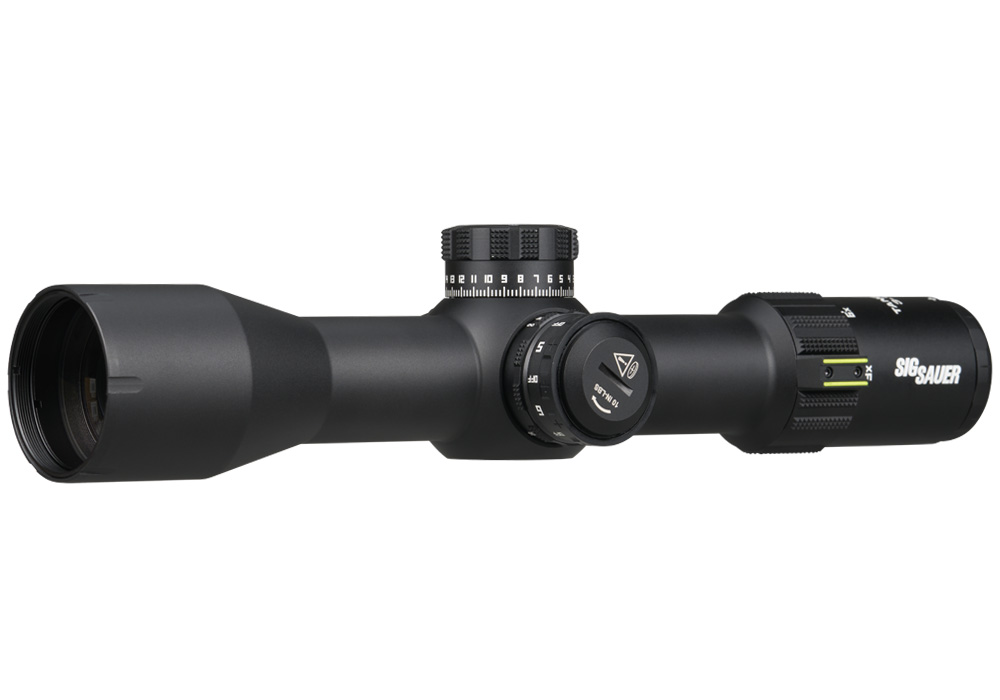
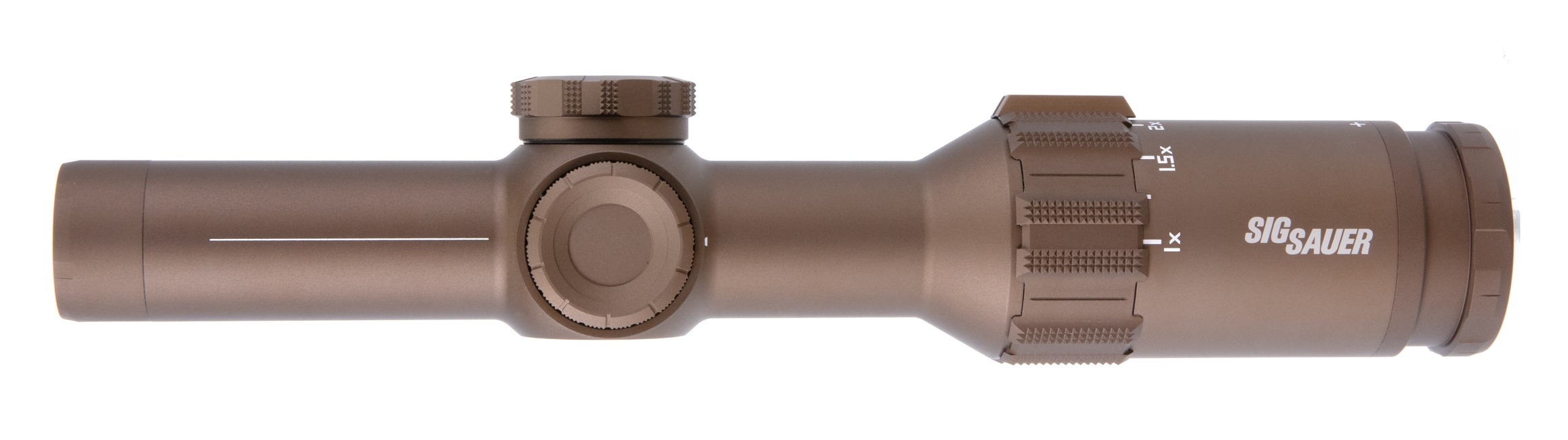
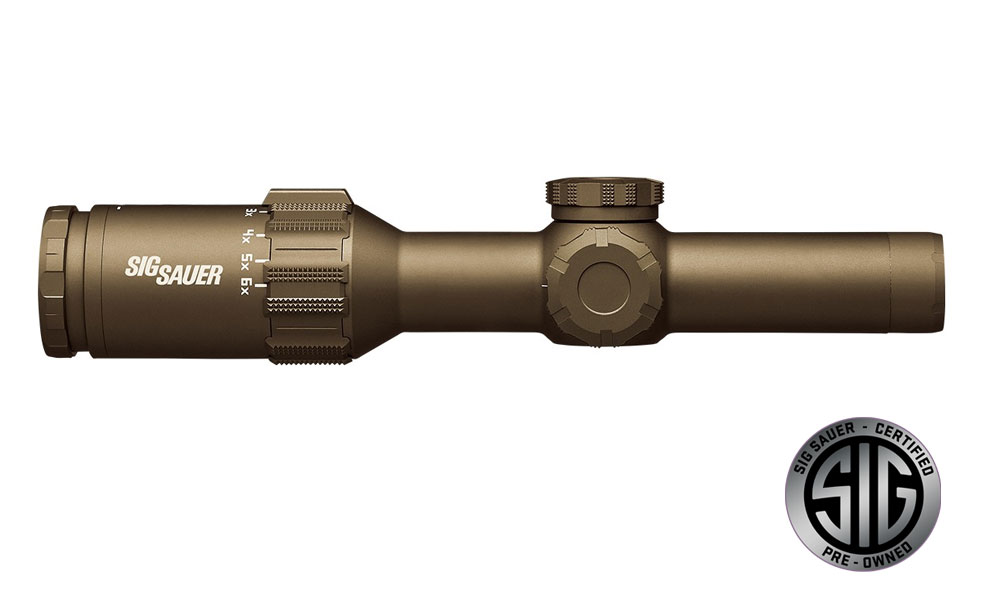
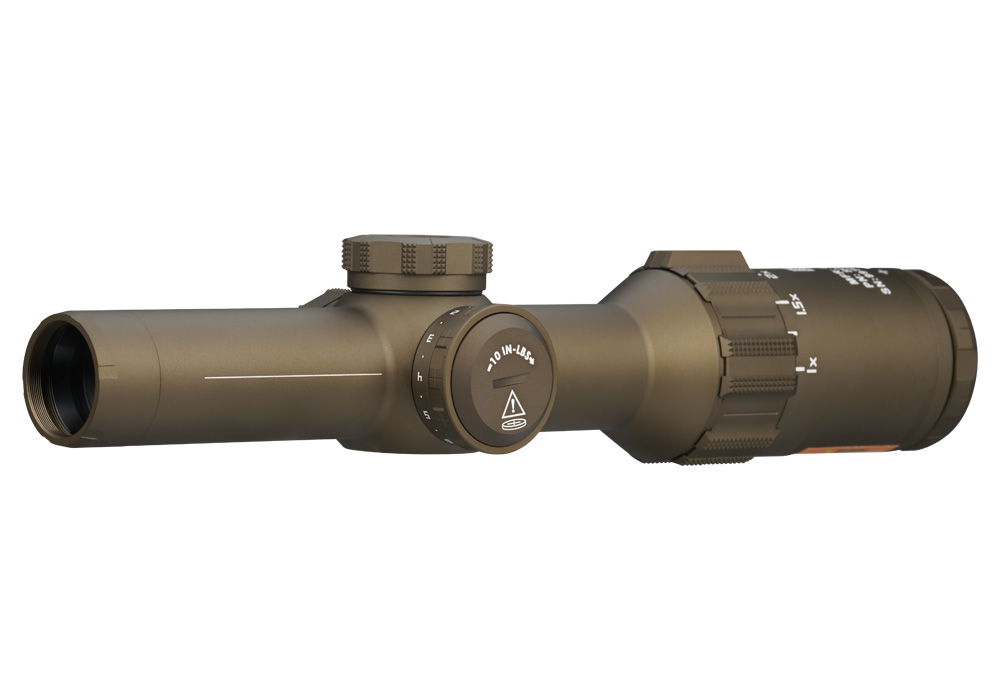
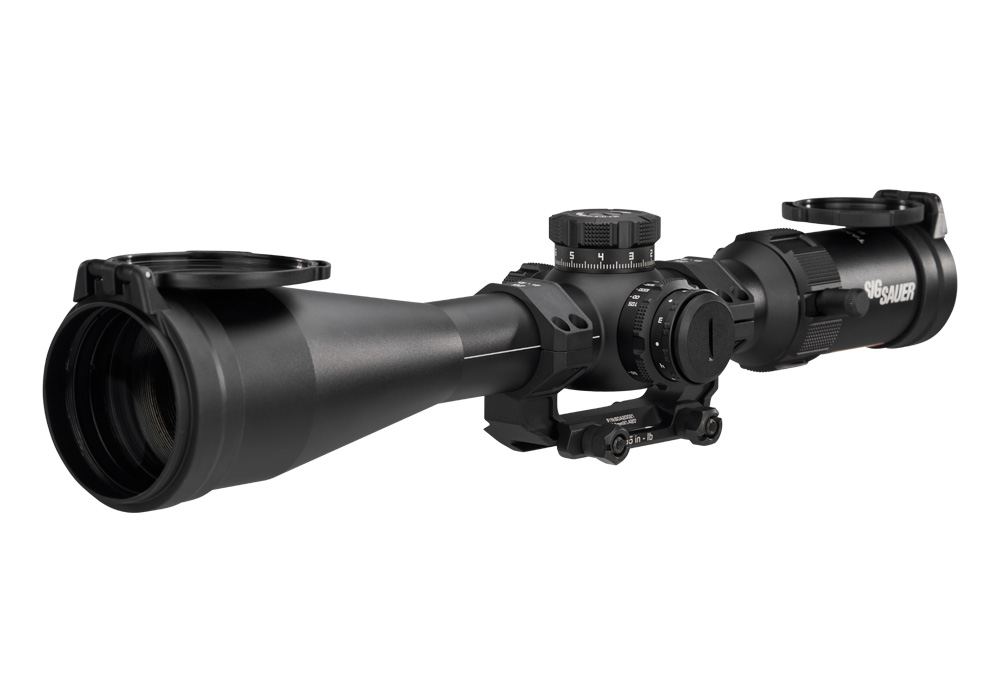
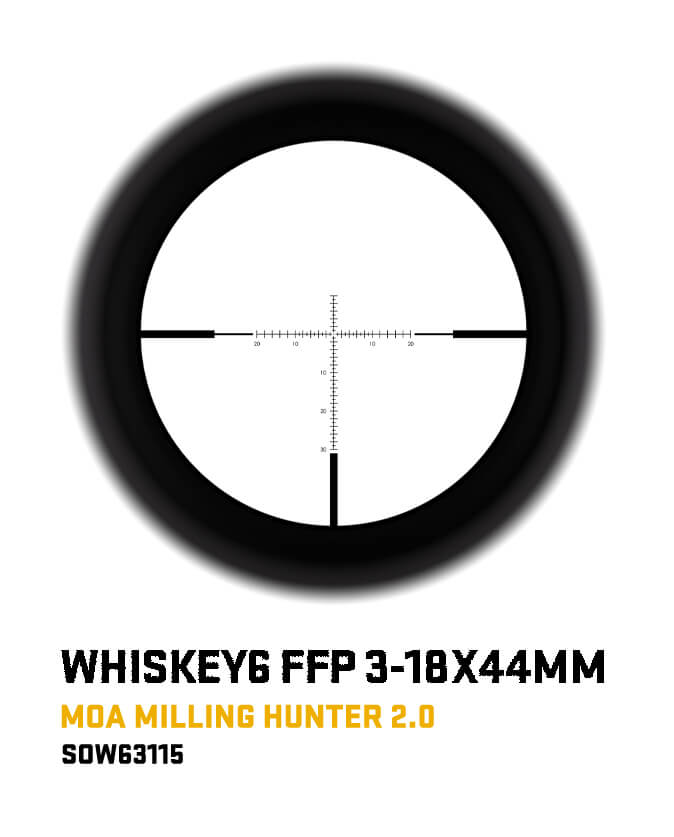
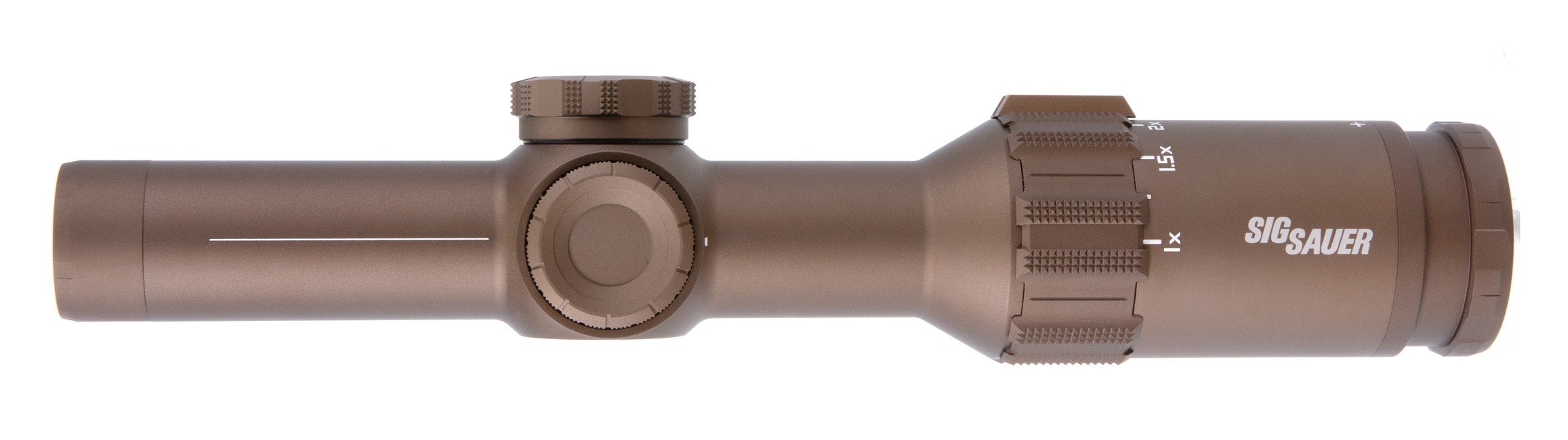
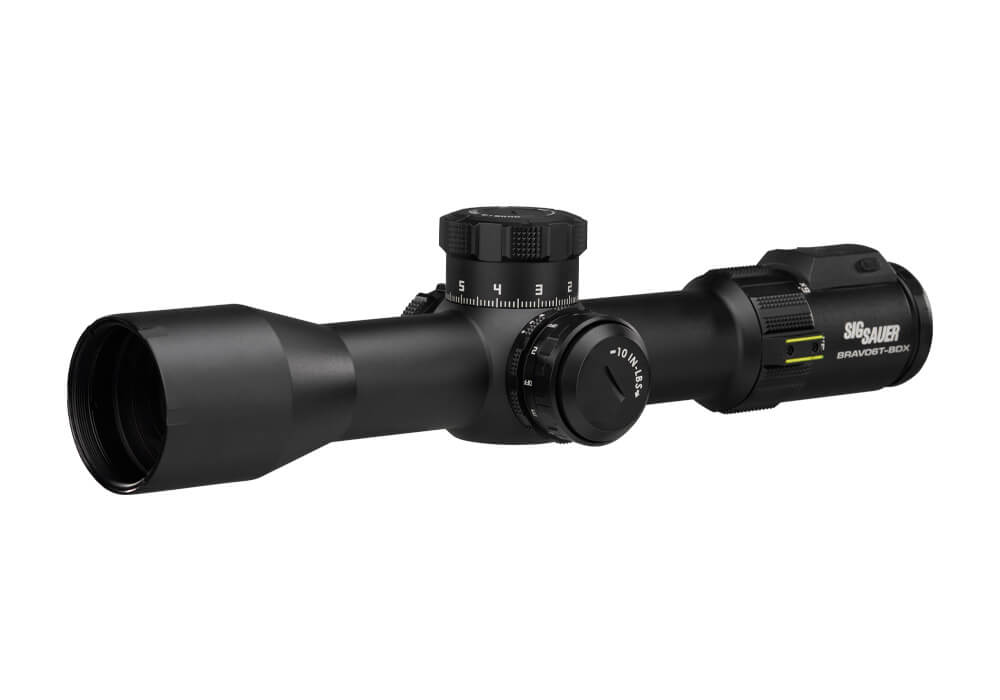
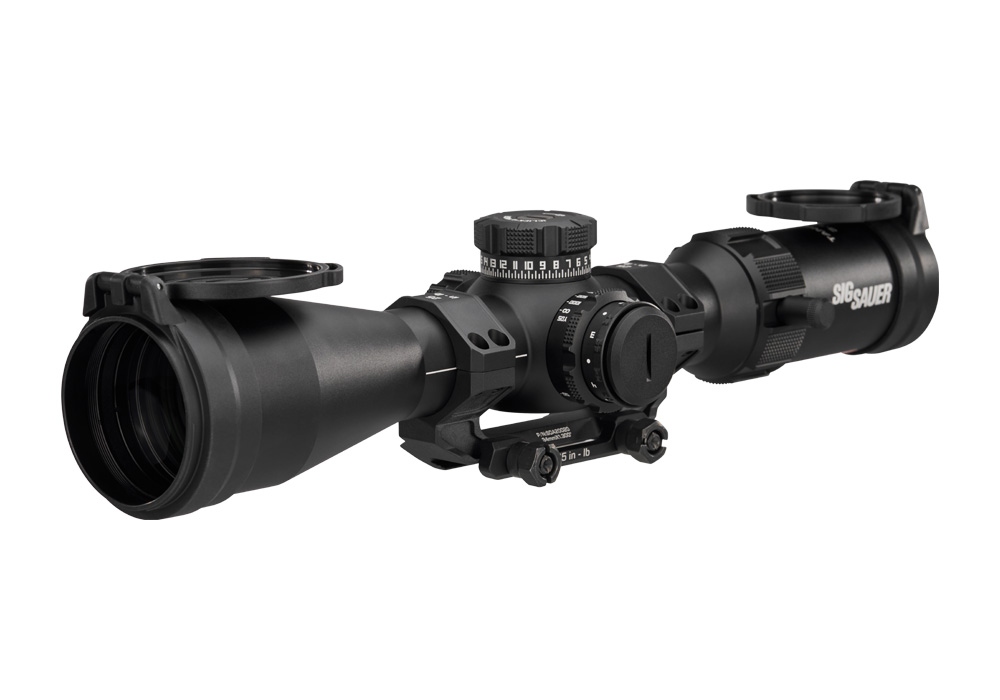
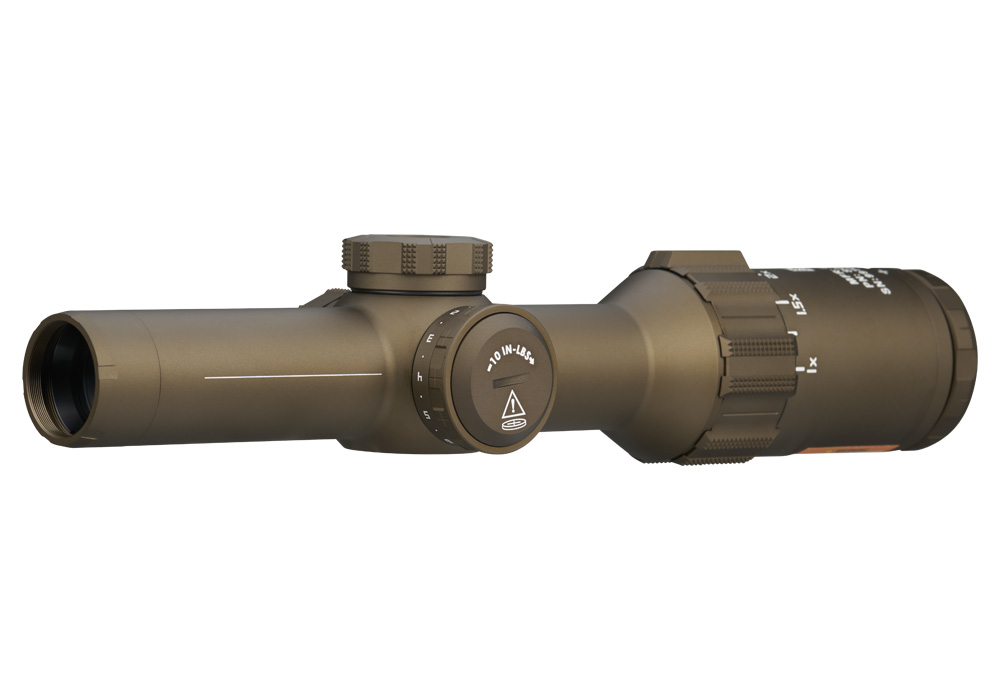
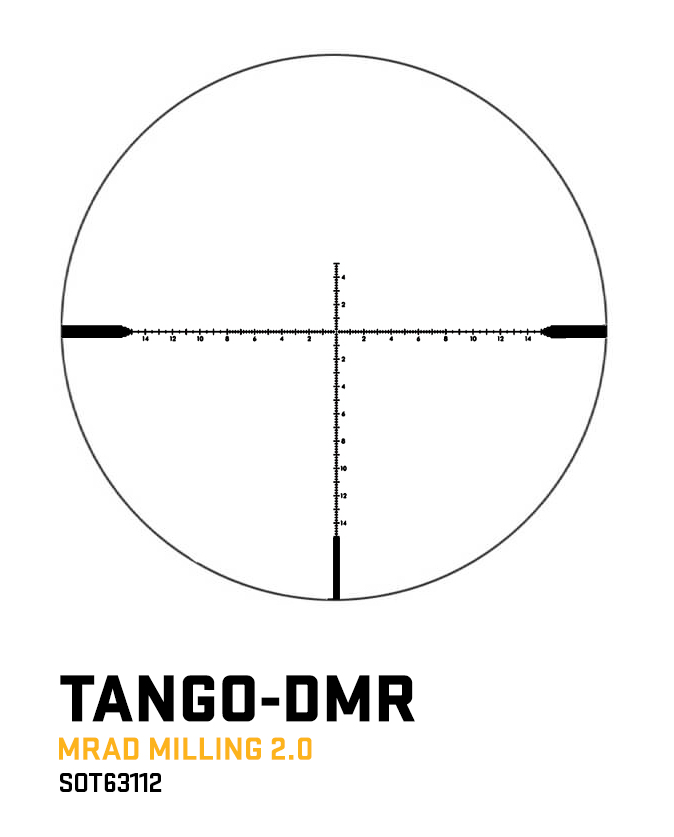
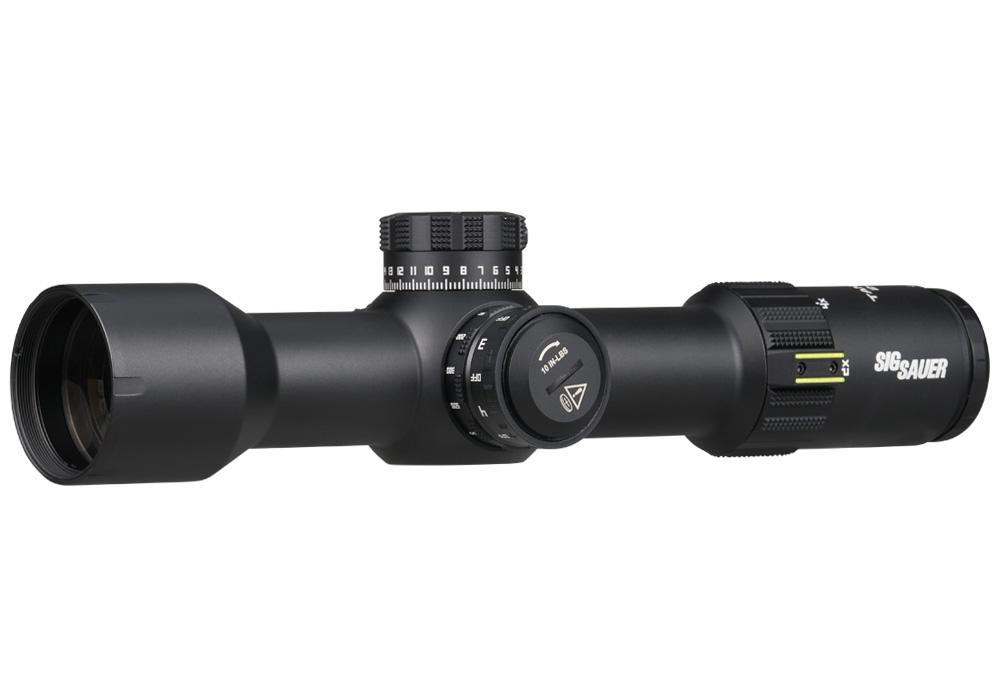
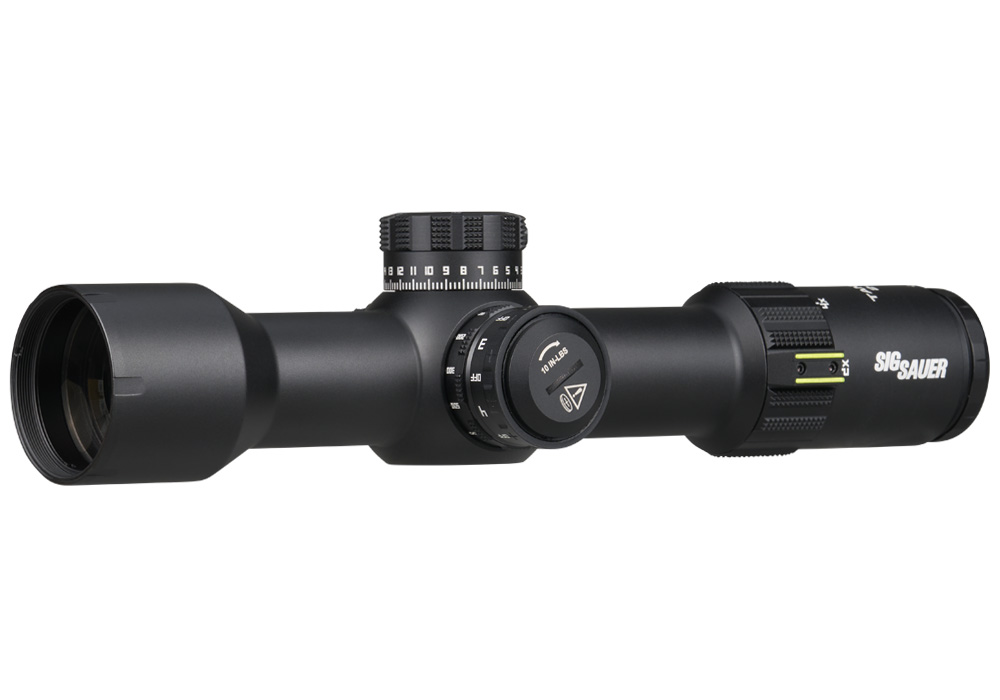
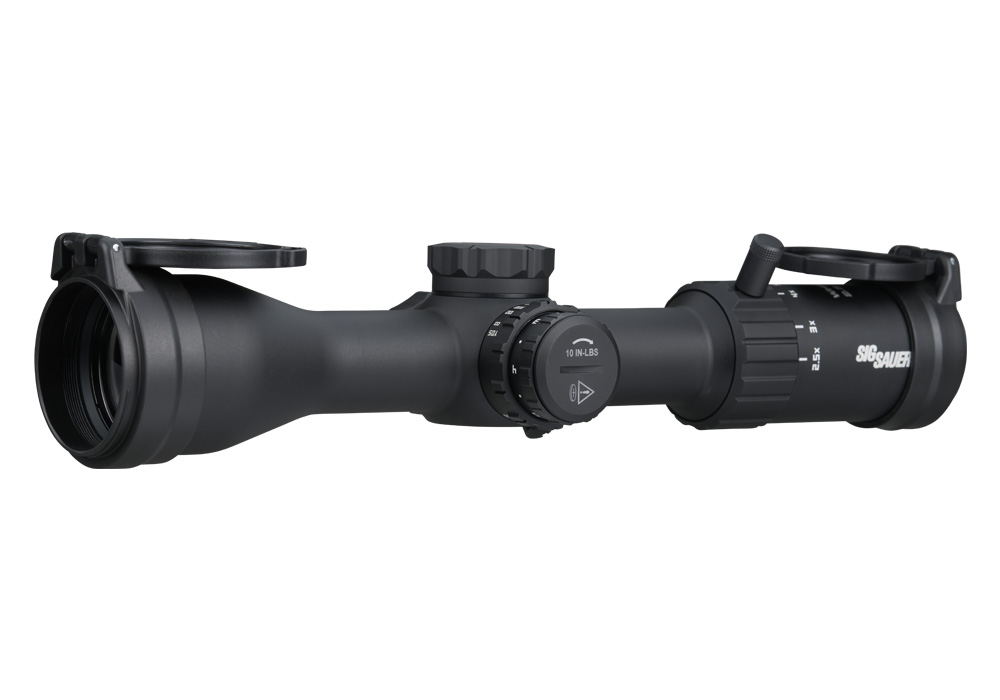
Illuminated FFP MRAD scopes bring together three features that can make a precision optic more adaptable across changing distances, magnification levels, and light conditions. “FFP” stands for first focal plane, meaning the reticle is positioned so its apparent size changes with magnification. The reticle may look finer at lower power and bolder at higher power, but its subtensions remain proportionally accurate throughout the magnification range. That consistency is especially useful when using the reticle for holdovers, ranging references, or quick corrections without dialing every adjustment into the elevation and windage turrets. MRAD, or milliradian, measurements provide a decimal-based angular system commonly used for estimating distance, communicating corrections, and adjusting point of impact. A shooter who understands mil values can make a correction such as 0.2 or 0.5 MRAD and apply it directly through the scope’s reticle or adjustment controls. Illuminated reticles add another layer of versatility by highlighting the aiming point against dark backgrounds, shaded terrain, or the muted colors of dawn and dusk. Illumination is not intended to replace a visible sight picture, and the lowest practical setting is often the best choice because it preserves contrast and helps prevent glare. Together, FFP design, MRAD markings, and adjustable illumination create an optic suited to hunters, precision target shooters, competitive participants, and responsible professionals who need a clear aiming reference across varied conditions. During the cooler months, when legal hunting hours may begin in low light and changing weather can quickly alter visibility, these features can be particularly valuable. They also help on an outdoor range when a bright target is set against a dark berm or when a session stretches from afternoon into evening.
Choosing the right illuminated FFP MRAD scope starts with matching the optic to the rifle, cartridge, distance, and style of shooting. Magnification is one of the most noticeable considerations. A lower minimum power can provide a wider field of view for nearby targets and faster transitions, while a higher maximum power can make small targets and distant aiming points easier to resolve. A broad magnification range offers flexibility, but it may also add weight and length, so balance matters when the rifle will be carried through timber, uneven ground, or a long course of fire. Objective lens diameter influences light transmission, overall profile, and mounting height; a larger objective may support a brighter image at high magnification, but it must be paired with suitable rings and enough clearance from the rifle and accessories. Eye relief, field of view, and forgiving eye position are equally important, particularly on rifles with noticeable recoil or during positions that are less stable than a bench. Examine the reticle design before choosing an optic. A clean center aiming point can be quick to acquire, while a Christmas-tree-style grid may provide additional windage and elevation references for holding corrections. Consider whether the reticle remains easy to read at low power, whether its markings are uncluttered at high power, and whether the illumination settings offer a subtle point for low-light use as well as brighter options for daylight. Turret feel and adjustment values deserve close attention, too. Positive clicks, readable markings, a dependable zeroing system, and a return-to-zero or zero-stop feature can simplify repeated transitions between distances. Parallax adjustment is another helpful feature for precision work, allowing the shooter to minimize apparent reticle movement in relation to the target when the sight picture is carefully aligned. Battery access, control placement, weather resistance, lens coatings, and overall weight round out the practical details that often matter after the first trip to the range. A well-matched scope should complement the rifle rather than make it cumbersome, and it should offer controls that can be used deliberately with cold hands, gloves, or limited light.
An illuminated FFP MRAD scope can be a thoughtful gift for an experienced shooter who is refining a rifle setup, preparing for a long-range course, or spending more time at an outdoor range during the cooler seasons. It may also suit a hunter who values a consistent reticle across magnification settings and wants a visible aiming reference when the landscape is dim but legal shooting light remains. For a gift, confirm the recipient’s rifle platform, mounting requirements, preferred MRAD or MOA measurement system, and intended distance before making a selection; an optic with impressive specifications is not a good match if its reticle language or mounting dimensions do not fit the rest of the setup. Shooters who work in a more equipment-focused environment may also appreciate browsing complementary categories such as FDE Illuminated Tactical Scopes when color, configuration, and low-light aiming features are part of the planned rifle build. Once installed, any scope should be mounted securely, leveled carefully, and confirmed at the range with the intended ammunition. Spend time learning the illumination controls, magnification ring, parallax adjustment, and turret direction before relying on them in the field. Confirm the zero at a known distance, record the rifle’s data, and practice using both dialing and reticle holds so corrections become familiar rather than hurried. Good glass and advanced controls cannot replace a stable position, sound fundamentals, or careful target identification, but the right illuminated FFP MRAD scope can make those fundamentals easier to apply. Whether it is selected for a compact hunting rifle, a precision-oriented range setup, or a versatile platform used across several distances, this optic category offers a clear blend of repeatable measurements, adaptable magnification, and a reticle that remains useful as conditions change.