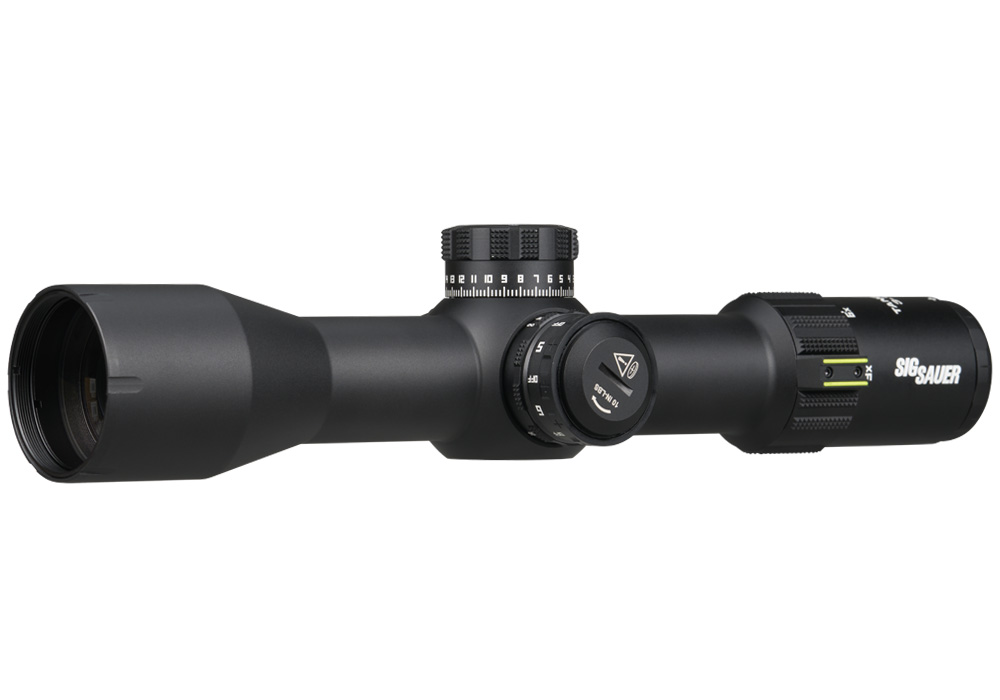
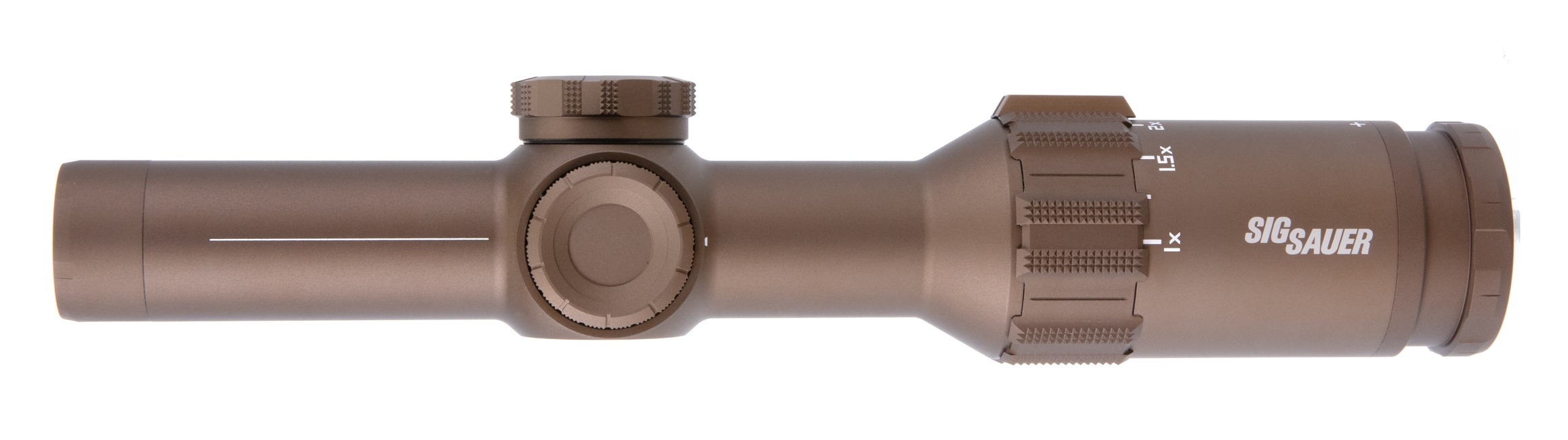
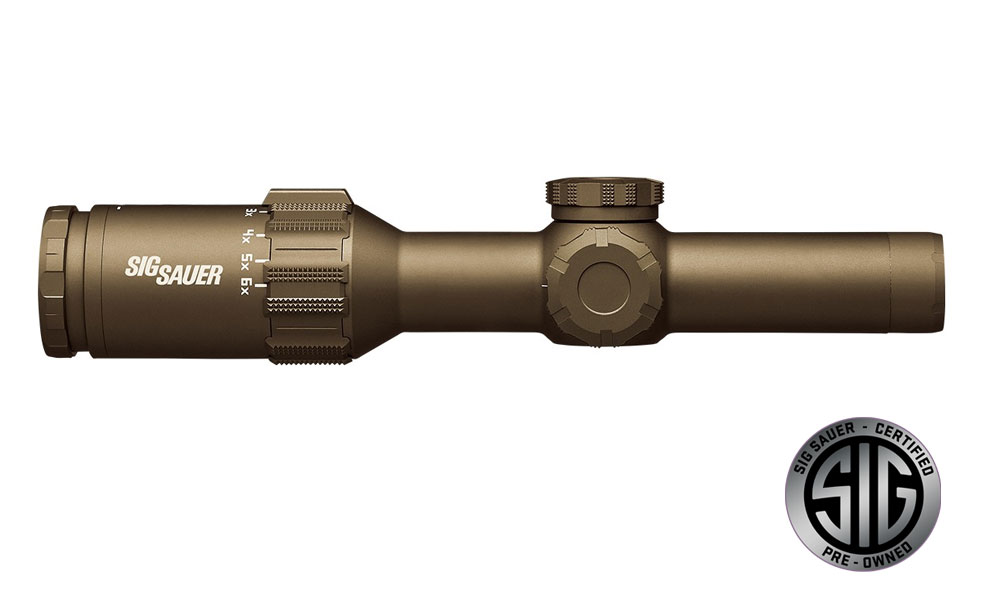
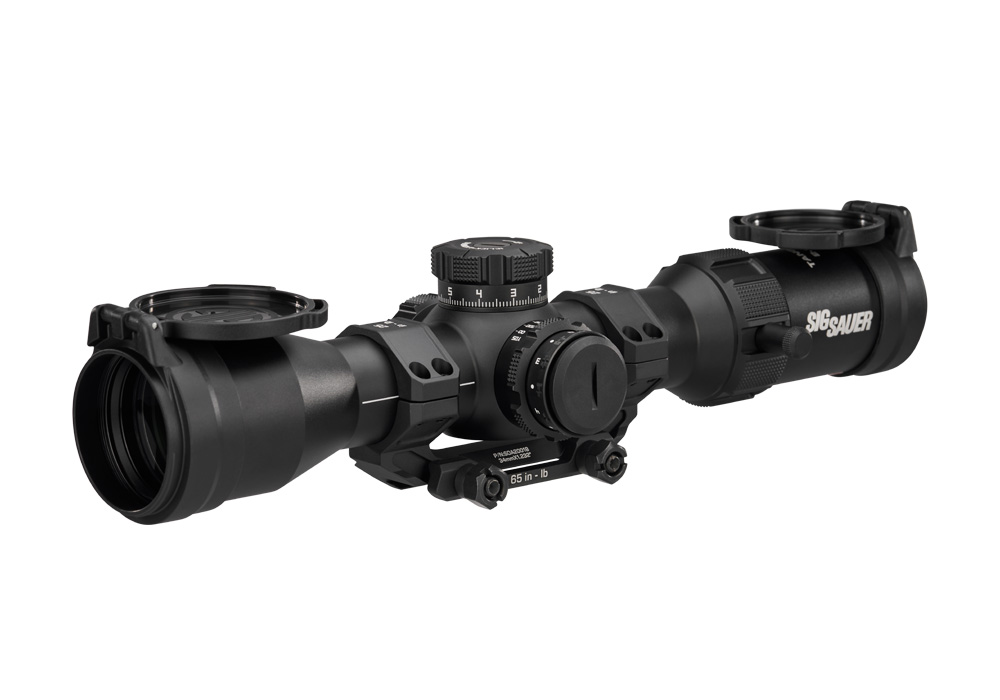
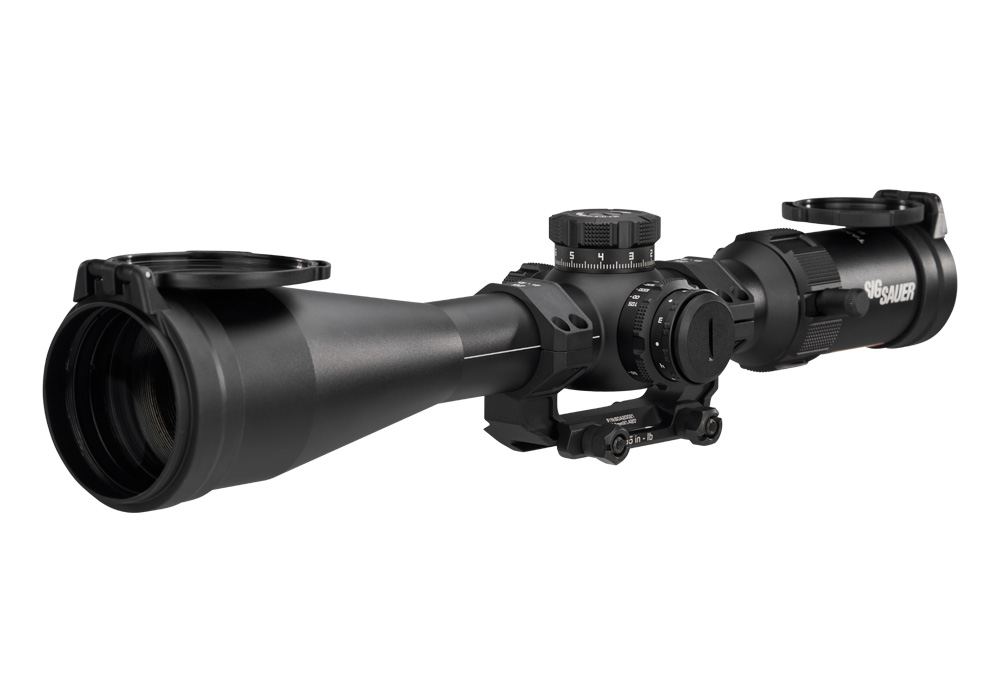
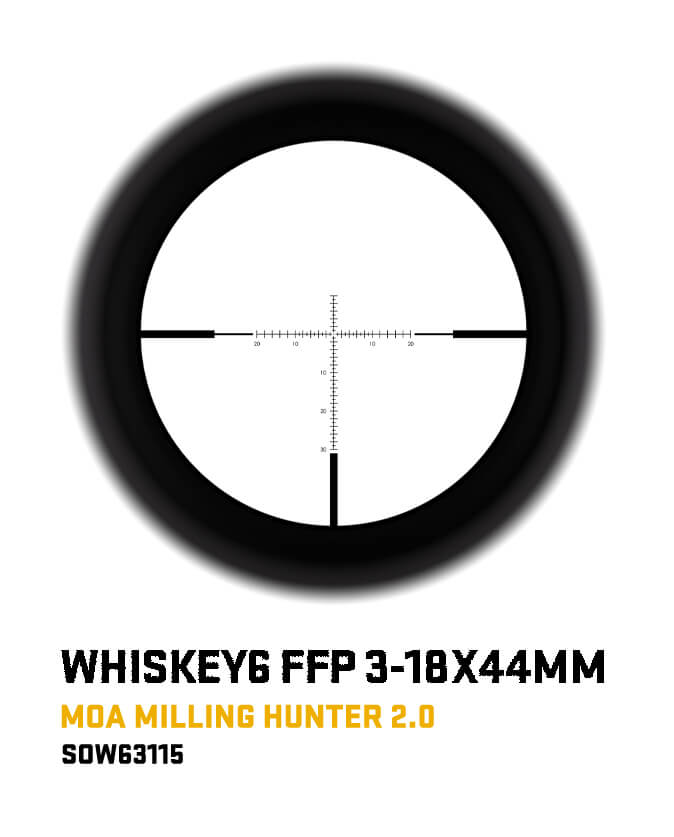
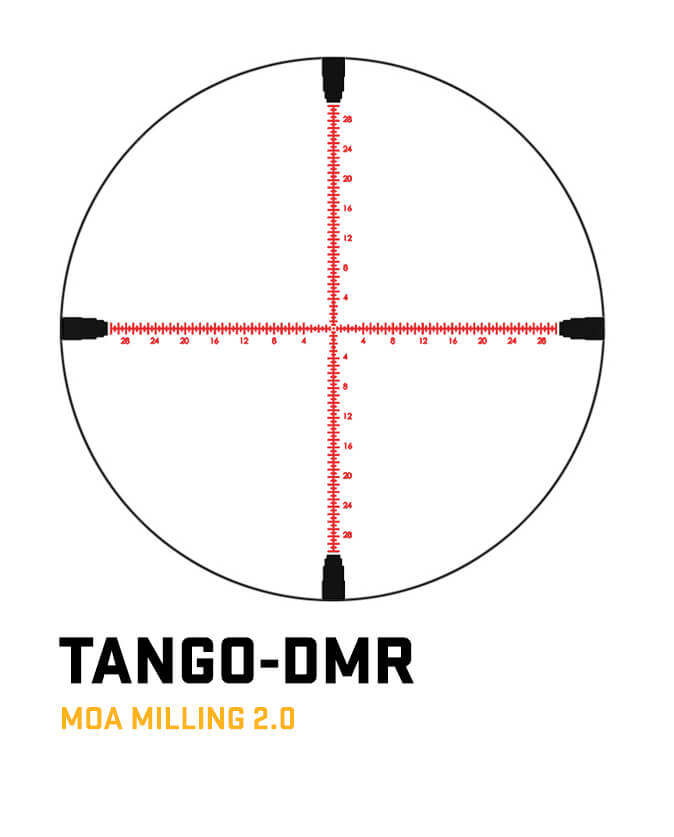
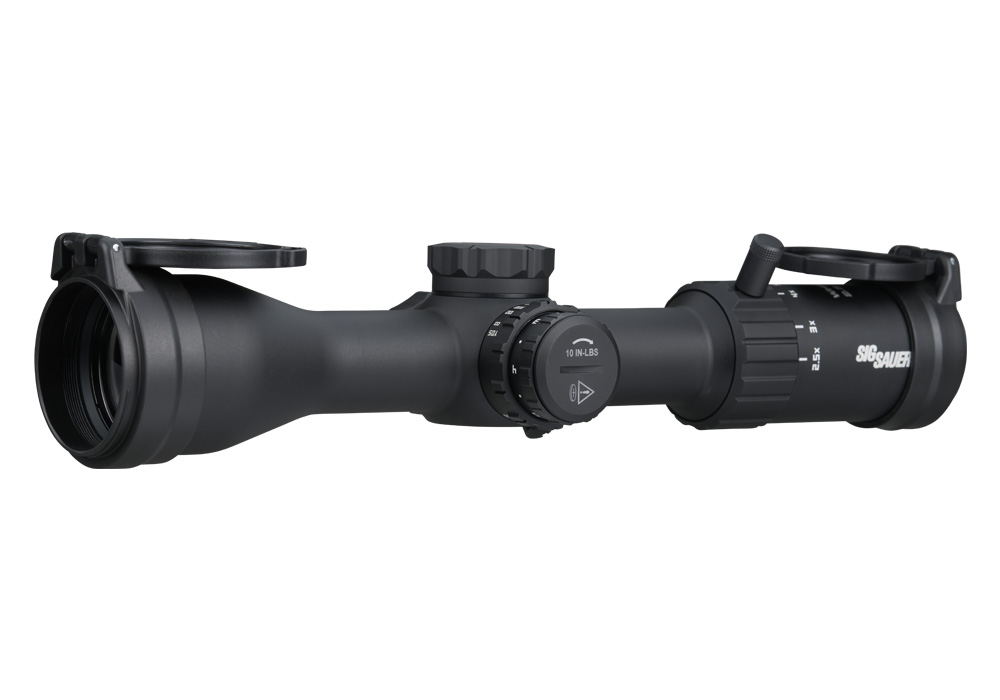
Illuminated FFP MOA scopes combine three useful features for shooters who need a reticle that remains dependable across changing magnification, a measurement system familiar to many precision shooters, and added contrast when the background becomes dark or uneven. In a first focal plane design, the reticle is positioned in front of the magnifying assembly, so its size appears to grow or shrink with the image as magnification changes. The relationship between the reticle and the target remains consistent throughout the scope’s power range, allowing the MOA subtensions to serve as reliable references at low, medium, or maximum magnification. MOA, or Minute of Angle, is an angular measurement used to describe adjustments and hold points; one MOA corresponds to approximately 1.047 inches at 100 yards, with the value increasing proportionally as distance increases. That makes an illuminated FFP MOA scope useful for dialing elevation and windage, holding over a distant target, or correcting for changing conditions without having to remember a different reticle scale for every magnification setting. Illumination can highlight the center aiming point or a portion of the reticle against shaded terrain, a dark target, or a background of brush and timber. It is not intended to replace a visible reticle in bright daylight, and the best results come from selecting the lowest brightness that provides contrast without washing out the target. A rheostat, push-button, or digital brightness control can make these adjustments easier when light changes quickly, such as when a clear sight picture gives way to a shaded hillside during the cooler months.
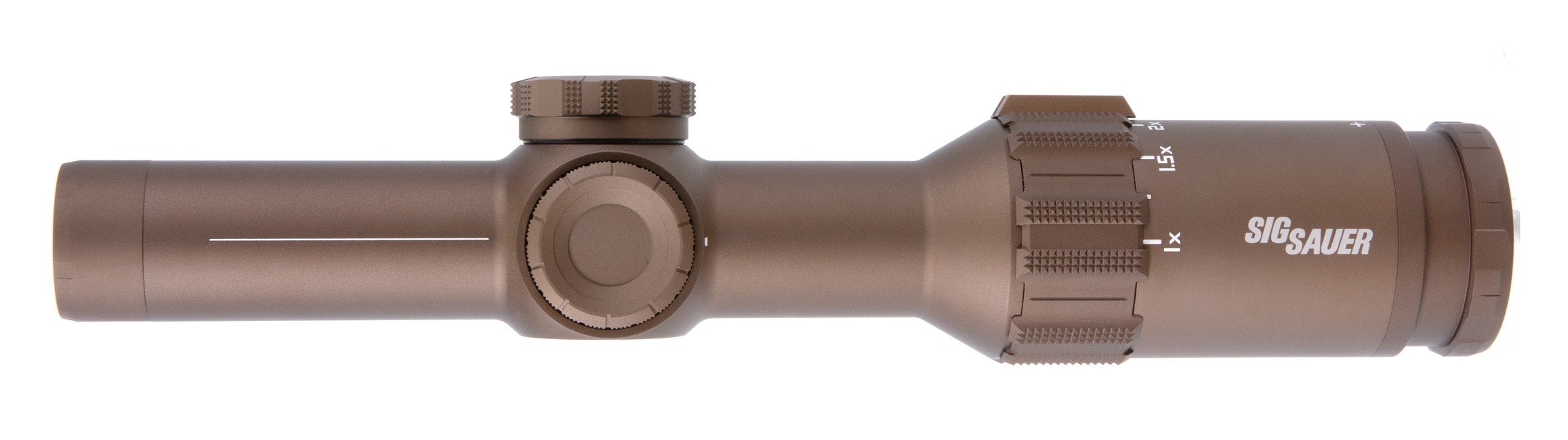
When comparing illuminated FFP MOA scopes, start with the way the optic will be used and the distances that matter most. A broad magnification range can support close observation and precise aiming at extended distances, while a more moderate range may offer a wider field of view, faster target acquisition, and a lighter overall setup. Magnification is only one part of the equation. Consider objective lens diameter, optical clarity, eye relief, exit pupil, parallax adjustment, turret design, reticle layout, and the size and weight of the completed rifle. A larger objective may gather more available light, but it can also require taller mounting hardware and add bulk. Generous eye relief helps establish a comfortable sight picture and provides valuable clearance on rifles with noticeable recoil. Adjustable parallax can sharpen the target and reduce apparent reticle movement when the shooter’s eye is not perfectly centered, particularly at longer distances. MOA turrets should correspond logically with the reticle’s subtensions, and clearly marked, repeatable controls make it easier to return to a known zero after a correction. It is also worth checking adjustment range, turret lock or zero-stop features, reticle visibility with illumination switched off, and battery access. A scope that works well in a careful bench session should also be manageable when wearing gloves, moving between shade and sunlight, or setting up from a field position. Mounting height matters as well: the optic should sit securely while allowing a natural cheek weld, unobstructed bolt or charging-handle operation, and enough clearance between the objective bell and the rifle. For rifles that may see damp grass, mist, or sudden temperature changes, explore weather-resistant construction and consider Fog Proof Illuminated Rifle Scopes for additional viewing confidence in conditions where internal fogging can interrupt a clear sight picture.
These scopes can suit a range of applications, including long-range target practice, precision rifle competitions, varmint control where lawful, and hunting in open country or along timber edges. A hunter may use lower magnification while moving through dense cover, then increase power after settling into a stable position across a field. A target shooter may use the reticle’s MOA references to record elevation holds, estimate a correction for wind, and return to the same aiming point at different distances. For general rifle use, an illuminated FFP MOA scope offers a flexible balance between a structured aiming system and a reticle that remains useful across the entire power range. It can also be a thoughtful gift for an experienced shooter who already has a suitable rifle and mounting system but wants more precise control over distance and environmental corrections. Before choosing one as a gift, confirm the recipient’s preferred measurement system, rifle platform, rail configuration, typical shooting distance, and desired magnification; an optic is highly personal, and the right fit depends on both the shooter and the rifle. During late summer and into the cooler months, changing light around dawn and dusk can make illumination especially helpful, but battery life and brightness discipline remain important. Store spare batteries where they are protected from moisture, verify that the reticle is crisp at the intended distance, and practice making turret or holdover corrections before relying on the setup in the field. Careful selection, secure mounting, and a repeatable zero allow an illuminated FFP MOA scope to become a natural part of the rifle rather than an added complication, giving the shooter a clear aiming reference and consistent MOA information whenever the target, distance, or light begins to change.