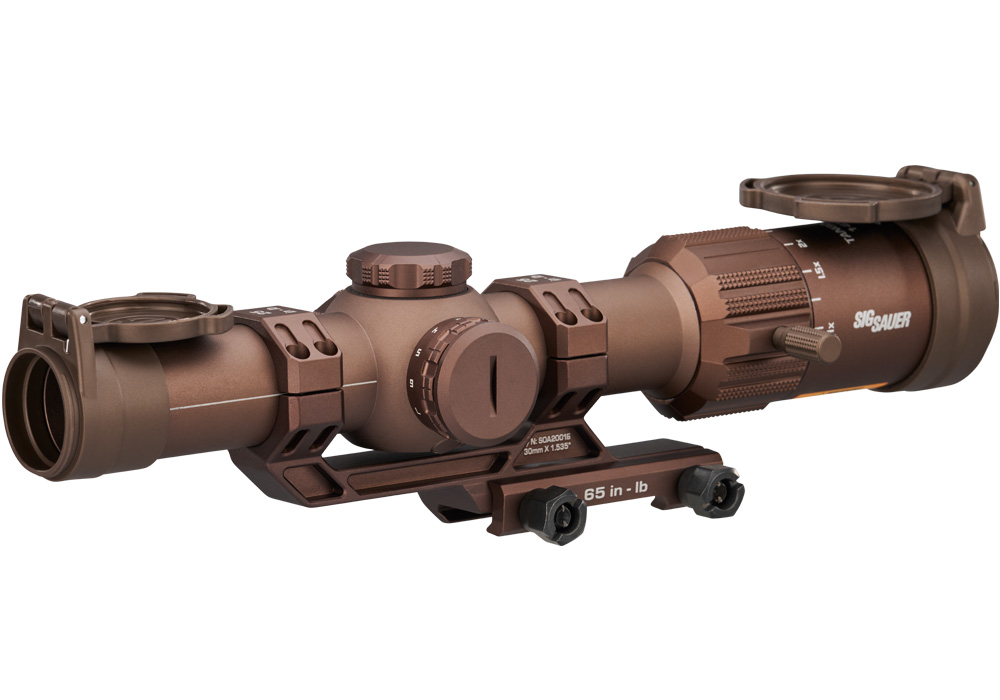
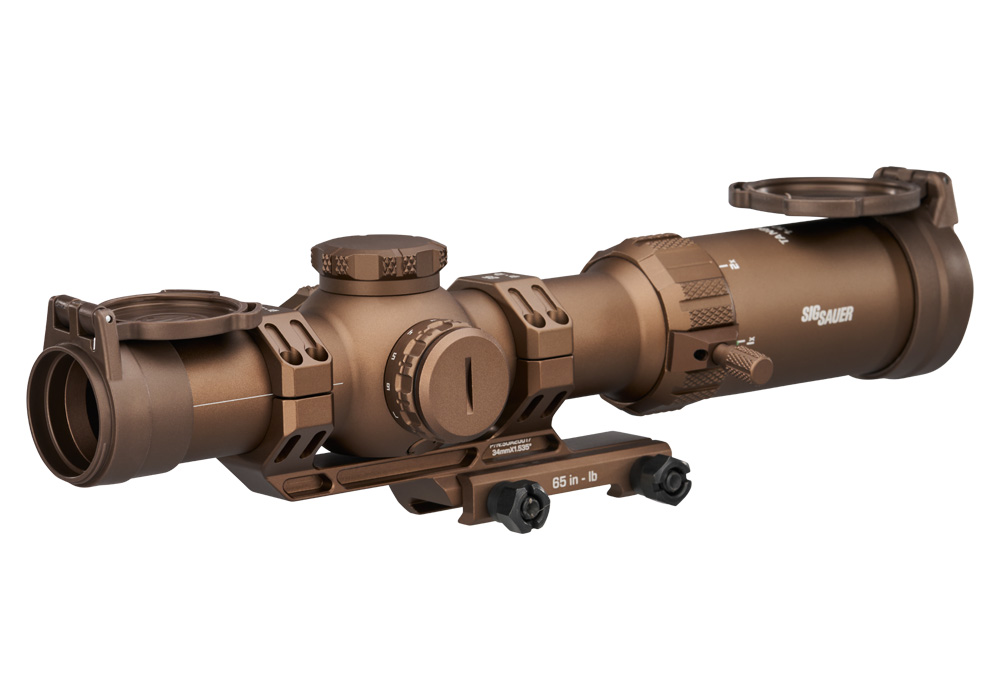
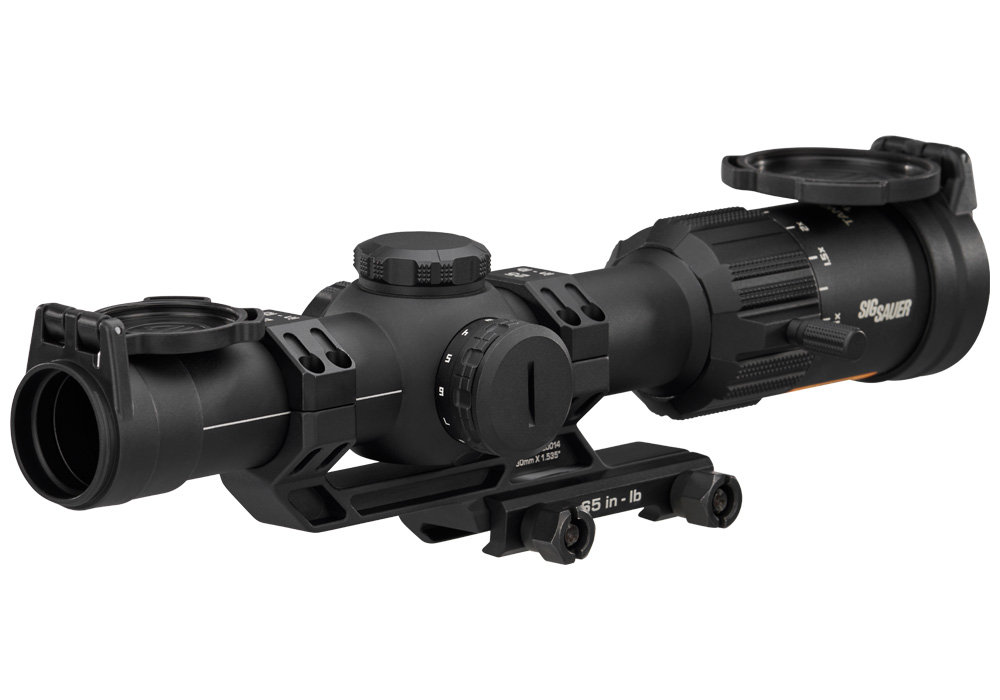
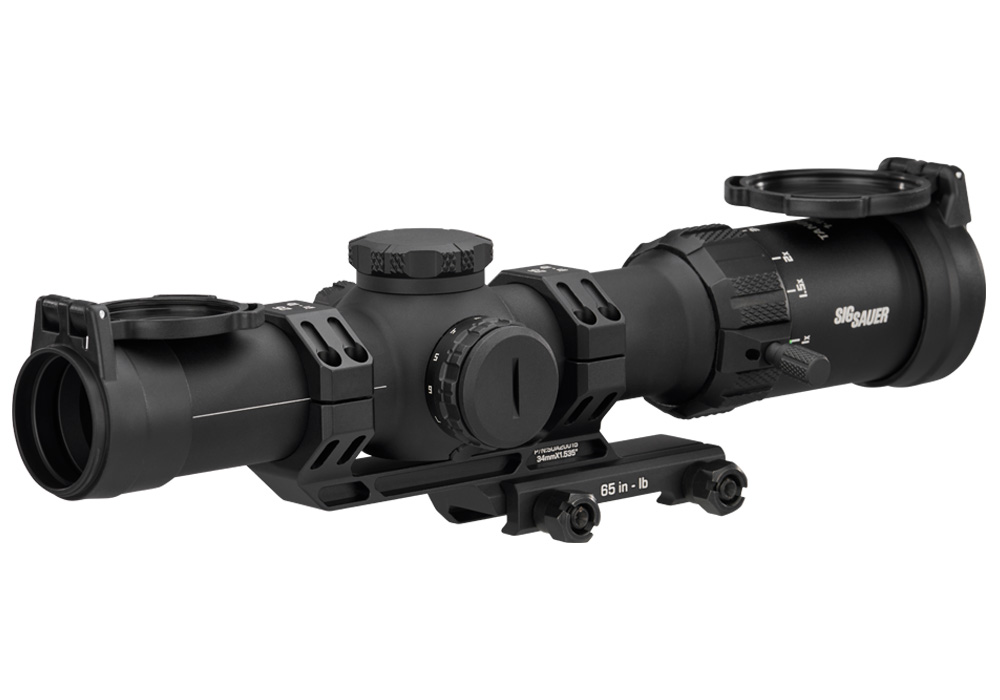
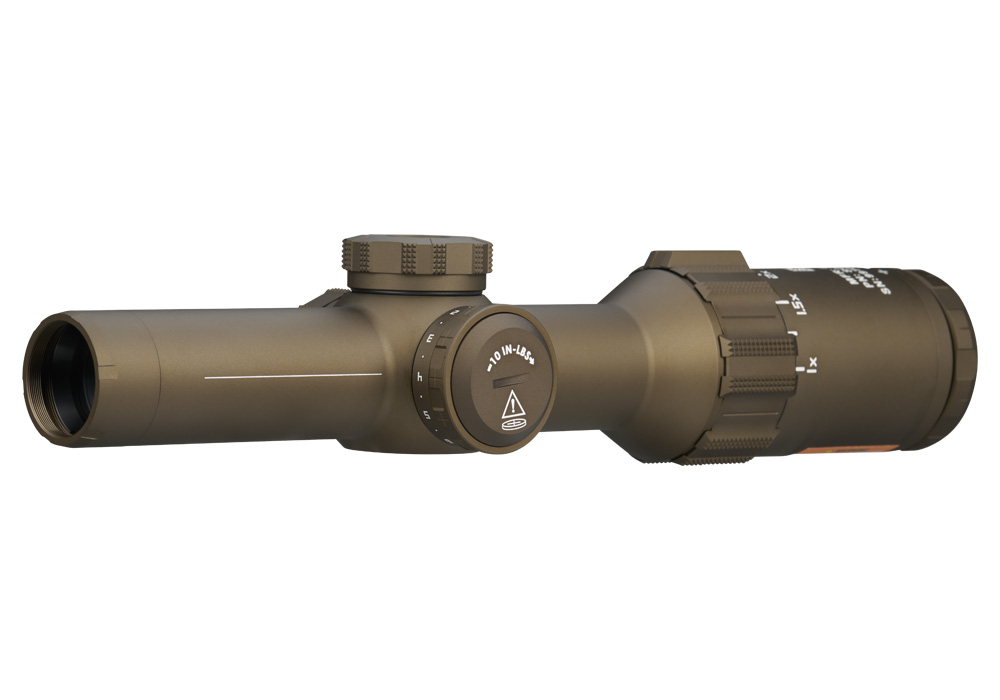
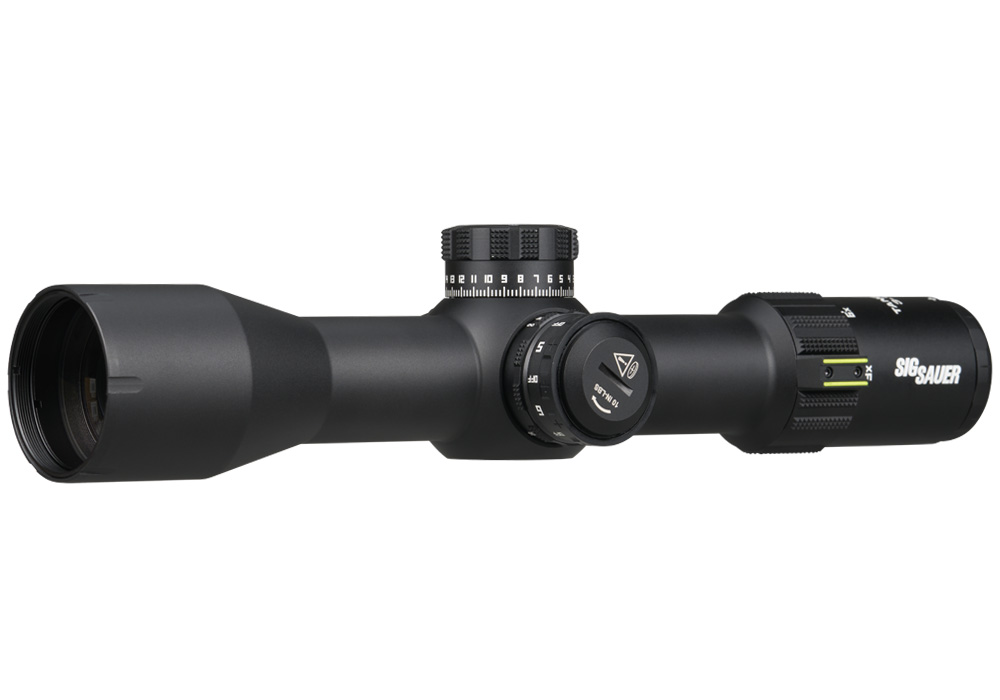
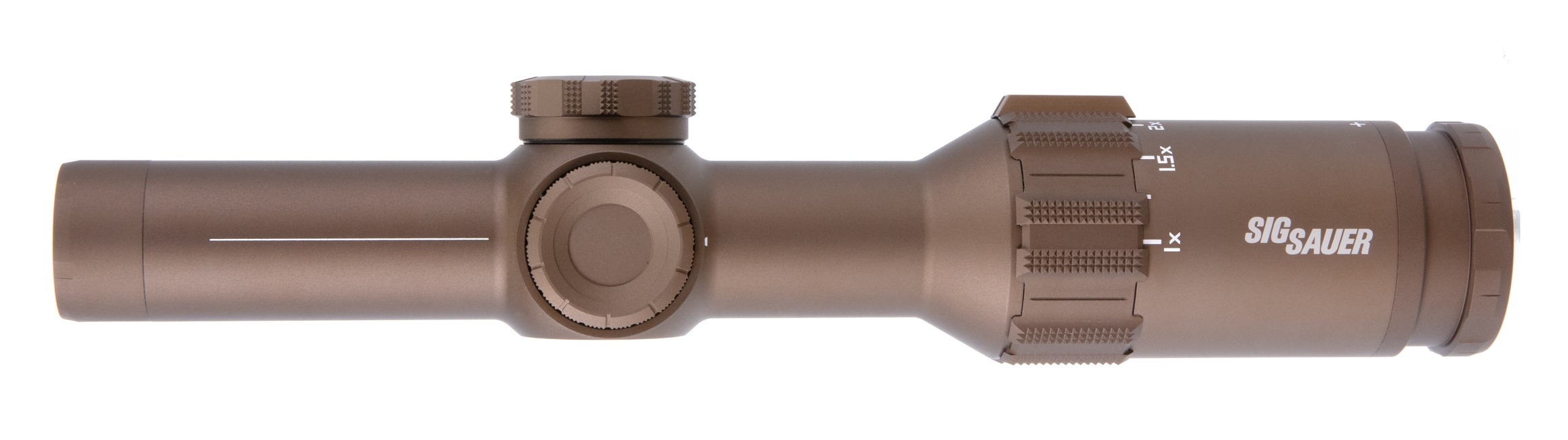
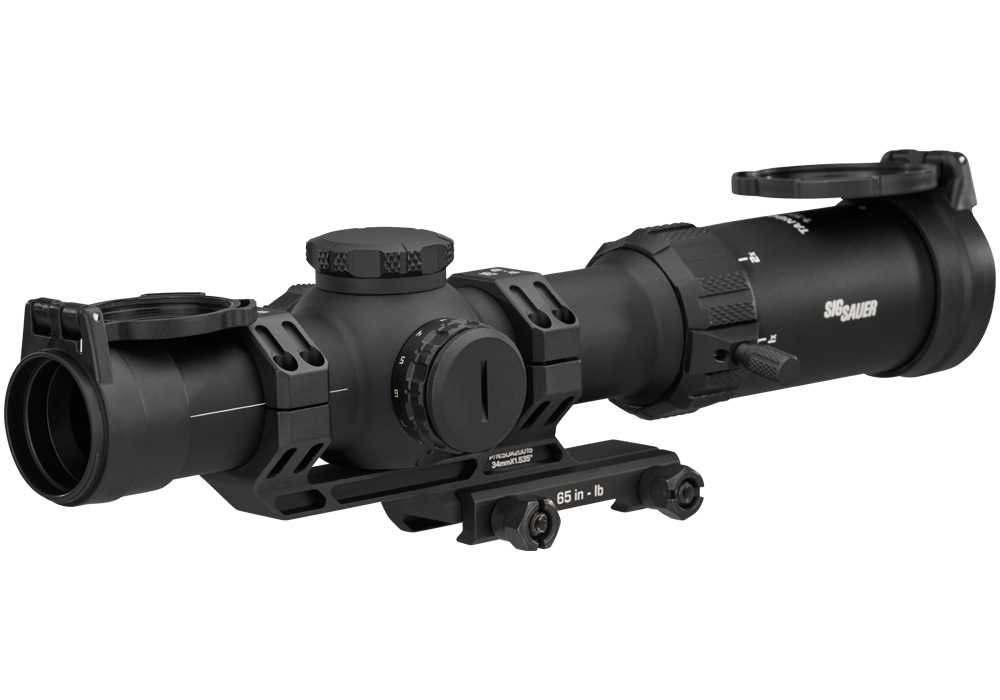
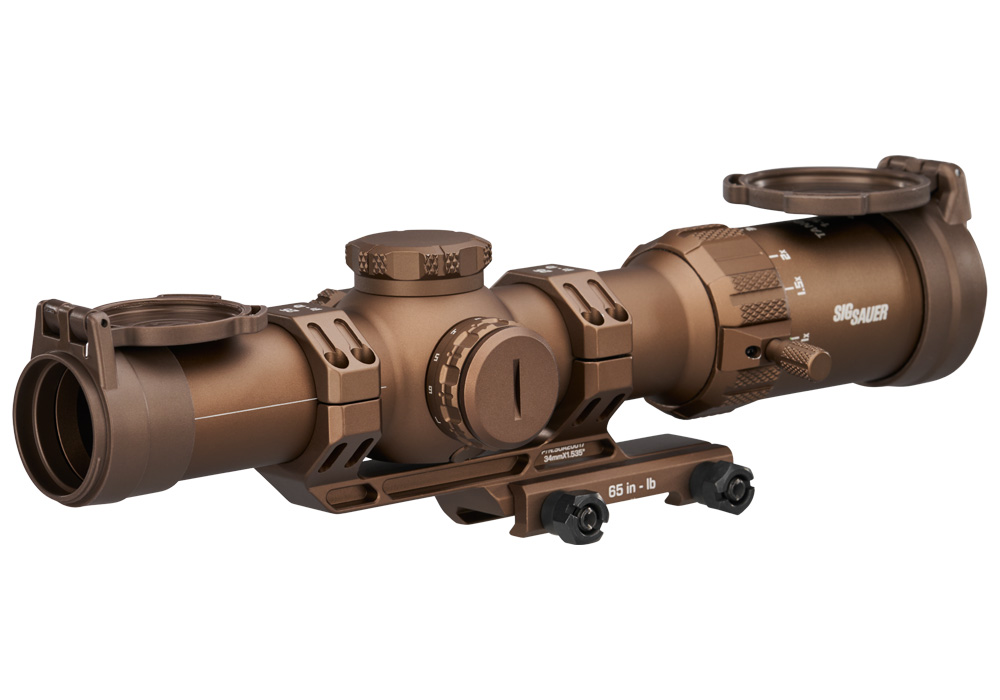
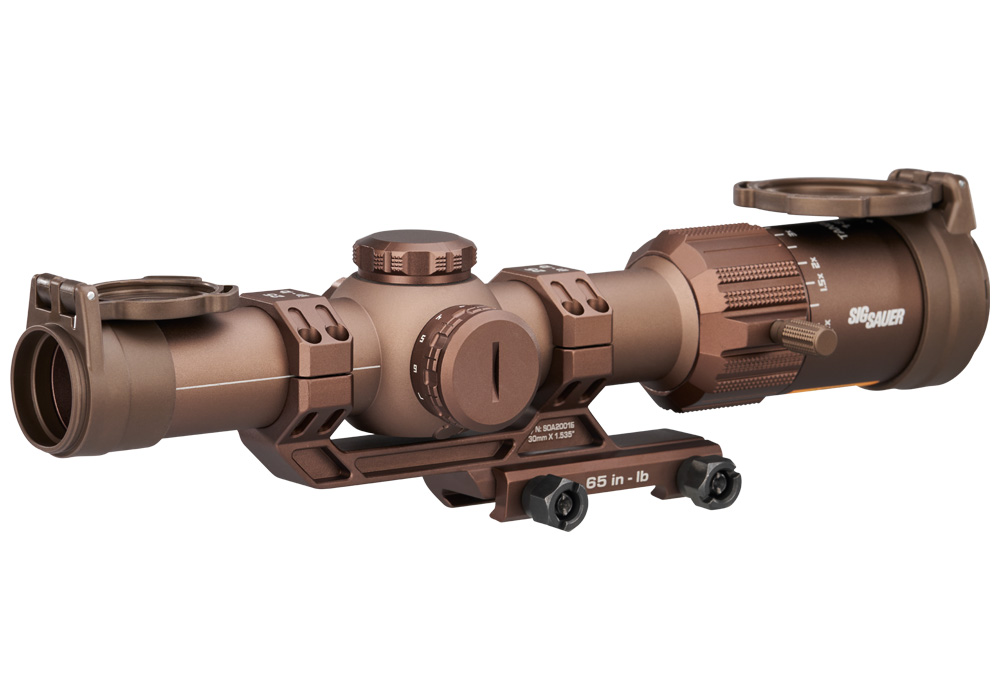
FDE illuminated tactical scopes combine a subdued Flat Dark Earth finish with a reticle designed to remain visible when daylight fades, making them a practical choice for rifles used in changing light and demanding environments. The earth-toned exterior has a low-reflective appearance that pairs naturally with other desert, tan, brown, and neutral equipment, while illuminated aiming elements can improve contrast against dark targets, shaded backdrops, and uneven terrain. Illumination is not intended to replace a clear view through the optic; instead, it helps the central aiming point stand out when a traditional black reticle begins to blend into the background. This can be especially useful during early-morning range sessions, overcast afternoons, wooded sight lines, or the last usable light of the day. Depending on the design, illumination may be controlled through a dial, push-button system, or digital interface, with multiple brightness settings for adapting to bright sun, deep shade, and low-light conditions. A daylight-bright setting can be helpful when moving between open ground and cover, while a subdued setting may preserve the shooter’s vision in darker surroundings. When comparing FDE illuminated tactical scopes, start with the rifle’s intended role and the distances most commonly encountered. A lower-power variable optic can offer a broad field of view and fast target acquisition for close to intermediate distances, while a scope with a greater magnification range may better suit deliberate shooting at extended distances. First-focal-plane reticles keep their subtensions consistent relative to the target as magnification changes, which can simplify holdovers and range estimation across the optic’s full power range. Second-focal-plane reticles remain the same apparent size, often giving a bold, easy-to-see aiming pattern at lower magnification, though the marked subtensions are generally calibrated for a specific power setting. Neither layout is universally correct; the better fit depends on how quickly the shooter needs to engage, how often magnification changes, and whether the reticle’s ranging features are used during a shot.
Construction and controls deserve equal attention. A tactical scope should be built to maintain its zero through normal recoil, transport, repeated mounting, and the occasional bump against a barricade or gear case. Look for a sealed housing with dependable water resistance, fog resistance, and shock-resistant construction when the optic may be exposed to rain, dust, temperature changes, or rough field conditions. A crisp, forgiving eye box can make the scope easier to use from imperfect shooting positions, particularly when wearing layers during cooler weather or working around a pack, sling, or other equipment. Turret design also affects the experience at the range and in the field. Exposed adjustment turrets can provide quick access for dialing elevation or windage, while capped turrets help protect settings from accidental movement during transport. Zero-stop systems can make it easier to return to a known zero after dialing adjustments, and tactile, audible clicks help the shooter track changes without taking attention away from the target. Magnification rings should turn smoothly without excessive play, and a throw lever or textured control can be valuable when rapid changes are part of the setup. Before purchasing, confirm the scope’s tube diameter, mounting height, overall length, and eye-relief requirements against the rifle and rings or mount being used. Proper clearance over the receiver, handguard, and backup sights prevents installation surprises, while an appropriate mounting height supports a comfortable cheek weld. After mounting, tighten fasteners according to the manufacturer’s specifications, level the optic carefully, and confirm that the reticle tracks consistently. A careful zeroing session should include the chosen ammunition, a stable rest, and enough time to verify both the initial zero and any elevation or windage adjustments. Battery access is another practical consideration: illuminated models should use commonly available batteries when possible, offer positive control settings, and include a method for preventing accidental activation in a case or safe. Keeping a spare battery with range equipment is a simple habit that avoids losing illumination when it matters most.
These scopes may appeal to recreational rifle shooters, hunters who spend time in variable light, competitors building a versatile match setup, and professionals selecting equipment for training or duty-oriented applications where permitted by law and policy. They can also be a thoughtful gift for an experienced rifle owner, provided the recipient’s rifle configuration, mounting system, preferred magnification, and reticle preferences are known. An optic is a personal part of a rifle, and a well-intended gift is most useful when it matches the intended platform rather than simply offering the greatest magnification or the most elaborate feature set. For a shooter who spends long days moving between benches, vehicles, and field positions, a moderate-size optic with practical controls may be more comfortable than a larger design that adds unnecessary weight. For precision-focused use, fine adjustment controls, a repeatable zero, a detailed reticle, and strong glass quality may take priority over compact dimensions. For general-purpose use, a generous field of view, forgiving eye relief, and an illuminated center aiming point can make the optic approachable and effective across a wider range of conditions. The FDE finish can also help create a cohesive setup when paired with a rifle, mount, sling, case, or other accessories in complementary earth tones. Shooters looking for a broader selection of similarly styled optics can also explore FDE Military Style Rifle Scopes while comparing finishes, magnification ranges, reticle layouts, and control configurations. During the cooler months, clear lenses, reliable sealing, and smooth adjustments become especially valuable as equipment moves between warm vehicles, cold outdoor air, and damp morning conditions. A lens cloth, protective covers, fresh batteries, and a secure case help preserve performance between outings. As with any firearm accessory, the scope should be selected and used responsibly, installed on a compatible rifle, and handled in accordance with applicable laws, range rules, and safe firearm practices. With the right combination of magnification, illumination, durability, and mounting compatibility, an FDE illuminated tactical scope can provide a dependable aiming solution that feels natural on the rifle and remains useful from bright open terrain to shadowed, low-light environments.