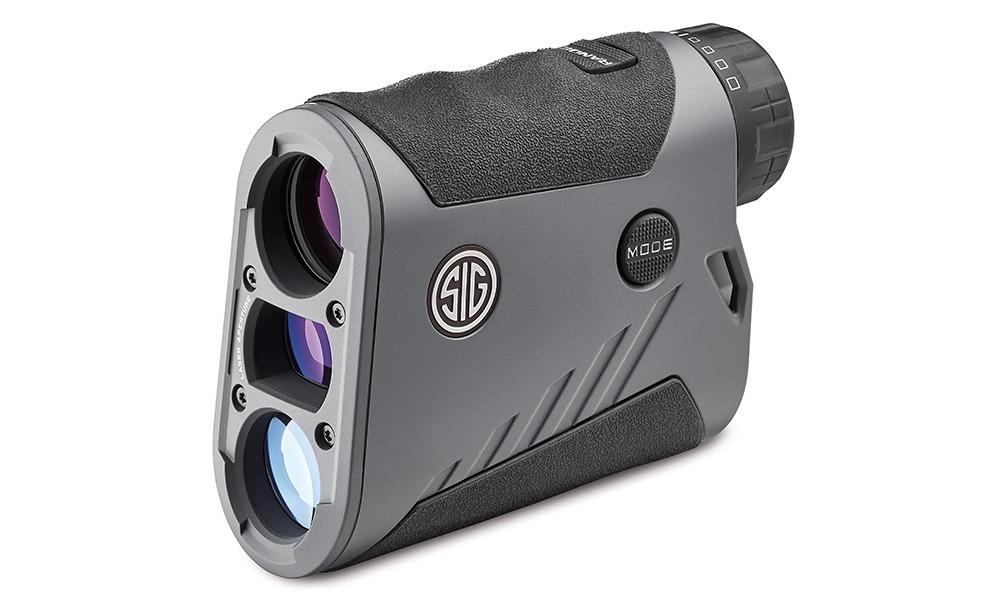
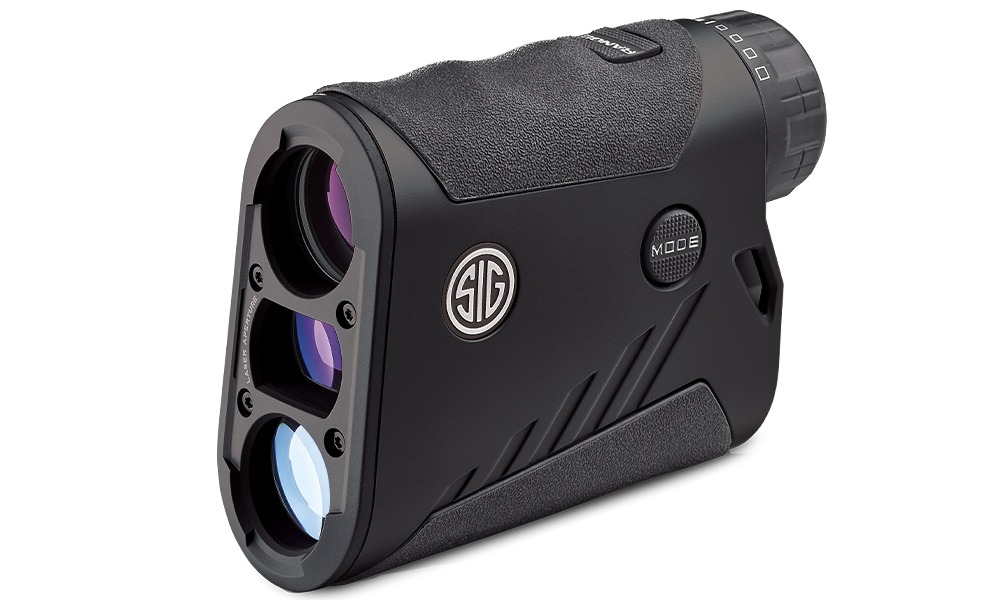
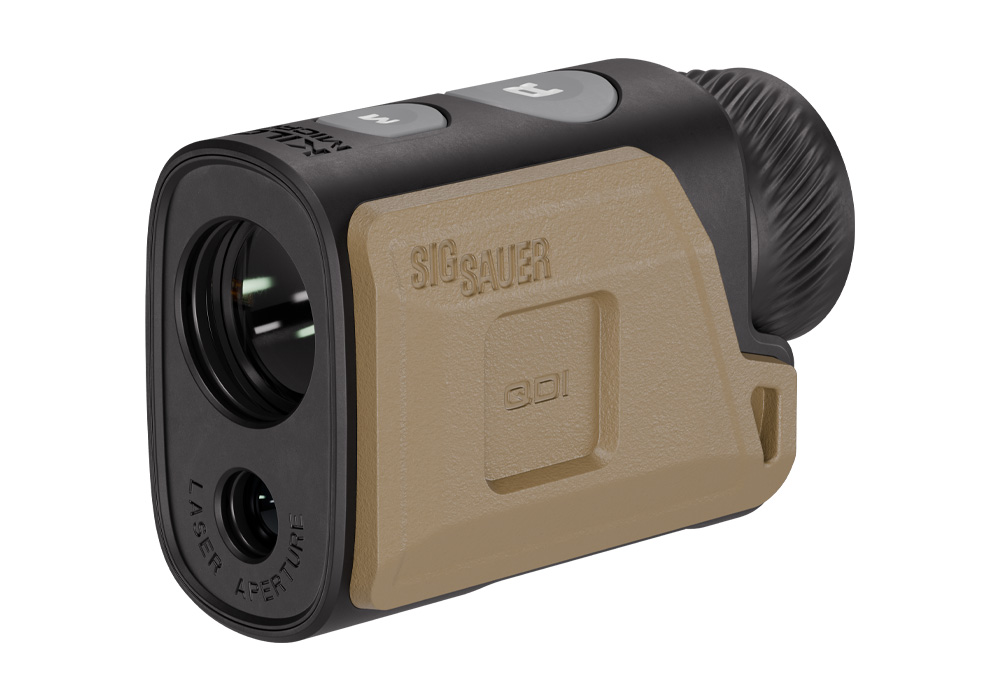
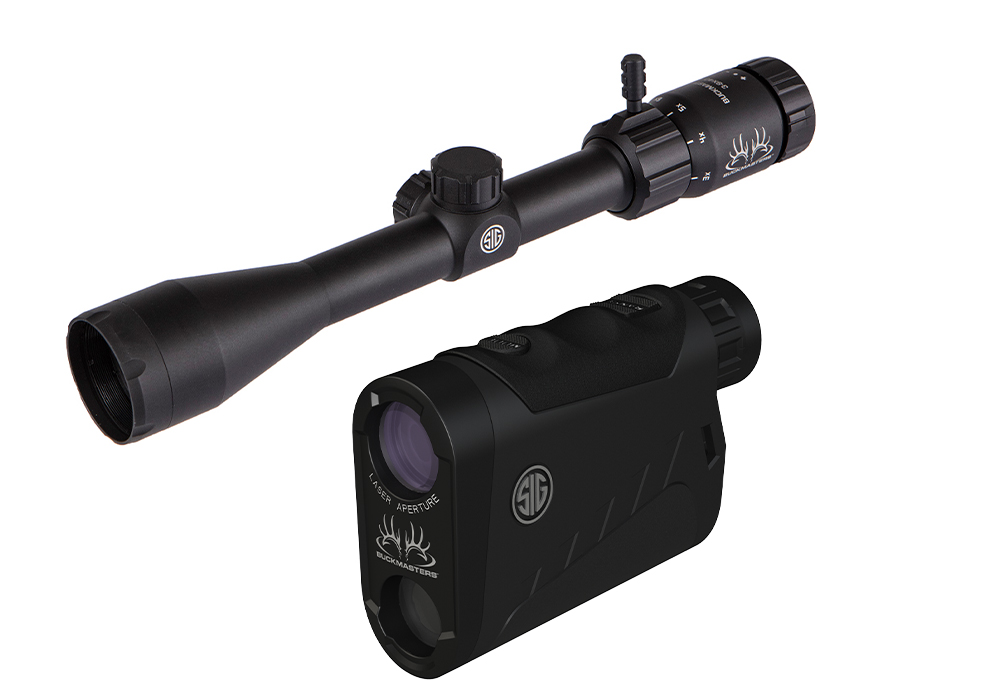
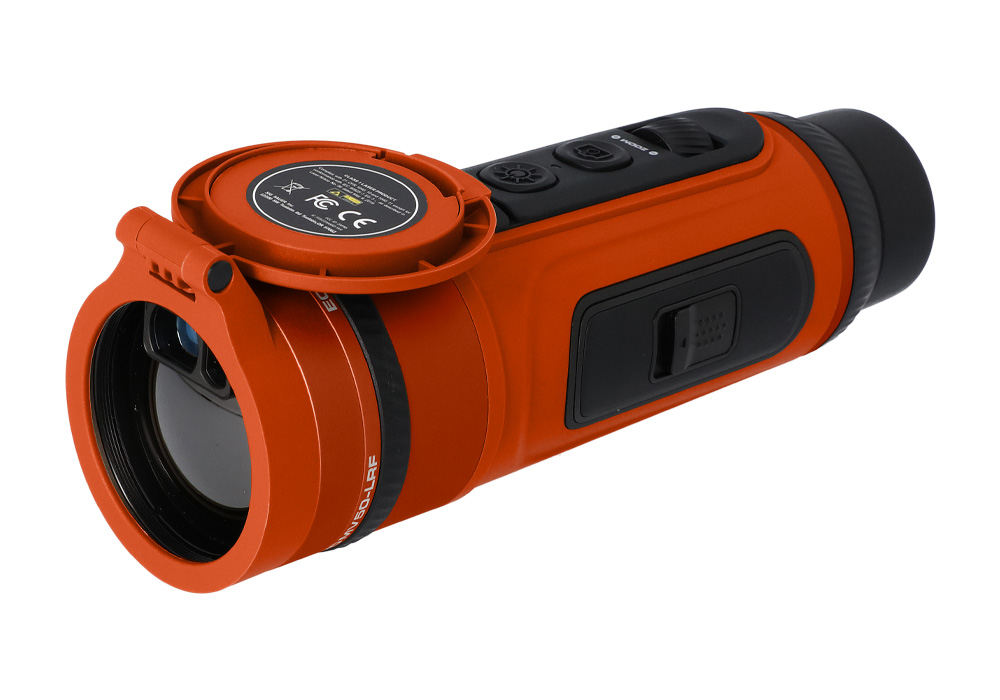
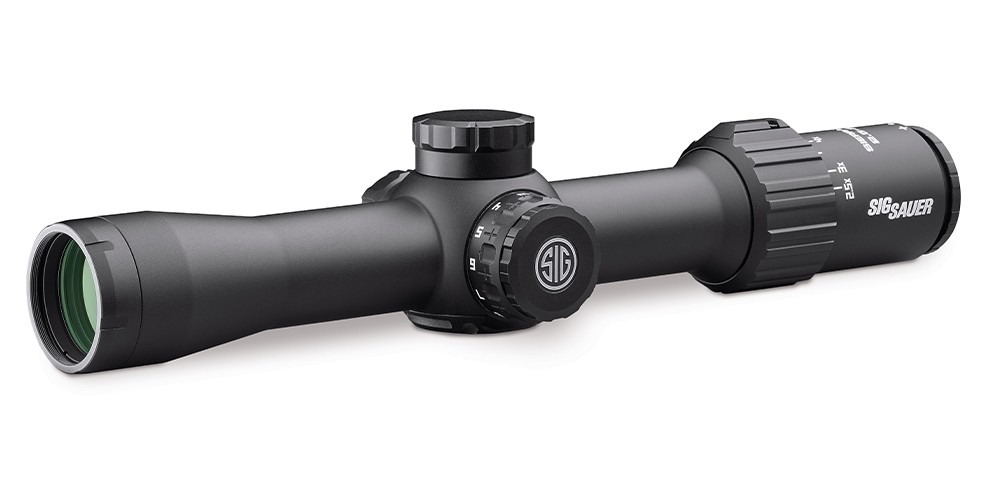
High-performance rangefinders bring dependable distance measurement to hunting, long-range shooting, and field observation, helping turn an uncertain stretch of terrain into a clear numerical reading. Laser rangefinders send a pulse of light toward a subject and calculate distance from the returning signal. Their practical value comes from a combination of measurement accuracy, ranging speed, optical clarity, and the ability to distinguish the intended subject from nearby objects. Across a grassy opening, for example, a small animal, a fence post, and a wooded hillside can produce very different returns. A strong ranging system helps resolve those differences, while a clear aiming reference makes it easier to select the right point. Maximum ranging distance is only part of that performance story. Published limits often depend on highly reflective subjects, and a device may measure a large structure farther away than it can measure an animal or a dark, irregular surface. Separate ratings for reflective objects, trees, and game, where provided, offer more meaningful context than a single headline distance. Accuracy specifications also deserve attention, particularly when measurements will support precision shooting or detailed field planning. Fast readings help when an opportunity to observe a subject is brief, while scan functions on equipped devices can provide successive measurements across several points. Magnification and field of view influence how easily those points can be located: more magnification can reveal a distant feature, but a wider view can make searching and tracking more comfortable. Stable handling matters as well, because small movements become more noticeable at higher magnification. A rangefinder that settles naturally in the hand can be more useful than one whose impressive specifications are difficult to access in practice. These qualities serve hunters assessing unfamiliar terrain, target shooters working across varying distances, and observers who need reliable measurements without bulky surveying equipment. For a related selection focused on accurate distance measurement, explore Precision Rangefinders. The most relevant performance is the performance that matches the subjects, distances, and handling demands of the intended activity.
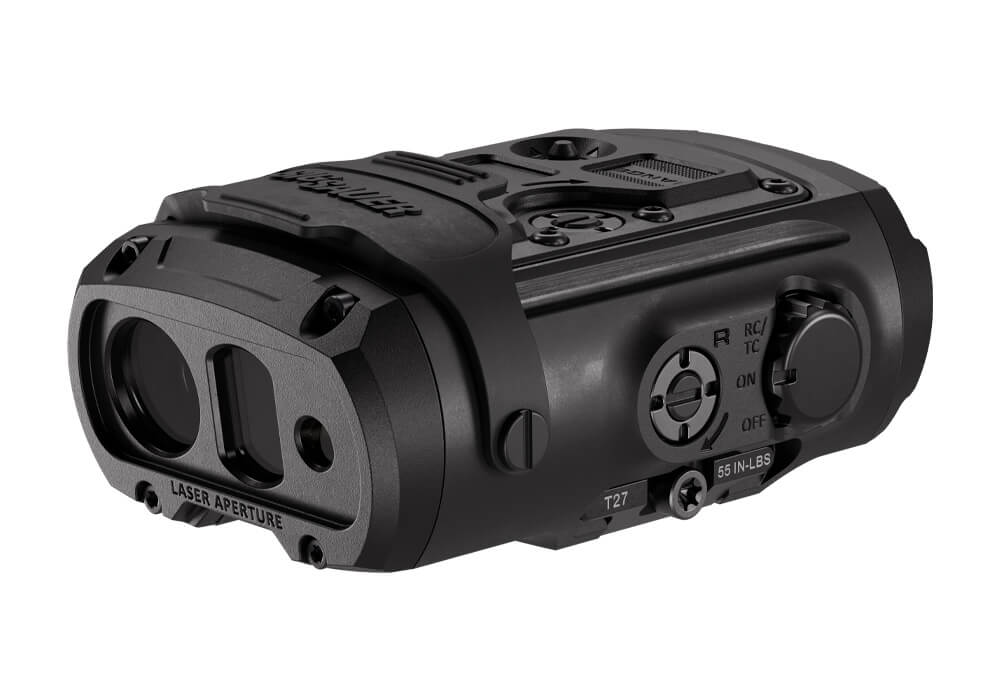
Rangefinder formats offer different ways to balance observation, portability, and measurement. Compact handheld units fit easily into a dedicated pouch and suit users who prefer to keep ranging separate from their primary binoculars. Rangefinding binoculars combine two-eyed observation with distance measurement, reducing the need to switch between separate optics when evaluating a distant hillside or following movement along a tree line. Neither format is automatically the better choice; weight, grip, viewing comfort, and carrying preferences shape the experience. A comfortable eyecup, appropriate eye relief, and accessible focus adjustment are especially important for extended observation or use with eyeglasses. Controls that can be identified by touch allow attention to remain on the scene rather than on the housing. Display design also affects everyday performance. Readable numerals, sensible brightness adjustment, and an uncluttered reticle help keep measurements visible without obscuring a small subject. Units of measurement and display modes vary, so the available settings should align with the user’s habits and other equipment. For hunting and shooting across uneven terrain, angle measurement can provide useful context beyond straight-line distance. Some devices offer an angle-compensated distance, while others support ballistic calculations that account for additional inputs. Those functions are not interchangeable, and their value depends on the calculation method and the information supplied. Ballistic tools may use a saved equipment profile, projectile characteristics, and other supported inputs to estimate a trajectory solution. Wireless connectivity on equipped models can simplify communication with compatible devices, but supported connections, software requirements, and feature access differ. A straightforward rangefinder may be the right fit for someone who wants a fast distance reading with minimal setup, while an experienced long-range shooter may prefer deeper integration with a broader equipment system. Distance information remains one part of responsible field judgment, not a substitute for identifying the subject and understanding its surroundings. Clear optics and repeatable measurements support informed decisions, but they do not replace that awareness.
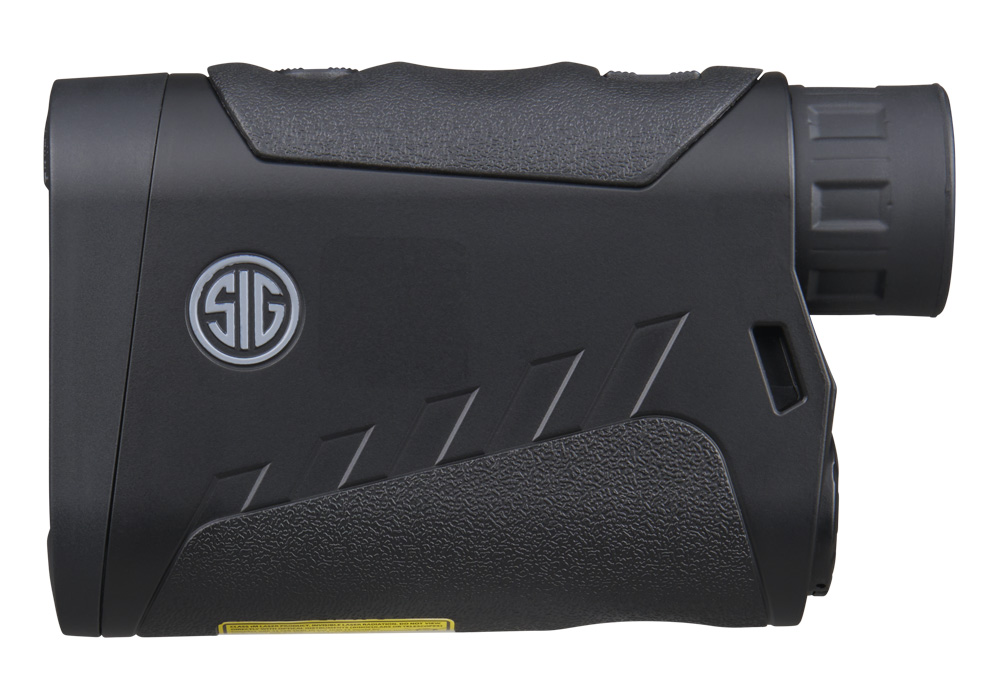
Materials, construction, and care help determine how well a rangefinder holds up to repeated use. Reinforced polymer and metal housings can each provide a durable foundation, with overall strength depending on the design, assembly, and protection around sensitive components. Textured surfaces or protective armor can improve grip and reduce wear at common contact points. Recessed lenses, secure battery compartments, and firmly seated controls are practical details for equipment that moves regularly between a pouch, a pack, and the hand. Published sealing and impact-resistance ratings provide useful evidence of protection; a rugged appearance alone does not establish either. Lens coatings can improve light transmission and contrast, supporting a clearer view of fine details such as branches crossing in front of a distant subject. Protecting those optical surfaces preserves that clarity. Loose grit should be removed with an appropriate blower or soft brush before a lens cloth touches the glass, and any cleaning solution should be suitable for coated optics. Household cleaners, abrasive fabrics, and unnecessary pressure can damage surfaces that are central to both viewing and measurement. Protective cases and lens covers help limit scratches during transport, while a secure lanyard or harness keeps the device close without forcing an uncomfortable carrying position. Battery type, expected operating life, and access to the battery compartment are worth considering for frequent outings, particularly when electronic features are used extensively. Storage and maintenance should follow the device’s care instructions, including recommendations for batteries and software updates where applicable. Fit extends beyond the eyepiece: the right rangefinder should work comfortably with the user’s pack, binocular harness, and preferred hand position. It can also be a thoughtful gift for a hunter, competitive shooter, or dedicated field observer when those preferences are understood. A well-matched rangefinder delivers more than an impressive maximum distance. It combines clear observation, practical measurement, comfortable handling, and dependable construction in an optic that earns its place among regularly used equipment.