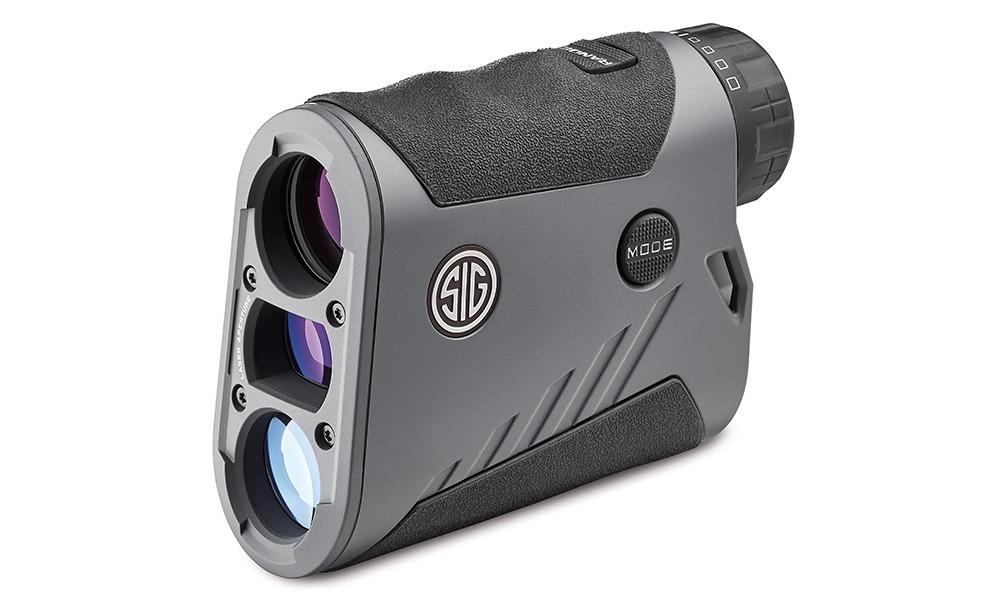
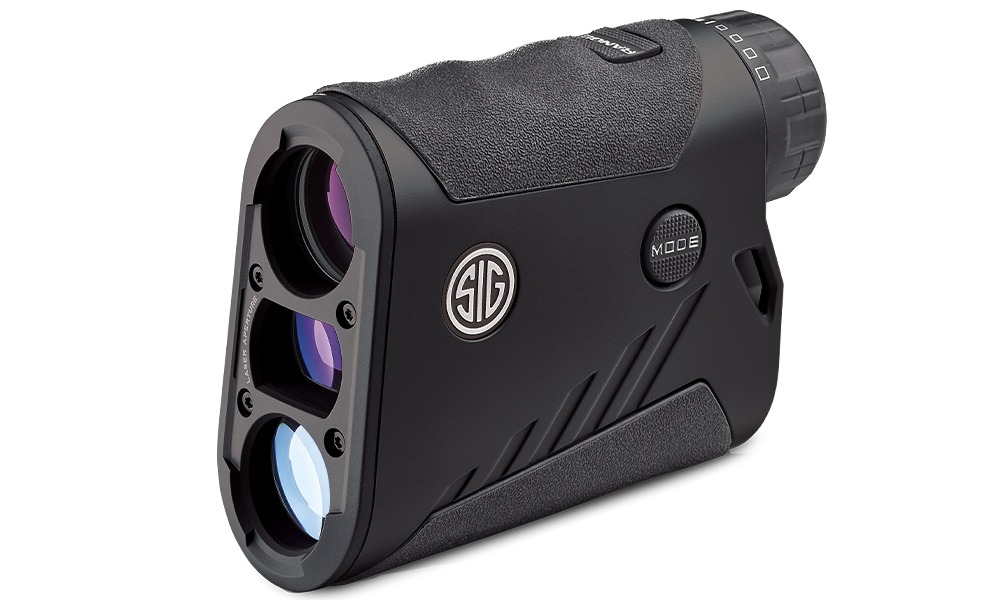
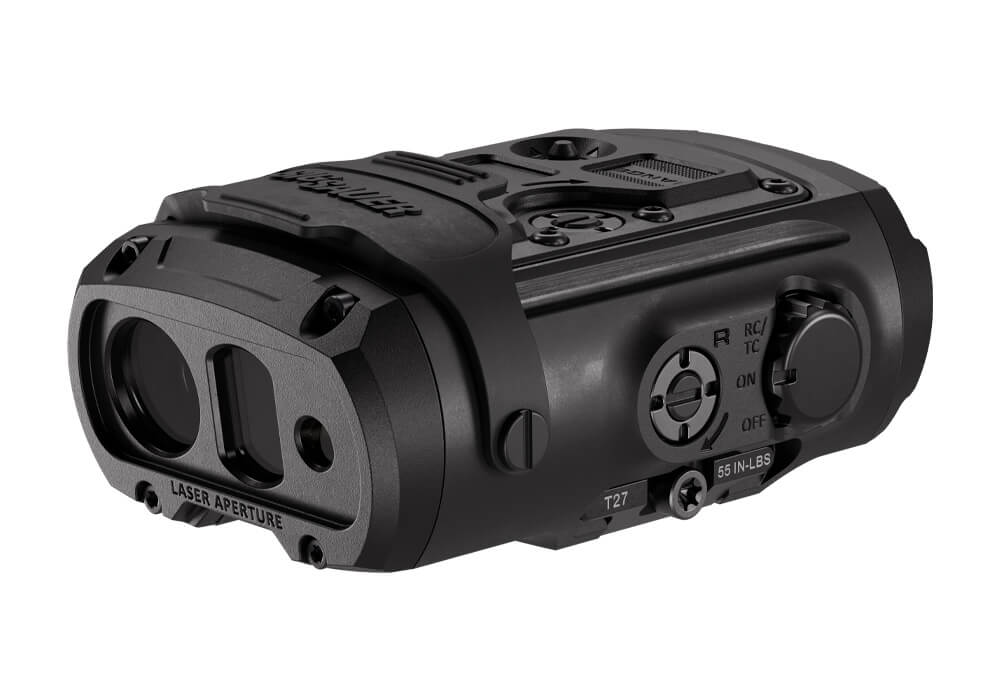
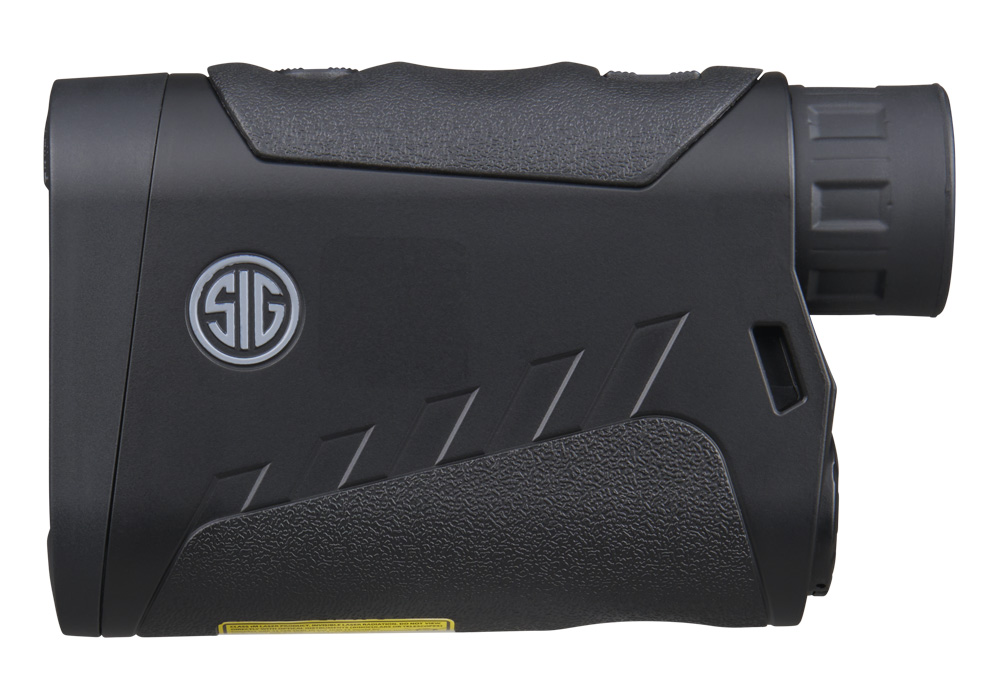
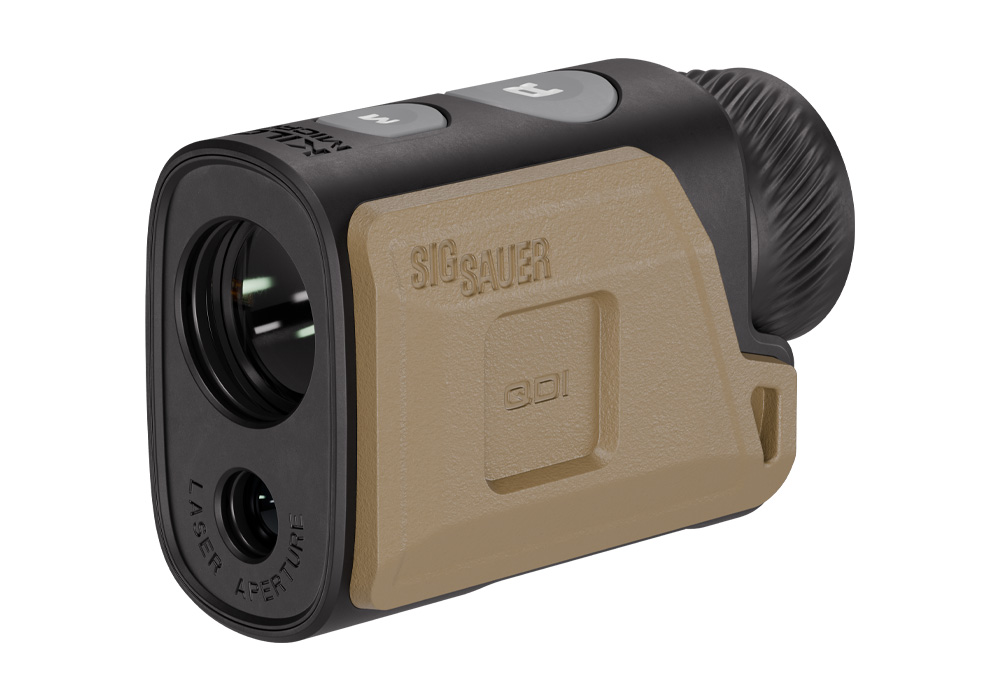
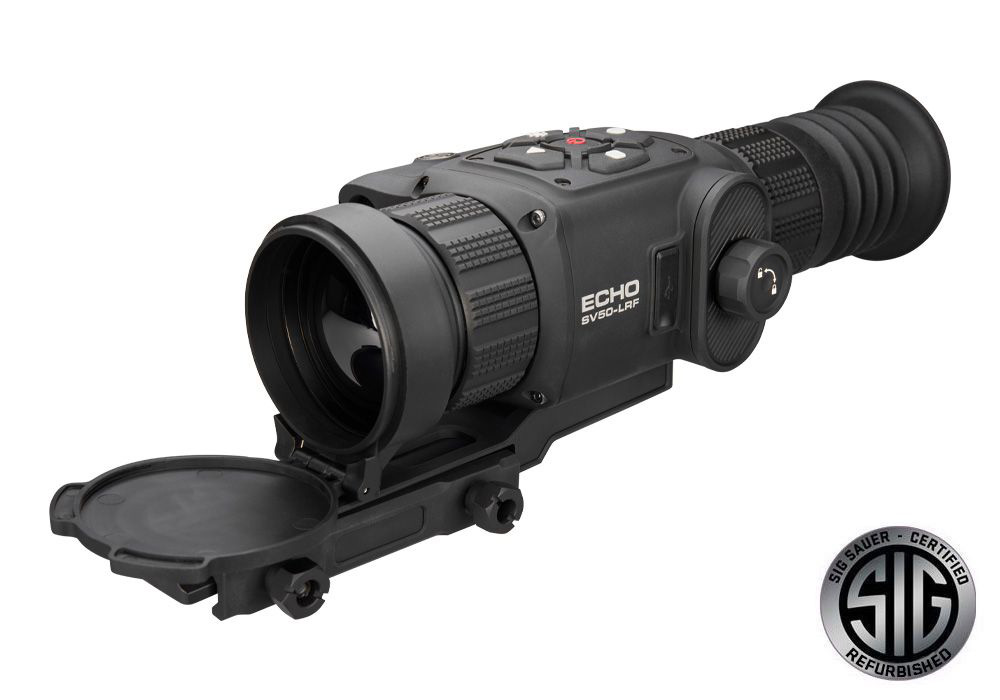
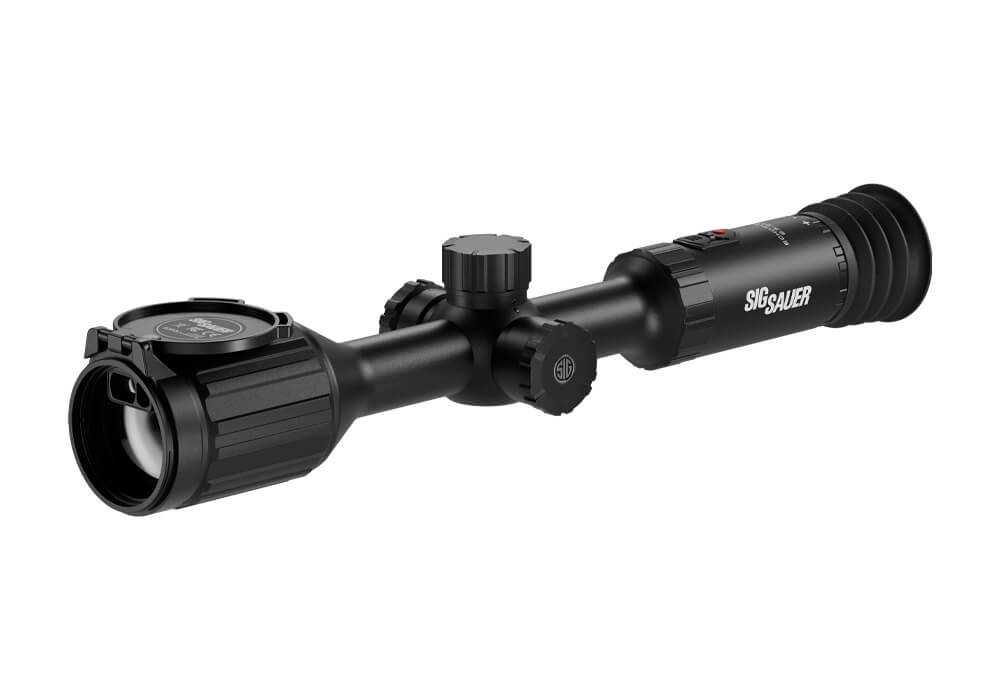
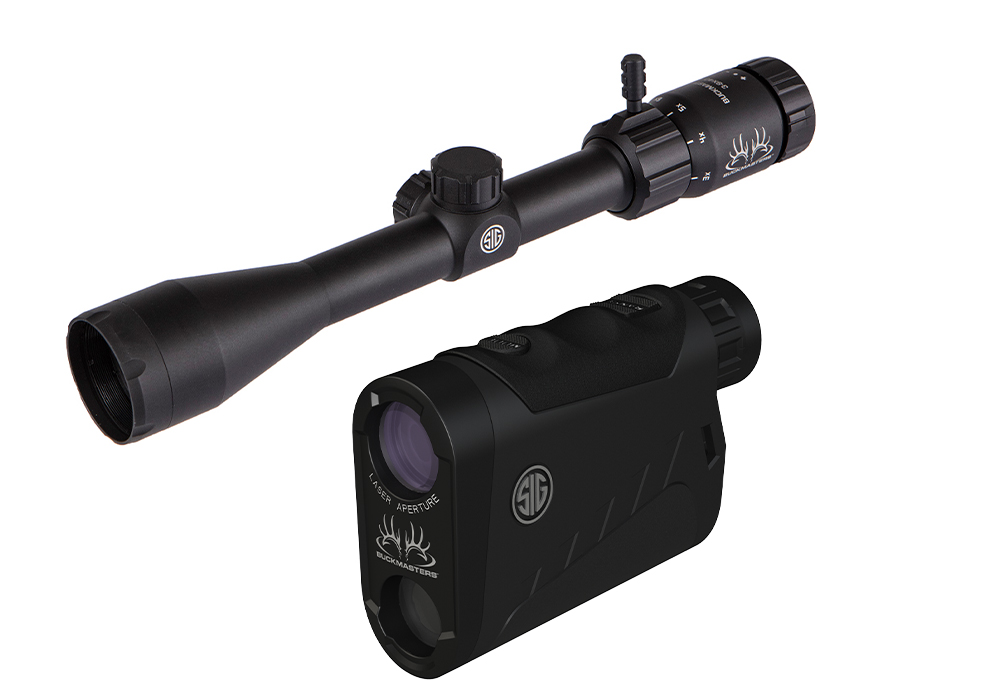
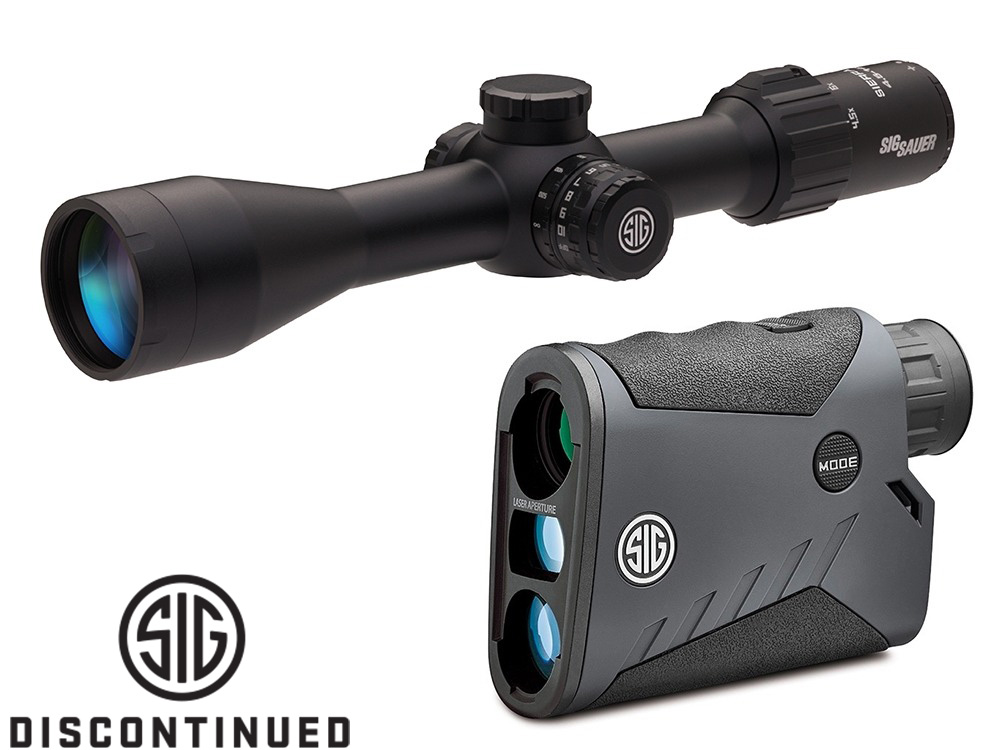
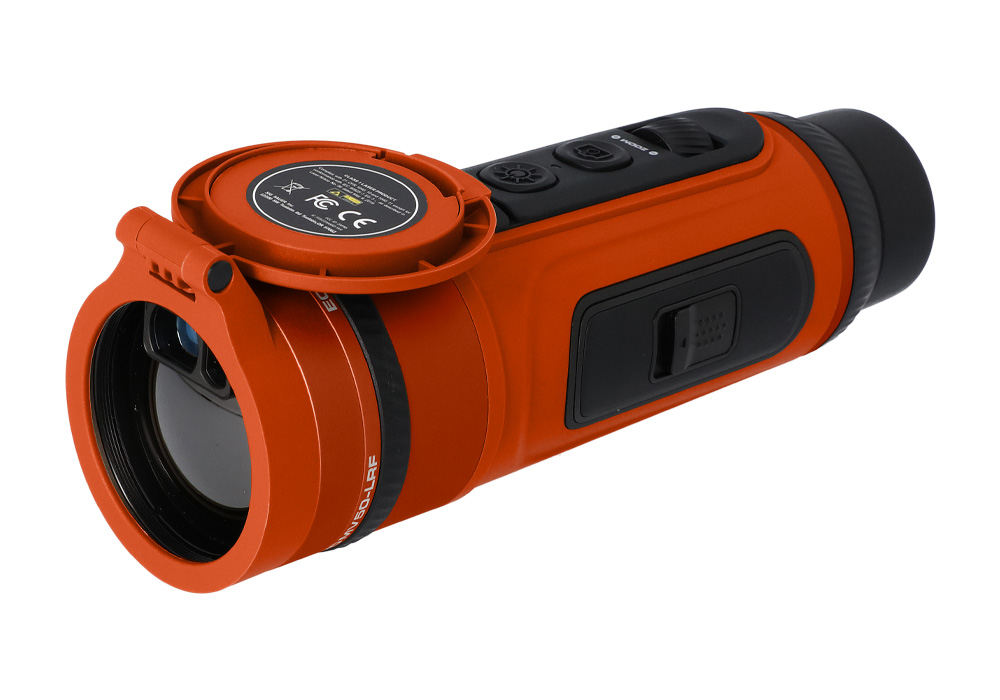
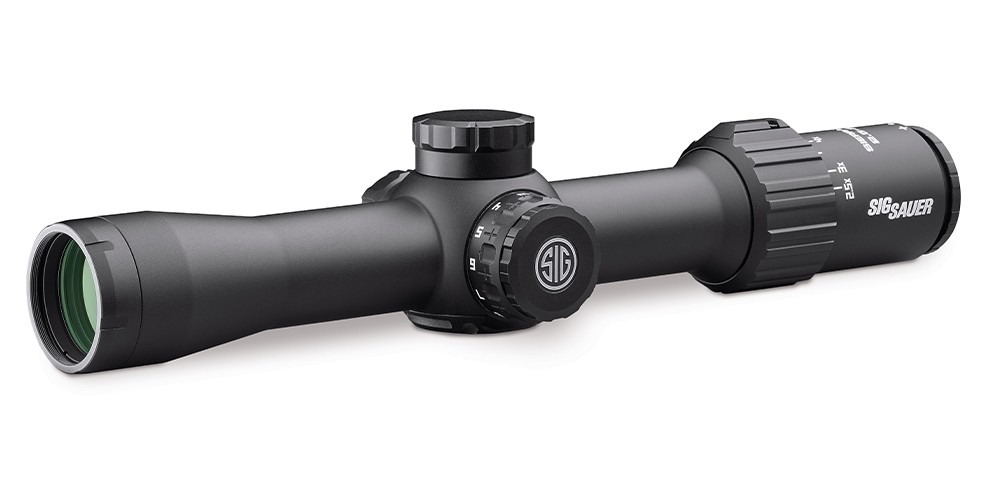
Precision rangefinders measure the distance between an observer and a target, helping turn an uncertain estimate into a useful reading. Laser rangefinders calculate that distance by measuring the time it takes emitted light to reach a surface and return to the instrument. For hunters, recreational shooters, and long-range competitors, that information adds context to the view through an optic and supports better-informed decisions in the field or at the range. A steel plate across an open shooting lane, a tree beside a trail, and a distant rock face can all present different ranging challenges, even when they appear equally clear through the eyepiece. Surface reflectivity, target size, beam divergence, and the steadiness of the instrument influence how readily a rangefinder acquires a reading. This is why a maximum distance specification does not tell the entire story: a large, highly reflective surface can return a signal at distances beyond those possible with a smaller, less reflective subject. Published performance categories for reflective targets, trees, or animals help distinguish those different expectations when such specifications are provided. Accuracy, displayed increments, and repeatability also describe different characteristics. A display that shows fine distance increments does not, by itself, establish equally fine measurement accuracy. For everyday use, a clear view, consistent readings, and controls that work without interrupting observation can matter as much as headline distance figures. Optical magnification helps reveal smaller subjects, while field of view affects how easily a user can locate them. Higher magnification can also make hand movement more noticeable. Reticle design and adjustable display brightness contribute to readability, particularly when a dark target sits against a busy background. A well-matched precision rangefinder brings these elements together in a format suited to the distances, subjects, and activities that matter most to its user, rather than relying on a single specification to define its usefulness.
Different ranging functions serve different purposes, and their value depends on the setting. A line-of-sight reading describes the direct distance to the measured surface, while angle-aware modes may provide an adjusted distance or other information intended for inclined shots. The exact output and its assumptions vary by instrument, so the meaning of each display mode matters. Scan functions can update measurements as the view moves across a scene, helping users compare distances to several reference points without repeatedly starting a new measurement. Target-priority modes, where included, can favor nearer or farther returns to help separate a subject from surrounding objects, though they cannot guarantee that every reading represents the intended target. For people whose activities regularly involve distant observation or longer shooting lanes, Long Distance Rangefinders provide another relevant category to explore alongside optical clarity, target acquisition, and practical handling. Extended reach is most useful when paired with a sight picture and interface that remain easy to interpret. Some rangefinder designs also support ballistic information or wireless connections to compatible devices. These functions can reduce the need to move between separate screens, but their usefulness depends on compatibility, correct setup, and an understanding of the information being displayed. Basic distance measurement remains a separate consideration from any calculated shooting solution. A rangefinder supplies information; it does not establish a clear shooting lane, confirm a safe backstop, or replace sound judgment. Physical design is equally important during repeated use. Compact monocular formats suit a pocket or small pouch, while binocular formats combine observation and ranging in one instrument. Neither approach is automatically the better fit: the right balance depends on how much time is spent observing, how the equipment is carried, and what other optics are already part of the setup. A hunter walking between observation points may value low bulk, while a competitor working from a fixed position may place greater emphasis on quick access and a stable view.
Materials, fit, and routine care shape how a precision rangefinder performs as a piece of frequently handled equipment. Polymer housings can keep weight manageable, metal-alloy structures can provide rigidity, and textured or rubberized surfaces can improve grip and cushion everyday contact. The housing material alone does not establish durability; construction quality, protective lens placement, and stated resistance ratings provide a more complete picture. Water- and dust-resistance ratings should be understood according to their stated limits rather than treated as a promise of unlimited protection. An instrument that fits comfortably in the hand is easier to hold steady, and button placement matters when measurements need to be taken without shifting the grip. Eyeglass wearers may find eye relief and eyecup adjustment especially important for seeing the full display. A diopter adjustment helps bring the view or display into focus according to the instrument’s design. Carrying arrangements deserve similar attention: a secure pouch, suitable tether, and accessible attachment point can keep the rangefinder protected without making it awkward to retrieve. Power requirements also affect convenience, whether the design uses replaceable batteries or an internal rechargeable system. Expected operating life, charging connections, and battery access all belong in the broader assessment of everyday usability. Care is generally straightforward, with the manufacturer’s instructions providing the appropriate details for each instrument. Loose grit should be removed before lenses are wiped, and optical surfaces benefit from suitable lens-cleaning materials rather than rough fabric or household cleaners. Clean battery contacts, protected lenses, and proper storage help preserve dependable operation between outings. For an experienced hunter, a recreational target shooter, or someone developing an interest in distance observation, a rangefinder can also be a thoughtful gift when its size, controls, and functions suit the recipient’s activities. The strongest match is an instrument that feels comfortable to carry, presents information clearly, and delivers useful measurements within the demands of its intended use.