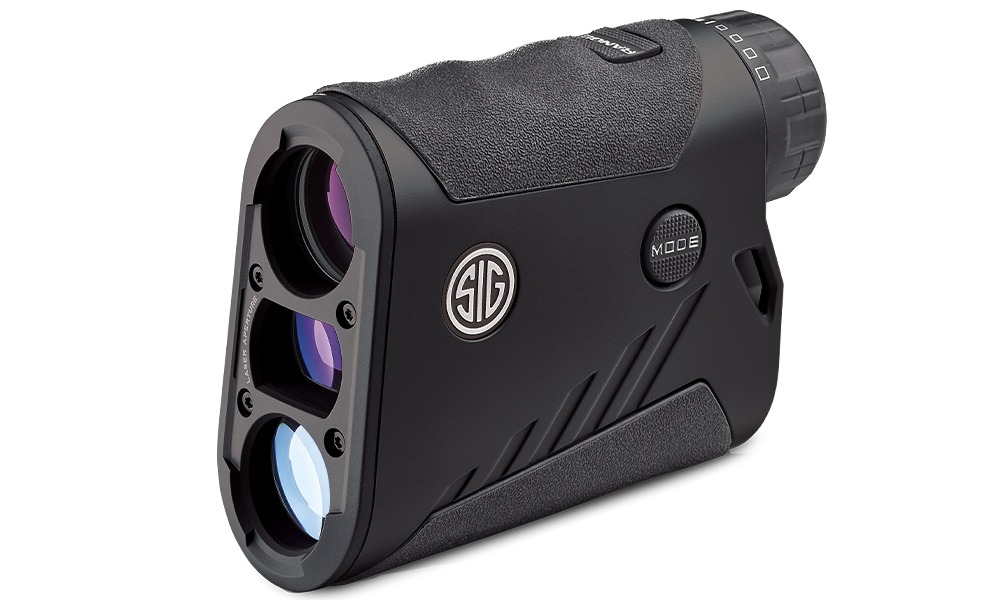
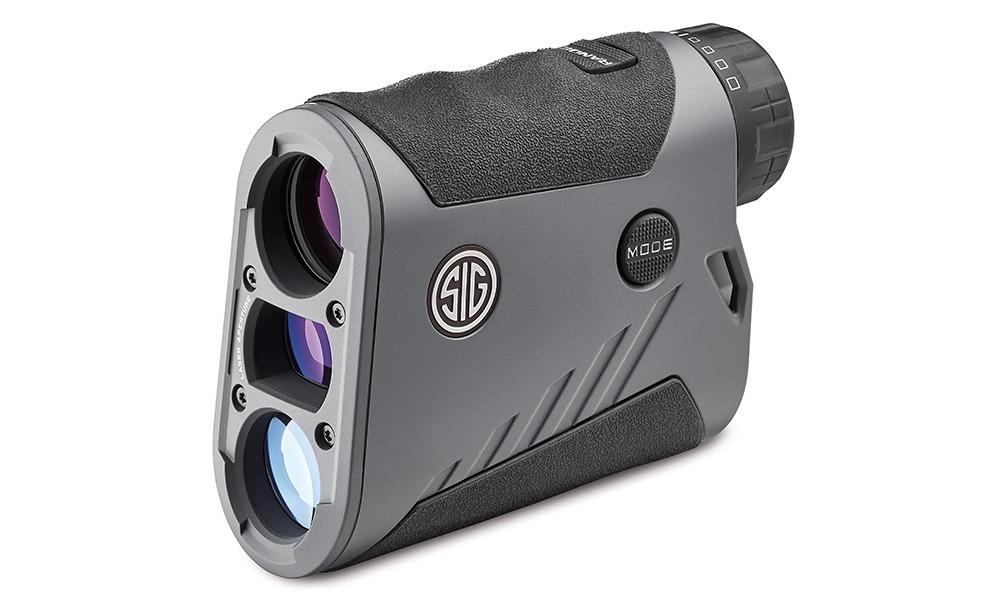
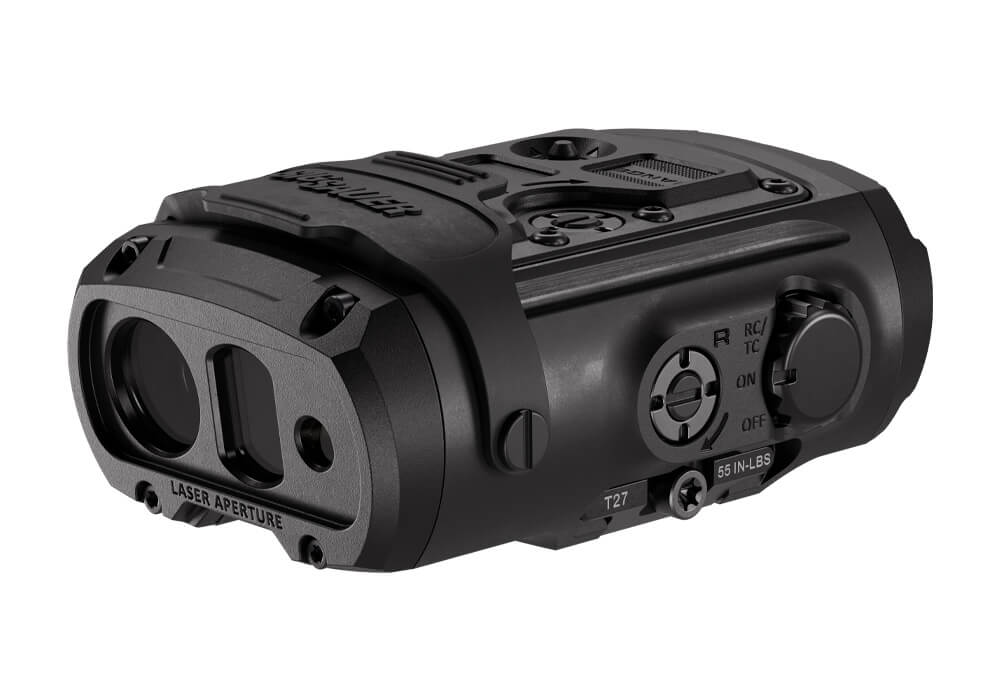
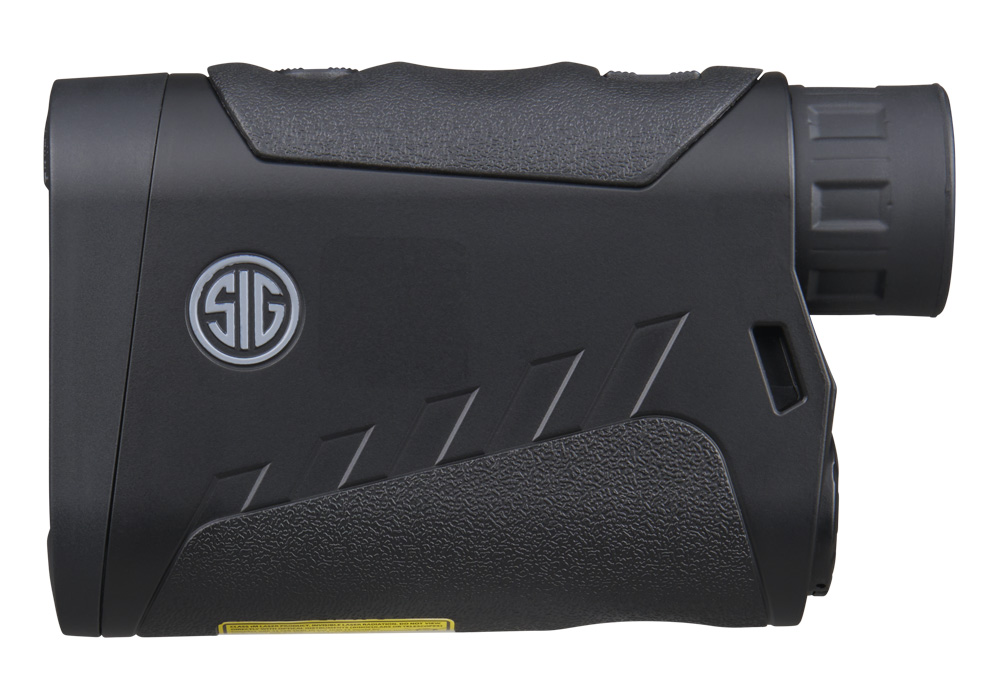
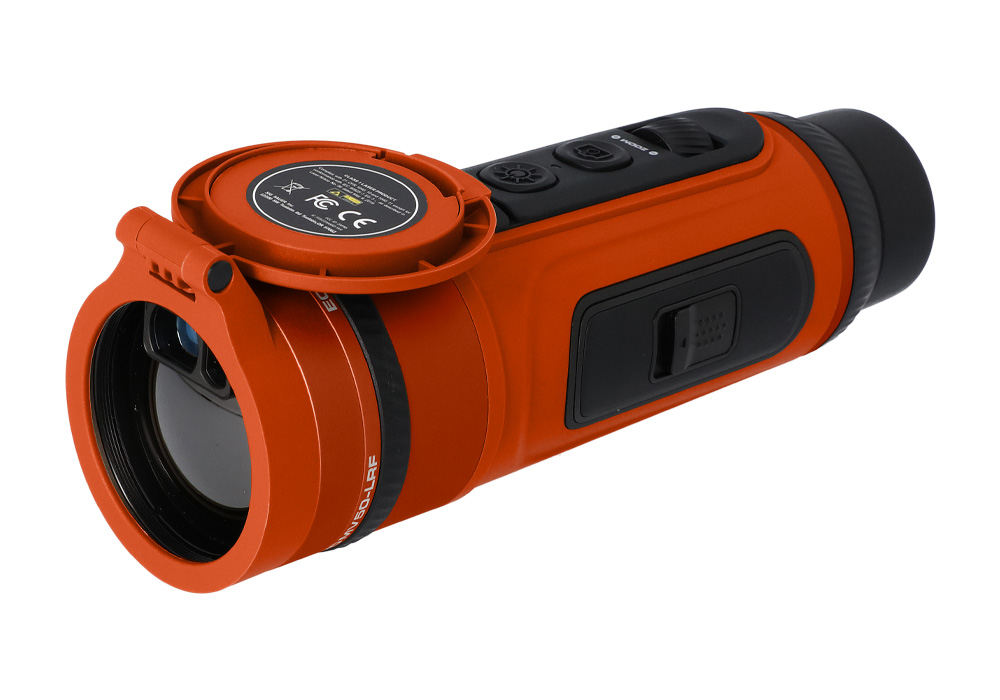
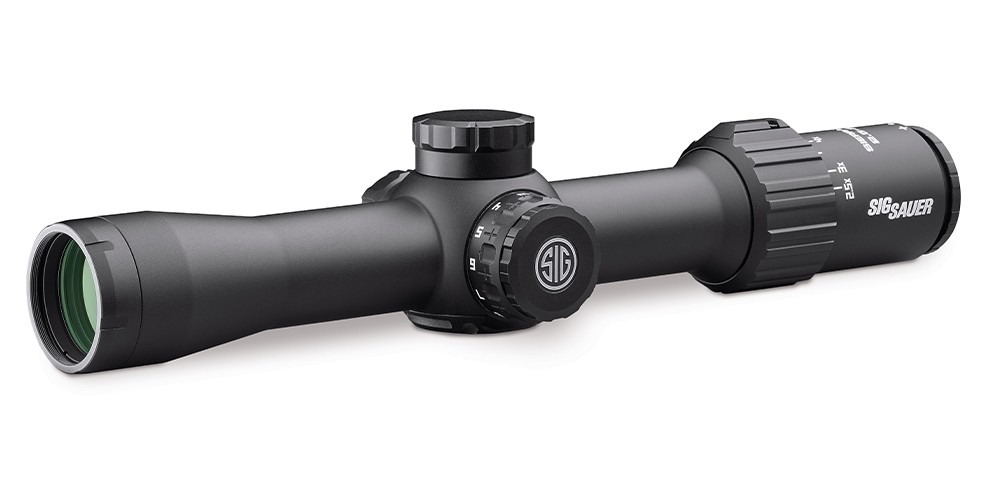
Long distance rangefinders combine laser distance measurement with magnified optics to help hunters and target shooters establish how far away a target is before making a shooting decision. Their value extends beyond a large maximum-range number: useful performance also depends on target recognition, repeatable readings, a clear aiming point, and controls that remain straightforward when attention belongs downrange. A maximum range measured in thousands of yards typically reflects testing against a highly reflective surface under favorable conditions. It does not mean the same instrument will measure an animal, a dark steel plate, or a rough rock face at that distance. Published ranges for reflective targets, trees, and game provide different reference points, so those distinctions matter more than a single headline figure. Target size, surface reflectivity, viewing angle, and the steadiness of the instrument all influence the strength of the returning signal. Across an open basin, a broad rock formation may produce a reading more readily than a small target set against uneven terrain. At a target range, isolating one steel plate from the hillside behind it can be more important than measuring the farthest visible object. Optical quality supports that task by helping the user distinguish edges, identify the intended aiming point, and hold the reticle on a specific surface. Lens coatings, contrast, focus adjustment, and usable eye relief deserve attention alongside magnification. Higher magnification can reveal more detail, but it can also make hand movement more noticeable and narrow the field of view. A well-balanced combination of magnification and viewing comfort often proves more useful than magnification alone. Compact monocular designs suit hunters who want a dedicated measuring instrument close at hand, while rangefinding binoculars combine observation and distance measurement in one optic. For either format, a distance reading is one part of a responsible decision; it does not replace positive target identification, awareness of the background, or an honest assessment of shooting ability.
The differences among long-range laser rangefinders become especially meaningful when measurements feed into a larger shooting setup. Line-of-sight distance describes the straight path between the instrument and the target, while angle-compensated measurements account for an uphill or downhill relationship according to the device’s calculation method. These outputs are not interchangeable, and an angle-adjusted distance is not necessarily a complete ballistic solution. Models with onboard ballistic software may calculate elevation and windage corrections using a compatible projectile profile, verified muzzle velocity, sight height, and other supported inputs. Those calculations still depend on accurate setup and confirmation at the range. Wireless connectivity can allow supported rangefinders to exchange information with compatible applications or shooting instruments, reducing repeated data entry and keeping measurements connected to an established profile. Compatibility deserves close attention because wireless support alone does not guarantee that every application, optic, or external instrument will communicate with every rangefinder. Shoppers comparing Precision Rangefinders can consider how these functions fit their existing equipment rather than treating a longer feature list as an automatic advantage. For a shooter who already uses a separate ballistic calculator, dependable distance measurement and a readable display may be the priorities. Someone building a connected setup may place greater value on supported data sharing and accessible profile controls. Scan functions can update distance readings as the aiming point moves across terrain, while target-priority settings may favor nearer or farther returns within the measurement area. These settings help manage competing surfaces; they do not enable an instrument to see through obstructions. Optical stabilization, where offered, can make a small distant target easier to hold in view. Tripod compatibility provides another way to steady the instrument during extended observation or repeated measurements. Display brightness, reticle visibility, measurement units, and the speed of a confirmed reading also shape the experience. A clear result that can be interpreted without shifting grip or searching through menus is particularly useful when moving between several targets at different distances.
Construction and everyday fit determine how comfortably a long distance rangefinder moves from a specification sheet into regular use. Depending on the design, an aluminum or reinforced polymer housing can balance structural strength with manageable weight, while an exterior rubber covering can improve purchase and soften contact with other equipment. Recessed lenses, secure battery compartments, and protected controls are practical details for an instrument carried in a pack, pouch, or binocular harness. Published sealing and durability ratings provide a more useful basis for comparison than broad claims of toughness. Fit includes the shape of the housing, the position of the measurement button, and whether the user can reach the controls without disturbing the sight picture. An adjustable eyecup and sufficient eye relief can improve comfort for someone wearing glasses, while an accessible diopter adjustment helps bring the display and target view into useful focus. Weight matters differently across activities: a compact unit can suit a long walk to a hunting position, whereas a larger instrument may feel comfortable during deliberate observation from a supported position. Battery type, expected runtime, replacement access, and any automatic shutoff setting also affect convenience over repeated outings. Straightforward care helps preserve optical performance and reliable operation. Loose grit should be removed before a suitable lens cloth touches the glass, and cleaning materials should follow the manufacturer’s recommendations to protect optical coatings. A protective case keeps exposed lenses from rubbing against other gear during transport, and storage guidance deserves attention when the instrument will sit unused for an extended period. For an experienced hunter, recreational target shooter, or precision-rifle enthusiast, a rangefinder can also be a thoughtful gift when its controls, optical format, and connectivity match the recipient’s habits. The most useful choice is one that delivers understandable measurements on the targets that person actually encounters, with the handling, viewing comfort, and dependable operation that encourage regular use.