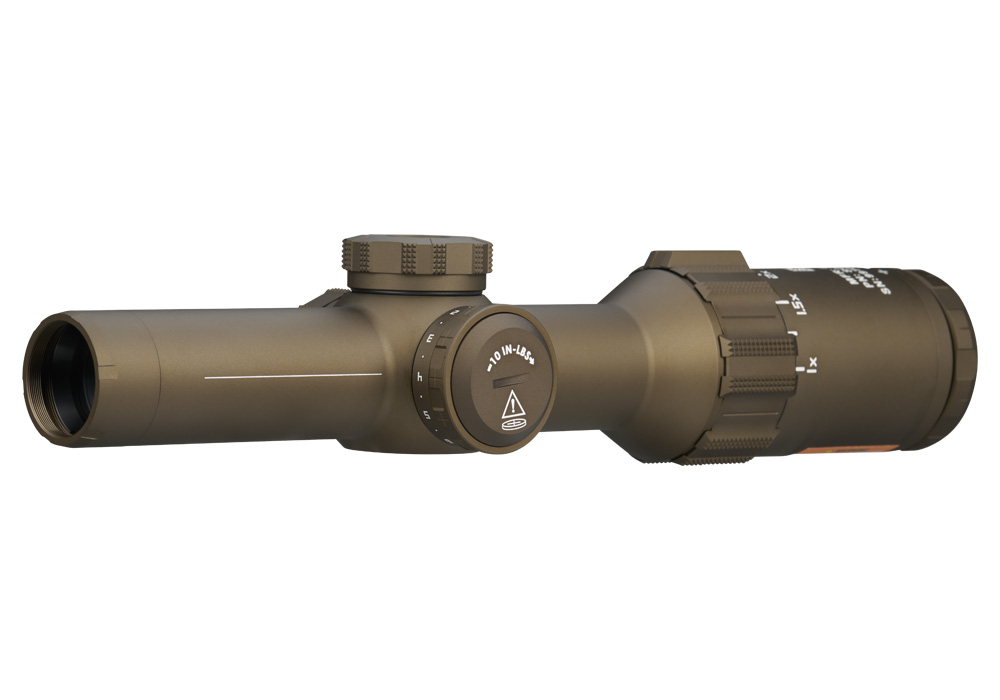
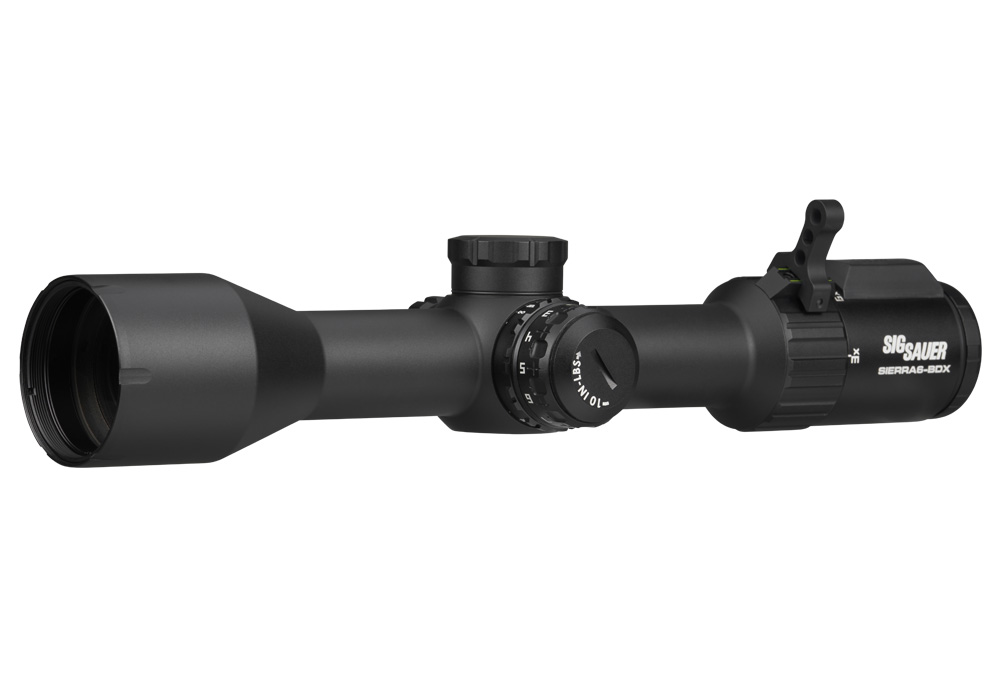
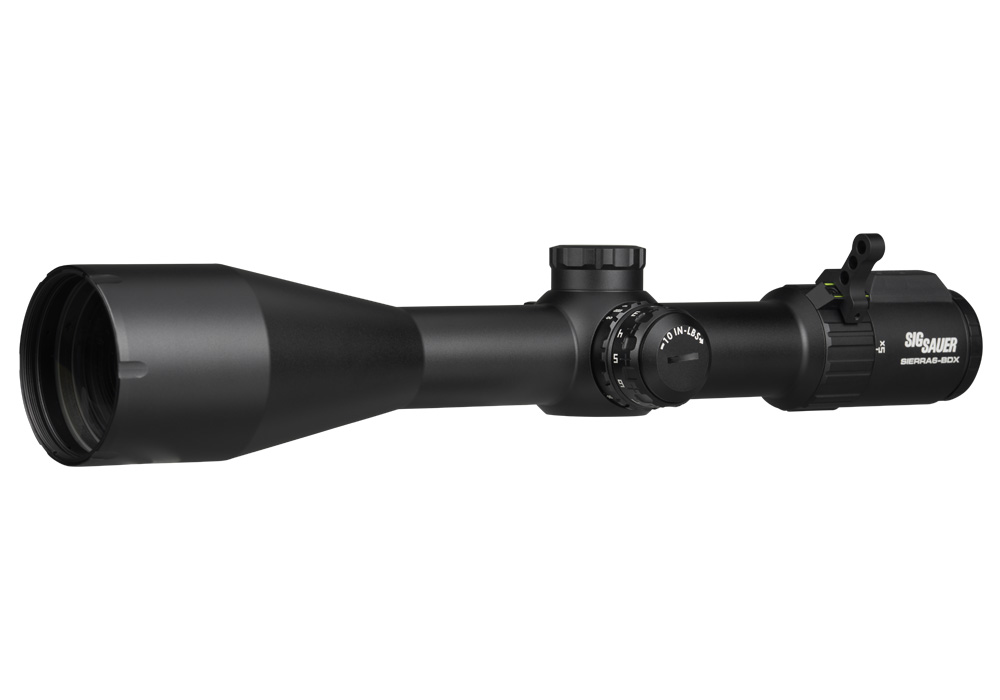
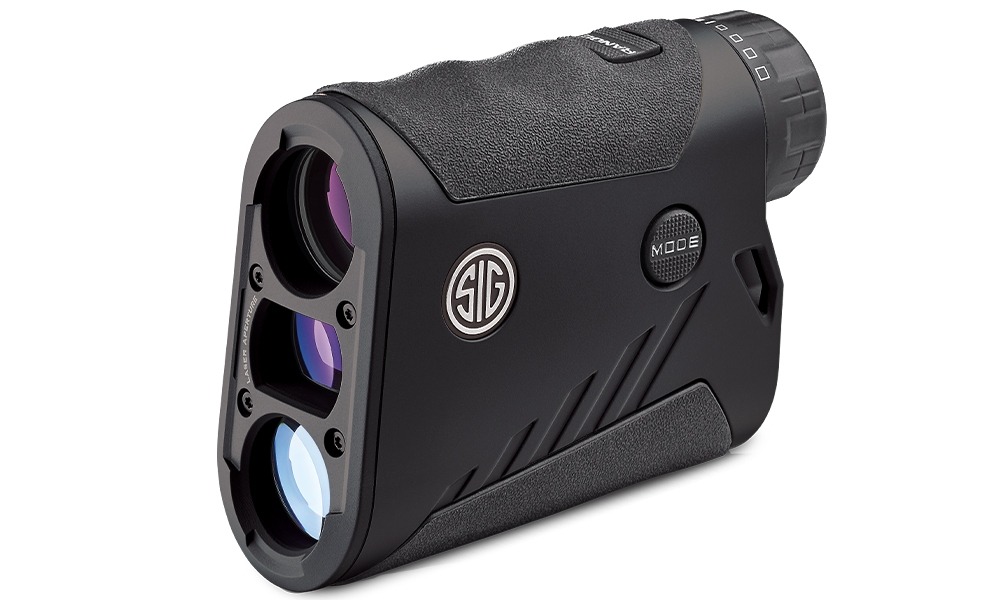
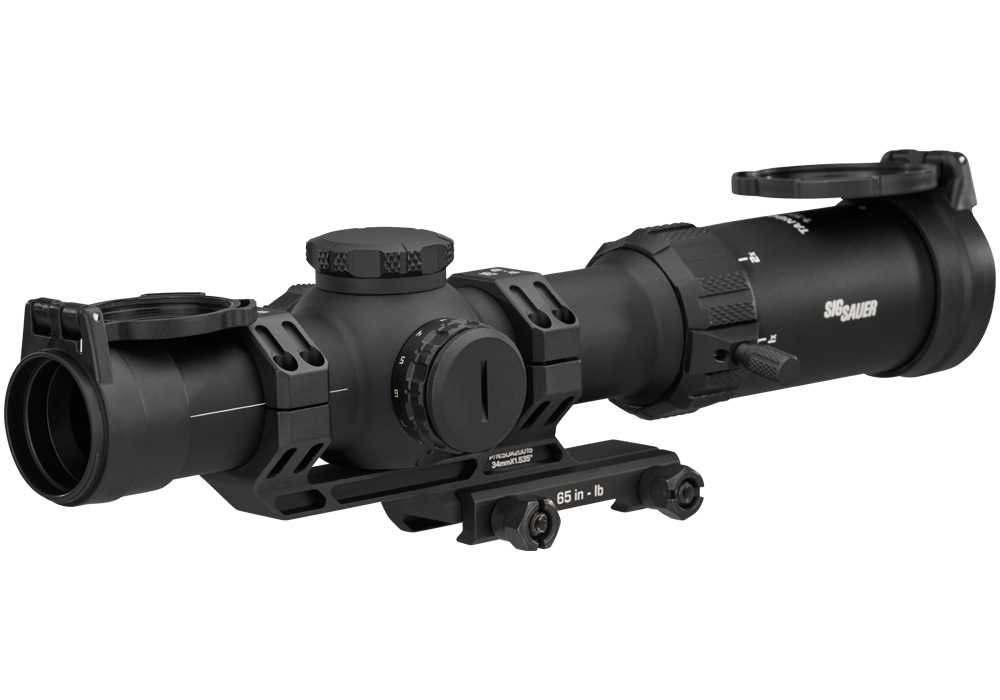
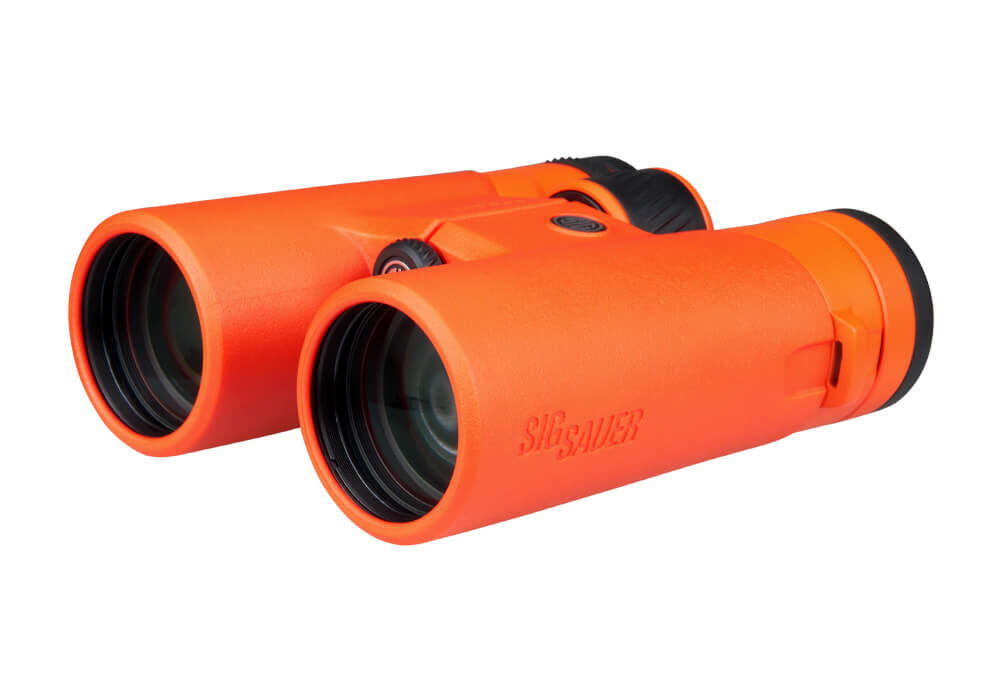
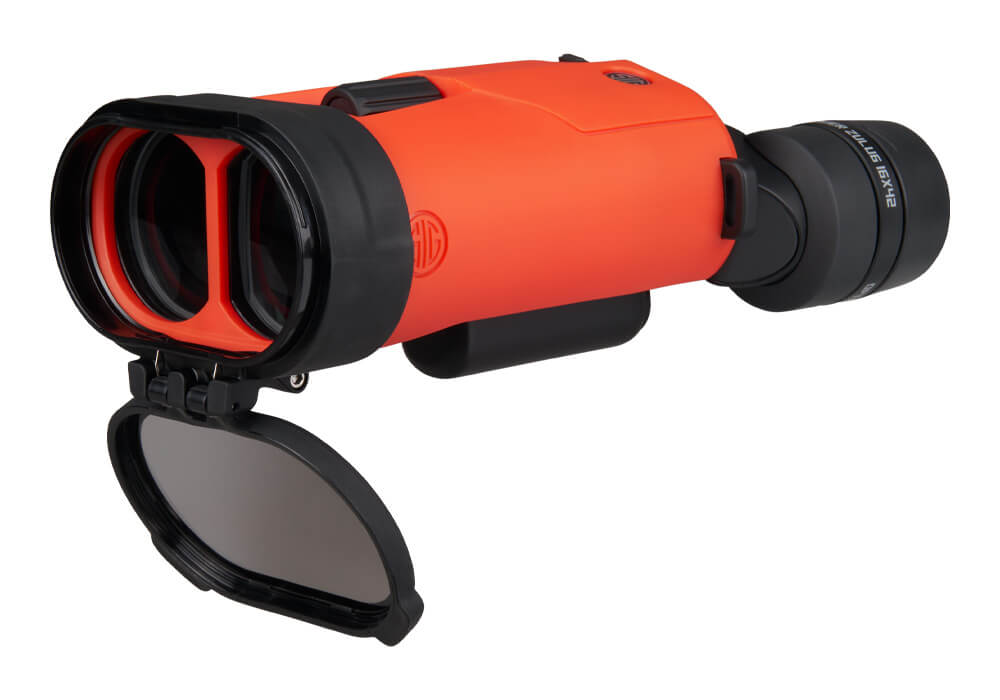
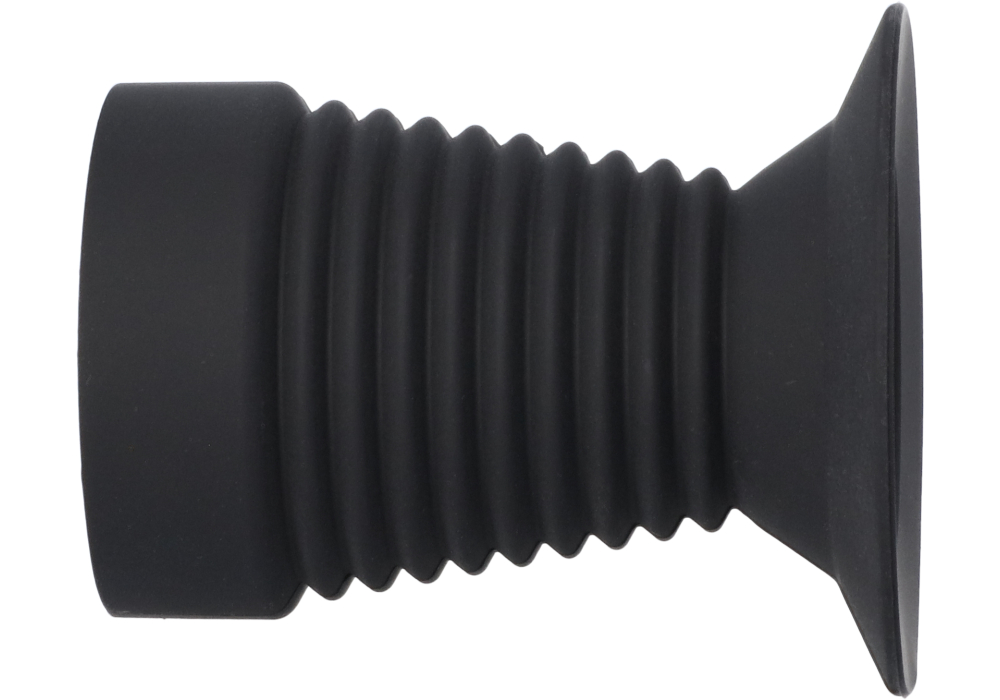
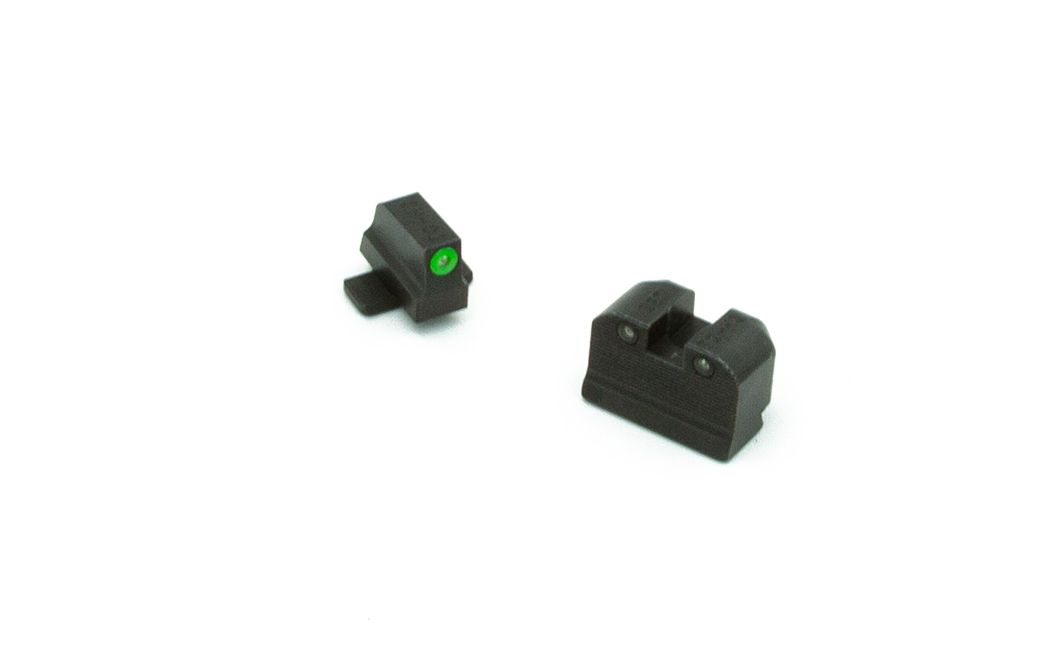
Optical devices are instruments that generate, direct, magnify, measure, or otherwise manipulate light so the user can see more clearly and gather useful visual information. In practical terms, this includes sighting systems, magnified viewing instruments, compact observation tools, and electronic devices that combine lenses with illuminated displays or digital sensors. Their operation is based on a few fundamental properties of light. Refraction bends light as it passes through curved lenses, allowing an optical system to focus an image or increase its apparent size. Reflection uses coated surfaces, mirrors, or prisms to redirect light through a compact housing. Filtering and detection change or measure selected wavelengths, helping an instrument improve contrast, manage glare, display distance data, or produce an image in difficult conditions. These principles appear in everything from eyeglasses and handheld magnifiers to cameras, telescopes, microscopes, rangefinders, and precision aiming equipment. On this page, shoppers can compare optical devices selected for outdoor observation, recreational shooting, hunting, field use, and other activities where dependable visual information matters. A clear view begins with choosing the right purpose and viewing distance. A compact, low-profile optic may suit fast handling and close-range work, while a magnified system can help identify details at greater distances. Binocular-style devices are often comfortable for scanning a broad landscape, spotting movement, or watching wildlife, whereas a focused sighting system is designed around a more consistent point of aim. Electronic optics may add illuminated aiming points, adjustable brightness, or digital information, but they still depend on sound lens design, a usable field of view, and a display that remains readable in changing light. Comparing optical devices by these practical traits makes it easier to narrow the selection without getting distracted by specifications that do not support the intended activity.
When selecting an optical device, start with the environment in which it will be used. Bright open terrain places different demands on an optic than shaded woods, a covered range, or a dim landscape during the cooler months. Lens diameter, glass quality, coatings, and internal construction all influence how much light reaches the eye and how naturally an image appears. Fully multi-coated lenses can reduce glare and improve light transmission, while a generous field of view helps the user locate and track an object without excessive head movement. Magnification should be matched to the task rather than treated as a measure of overall quality. More magnification can reveal detail, but it may also narrow the field of view, exaggerate hand movement, and make it harder to maintain a steady image. Eye relief and exit pupil are equally important, particularly for users who wear glasses or spend long periods behind an optic. A forgiving eye box makes it easier to establish a full sight picture, while a comfortable viewing position reduces fatigue during extended observation. Durability deserves close attention as well. Water resistance, fog resistance, shock-resistant construction, protective lens covers, and controls that can be operated with gloves are valuable when equipment moves between a vehicle, a range bag, and open ground. Weight and mounting compatibility affect balance and portability, so a device that looks impressive on paper may not be the best choice if it makes a setup cumbersome. Before purchasing, confirm the intended mounting system, battery type if applicable, adjustment method, reticle or display style, and whether the controls can be understood quickly in low light. Those small details often determine whether an optic becomes a trusted part of a kit or remains unused in a drawer. Shoppers exploring more specialized viewing and aiming solutions can also browse Advanced Optics for additional options.
Optical devices can serve a wide range of users, from someone building a first outdoor setup to an experienced hunter, competitive shooter, landowner, observer, or preparedness-minded equipment owner refining a familiar system. They can also make thoughtful gifts when the recipient’s interests are known. A compact observation optic may appeal to a person who enjoys wildlife, hiking, scouting, or watching distant activity from a fixed position. A range-oriented optic can be useful for someone who spends weekends practicing fundamentals and wants a clearer view of targets and impacts. For a gift, it is wise to consider the recipient’s existing equipment, preferred activity, dominant eye, mounting needs, and tolerance for weight before choosing. An optic should feel natural in use: the image should settle quickly, controls should be easy to locate, and the device should remain comfortable after repeated viewing. I have found that the best way to judge an optical device is to picture an ordinary outing rather than an idealized demonstration—the early light across a field, a cool breeze moving through the trees, a few minutes spent scanning before the day becomes busy, and the moment a small detail becomes clear through properly adjusted glass. Good optics do not replace practice or judgment, but they can reduce visual strain, improve awareness, and make it easier to interpret what is already in front of the user. Clean lenses with the appropriate cloth, protect them from unnecessary impact, store electronic units with attention to battery care, and check mounting or adjustment points periodically. With sensible selection and routine care, an optical device can remain useful across changing light, shifting weather, and many seasons of outdoor use.