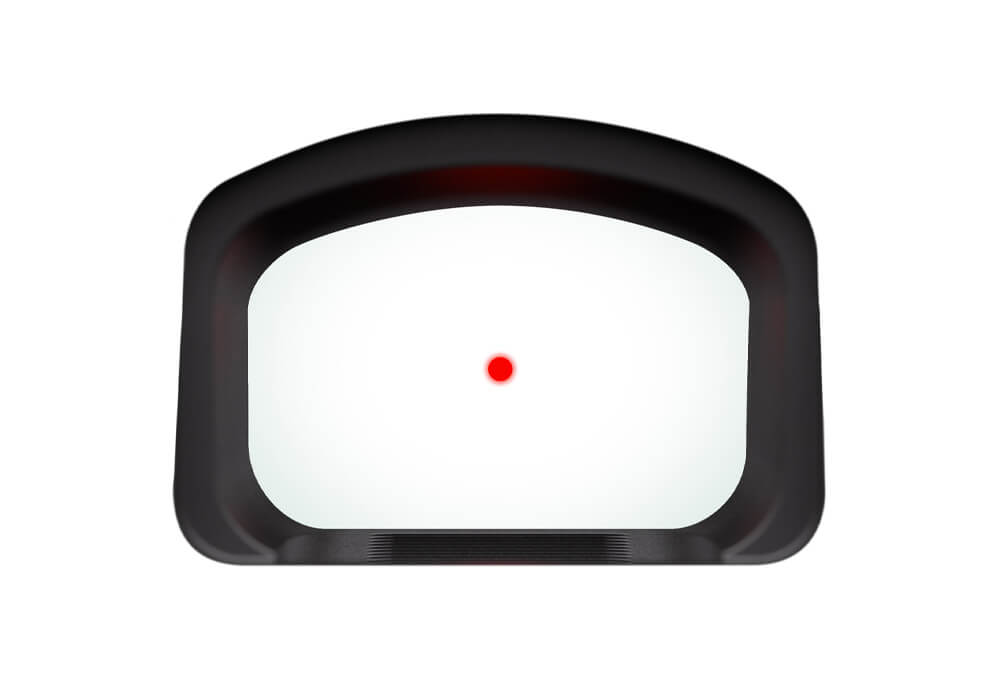
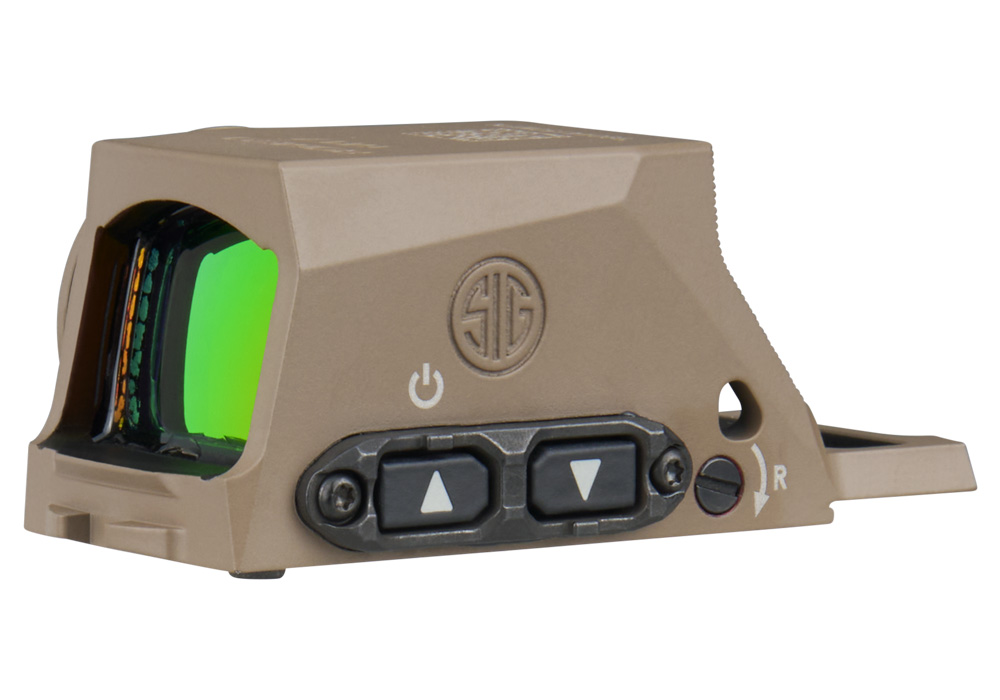
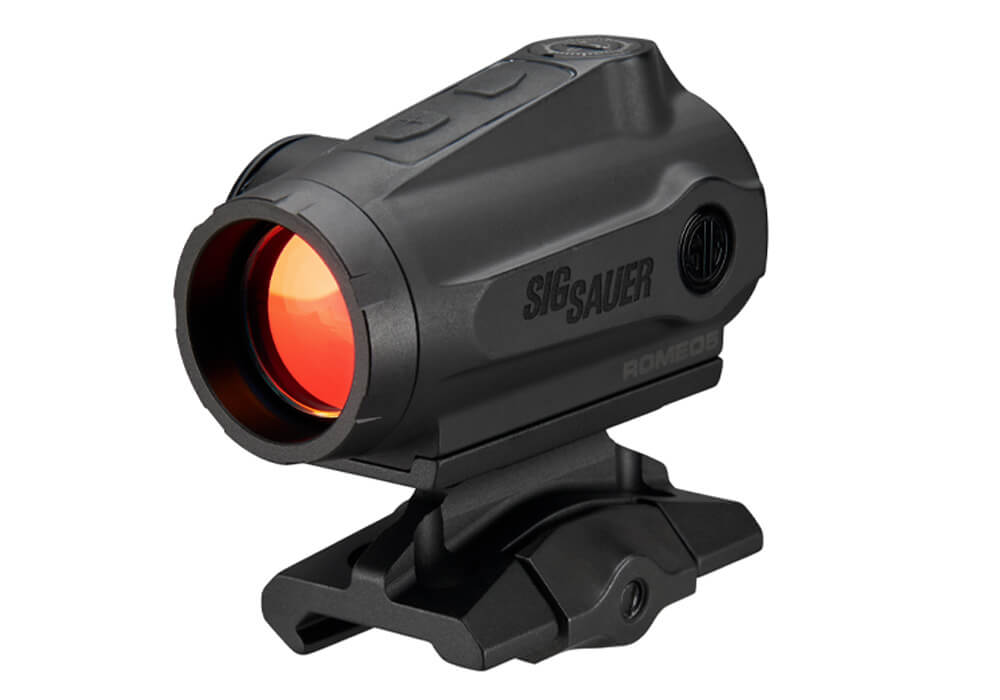
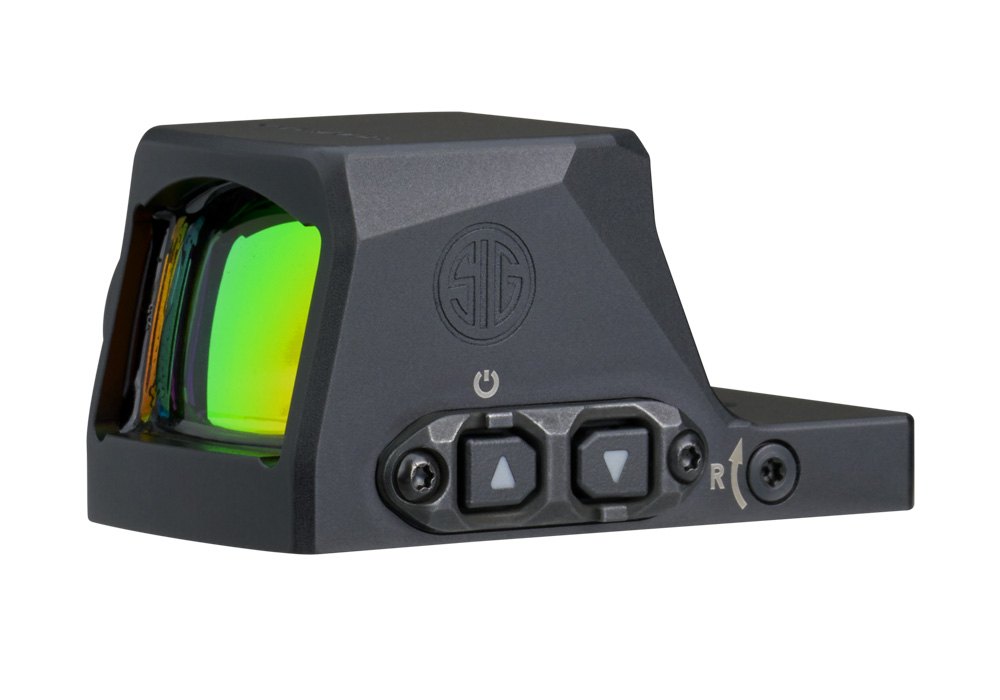
Optical sights are aiming devices that use lenses, reticles, or illuminated aiming points to help a shooter align a firearm with a target. The category includes nonmagnified red dot, reflex, and holographic sights, along with magnified optics that bring distant details into clearer view. A red dot sight presents an illuminated aiming point within the sight picture rather than projecting a visible dot onto the target. Reflex sights typically create that aiming point by reflecting light from an internal emitter, while holographic sights use a different optical system to display a reticle. Many nonmagnified designs support shooting with both eyes open, allowing the shooter to see the aiming reference while retaining a broader view of the surroundings. Magnified sights serve a different purpose, helping distinguish smaller targets and finer details at greater distances. These differences give optical sights a place on recreational range firearms, hunting firearms, and competition setups, with the right match depending on the firearm and its intended use. On a paper target, a fine aiming point can leave more of the center visible; against a visually busy background, a larger or more distinct reticle may be easier to pick out. Reticle size is often expressed in minutes of angle, or MOA, with a larger number indicating an aiming point that covers more of the target at a given distance. Neither a small dot nor a large dot is automatically better: visibility, eyesight, target size, and shooting distance all influence how useful a particular aiming reference feels. Brightness adjustment matters for the same reason. An illuminated reticle should remain visible without appearing so intense that its edges obscure the intended point of aim. For shooters who see a starburst or irregular shape instead of a clean dot, comparing different reticle technologies in person can be especially worthwhile, since individual vision can affect the apparent shape of an illuminated aiming point. A comfortable sight picture is a practical benefit that matters more than an impressive specification on its own.
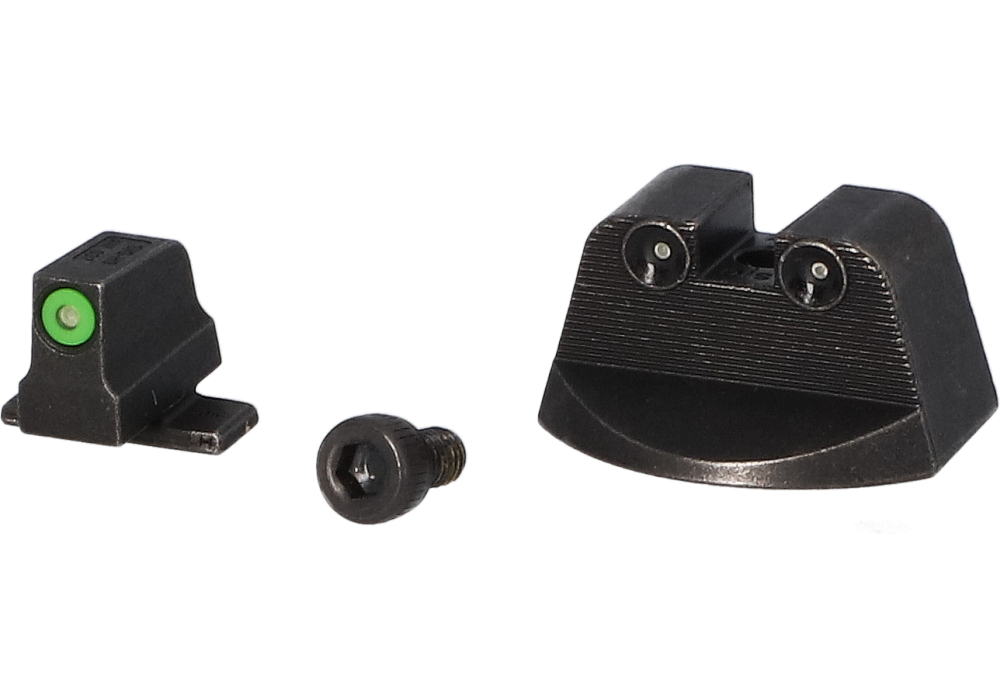
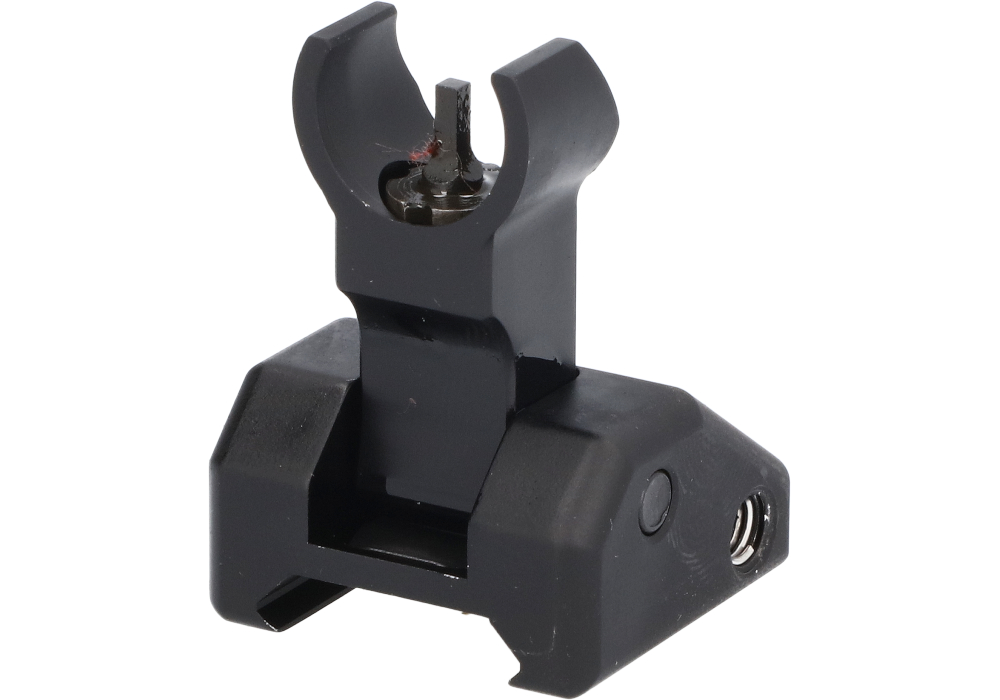
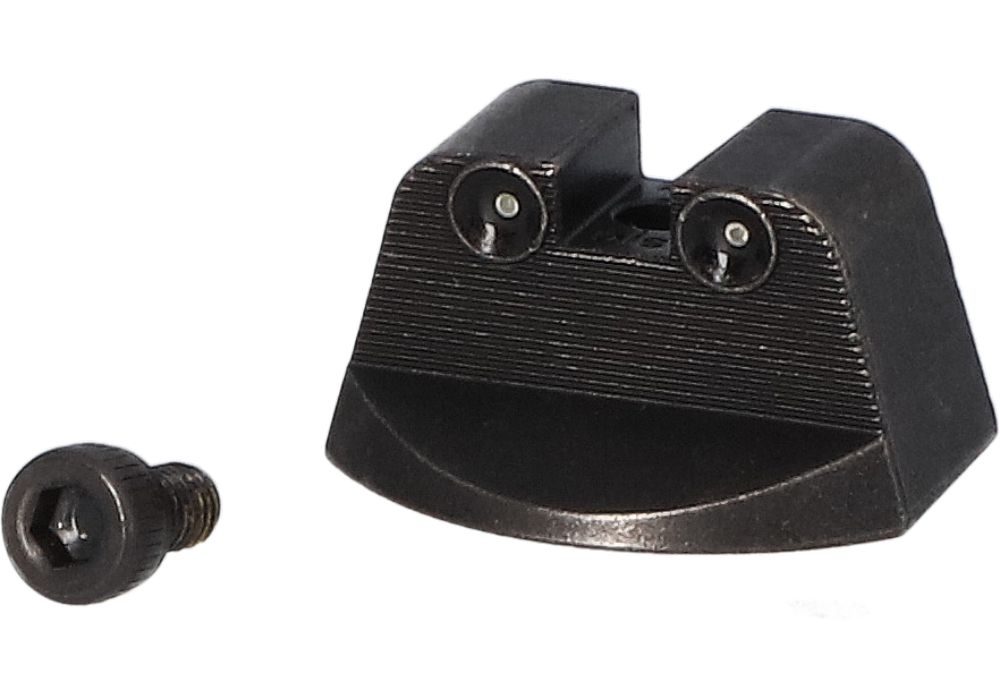
Fit involves more than whether an optical sight can attach to a firearm. Mounting footprints, rail interfaces, adapter plates, and mounting hardware must correspond to the firearm and the optic, and similar-looking mounting patterns are not necessarily interchangeable. The complete arrangement also needs suitable clearance for controls, moving components, and any other accessories already installed. On a handgun, the relationship between the slide cut, mounting plate, and sight dimensions is particularly important. On a rifle, mount height and placement affect how naturally the eye settles behind the optic with a consistent cheek position. Nonmagnified sights generally allow considerable flexibility in eye position, while magnified optics have a more defined eye relief and viewing area. A comfortable setup presents a useful sight picture without requiring an awkward head position or a strained stance. Shooters retaining mechanical sights may also consider whether the optic and mount permit a compatible sight picture through the window. The relationship between optical and mechanical aiming systems makes Iron Sight Optics relevant when considering a complete sighting setup. Housing dimensions and weight also deserve attention, particularly on a firearm carried for extended periods or used through a lengthy competition session. Aluminum housings are common because they balance structural strength with manageable weight, although construction, lens protection, and overall design vary. Recessed lenses, protective shrouds, and sealed construction can help protect vulnerable components from routine contact, dust, and moisture. Open-emitter and enclosed-emitter designs have different layouts, with an enclosed design shielding the light path inside the housing. Lens coatings may improve light transmission, reduce reflections, or make surface contamination easier to remove, depending on their purpose. Recoil resistance and the ability to retain an established zero are important durability considerations, but those qualities depend on the optic, a compatible mounting system, and installation that follows the relevant manufacturer instructions. A solid housing cannot compensate for unsuitable hardware or a poorly matched mount. Clear documentation and accessible controls can be just as valuable as a compact profile when the sight becomes part of a regularly used setup.
Everyday ownership brings smaller details into focus: how easily brightness controls can be reached, whether adjustments have clear markings, and how much work a battery change requires. Battery-powered optical sights vary in battery type, compartment location, illumination settings, and power-management features. Some designs allow battery access without removing the optic, while others require removal and a subsequent check of zero after reinstallation. Motion activation and automatic brightness adjustment can add convenience where present, but their behavior should suit the intended setting rather than simply adding another feature to the specification list. Manual control may appeal to a shooter who prefers a consistent reticle brightness throughout a range session. Care is equally practical. Fingerprints, lint, and fine debris can interfere with an otherwise clear view, so lenses benefit from gentle cleaning with materials and solutions recommended for coated optics. Loose particles should be cleared before wiping, and household glass cleaners or rough fabric can be unsuitable for specialized lens surfaces. Protective covers can help keep lenses clean during transport and storage, while periodic checks of the housing, battery compartment, and mounting hardware help reveal wear or loosening. Optical sights still require responsible firearm handling, and an illuminated aiming point does not replace target identification or awareness of what lies beyond it. For a recreational shooter, the most useful features may be uncomplicated controls and a clear view of a familiar target. A competition participant may place more emphasis on window size, reticle visibility, and dependable operation over repeated sessions. A hunter may prioritize manageable weight, useful magnification, and a reticle that remains readable against varied terrain. As a gift, an optical sight is most thoughtful when the recipient’s firearm compatibility, preferred shooting activities, and visual preferences are already known. Across these uses, lasting satisfaction usually comes from the combination of clear glass, appropriate fit, comfortable viewing, and straightforward upkeep—not from choosing the longest feature list.