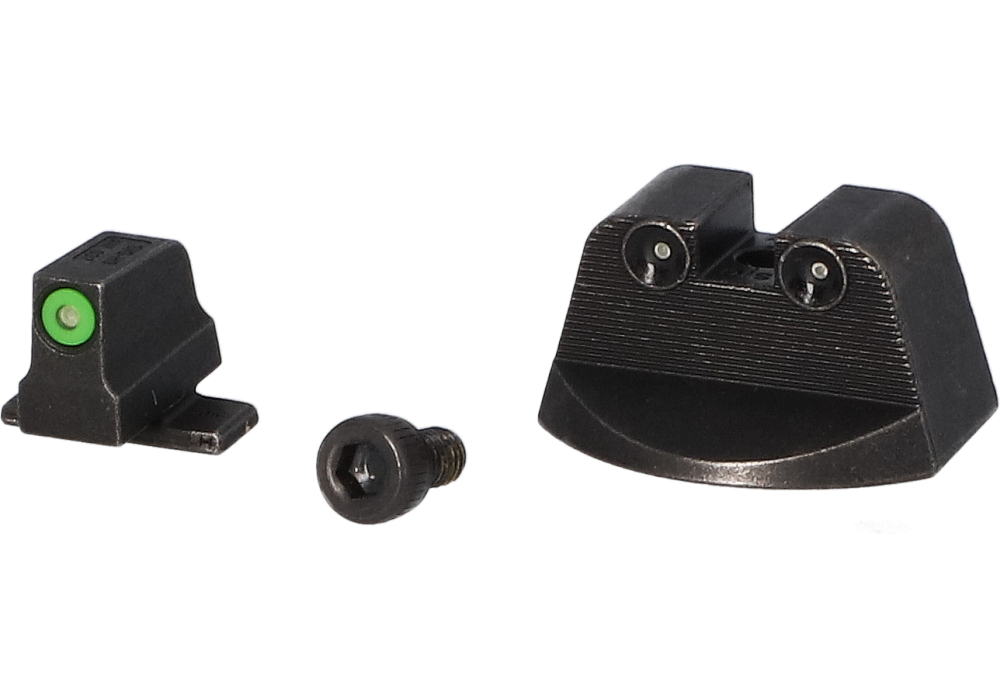
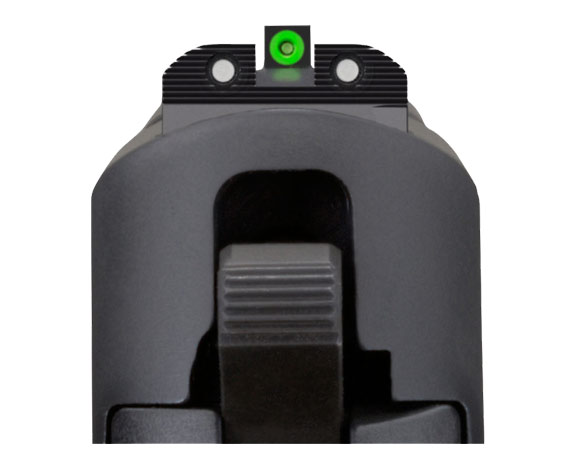
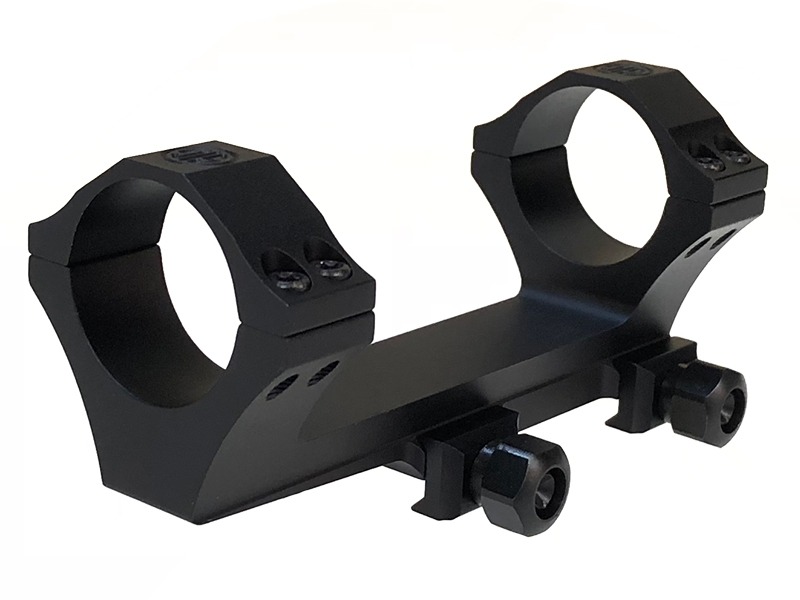
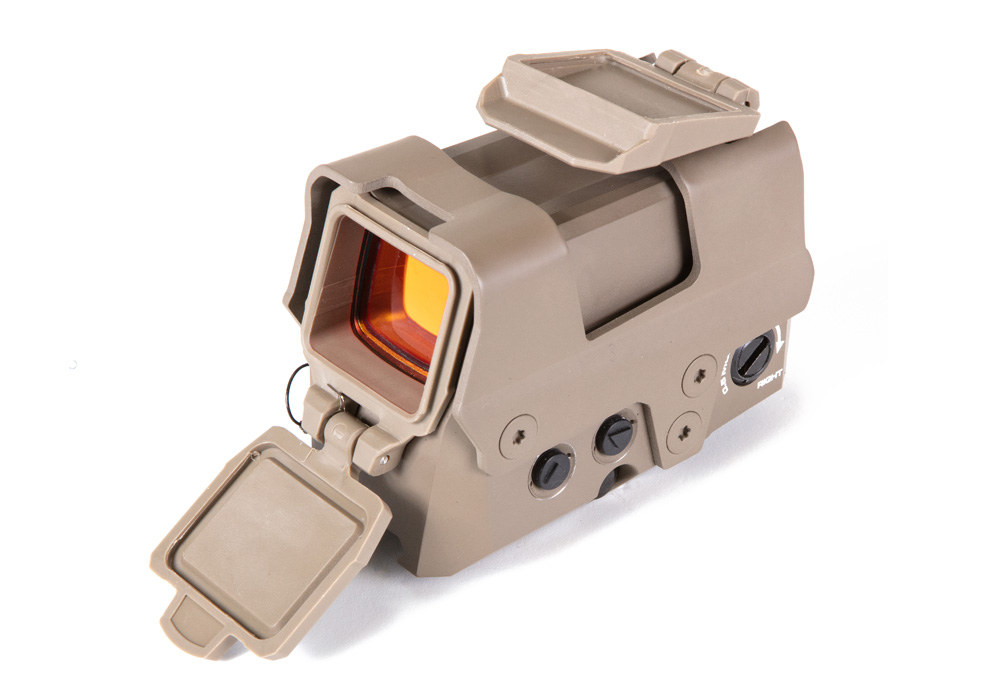
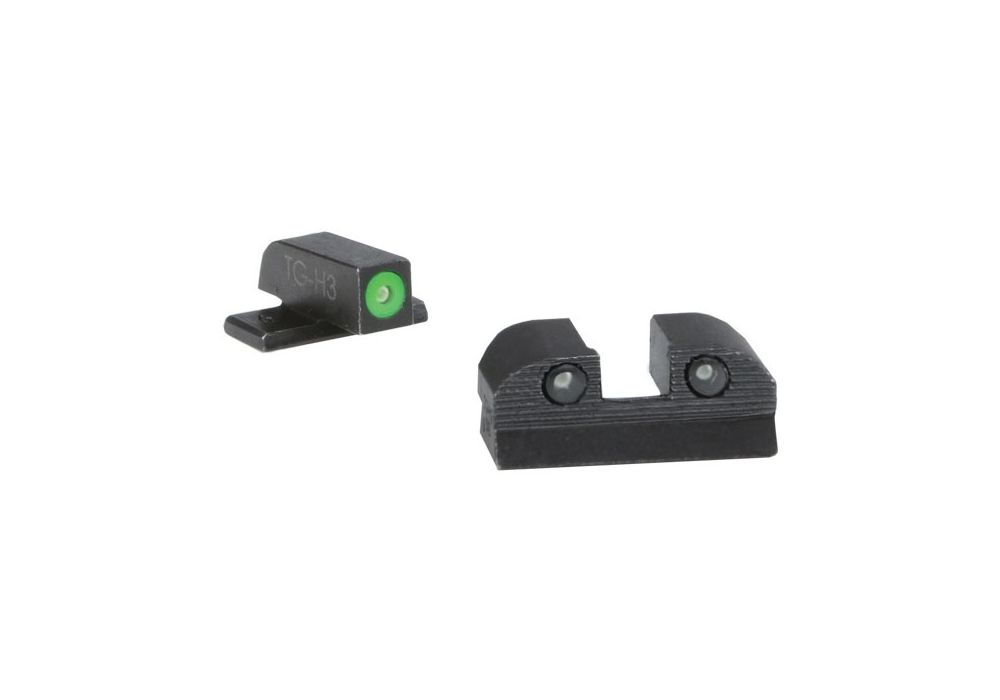
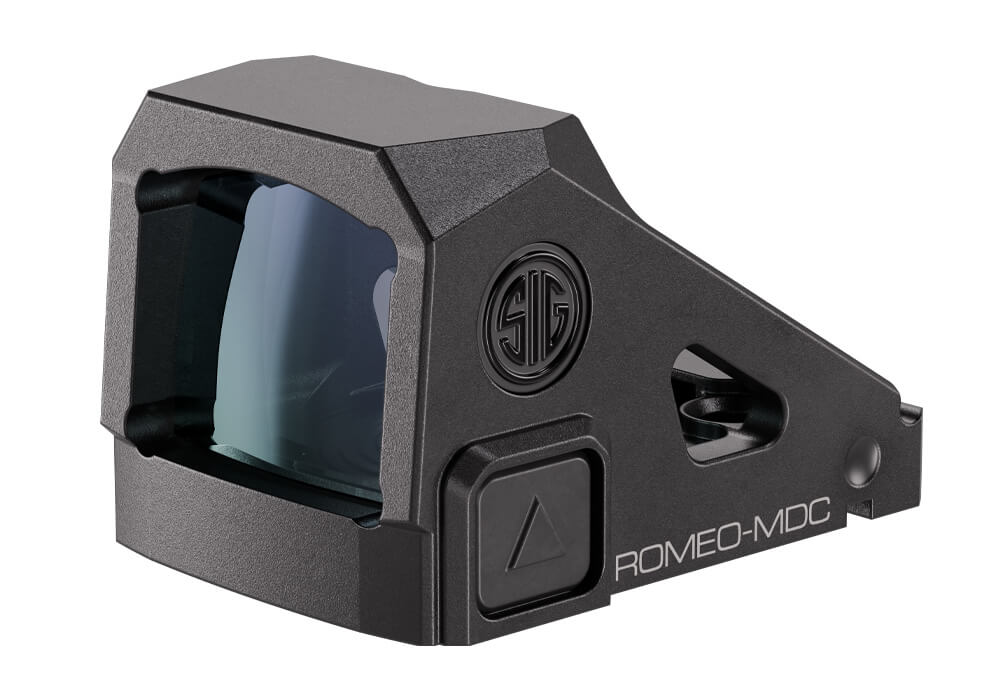
Optical sight attachments are aiming and support accessories that include red dot sights, holographic sights, magnifiers, mounting hardware, and protective components for compatible rifles, shotguns, and handguns. Each serves a different purpose within the sighting system: an illuminated sight provides a visible aiming reference, a magnifier enlarges the image viewed through a compatible sight, and a mount connects the optic to the firearm while establishing its position. Together, these categories offer options for recreational range use, hunting, and shooting sports without requiring every firearm to have the same configuration. A compact sight can suit a handgun used for target practice, while a rifle setup may accommodate a larger viewing window or a separate magnifier. The practical value lies in matching the attachment to the platform and the activity rather than selecting by appearance alone. Red dot sights typically present an illuminated aiming point without magnifying the scene, allowing the user to see the surrounding area as well as the target. Holographic sights use a different optical system to present an illuminated reticle, while magnifiers add image enlargement behind compatible nonmagnified sights. Not every sight supports every magnifier, and the relationship between the two matters as much as their individual specifications. Reticle shape, brightness adjustment, lens clarity, and the size of the viewing window all affect the viewing experience. A bright aiming point may be easy to see against one background but obscure fine target details against another if its intensity is excessive. At a range bench, the difference between a clean, distinct reticle and one that appears too bright can be more noticeable than a difference in housing size. For users who wear corrective lenses, the perceived reticle can also vary with individual vision. Optical sight attachments are therefore best understood as a coordinated system of viewing, mounting, and protection components, with suitability determined by the firearm interface, the user’s visual needs, and the demands of the intended activity.
Fit begins with the connection between the firearm and the attachment, but it extends beyond whether two parts can physically meet. Rail dimensions, mounting footprints, adapter requirements, and available clearance determine whether an optic and its hardware are compatible. Similar-looking mounting patterns are not necessarily interchangeable, and a plate or base intended for one interface should not be assumed to fit another. Published compatibility information is particularly important for handgun optics, where the slide interface, mounting hardware, and surrounding geometry can differ substantially between platforms. On rifles and shotguns, the mounting arrangement also influences sight height, access to controls, and the space available for other accessories. A magnifier introduces additional considerations, including alignment with the primary sight, eye relief, and room for its mounting mechanism. Eye relief describes the distance between the eye and the optic at which the intended view is visible; unlike many nonmagnified sights, a magnifier generally requires a more specific viewing position. That distinction can matter to a target shooter who alternates between viewing the full scene and examining a smaller area in greater detail. Materials and construction deserve similar attention. Aluminum housings can balance weight and rigidity, while steel hardware can provide strength at fastening points. Protective finishes help resist surface wear, and lens coatings can support light transmission or reduce reflections, depending on their design. These features should be evaluated through the stated specifications rather than broad assumptions about a material or finish. Durability involves the complete assembly: the housing, mounting interface, seals, adjustment controls, and internal components all contribute to how an attachment holds up in regular use. Recoil resistance, impact resistance, and water resistance are separate characteristics, not interchangeable promises. An attachment suitable for one firearm or activity may not carry the same suitability for another. Weight also has practical consequences; several small accessories can collectively change how a firearm feels during transport or an extended range session. A balanced selection provides the necessary viewing and mounting functions without adding components that serve no clear purpose.
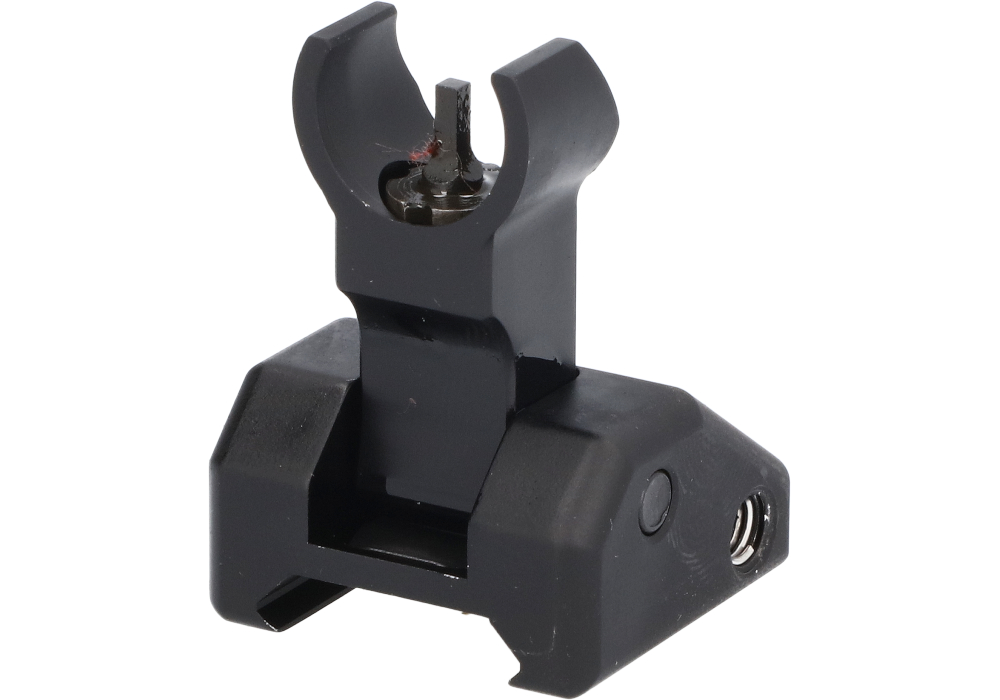
Care and ownership considerations help distinguish an attachment that fits a specification sheet from one that fits everyday use. Exposed lenses collect fingerprints, dust, and residue, and appropriate lens-safe cleaning materials help preserve their surfaces and coatings. Abrasive wiping or unsuitable solvents can damage an optical surface, so the manufacturer’s care recommendations remain the best reference for cleaning and storage. Protective covers can reduce contact with lens surfaces during transport, while a suitable case helps keep the optic and its mounting hardware from rubbing against other equipment. Electronic sights also bring battery considerations, including the specified battery type, access to the compartment, and whether replacement requires removing the sight. Battery-life estimates depend on operating conditions and settings, so they are useful comparison points rather than guarantees of uninterrupted operation. Controls should be accessible within the intended setup, and their layout should suit the user’s handling preferences. For someone carrying equipment between a vehicle, a range bench, and a storage case, protected adjustment controls and an uncomplicated cover can be more useful than an additional feature that rarely sees use. Sight combinations deserve attention as well. Depending on the platform and mounting arrangement, an optical sight may be used alongside conventional sights, but visibility and clearance vary. The related Iron Sight Optics category offers additional context for shoppers considering those sighting configurations. As a gift, an optical attachment is most appropriate when the recipient’s firearm interface and preferred setup are known; compatibility is far more important than choosing a visually impressive accessory. A recreational target shooter, a hunting enthusiast, or someone involved in organized shooting sports may value different characteristics even when using similar equipment. Clear compatibility details, documented durability, manageable weight, and straightforward care provide a useful basis for comparison. The strongest choice is not necessarily the largest optic or the most elaborate arrangement, but a sight attachment that fits correctly, presents a comfortable view, and supports the activities for which it will actually be used.