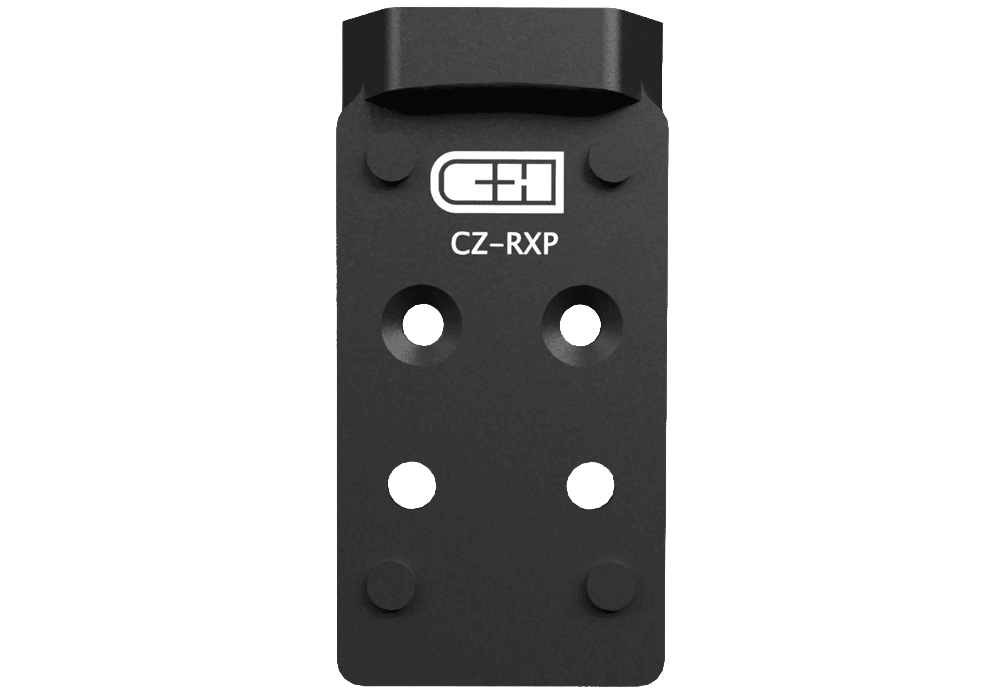
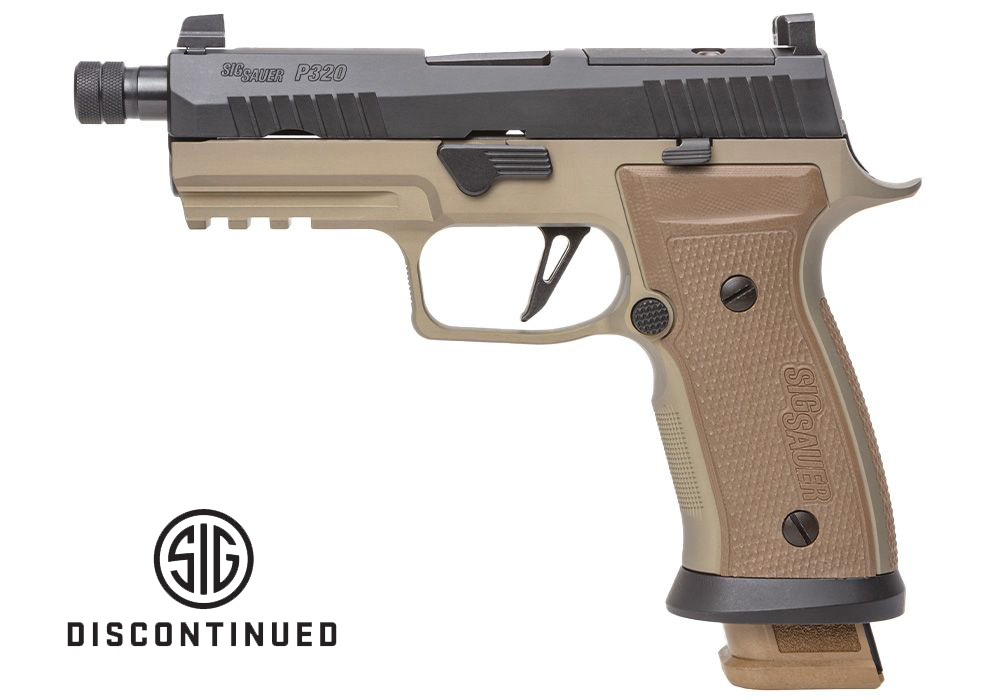
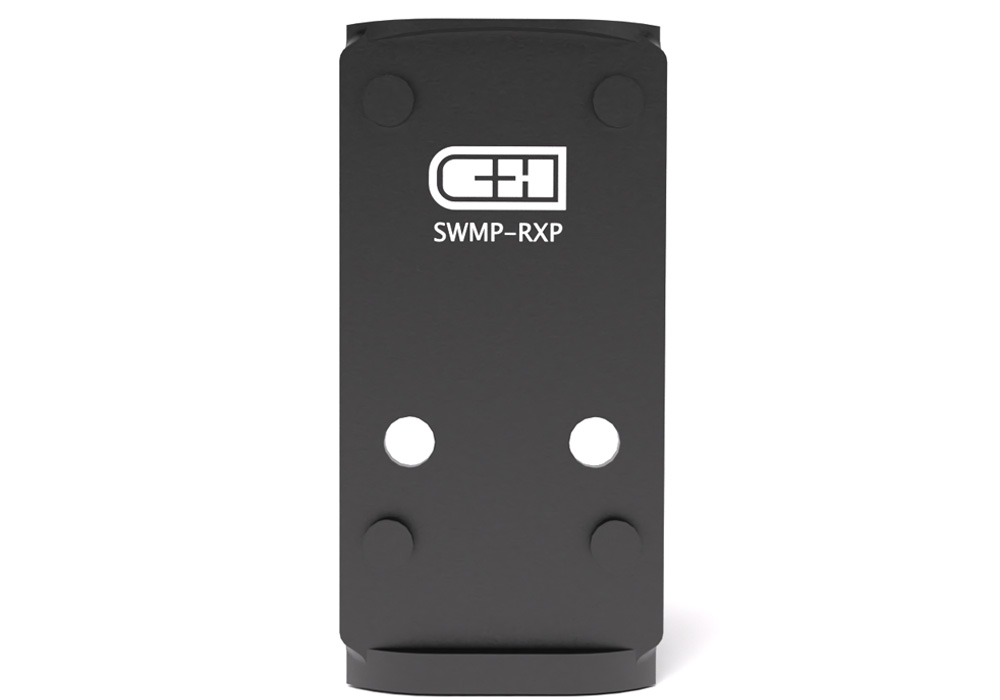
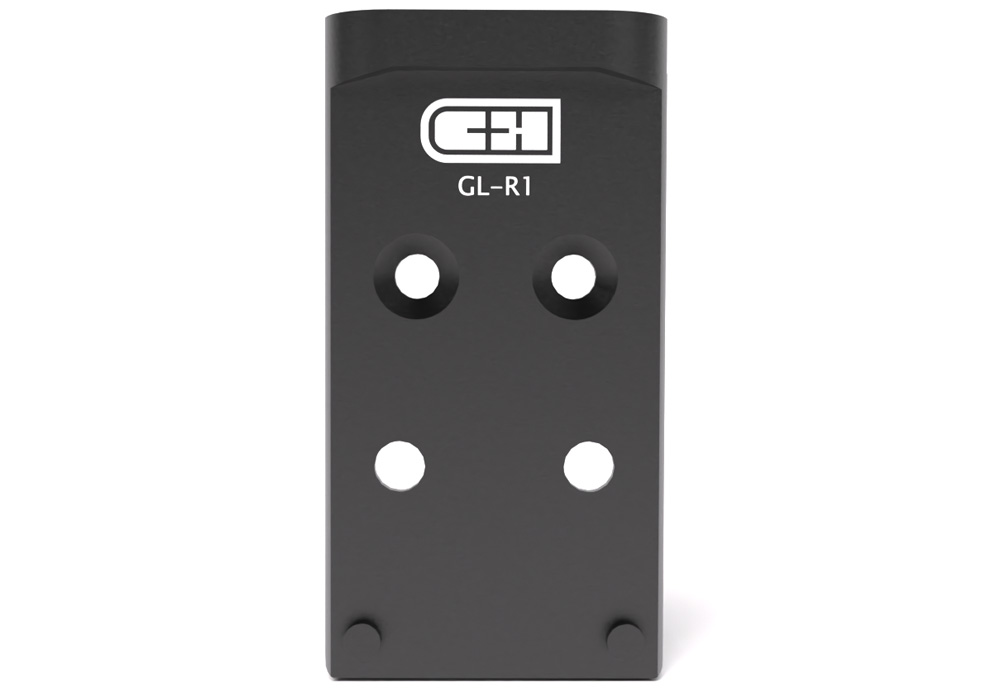
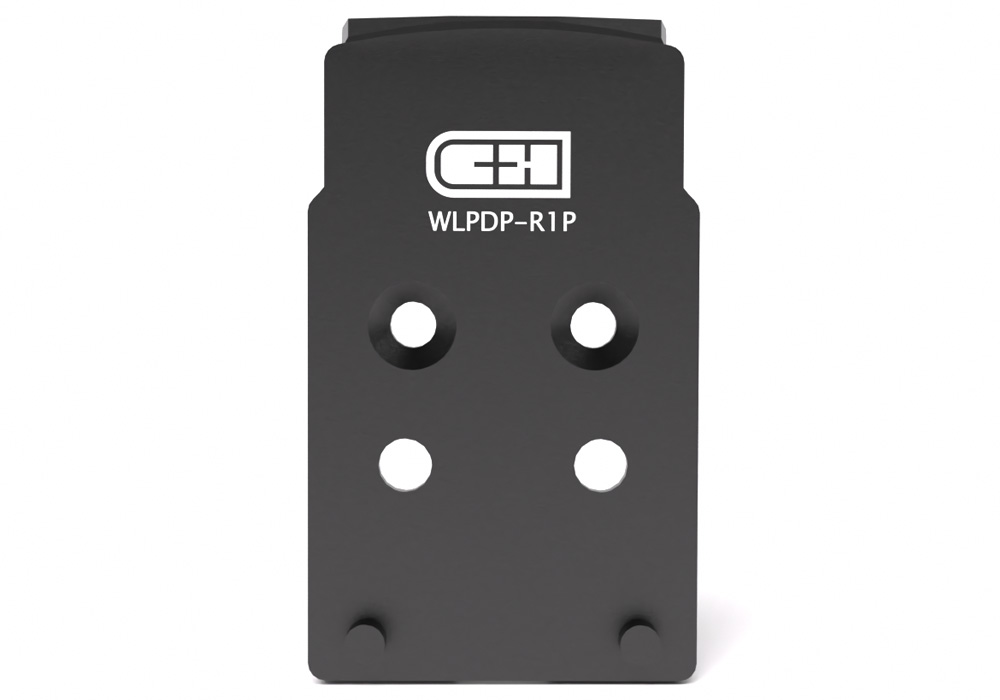
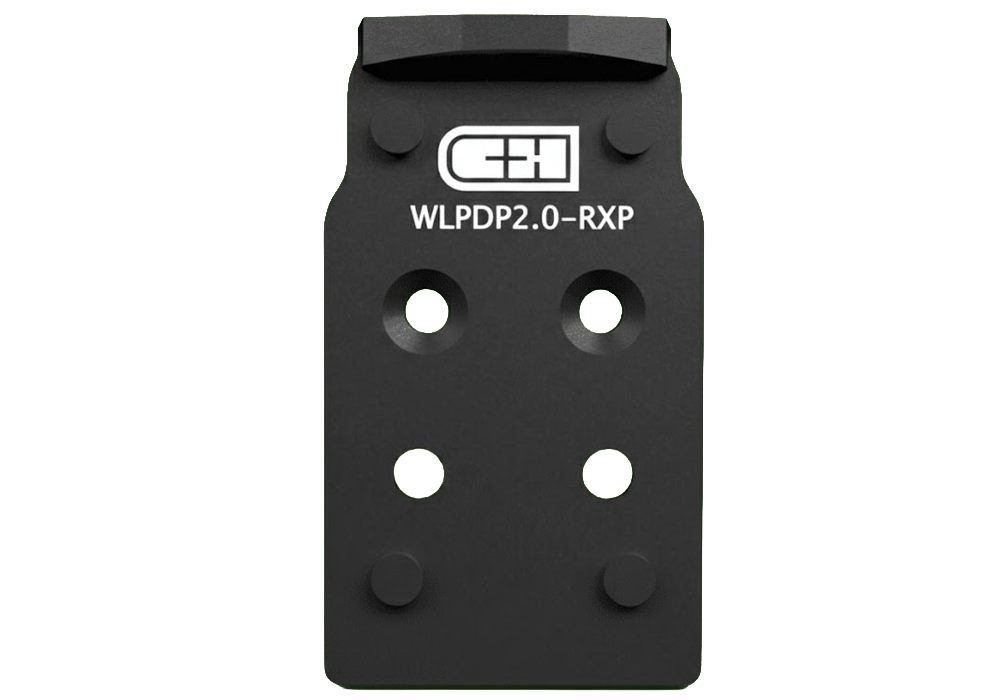
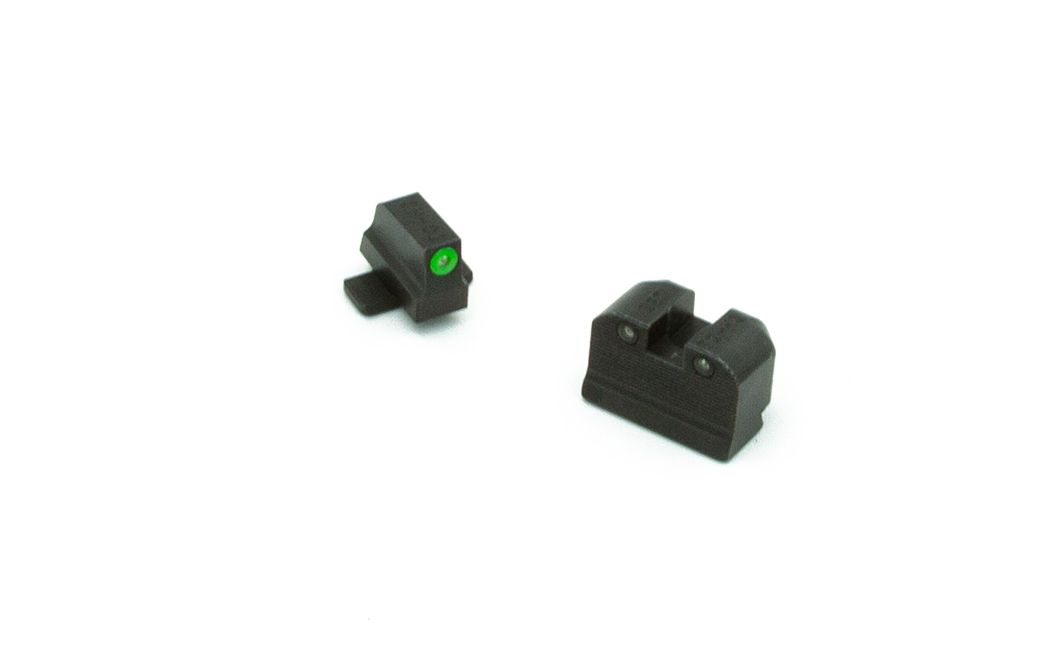
Optics plates provide a practical connection between an optics-ready handgun slide and a compatible electronic sight. Rather than permanently altering the slide, a properly fitted plate fills the space between the slide cut and the optic’s mounting pattern, creating a stable platform for a compact red dot sight. This modular approach gives shooters more flexibility when configuring a handgun for range practice, training, competition, duty use, or personal protection. It also makes it easier to change sighting systems as preferences develop, without committing to a single mounting standard. When browsing optics plates, the most important consideration is compatibility. The plate must match the exact handgun model and slide configuration, while its upper mounting pattern must correspond with the footprint of the intended optic. Even handguns from the same family can use different cuts, screw patterns, plate dimensions, or mounting hardware, so the model designation alone may not tell the whole story. Confirm whether the slide is designed for a particular plate system, whether the optic requires a specific adapter pattern, and whether the plate includes the correct screws or spacers. A plate that appears close in size may still be unsuitable if the locating bosses, screw spacing, or recoil lugs do not align precisely. Shooters comparing Advanced Optics can use the same careful approach by reviewing the firearm and optic specifications together before making a selection. The goal is a secure, centered fit that allows the optic and slide to work as a single system through repeated recoil and handling.
A well-matched optics plate supports dependable alignment and helps the sight maintain zero when installed correctly. The plate should sit flush against the slide with no rocking, visible gaps, or interference with the optic. Before installation, unload the handgun completely, remove the magazine, clear the chamber, and work in a safe, well-lit area while following the firearm and optic manufacturers’ instructions. Clean and degrease the mating surfaces and fasteners as directed, since oil, debris, or residue can affect screw retention and prevent the plate from seating properly. Use only the screws specified for the particular combination of slide, plate, and optic; a screw that is too long can interfere with internal components, while one that is too short may not provide adequate engagement. Thread-locking compound may be appropriate when recommended by the manufacturer, but it should be compatible with the hardware and applied sparingly. Tighten the fasteners with a suitable inch-pound torque wrench to the exact specification provided by the manufacturer rather than relying on feel. Over-tightening can damage threads or the optic housing, while under-tightening may allow movement during firing. Once mounted, inspect the sight from several angles, confirm that it is seated squarely, and follow the recommended curing time for any thread locker before firing. A witness mark across a fastener and the plate can make it easier to notice movement during later inspections. After installation, confirm the optic’s operation, fire a careful confirmation group at the range, and recheck the mounting hardware after the first session. Zeroing is not a substitute for correct installation, but it can reveal alignment issues before the handgun is relied upon for more demanding use. Routine checks are especially valuable for pistols carried frequently, exposed to changing temperatures, or transported in a case where repeated contact can place stress on the optic and plate.
Optics plates are useful for experienced shooters refining a familiar handgun as well as for newer owners building a modern sighting setup one component at a time. A compact red dot can offer a clear aiming reference and may be helpful during structured practice, particularly when the shooter is learning to present the handgun consistently and track the dot through recoil. The plate itself is also a thoughtful accessory for a shooter who already owns an optics-ready handgun or is considering an optic but has not selected a mounting arrangement. It can be a practical gift for a range partner, a new handgun owner, or someone assembling equipment for training during the cooler months, provided the giver first confirms the recipient’s exact handgun model and intended optic footprint. Small details matter: some setups use a plate with a raised interface, others use a direct-fit arrangement, and certain sights may require alternate screws or a specific sealing plate. Storage and maintenance deserve attention as well. Keep spare plates and hardware organized in labeled containers, protect machined surfaces from excess moisture, and avoid mixing screws from different mounting systems. When transporting a configured handgun, use a suitable case and prevent the optic from bearing unnecessary pressure against hard surfaces. During regular cleaning, inspect the plate edges, screw heads, recoil lugs, and optic housing for signs of movement, damage, or unusual wear. If a plate does not fit naturally, the screws do not engage correctly, or the mounting instructions are unclear, stop and consult the firearm or optic manufacturer or a qualified gunsmith rather than forcing the parts together. Choosing the right optics plate is ultimately about matching three elements—the handgun slide, the plate interface, and the optic footprint—and then installing them with careful attention to fit, fastener specifications, and maintenance. With those details addressed, a plate can provide a clean, adaptable foundation for a dependable handgun optic setup through changing seasons and continued range use.