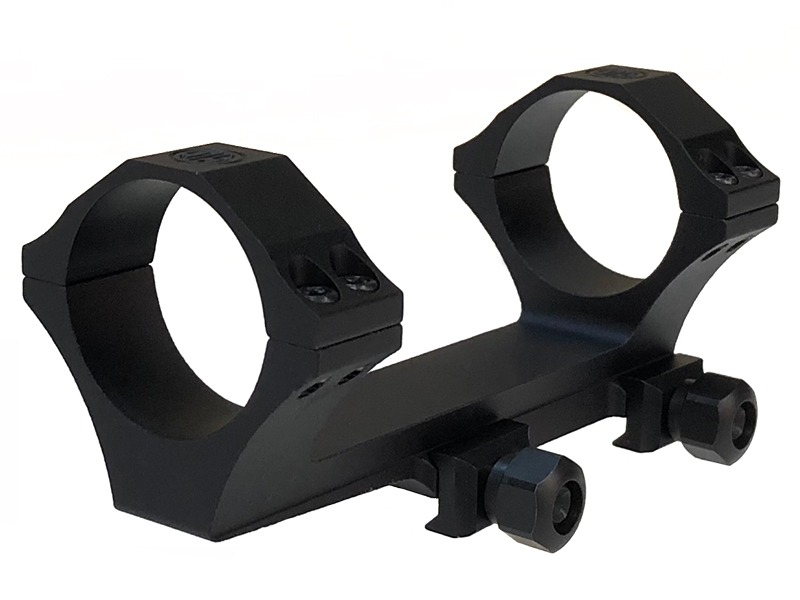
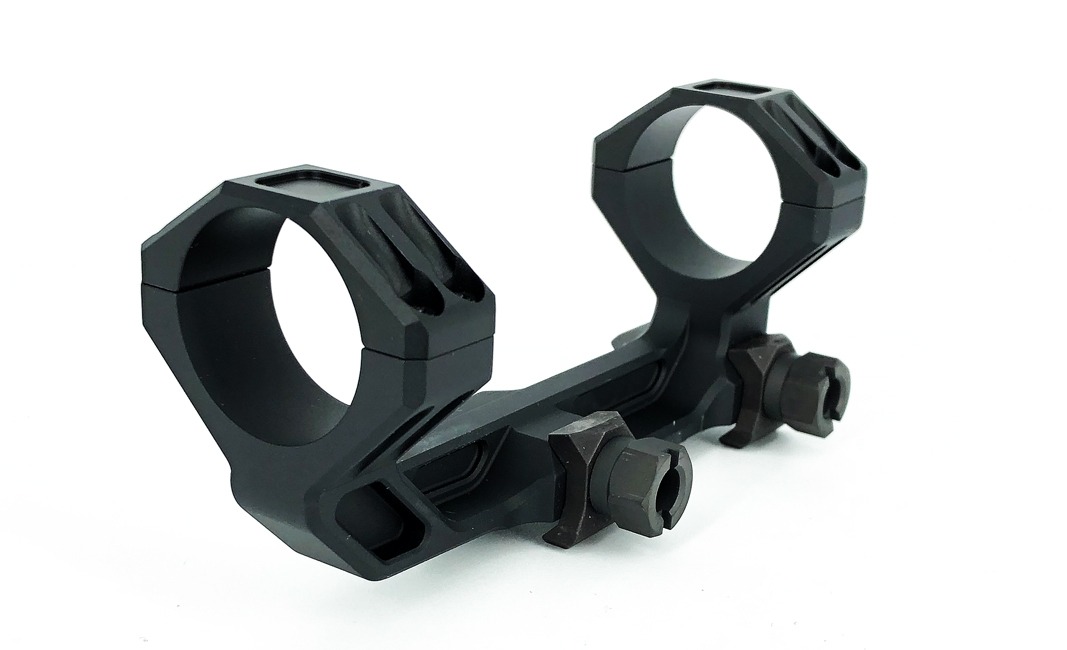
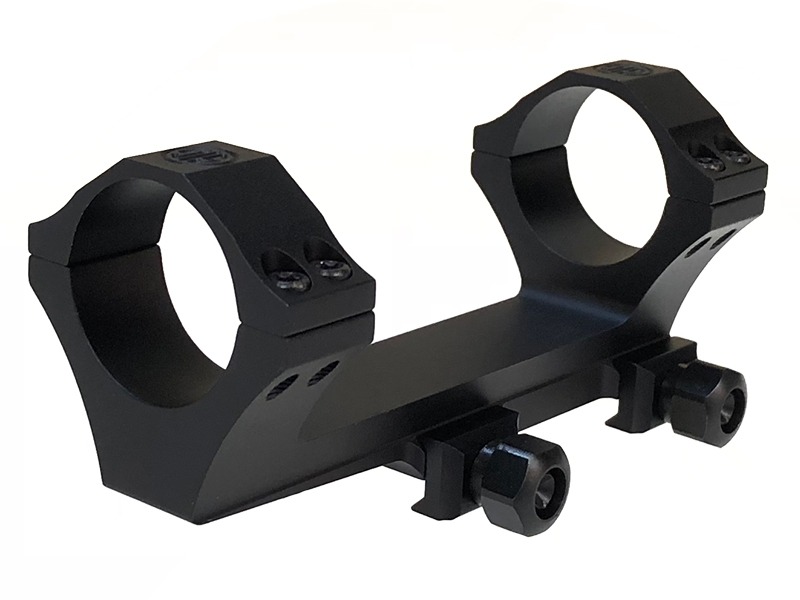
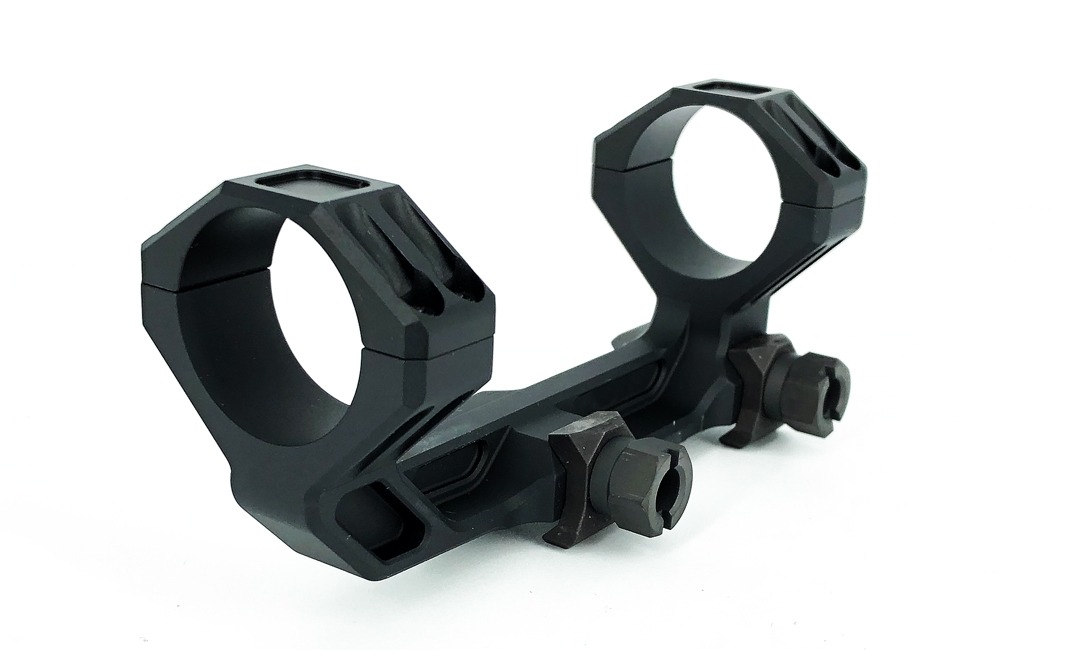
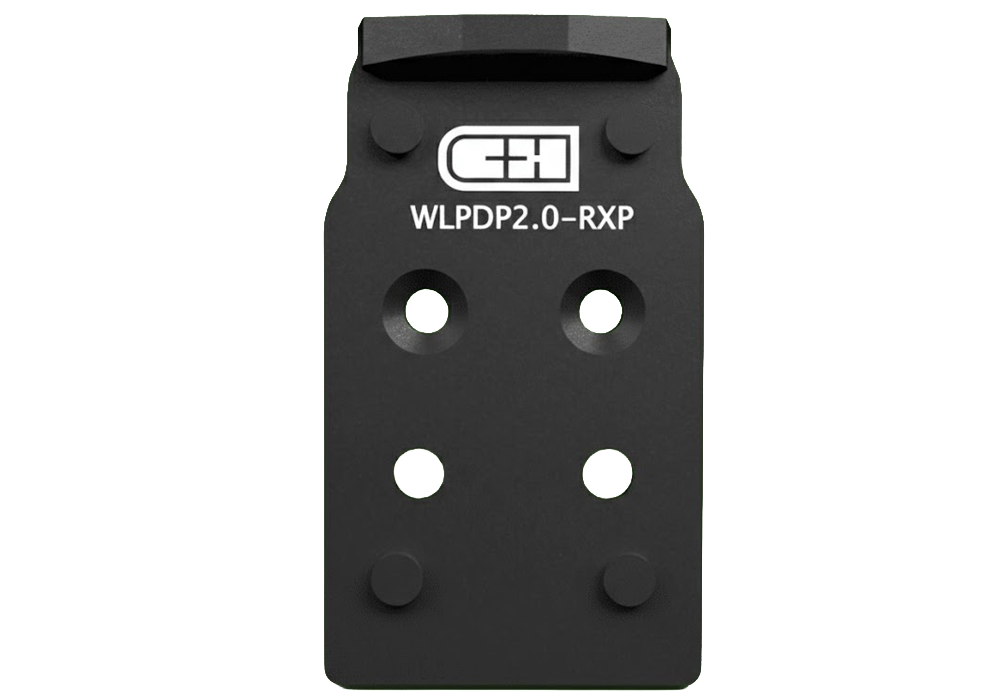
An optical mount secures a scope, red dot sight, or magnifier to a firearm, creating the connection between the optic and a compatible receiver, rail, or slide. Its purpose is to hold the sight in a stable position and help preserve zero through recoil and normal handling. That connection matters whether the setup is intended for target shooting, hunting, competition, or regular practice at the range. Even a carefully selected optic depends on a mount that fits both the firearm and the sight correctly. Scope rings support an optic around its main tube, while a one-piece scope mount combines the rings and base into a single assembly. Other mounting systems use a dedicated footprint or adapter plate to connect a compact sight to its mounting surface. These designs serve different applications, so similar appearances do not establish compatibility. Ring diameter must match the scope tube rather than the objective lens, and a sight’s mounting footprint must match the supporting interface. Rail profile, mounting slot dimensions, screw specifications, and the firearm’s mounting provisions also influence fit. A scope with a large objective bell may need additional clearance above the barrel or handguard, while a compact sight may benefit from a lower mounting position when the firearm’s geometry allows it. Height affects more than clearance: it influences head position, cheek contact, and how naturally the sight picture appears when the firearm is shouldered. For a magnifier used behind a compatible sight, matching the optical centerline is another important consideration. Optical mounts are therefore best understood as part of a complete sighting system rather than an isolated accessory. The most suitable configuration balances secure attachment, comfortable viewing, unobstructed operation, and the physical requirements of the firearm and optic. A mount that looks appropriate in a photograph can still be unsuitable if its dimensions, interface, or placement conflict with any of those requirements.
Materials and construction shape how optical mounts handle recoil, repeated use, and the practical demands of transport. Aluminum alloys are common where strength and lower weight are priorities, while steel can suit applications that place greater emphasis on rigidity and wear resistance. Neither material alone determines quality; machining, dimensions, fastener design, and the way the mounting surfaces engage all contribute to performance. Protective finishes help resist corrosion and surface wear, although no finish eliminates the need for routine care. Cleanly machined contact surfaces and correctly fitting hardware are especially important because the mount must support the optic without uneven pressure or unwanted movement. For scope rings, alignment and appropriate clamping pressure help protect the tube while keeping it secure. The manufacturer’s installation requirements remain important across mounting styles, including any specified tightening sequence, torque values, or thread treatment. Excessive tightening is not a substitute for a correctly matched interface. Mount configuration also changes how a firearm feels in use. A lightweight assembly can keep a frequently carried hunting setup from becoming unnecessarily cumbersome, while a more substantial mount may suit a rifle used primarily from a supported position. Cantilever designs can provide additional forward positioning for eye relief on compatible platforms, whereas separate rings offer placement flexibility within the limits of the mounting surface and scope tube. Fixed mounts emphasize a straightforward attachment, while quick-detach designs provide a means of removing an optic when the application calls for it. Repeatability after removal depends on the design, interface, and consistent attachment; zero should still be confirmed before relying on the setup. The Precision Mounts collection provides a related category for exploring the connection between optic support, fit, and alignment. Across mounting styles, practical details such as access to controls, clearance around the action, and room for protective lens covers can be just as relevant as the mount’s overall dimensions.
Everyday use often reveals the value of a well-matched optical mount in small, tangible ways: a comfortable head position during a long range session, enough clearance to operate the action without interference, or a scope that remains securely positioned after routine travel in a protective case. A target shooter may prioritize consistent eye relief and a stable viewing position from a bench, while a hunter may place greater emphasis on manageable weight and an uncluttered setup. A competitor may need a mounting arrangement that accommodates the chosen sighting system without obstructing controls or complicating normal handling. These priorities can overlap, but they do not always point toward the same mount height, attachment style, or overall footprint. Care is similarly practical rather than elaborate. Accessible surfaces benefit from gentle cleaning with a soft cloth or brush, especially where dust and debris can collect around fasteners and mounting interfaces. Cleaning products should be compatible with the mount’s finish and kept away from optical surfaces unless approved for that purpose. Routine inspection can reveal loose hardware, visible movement, damaged screws, or wear that deserves attention before further use. Manufacturer guidance should govern maintenance, and uncertain fit or installation is a reason to consult a qualified professional rather than force components together. Protective storage helps prevent unnecessary contact with the optic and its mount, particularly when other equipment shares the same case or bag. For someone choosing a mount as a gift, exact compatibility matters more than a general description such as “scope mount” or “red dot mount.” Knowing the recipient’s firearm interface, optic footprint or tube diameter, and preferred setup helps avoid an unsuitable match. Ultimately, optical mounts support a simple goal: keeping the sighting system securely connected and comfortably positioned for its intended role. Careful attention to fit, construction, clearance, and maintenance helps that connection remain dependable without adding unnecessary complexity to the firearm.