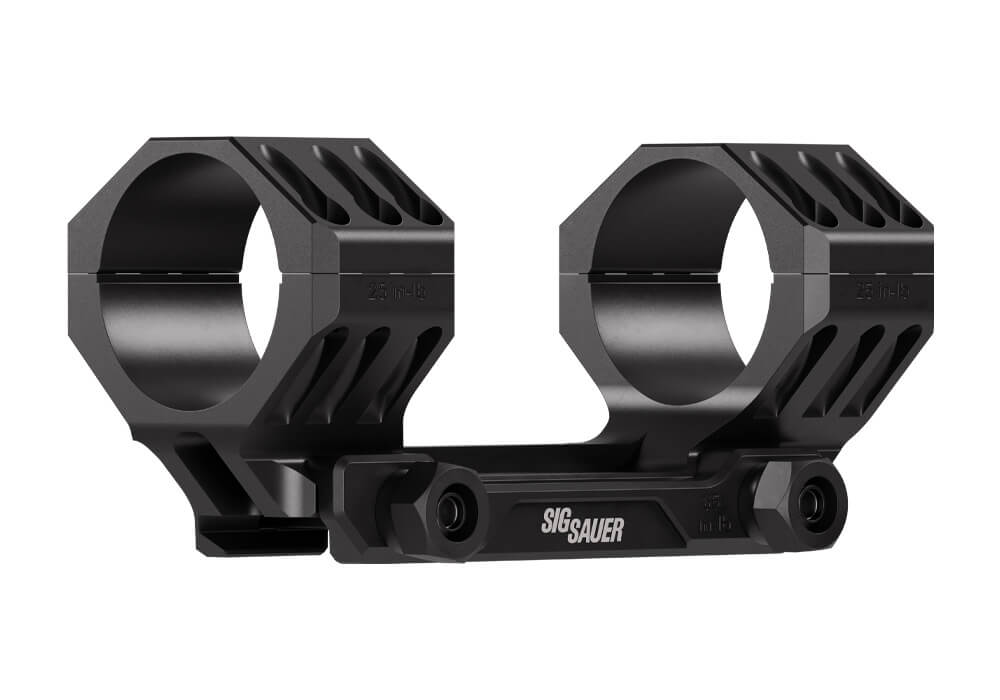
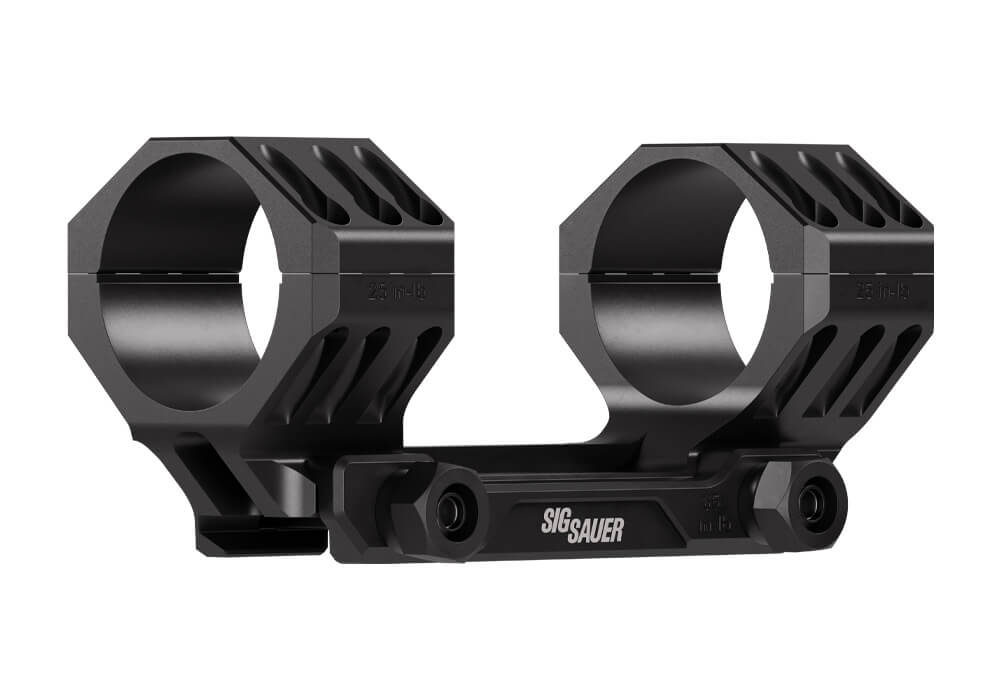
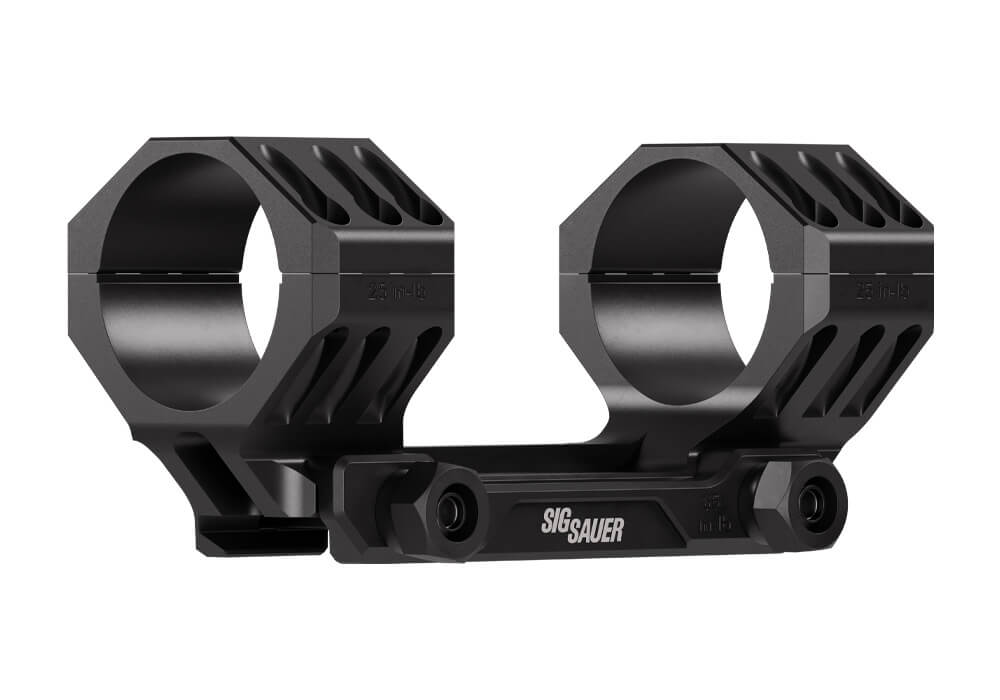
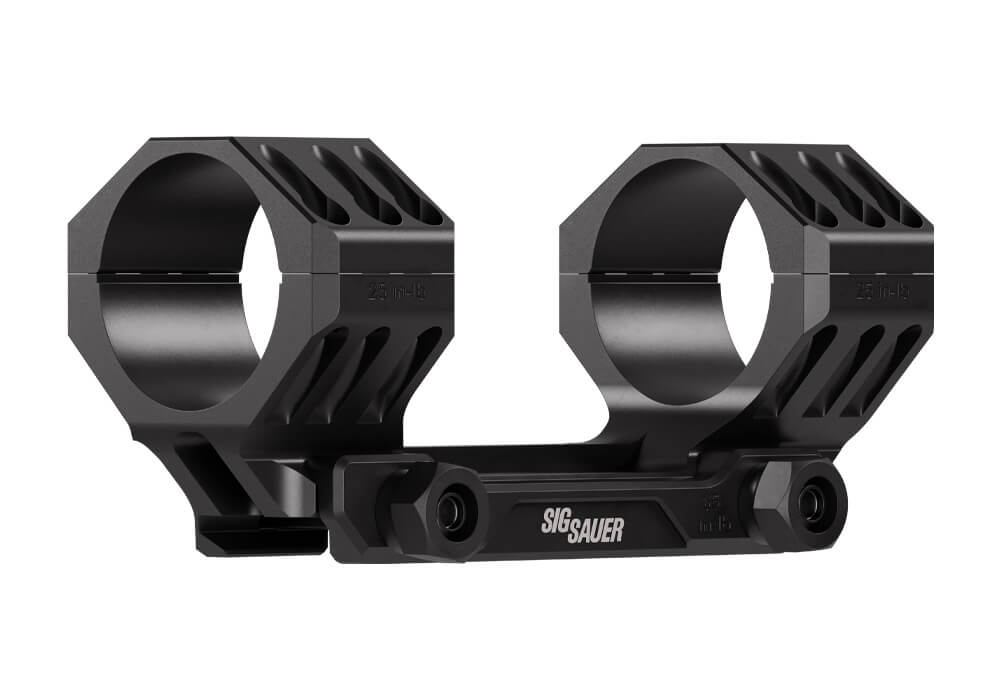
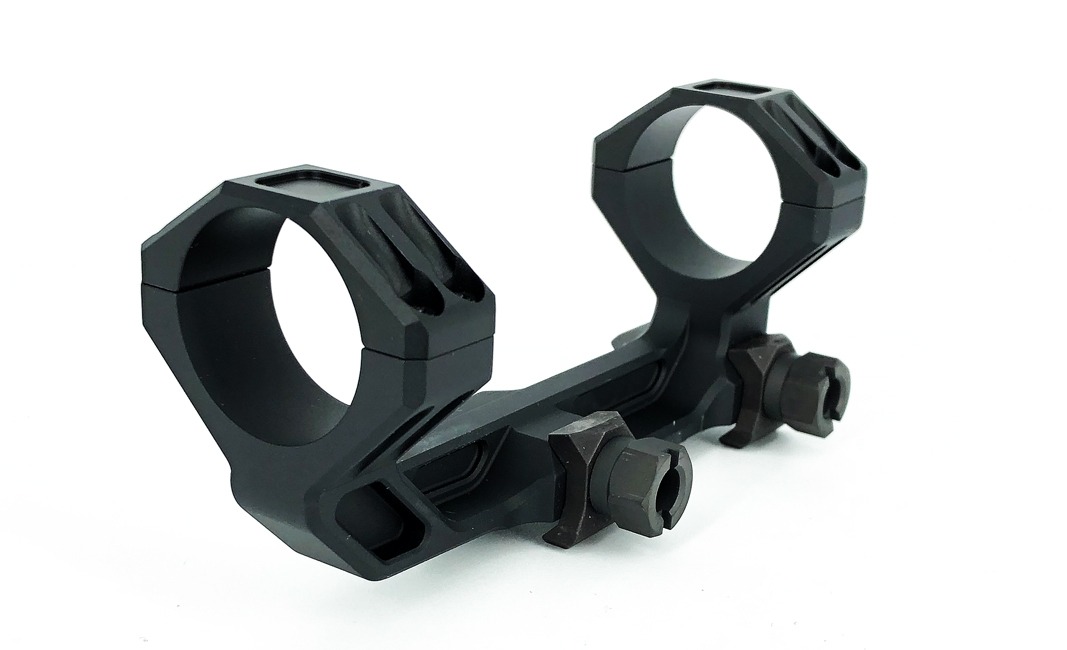
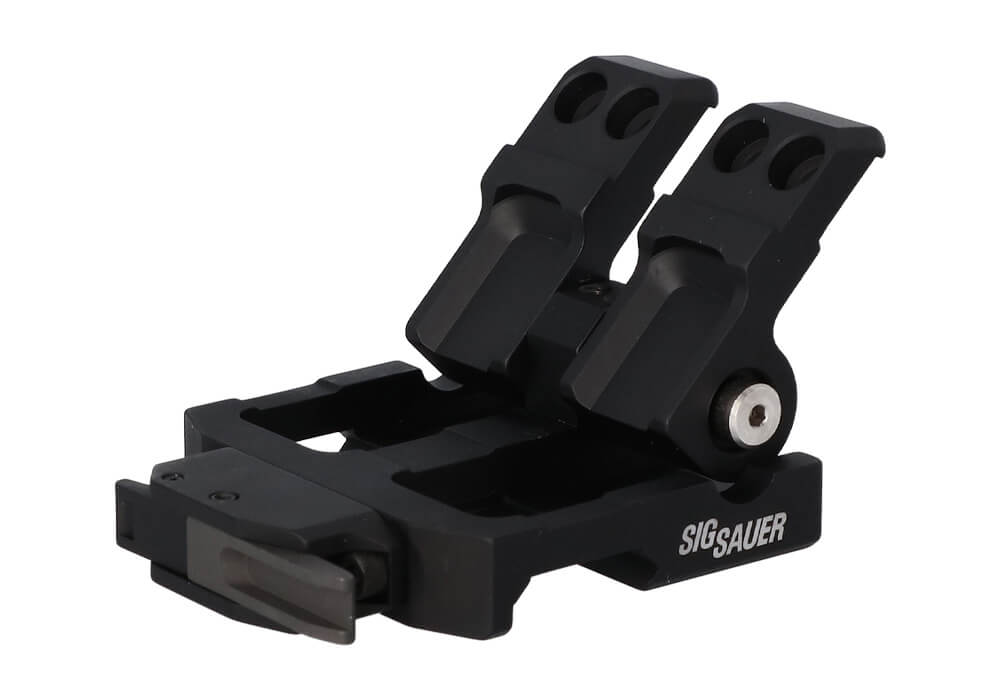
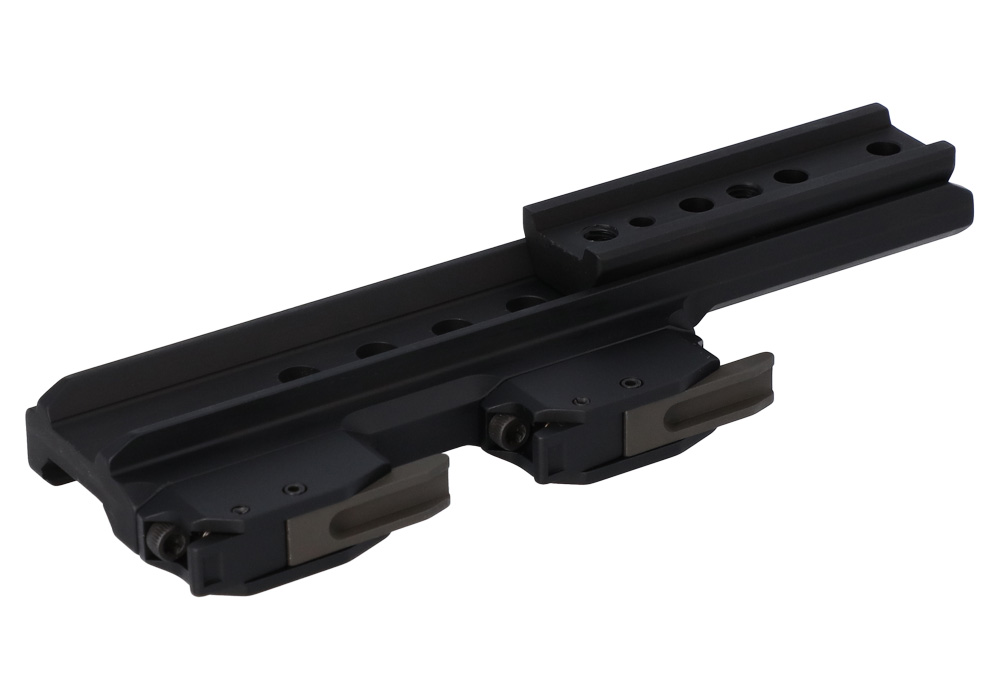
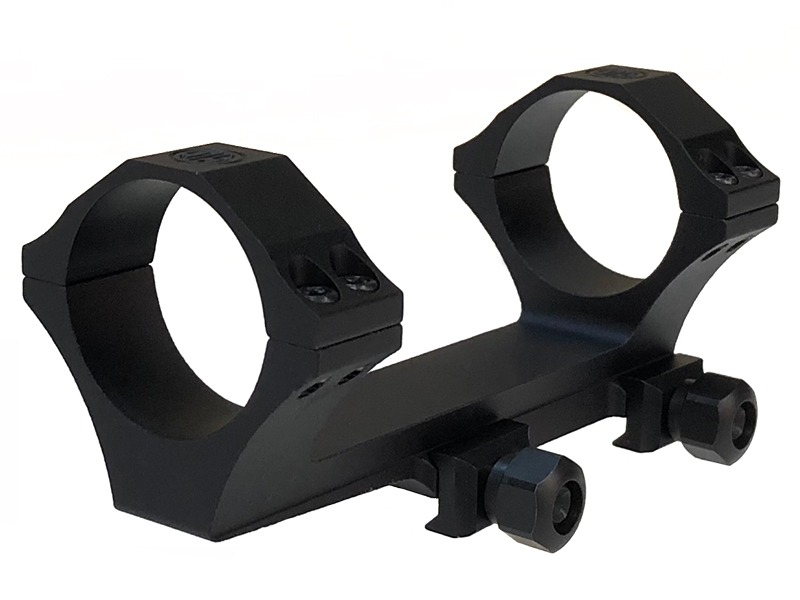
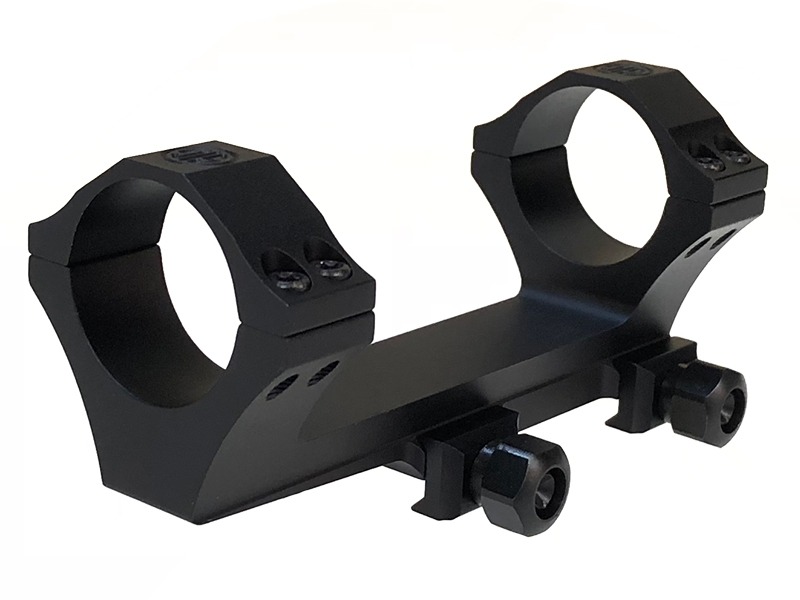
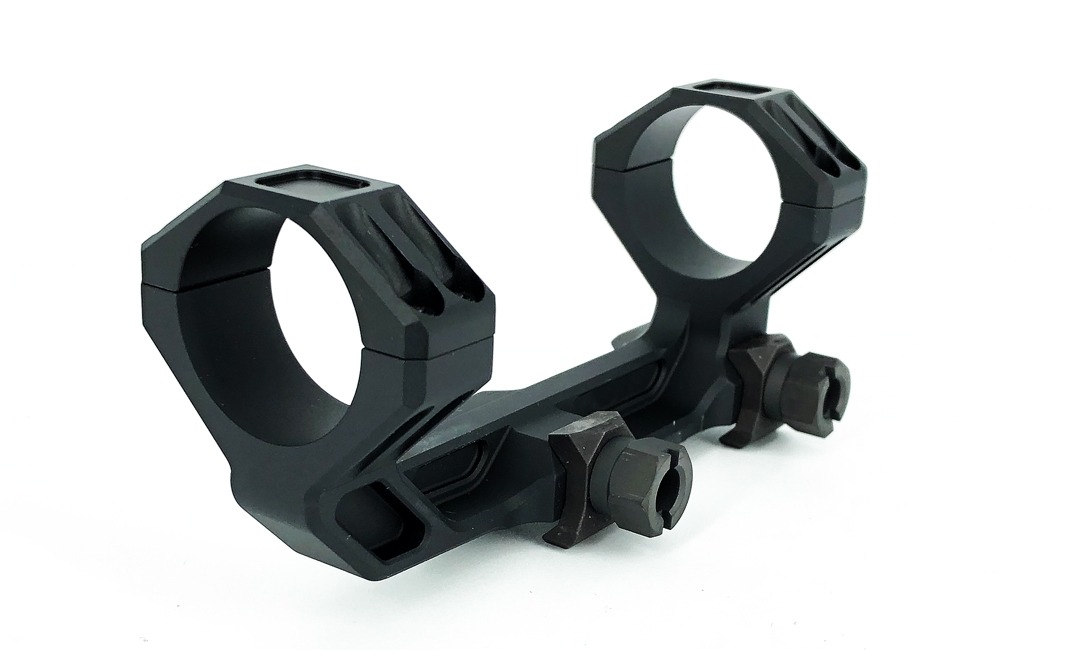
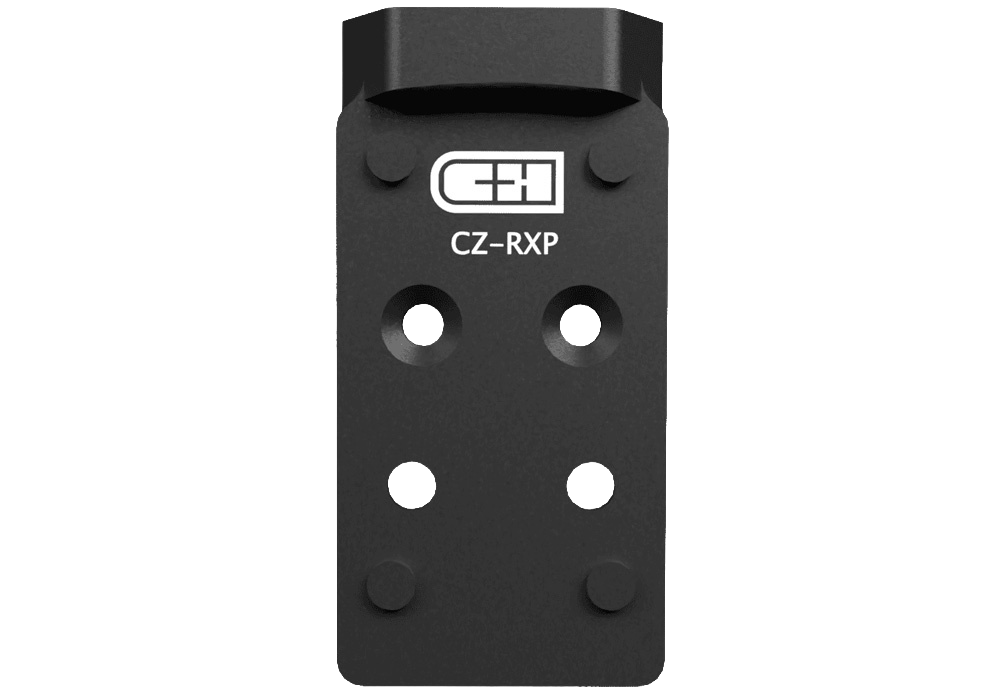
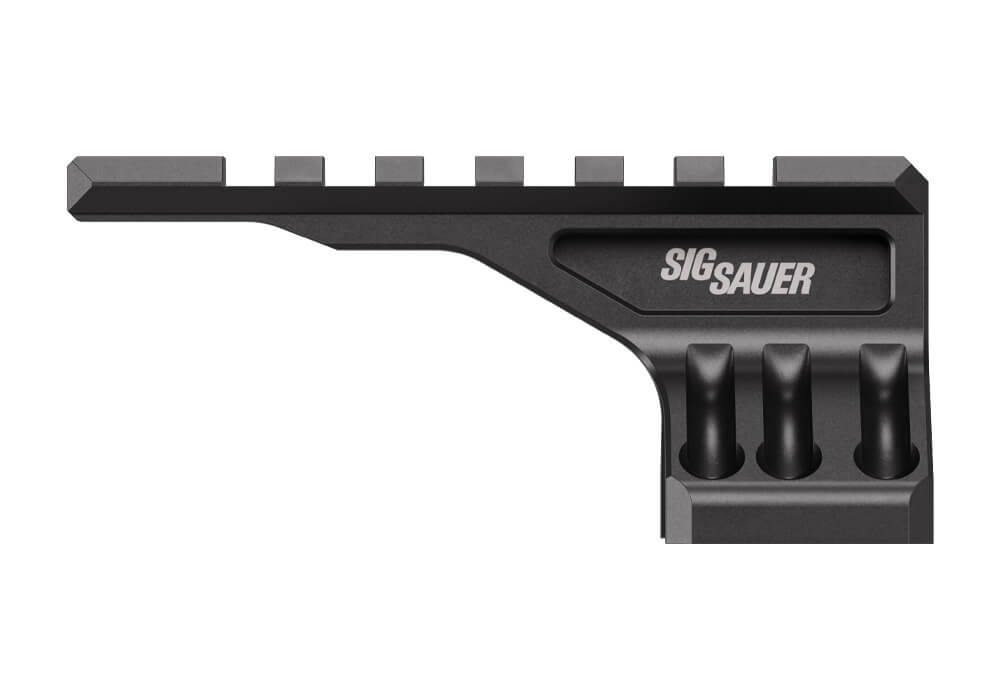
Precision mounts provide the connection between a firearm and its optic, helping the sighting system hold a consistent position through handling, transport, and repeated use. An optic can offer a clear image and useful adjustments, but its mounting hardware still needs to fit the firearm, support the optic correctly, and place it where the shooter can use it comfortably. That makes compatibility the starting point for any selection. Rail interface, scope tube diameter, mounting footprint, and mounting height describe different aspects of fit; matching one dimension does not establish compatibility across the entire setup. Rings must correspond to the scope’s tube diameter, while mounts for compact sights need a footprint that matches the optic’s attachment pattern. Rail dimensions and attachment requirements also deserve attention, especially when comparing systems that look similar at a glance. Height influences both clearance and shooting position. A large objective lens may need additional space above the firearm, but extra height can also change cheek contact with the stock. The useful balance is sufficient clearance without forcing an awkward head position. Fore-and-aft placement matters as well, particularly when a scope needs room to provide appropriate eye relief. A cantilever configuration can offer positioning flexibility on some platforms, while separate rings may suit others. Neither arrangement is universally preferable; the firearm’s geometry, optic dimensions, and intended use should lead the choice. Consider a shooter settling behind a rifle at a bench: the sight picture should come into view without excessive searching or a strained neck position. The same setup also needs room around controls, adjustment turrets, and other components that remain in regular use. These practical details distinguish a mount that merely attaches from one that fits the complete system. Precision mounts are best considered part of that system rather than an isolated accessory, with dimensions and design features evaluated alongside the firearm, optic, stock configuration, and normal handling routine.
Materials and construction influence how precision mounts balance strength, weight, and long-term durability. Aluminum is common where reduced weight is useful, while steel can be appropriate for components that benefit from its strength and wear resistance. The material name alone does not tell the whole story. Alloy selection, geometry, machining quality, fastener design, and surface treatment all contribute to how a mount performs. Cleanly machined contact surfaces and consistent dimensions help components seat as intended, while suitable finishes can protect exposed surfaces against corrosion and everyday wear. A substantial appearance does not automatically mean better performance, just as a lighter design does not necessarily mean inadequate support. The relevant comparison is whether the mount’s construction suits the optic, firearm, and demands of use. A rifle carried over long distances may benefit from a restrained hardware profile, while a setup used primarily from a supported position may place greater emphasis on rigidity and adjustment options than on minimal weight. Recoil and routine handling place repeated stresses on the mounting interface, making secure attachment and appropriate clamping particularly important. More tightening force is not a substitute for correct installation. Fasteners and optic tubes have specified limits, and excessive force can damage components or interfere with proper function. Manufacturer guidance for the mount, optic, and firearm should determine installation requirements, including torque values and any restrictions on thread treatments. Design details also affect daily convenience: exposed hardware can influence how a firearm moves into a padded case, and the placement of clamps or levers can affect access to nearby controls. Detachable designs may be useful when an optic needs to come off for storage or maintenance, but any expectation of returning to the same point of impact should be supported by the system’s specifications and confirmed through appropriate checks. Thoughtful selection favors dependable fit and repeatable positioning over features that add complexity without serving a clear purpose.
Precision mounts serve a broad range of shooters, including recreational target shooters, competitors, hunters, and people assembling a firearm for regular range practice. Their priorities can differ even when they use similar optics. A competitor may value an arrangement that supports a consistent shooting position across repeated practice sessions. A hunter may focus on manageable weight, unobstructed controls, and hardware that travels well in a case or on a sling. A recreational shooter pairing a new optic with an existing firearm may care most about straightforward compatibility and a comfortable sight picture. For anyone comparing broader attachment options, Mounting Systems provides a related category to consider alongside precision mounts. Care begins with keeping contact areas and accessible hardware clean, using cleaning materials compatible with the finish, and following the applicable maintenance recommendations. Dust, grit, and residue around interfaces can complicate inspection, while neglected hardware can allow small problems to go unnoticed. Periodic checks are especially useful after substantial transport, service work, or a change in the optic’s position. A visible shift, damaged fastener, or unexplained change in sight alignment deserves attention rather than another round of tightening by guesswork. Installation and inspection should take place with the firearm unloaded and in a safe condition; a qualified professional can help when compatibility or attachment requirements are uncertain. Mounting hardware can also be a thoughtful gift for an enthusiast who has a clearly defined setup, but it is a dimension-dependent choice rather than a universal accessory. Confirming the firearm interface, optic dimensions, preferred mounting height, and intended configuration is more useful than choosing by appearance alone. The most satisfying result is often easy to overlook during use: an optic positioned comfortably, controls that remain accessible, and hardware that does its job without drawing attention to itself. That quiet consistency is the central appeal of precision mounts and the reason fit, construction, and care deserve equal consideration.