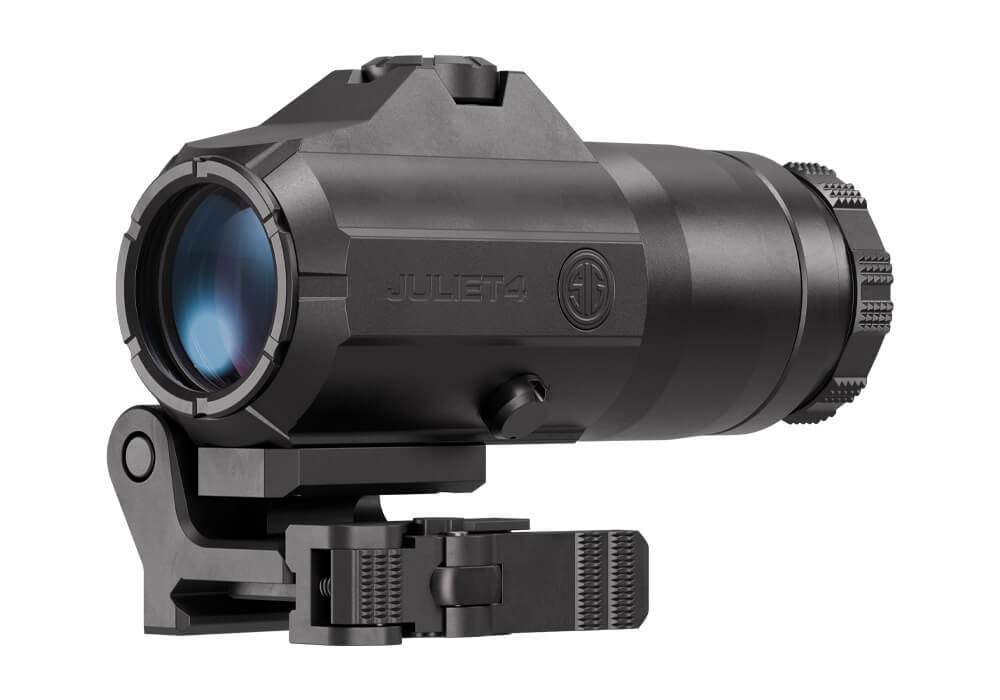
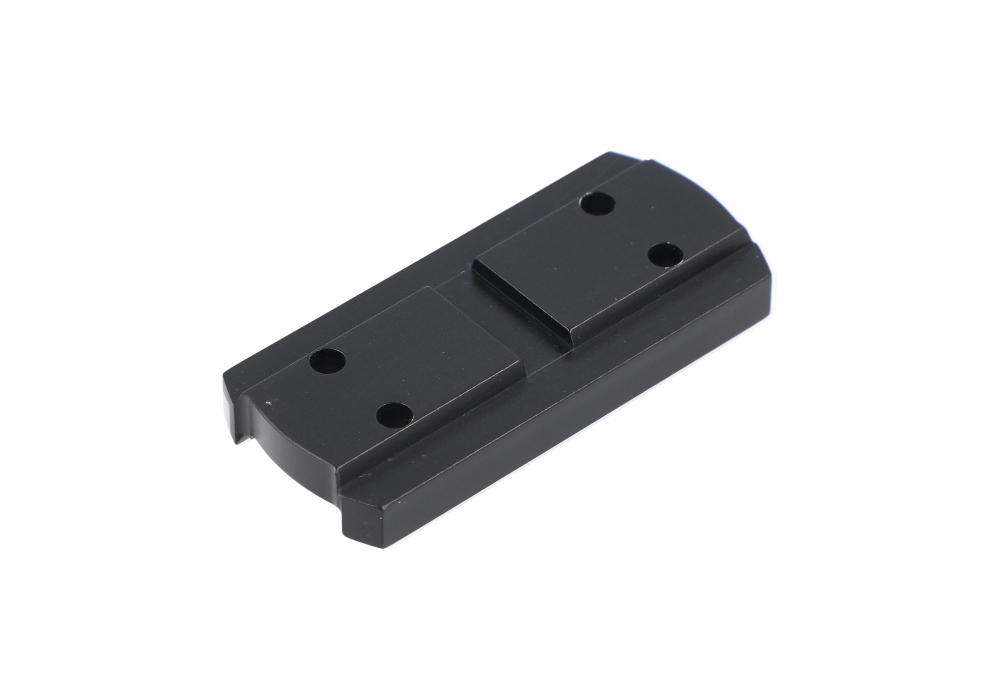
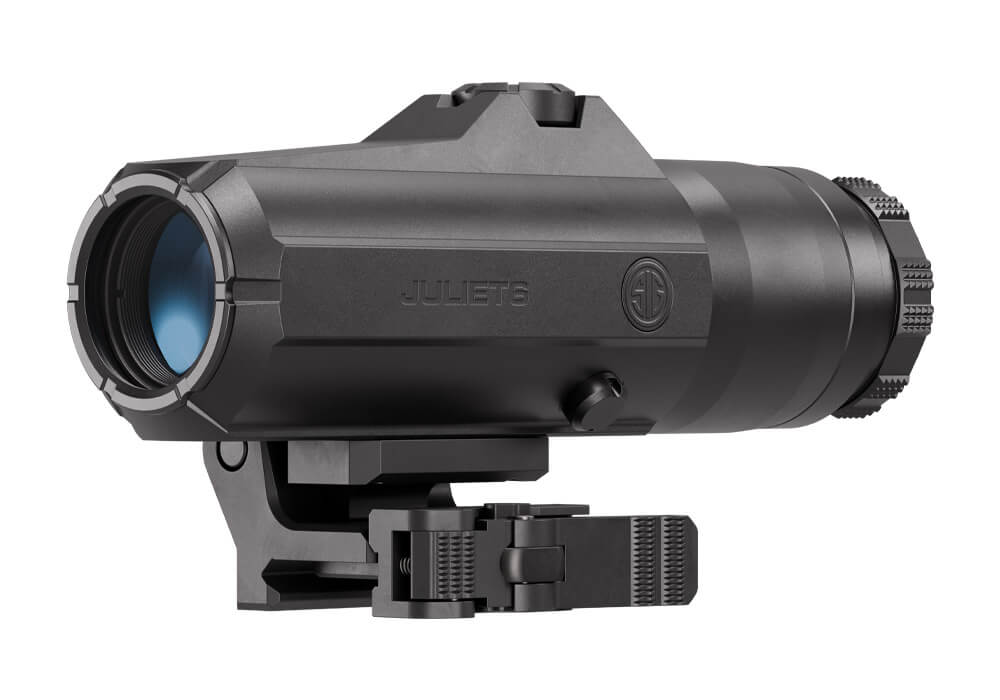
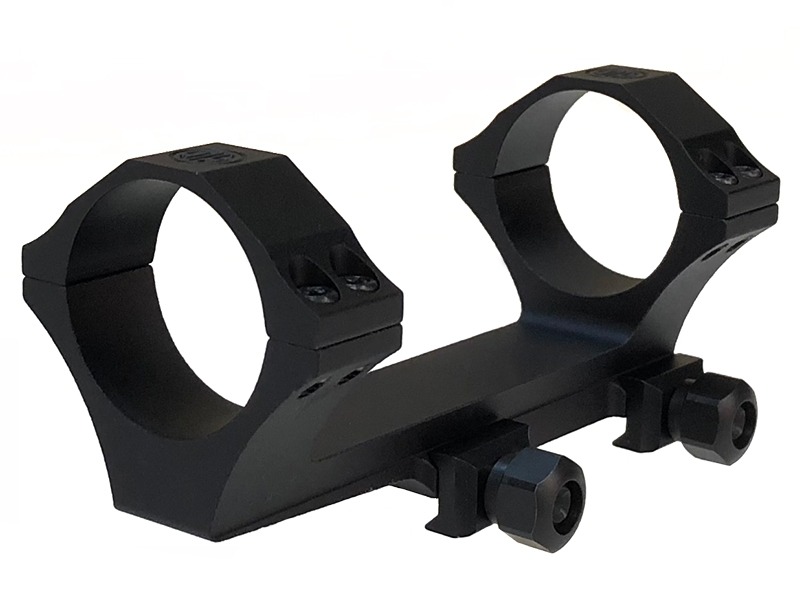
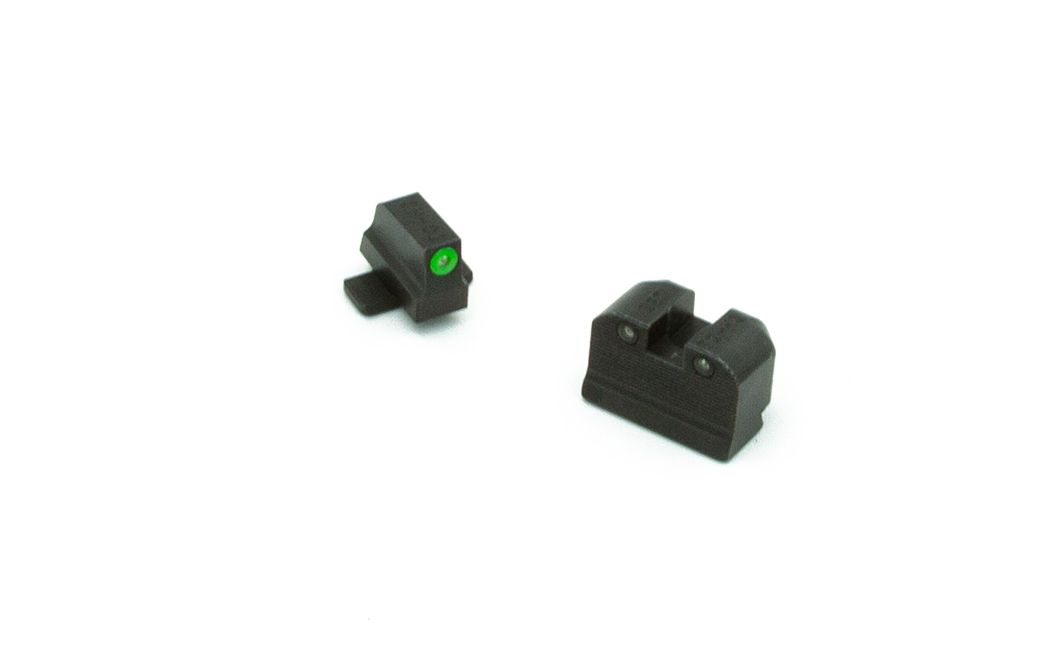
Essentials for Optic Mounting bring together the hardware and tools that help an optic sit securely, align properly, and remain dependable through repeated use. The right setup begins with compatibility. Scope rings should match the optic’s tube diameter and provide an appropriate height for the firearm, while a red dot sight requires a mount or adapter that matches both its footprint and the firearm’s mounting interface. A rifle with a Picatinny-style rail, a firearm with a different rail pattern, and a pistol slide prepared for a direct-mount optic may each require a different solution. Checking the firearm and optic manufacturer’s specifications before purchasing helps prevent mismatched parts, incorrect screw patterns, or a mount that places the optic too high for a comfortable cheek weld. For shoppers comparing configurations, Sight Mounting Options can provide useful context when narrowing down the right style of interface. Mounting hardware should also be treated as a complete system. Bases, rings, adapter plates, and replacement fasteners need to work together, with screw length and thread engagement carefully considered. Screws that are too long can interfere with internal components, while screws that are too short may not provide sufficient purchase. The manufacturer’s recommended fasteners and torque specifications should take priority over general rules, since materials, thread sizes, optic housings, and mounting designs vary. These essentials are useful for a first-time optic owner setting up a new rifle or pistol, as well as for an experienced shooter changing between sighting systems, preparing a backup firearm, or refreshing worn mounting hardware. They can also make a thoughtful gift for a hunter, competitive shooter, range enthusiast, or gunsmith who already has an optic but needs the supporting equipment to install it with care. During the cooler months, a well-organized mounting kit is especially convenient for completing maintenance at a workbench before heading outdoors, whether the goal is a clean range setup, a field-ready hunting rifle, or a compact defensive firearm configured for quick sight acquisition.
A secure installation depends on more than the mount itself. A calibrated inch-pound torque wrench helps apply the exact tension called for by the optic and mount manufacturers, reducing the risk of stripped fasteners, damaged threads, crushed optic tubes, or hardware that loosens under recoil. A compatible bit set is equally important; Torx and hex fasteners can look similar at a glance, but using the wrong size or a worn bit can damage the fastener head and complicate future adjustments. A stable gun vise, cradle, or padded support keeps the firearm from shifting while the optic is positioned and tightened, allowing the installer to work with both hands and maintain a consistent alignment. Small bubble levels or reticle-leveling tools can help keep the firearm and optic oriented correctly, which is particularly valuable on rifles where a canted reticle can affect holdovers and elevation adjustments at distance. Preparation supplies also deserve a place in any optic mounting assortment. A suitable degreaser removes oil, residue, and debris from contact surfaces and screw threads so hardware can seat consistently. After the surfaces are clean and dry, a removable, medium-strength thread locker may help resist loosening caused by recoil when its use is approved by the equipment manufacturer. Permanent compounds should not be substituted without specific direction, since they can make later service difficult and may damage small fasteners or threaded components. Before the firearm is used, the finished installation should be inspected for even seating, proper clearance, secure fasteners, unobstructed controls, and a sight picture that feels natural from a stable shooting position. After installation, confirming zero at a safe range and periodically checking the mount during routine cleaning can help identify movement before it becomes a larger issue. Keeping spare compatible screws, bits, and basic leveling or cleaning tools together in a labeled case makes future adjustments less stressful, especially when equipment is transported between the range, workshop, and field. Whether assembling a first optic setup, giving practical equipment to a shooting enthusiast, or preparing for steady practice as outdoor conditions change, these essentials support a careful, repeatable approach to optic mounting.