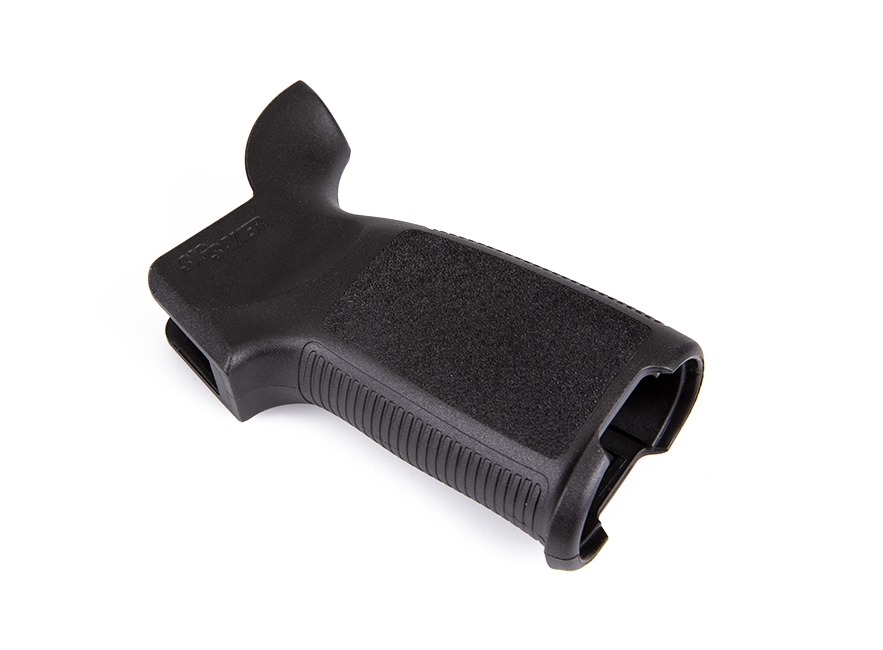
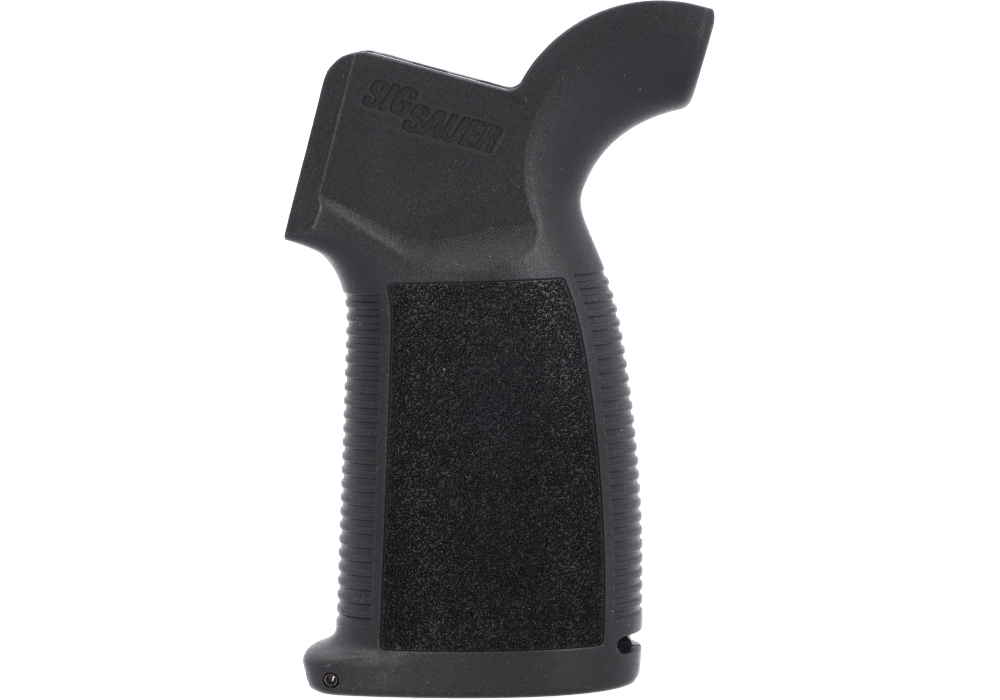
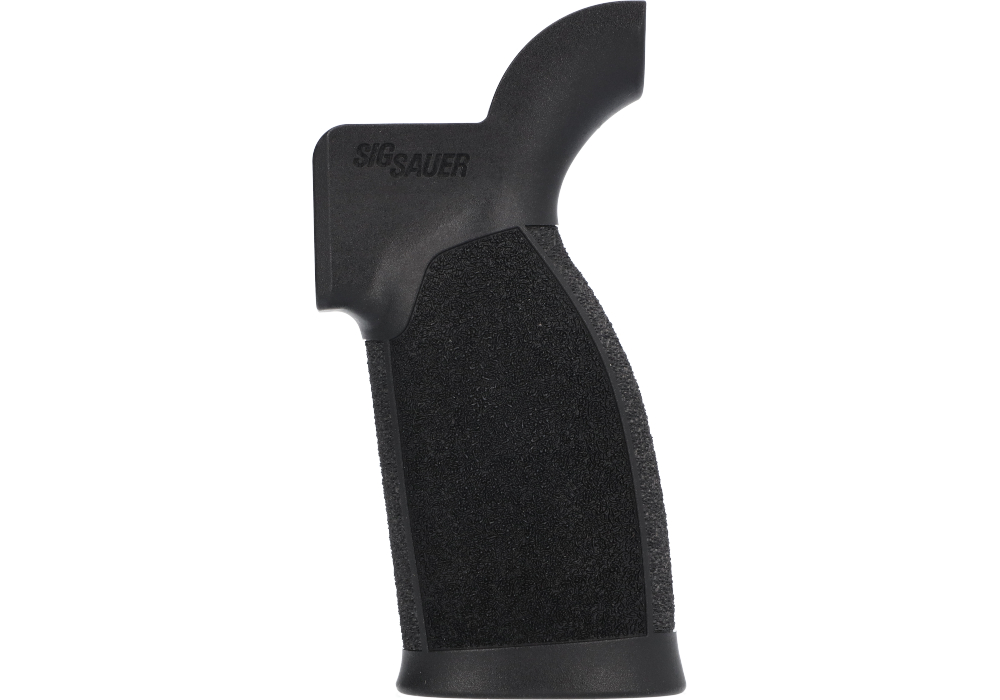
Shooting rifle grips can make a meaningful difference in how a rifle feels in the hands, particularly during extended range sessions, field carry, or positional shooting. A rifle grip typically serves one of two roles: a rear pistol grip mounted behind the trigger, where it helps the firing hand maintain consistent control, or a front-mounted foregrip attached to the handguard, where it gives the support hand a defined point of contact. Within those categories, shooters may choose from vertical, angled, and reduced-angle designs, as well as streamlined or skeletonized profiles intended to reduce bulk. The best choice depends on the rifle’s configuration, the shooter’s hand size, and the way the rifle is used. A compact grip may feel quick and natural on a lightweight platform, while a fuller grip with a palm swell can provide more support for larger hands or for shooters who prefer a substantial purchase. Texture also matters. Rubber, overmolded composites, and hard polymers can provide dependable traction when hands are damp, gloved, or exposed to dust and grit during outdoor use. Metal construction may appeal to shooters looking for a rigid, durable feel, while polymer designs can help keep overall weight manageable. When selecting shooting rifle grips, confirm that the grip is compatible with the rifle and handguard interface, and consider how it will work with existing controls, slings, lights, and other accessories. A clean fit should allow the hand to settle naturally without forcing the wrist into an awkward angle or interfering with trigger access.
Rear pistol grips are often selected to refine the relationship between the firing hand and the rifle. A grip that fills the palm comfortably can help the shooter keep the wrist aligned and maintain a repeatable hold from one session to the next. Slimmer profiles may be easier for smaller hands to wrap around, while broader contours can provide a more supported feel for larger hands. Texture should be secure without becoming distracting during long periods of use, especially when the rifle is handled from a bench, prone position, or supported barricade. Precision-oriented shooters may prefer a grip that encourages a lighter, more relaxed hold so unnecessary tension does not disturb the sight picture or pull the rifle off target as the trigger is pressed. Other shooters may favor a more pronounced texture and a firm, vertical profile for quick handling and strong control during movement or changing positions. Front-mounted foregrips offer a different kind of support. A vertical foregrip creates a clear hand stop and can make it easier to manage the rifle’s balance, while an angled foregrip encourages a more natural forward hand position and can complement a C-clamp style hold on a modern handguard. Some vertical designs also provide a convenient place to position a pressure pad for an accessory, helping the support hand reach controls without shifting its grip. Streamlined skeletonized grips may be useful when reducing unnecessary weight is a priority, whereas heavier or more substantial designs can add a steadier feel to a rifle that benefits from additional support. Shooters who spend time in the field may also appreciate a grip that sheds moisture and cleans easily after a muddy walk, while range users may place greater emphasis on comfort, control, and a familiar hand position across repeated practice sessions.
The right shooting rifle grip is ultimately the one that complements the rifle, the shooter, and the intended setting. A hunter carrying a rifle through uneven terrain may value a compact design that stays clear of clothing and brush, while a recreational range shooter may prefer a textured grip that remains comfortable through a long afternoon of drills and sight-in work. A precision shooter can benefit from a profile that promotes consistent finger placement and minimizes excess hand pressure, and a new shooter may appreciate a simple, ergonomic shape that makes the rifle easier to hold with confidence. These grips can also be practical gifts for a rifle owner when the recipient’s preferred style is known, particularly if the rifle’s mounting pattern and intended use have already been confirmed. For a more substantial firearm setup, exploring Heavy Gun Grips can help shoppers compare options designed around a sturdier feel and additional support. Before purchasing, review the rifle and handguard specifications, measure the grip area against the shooter’s hand, and think through the positions used most often: standing, kneeling, prone, benchrest, or supported shooting. It is also worth checking whether gloves will be worn during colder weather, since a grip that feels ideal with bare hands may feel too tight once insulated gloves are added. During the cooler months, textured materials and secure contours can make handling more comfortable at an outdoor range, while a durable finish helps the grip stand up to regular transport and storage. As with any firearm accessory, installation should be completed carefully according to the rifle and grip manufacturer’s instructions, with the firearm unloaded and pointed in a safe direction. A well-matched grip should feel natural rather than forced, provide reliable traction without excessive strain, and support safe, consistent control every time the rifle is shouldered.