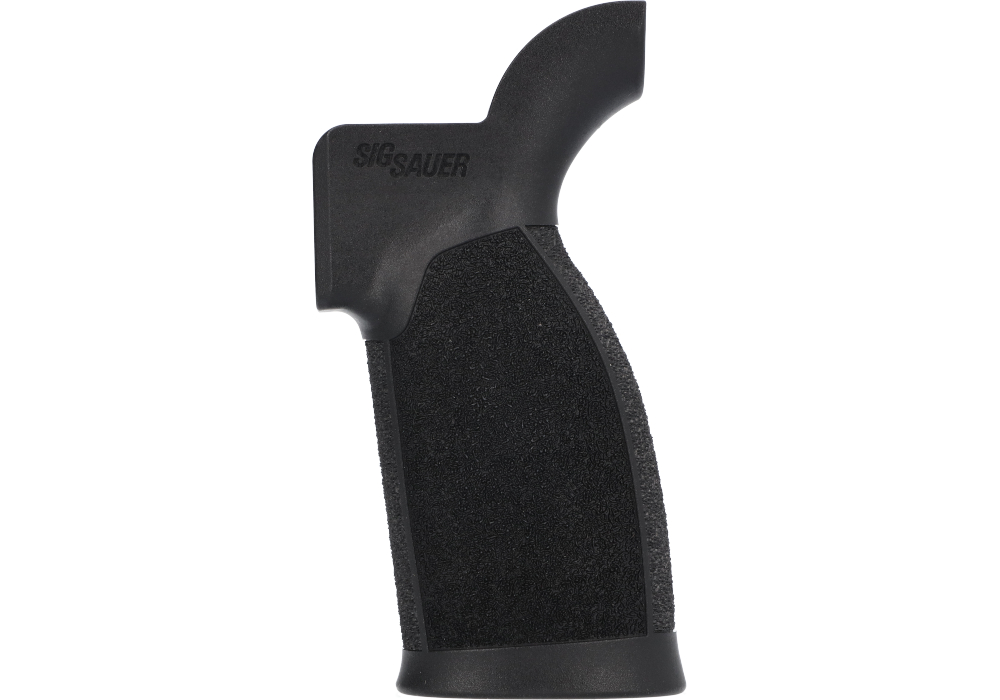
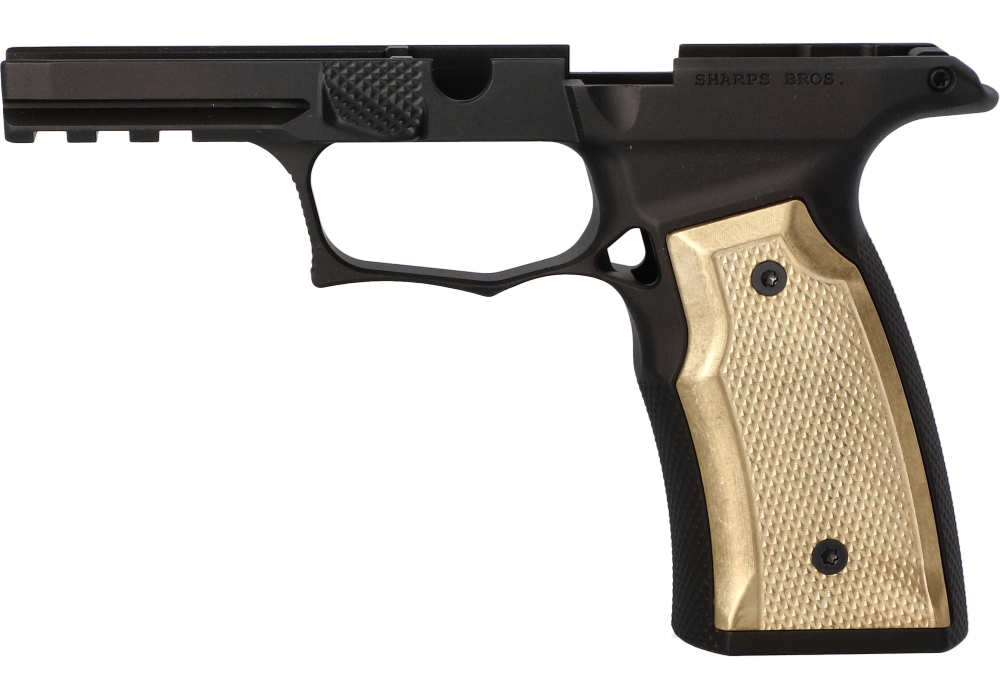
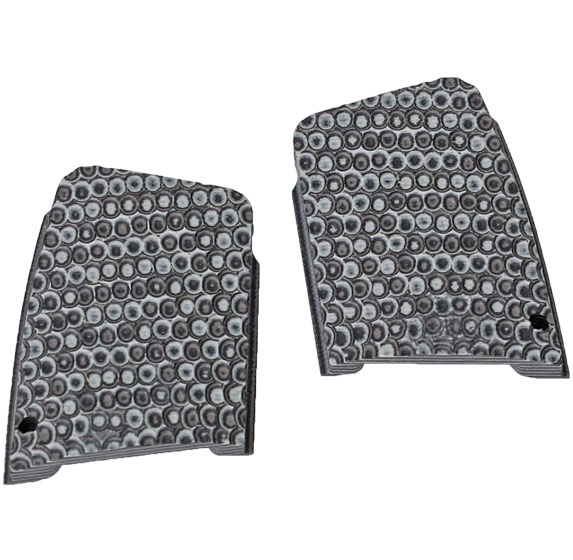
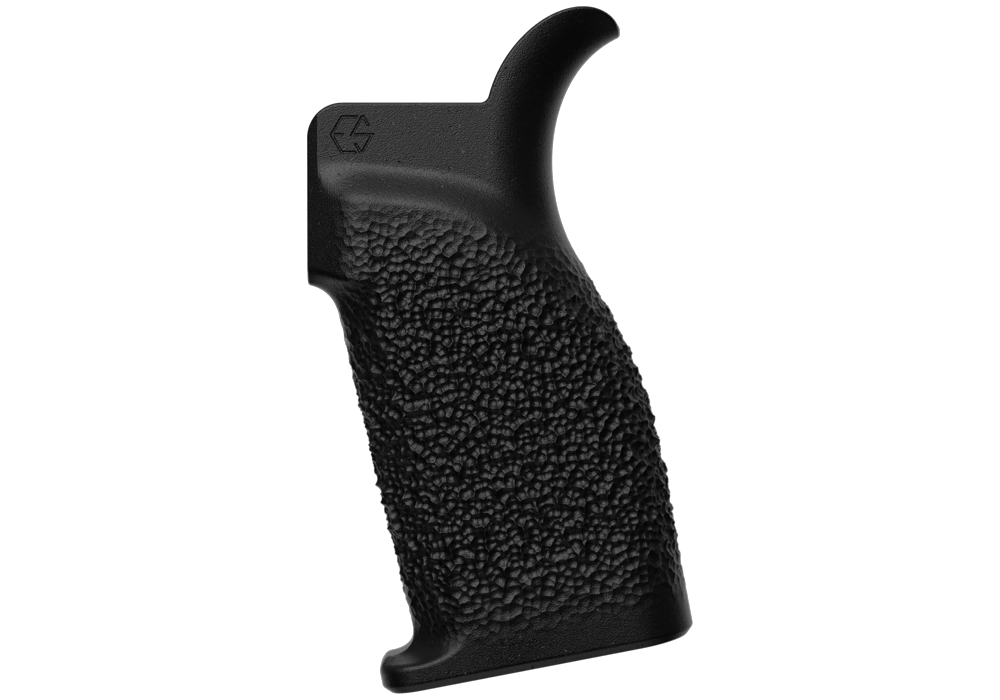
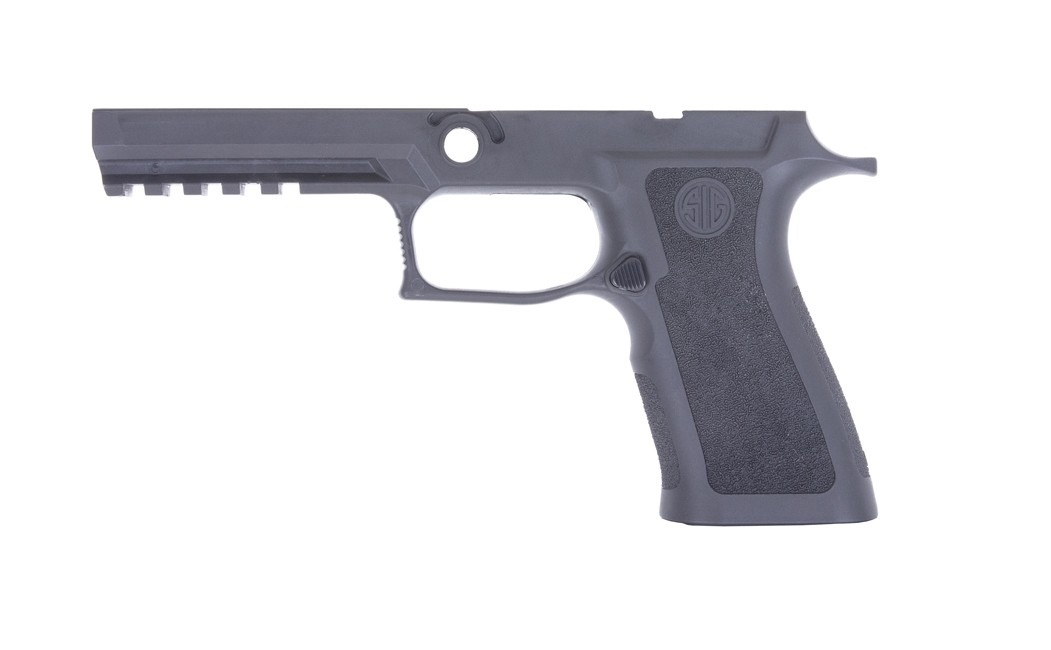
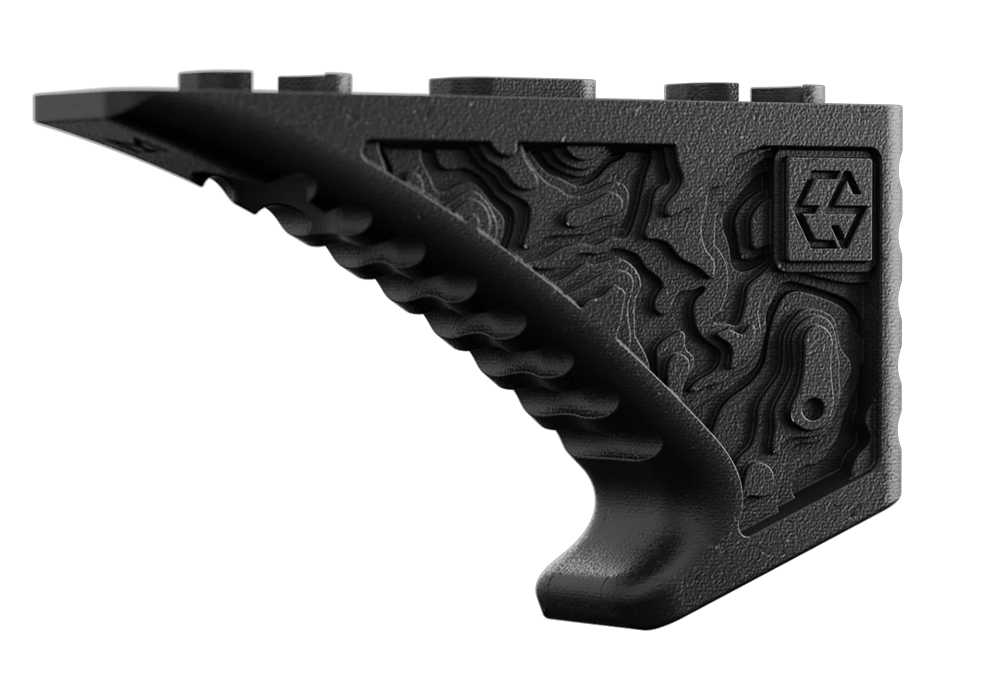
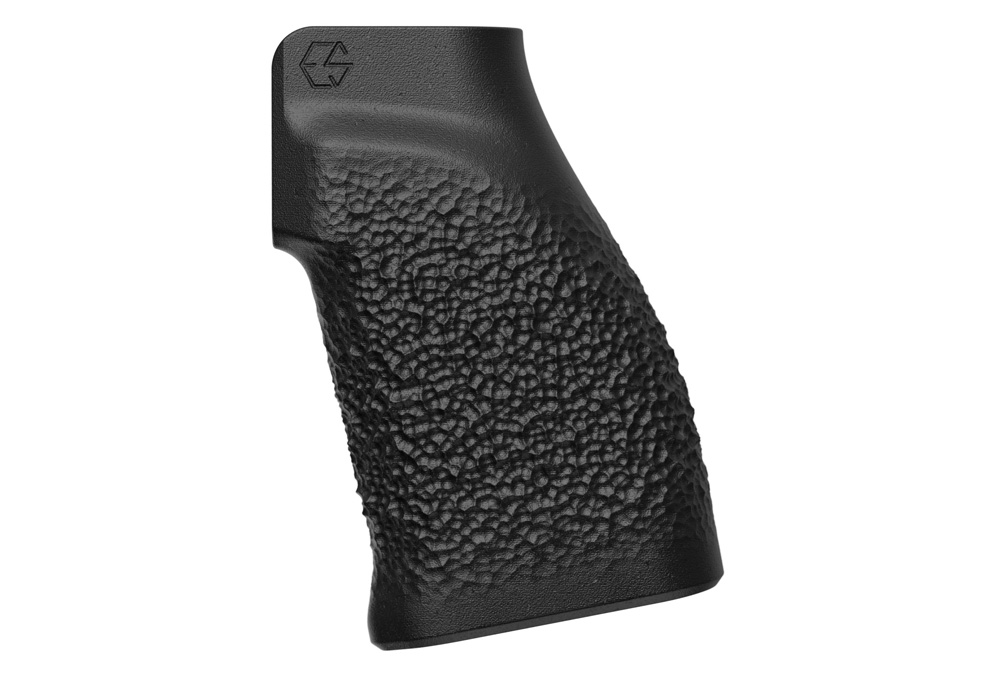
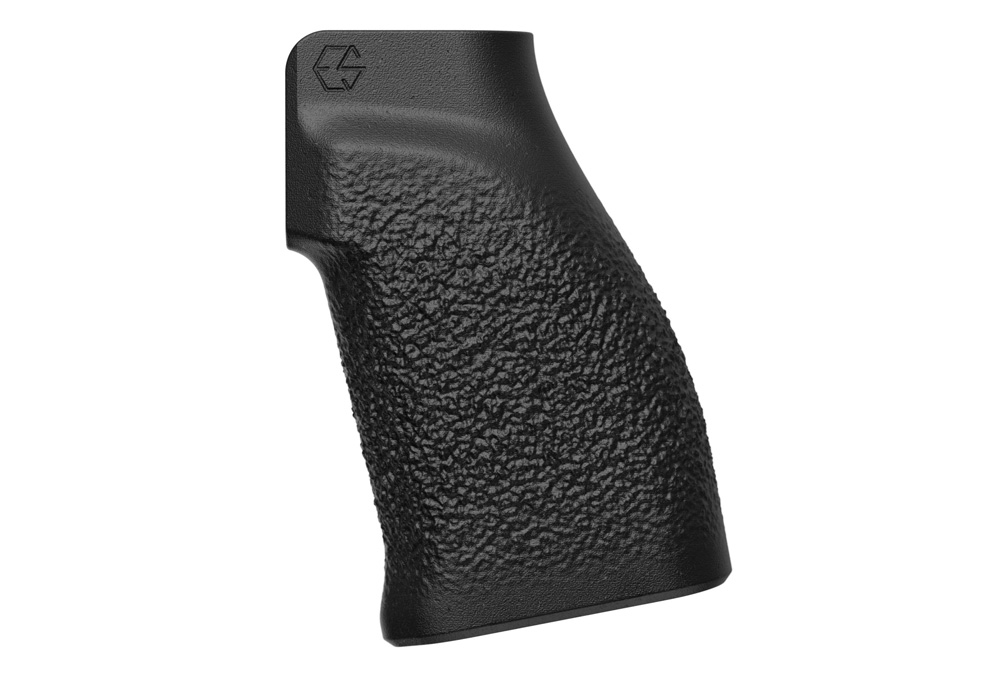
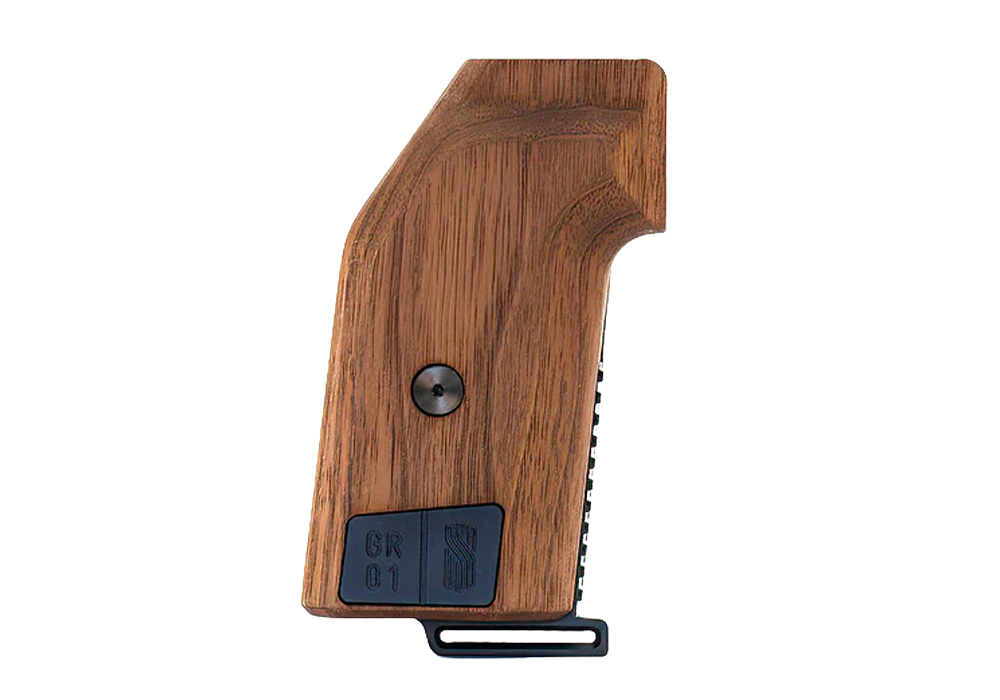
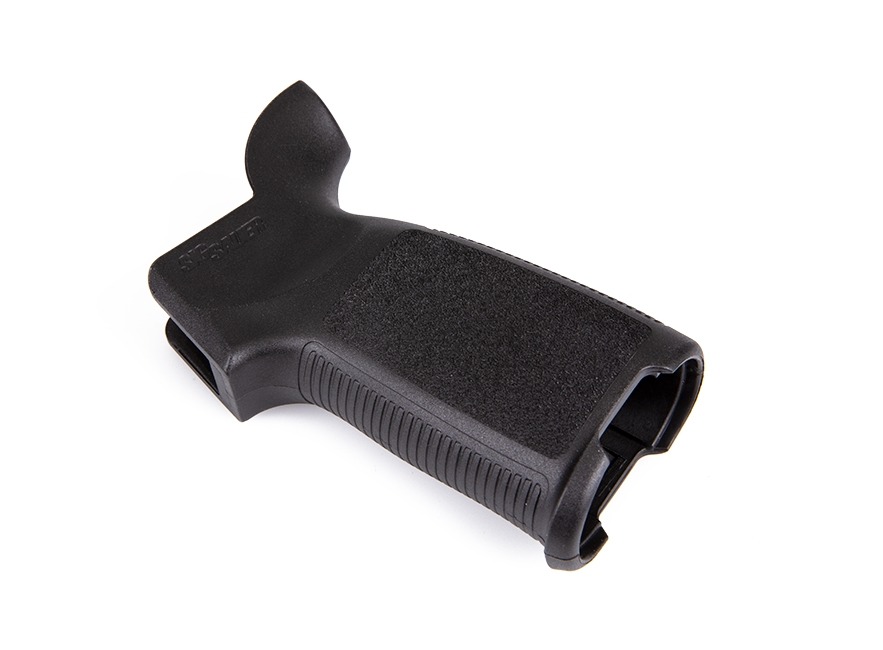
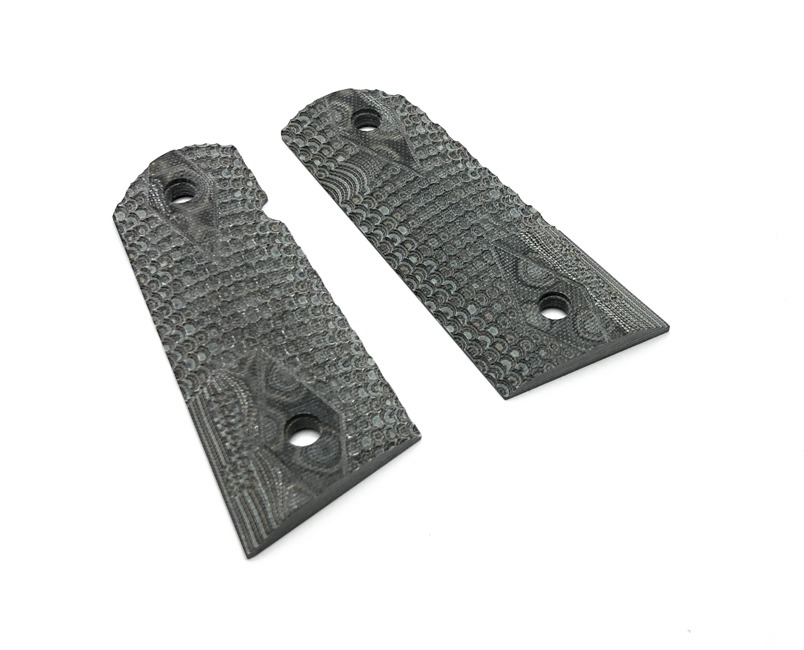
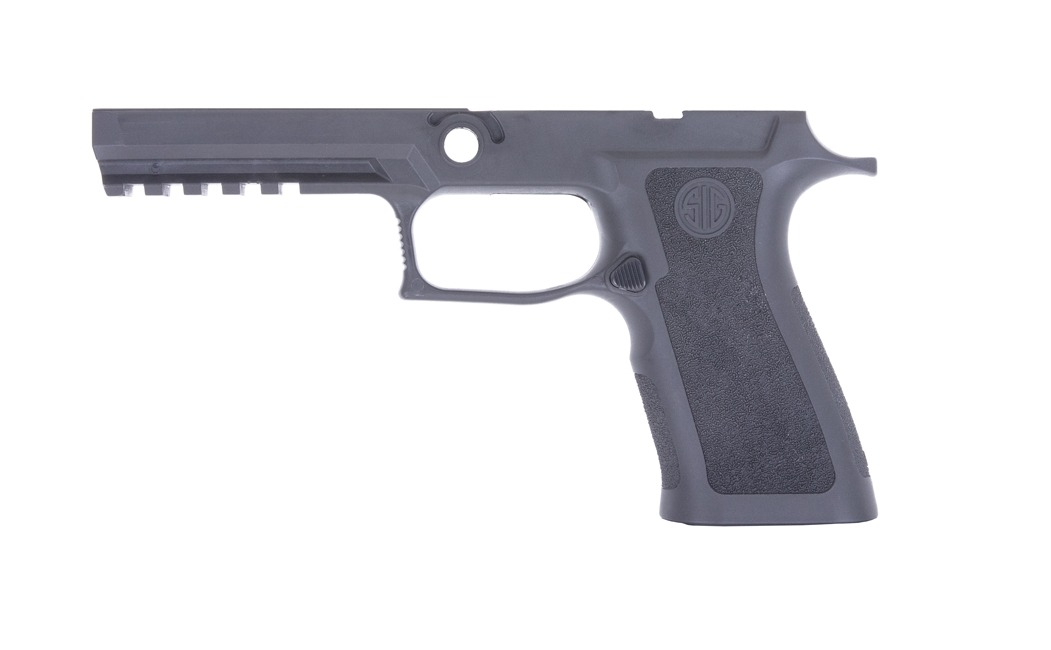
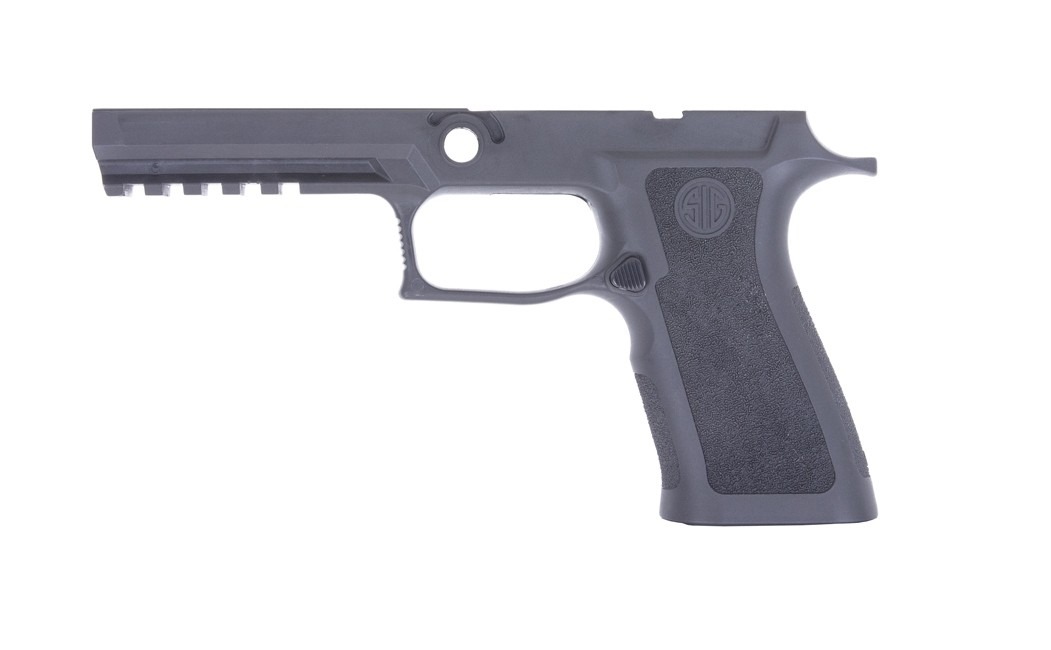
Heavy gun grips are designed for shooters who want a more substantial connection between the firearm and the hand. Depending on the construction, a heavier grip can add weight low on the frame, helping shift the balance of the firearm and making recoil feel more manageable during repeated shots. That added mass may help reduce muzzle movement and make it easier to return the sights to the target, particularly on compact or larger-caliber handguns that can feel lively in the hand. Grip weight is only one part of the equation, however. The shape, texture, palm swell, thickness, and angle of the grip all influence how naturally a firearm points and how securely it stays in place. Metal grip panels, weighted internal modules, dense laminate materials, and other reinforced constructions can provide a different balance and feel than standard polymer components. Some shooters prefer the solid, cool feel of metal, while others appreciate the warmer texture and controlled flex of a rubberized or composite surface. A grip that feels substantial without forcing the fingers into an awkward position can make a meaningful difference during a long range session, especially when working through multiple magazines or practicing deliberate groups from a fixed stance. Shooters who are comparing heavy gun grips should consider whether the added weight is located within the grip itself or spread across removable panels, as this can affect both balance and installation. It is also important to confirm that the grip is made for the exact firearm model and frame size, since even similar-looking handguns may use different mounting patterns, backstraps, screws, or internal components.
The best heavy gun grip for a particular setup depends on how the firearm is used. For range practice, competition, training, and recreational shooting, a weighted grip can offer a steadier feel as the shooter works on trigger control, sight alignment, and follow-through. A heavier lower portion may help the pistol settle quickly after each shot, allowing the shooter to concentrate on a consistent grip rather than fighting excessive movement. For field use or duty-oriented applications, durability and traction become especially important. A grip should remain secure when hands are damp, gloved, dusty, or exposed to changing conditions, while still allowing the shooter to access controls without shifting the firing hand. Shooters who carry concealed should give additional thought to overall thickness, clothing clearance, and the way the grip sits against the body. Extra weight can improve controllability, but a grip that adds too much bulk may affect comfort during daily carry or make the firearm more difficult to conceal. Those seeking a softer hand feel may also want to compare weighted grips with options found among Comfortable Pistol Grips, since cushioning, palm support, and surface texture can be just as important as mass. Before purchasing, check the manufacturer’s compatibility information, verify whether the installation requires specialized tools, and make sure any grip change does not interfere with the magazine release, safety, slide stop, holster fit, or other controls. After installation, unload the firearm completely and follow the applicable owner’s manual instructions. A careful function check and supervised range test are sensible steps before relying on any modified setup.
Heavy gun grips can also be a practical gift for an experienced shooter who enjoys refining a familiar firearm. They are especially suitable for someone who spends time at the range, practices defensive fundamentals, competes with a handgun, or appreciates small upgrades that change the feel of a trusted setup. A grip accessory is personal, so the most useful gift usually matches the recipient’s exact firearm, preferred hand size, shooting style, and intended use. Someone with larger hands may prefer a thicker profile or a pronounced palm swell, while another shooter may favor a slimmer contour with aggressive texturing for a more direct connection to the frame. Material choice matters as well: aluminum or brass-style components can provide noticeable heft, composite laminates can offer a rigid and weather-resistant surface, and rubberized designs may cushion the hand during extended practice. Adhesive grip wraps can be useful where removable panels are not available, offering added traction without permanently changing the firearm, while integrated weighted modules may provide a cleaner, more balanced appearance. As the weather moves through the cooler months, shooters often spend more time indoors or at covered ranges, where a comfortable and stable grip can make practice sessions more productive. A proper grip will not replace safe handling, a consistent stance, or quality instruction, but it can support those fundamentals by helping the shooter maintain control from the first shot through the last. Choose components that fit securely, preserve access to the firearm’s controls, and suit the intended carry or range setup, then confirm performance with appropriate training and regular inspection.