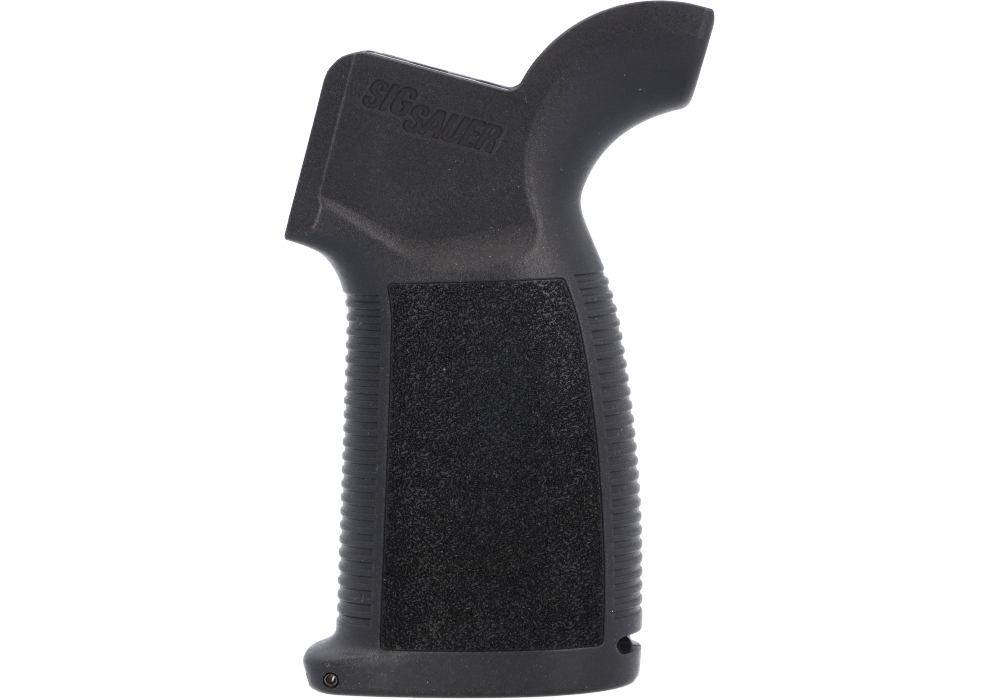
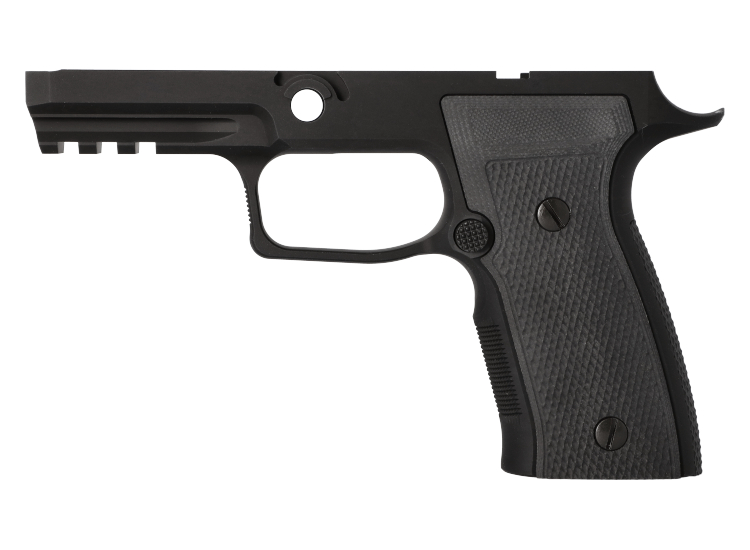
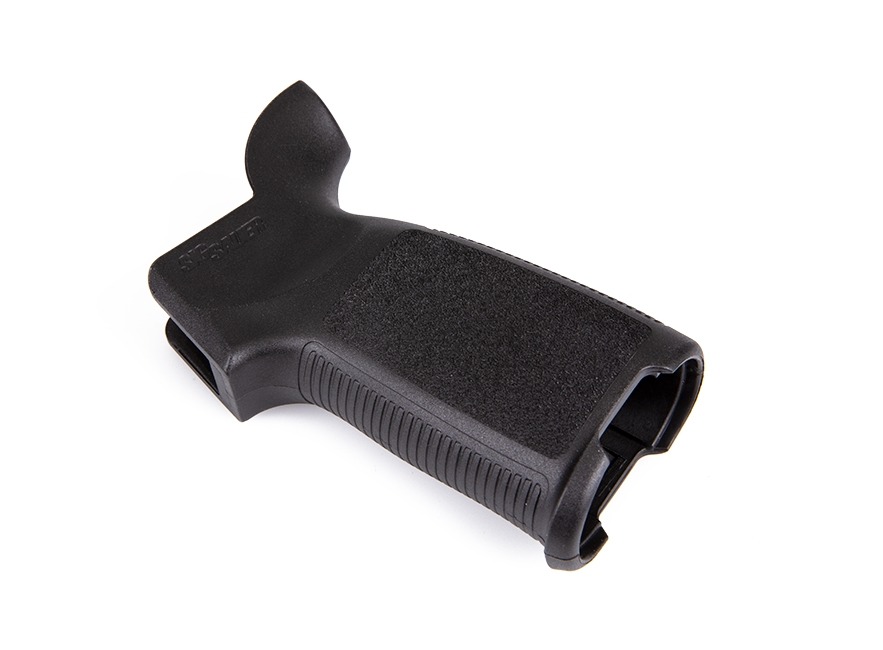
Comfortable pistol grips combine a suitable shape, manageable thickness, and a surface texture that helps the hand settle naturally without creating uncomfortable pressure points. Comfort depends on how those features work together, not simply on whether a grip feels soft. A broad palm swell may feel supportive to someone with larger hands, while the same contour can leave another shooter stretching to reach the controls. A thinner profile can provide a closer fit, but an overly narrow grip may concentrate pressure along the palm during a longer range session. The most useful comparison begins with the firearm’s design and the accessory type it accepts. Replacement grip panels, interchangeable backstraps, complete grip modules, sleeves, and adhesive wraps serve different purposes and are not interchangeable solutions. Pistol-style grips for compatible long guns form another category, with grip angle and wrist position playing a larger role in how the firearm feels when held. Within each category, contours should accommodate the hand rather than force it into a position that feels strained. Finger grooves illustrate that distinction: properly spaced grooves can feel reassuring, but grooves that do not match the shooter’s fingers can create ridges exactly where a smooth surface would be preferable. Rounded edges, a comfortable transition near the trigger guard, and enough room for the fingers often matter more than an elaborate shape. Someone who notices a sore spot at the base of the thumb after routine practice may benefit from a different contour rather than a softer material alone. Similarly, a grip that feels comfortable during a brief inspection may feel quite different after repeated handling. Hand size, finger length, mobility, and personal preference all influence the result. When comparing ergonomic pistol grips, compatibility remains the first requirement: the correct model fit, attachment method, and clearance around the firearm’s controls should be confirmed before considering texture or appearance. A comfortable grip should support ordinary handling without obstructing controls, changing required clearances, or relying on an improvised fit.
Materials give pistol grips much of their character, but each brings practical tradeoffs. Rigid polymer offers a relatively light structure and can incorporate molded contours and textures without an additional covering. Rubber and rubberized surfaces provide a softer feel, with some formulations offering a tackier contact surface than hard materials. That softness can feel pleasant against the palm, although it does not guarantee less fatigue, and a thicker rubber sleeve may increase grip circumference more than expected. G10, a layered fiberglass-and-resin composite, is valued for its rigidity, durability, and the range of textures possible through machining. Wood provides a different tactile experience, with grain, finish, and contour contributing to its feel; it also calls for care appropriate to the finish. The surface pattern deserves as much attention as the material beneath it. Fine stippling can offer modest traction without feeling abrasive, while deeper checkering or a coarse granular finish can feel more pronounced against bare skin. A highly textured grip may be welcome during recreational range use yet less comfortable where it rests against the body during lawful carry. Gloves can also change how a texture feels and how much room the hand needs, so their use belongs in the fit assessment. Adhesive grip wraps generally add less bulk than thick sleeves, though their comfort depends on the texture, placement, and condition of the adhesive. A slim wrap cannot correct every contour problem, just as a cushioned covering cannot compensate for an incompatible accessory. Weight is another consideration, particularly when comparing a full replacement component with a thin surface treatment. Shoppers balancing grip dimensions with overall firearm weight can also explore Lightweight Pistol Grips, while keeping compatibility and hand fit at the center of the decision. The goal is a balanced combination: enough texture to feel secure, enough contour to distribute pressure comfortably, and no unnecessary bulk where the hand needs a closer reach.
Intended use helps narrow those choices without treating any single grip style as universally best. A recreational shooter who spends extended time at the range may place greater value on even palm support and a texture that remains comfortable through repeated handling. A firearm owner selecting an accessory for lawful everyday carry may prioritize a low-profile shape, rounded edges, and a surface that does not rub harshly against skin or clothing. Someone maintaining a handgun with replaceable panels may prefer a familiar contour and a finish suited to regular cleaning, while another owner may be looking for a better fit after finding the original grip too large or too small. For any of these uses, durability includes more than resistance to visible scratches. The grip should retain its intended shape, stay securely attached, and remain compatible with the firearm’s controls as it wears. Maintenance requirements vary by material, so the accessory manufacturer’s care directions are the best starting point. Aggressive solvents, prolonged exposure to oils, or cleaners intended for other firearm components can affect certain rubber surfaces, wood finishes, or adhesives. Textured areas can collect residue, and gentle cleaning with an appropriate cloth or brush helps preserve their feel without unnecessarily abrading the surface. Periodic inspection can reveal lifting edges on wraps, cracks in rigid components, or attachment hardware that needs professional attention. Before installation, cleaning, or inspection, confirm that the firearm is unloaded and follow its manual; a qualified gunsmith can address uncertain fit or installation requirements. Comfortable pistol grips can also be a thoughtful accessory gift for an experienced firearm owner, provided the exact compatibility and recipient’s preferences are known. Hand fit is personal enough that matching only the general firearm category is not sufficient. A useful choice reflects how the recipient actually handles and maintains the firearm, whether that means a smoother panel, a narrower contour, or a different surface feel. Across materials and designs, lasting comfort comes from a grip that suits the hand, fits the firearm correctly, and remains straightforward to care for through regular use.