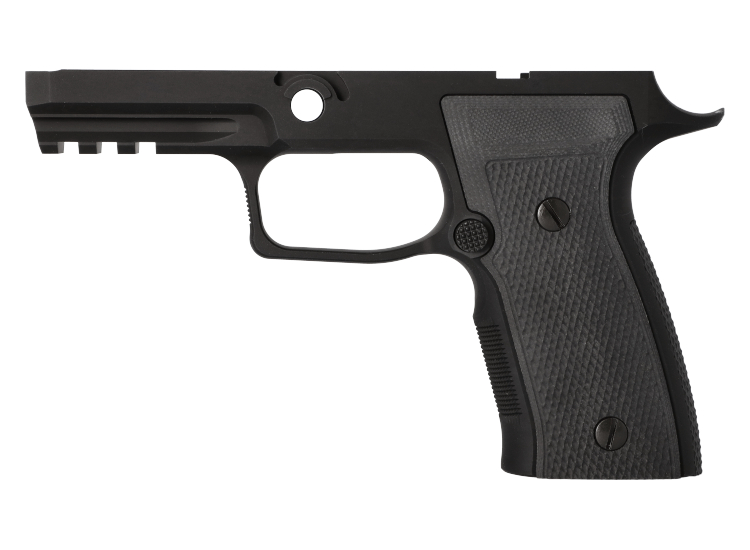
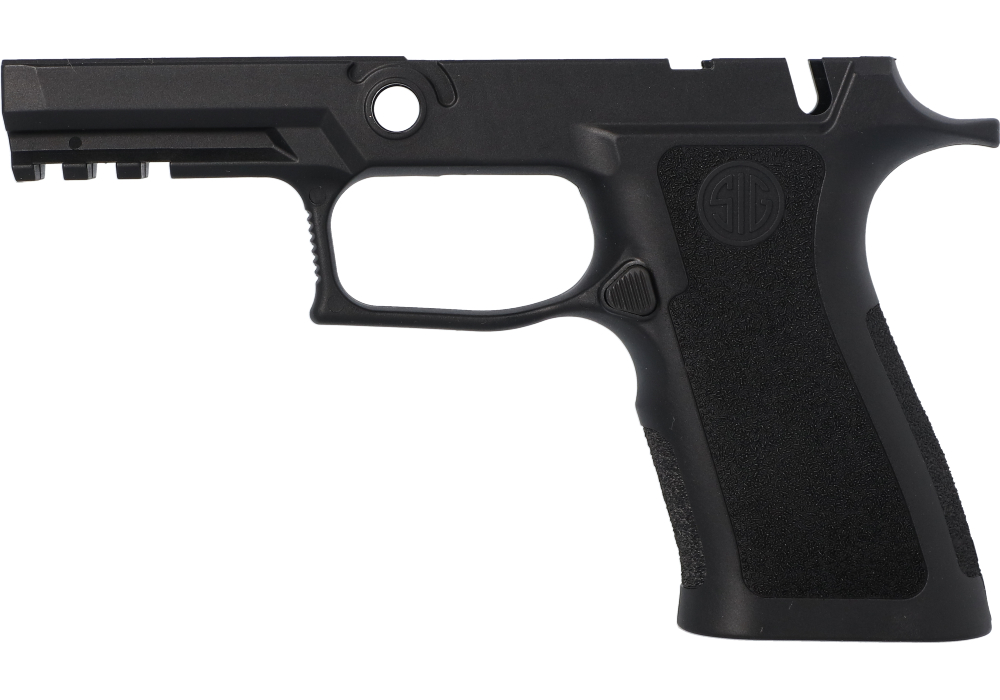
Comfortable firearm grips are grip panels, grip modules, or compatible grip accessories designed to improve how a firearm feels in the hand. Their shape, texture, and dimensions can help reduce pressure points and provide a more consistent hold, especially during extended range sessions. Comfort comes from the relationship between the grip and the person using it, not simply from a softer surface. A grip that feels substantial and supportive in a larger hand may feel bulky in a smaller one, while a slim profile can offer easier reach without providing enough palm support for every shooter. Circumference, front-to-back depth, and the transition between the grip and frame all influence that experience. Rounded edges can feel less abrasive against the palm, and thoughtfully placed contours can distribute contact across a broader area instead of concentrating it beneath a knuckle or along the heel of the hand. Finger grooves and palm swells are useful examples of features that depend heavily on individual fit: a contour that matches one hand can press against the wrong place on another. Surface texture deserves the same attention. Fine texturing may feel comfortable during a long practice session, while a more pronounced pattern may offer stronger traction but feel rough against bare skin. The goal is a secure, repeatable grasp that does not require unnecessary squeezing just to feel stable. Fit also includes the firearm itself. Replacement panels, integrated grip modules, and sleeves are different accessory types, and their compatibility requirements are not interchangeable. Correct dimensions, attachment points, and clearance around controls matter as much as the feel of the surface. A comfortable grip should complement normal handling without interfering with the firearm’s intended operation. Even a small change in thickness or contour can alter how the hand settles, making the exact platform and the shooter’s preferred feel important parts of the selection.
Materials give comfortable grips much of their character, but no single material guarantees the best experience. Textured polymer can provide a relatively light, firm surface with contours that remain consistent through repeated use. Rubber and other elastomer materials can add cushioning and a slightly yielding feel, although their thickness and surface finish influence whether that softness feels supportive or overly bulky. Some designs may moderate the sensation of recoil at the hand, but a grip does not eliminate recoil or replace sound handling habits. Wood can offer a firm feel, distinctive grain, and smooth contours, with durability depending on its finish and exposure to cleaning products or moisture. Metal grip panels can provide crisp texture and a solid feel, though their weight and harder contact surfaces create a different experience from rubber or polymer. Composite materials offer another balance of rigidity, texture, and resistance to wear. Within any of these categories, the pattern and placement of the gripping surface can matter as much as the material underneath it. A coarse texture across every contact point may be less comfortable than a design that combines traction where the fingers rest with smoother areas near sensitive parts of the hand. Seams, fastener recesses, and edges are worth considering because the palm can notice a small ridge that looks insignificant in a photograph. The same is true of fit around the frame: a neatly aligned panel should not leave an exposed edge that repeatedly rubs the hand. Bare-handed use and use with gloves may call for different balances of texture and thickness, and perspiration during practice can reveal differences that are not apparent from a brief initial hold. Durability is therefore more than resistance to visible wear. It includes whether the surface retains its useful texture, whether the material keeps its shape, and whether the grip continues to fit securely over time. A good balance of support, traction, and finish is usually more meaningful than a single standout feature.
Intended use helps put those details into perspective. Someone who spends substantial time practicing at the range may value a surface that stays comfortable through repeated handling, with enough texture to maintain a consistent grasp without leaving the palm irritated. A recreational shooter who prefers shorter sessions may place greater emphasis on familiar contours and a natural-feeling hold. For organized shooting sports, repeatability and compatibility with permitted equipment can be important considerations alongside comfort. Where a firearm is carried, added grip thickness and aggressive texture may also affect how it sits against clothing or interacts with a holster, so comfort in the hand is only one part of overall suitability. These preferences are personal, and a grip should not be treated as a substitute for training or as a guaranteed solution to hand discomfort. Persistent pain deserves appropriate attention rather than an assumption that an accessory will resolve it. Care is generally straightforward when it follows the firearm and accessory manufacturers’ recommendations. Before cleaning or maintenance, the firearm should be unloaded and handled according to its manual. Appropriate cleaning products help protect finishes and materials, while attention to residue in textured areas helps preserve the surface’s intended feel. Harsh solvents, prolonged soaking, and abrasive cleaning methods may be unsuitable for some grip materials. Signs such as cracking, separation, damaged attachment points, or a loose fit warrant evaluation before further use. Appearance can matter, too, particularly for someone who enjoys personalizing equipment without losing practical fit. The Custom Grips collection offers another place to explore grip personalization, with compatibility and comfort remaining essential considerations. Grips can also be a thoughtful gift for an experienced firearm owner when the recipient’s exact platform, hand-fit preferences, and accessory requirements are known. The most useful choice is one that feels like a natural extension of the existing setup: supportive in the palm, comfortable at the edges, and well suited to the way the owner uses and maintains the firearm.