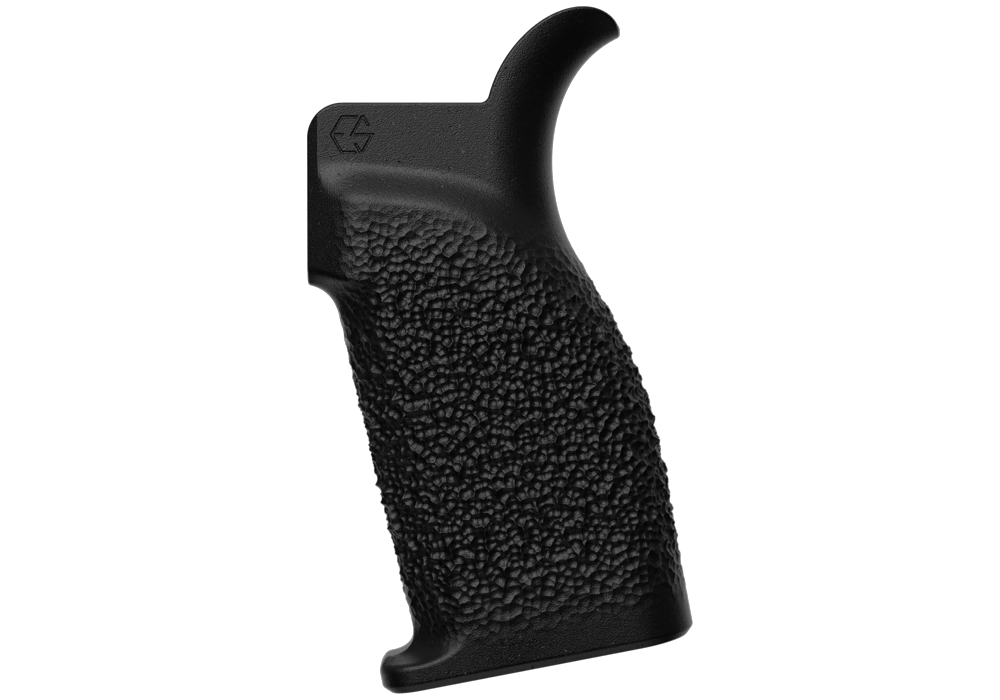
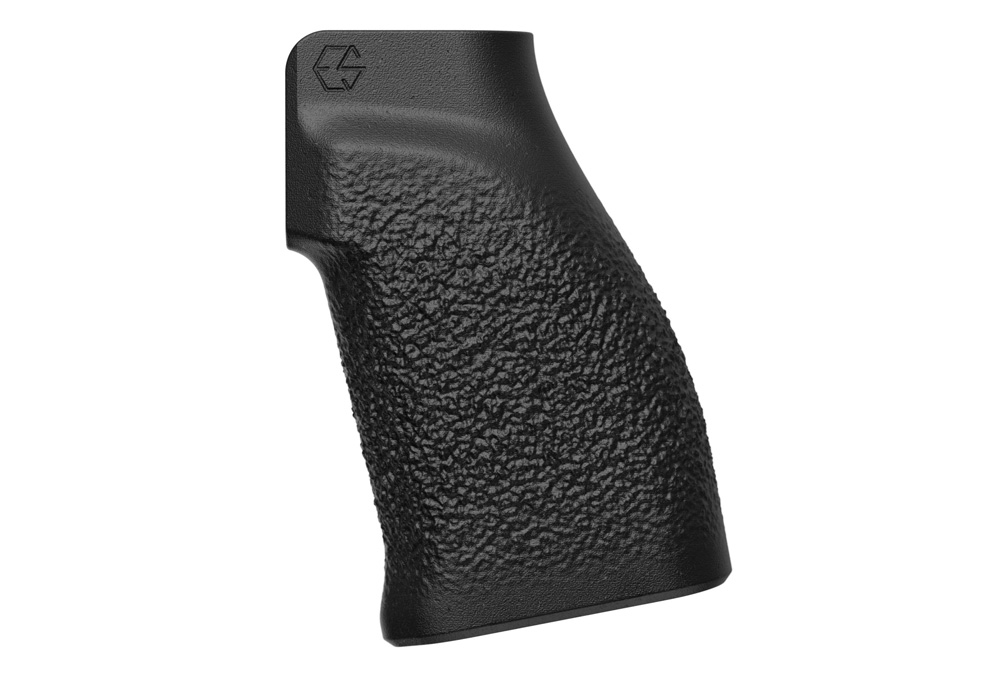
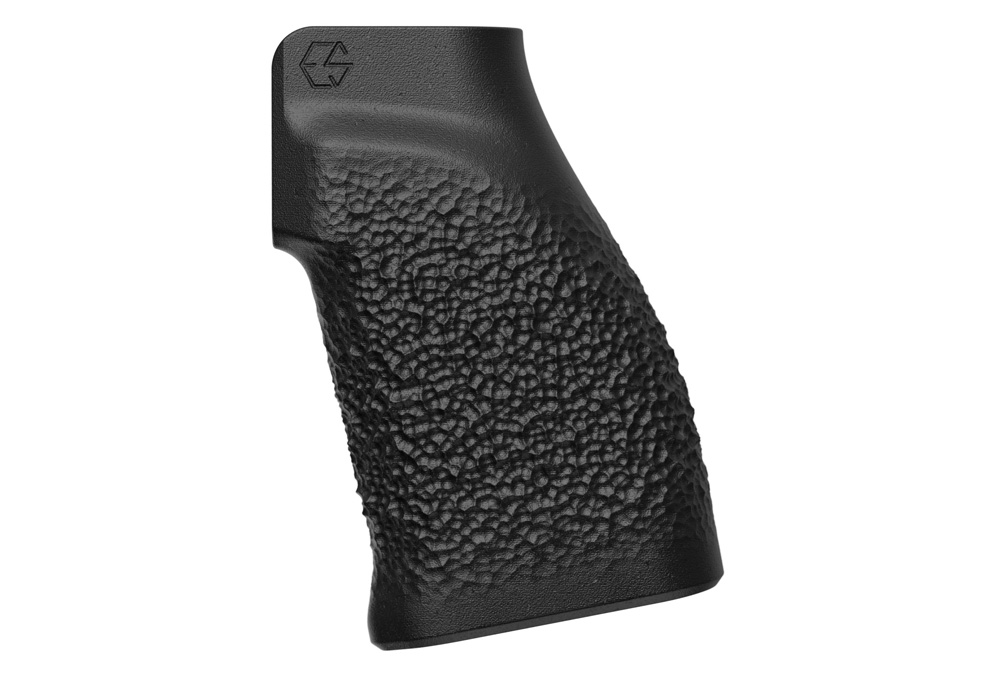
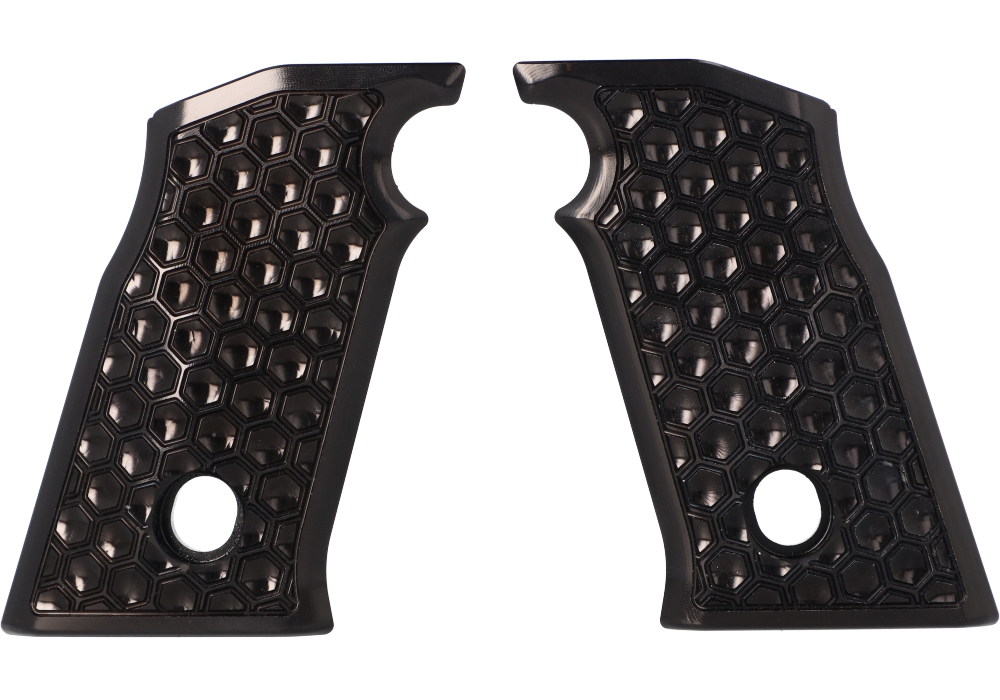
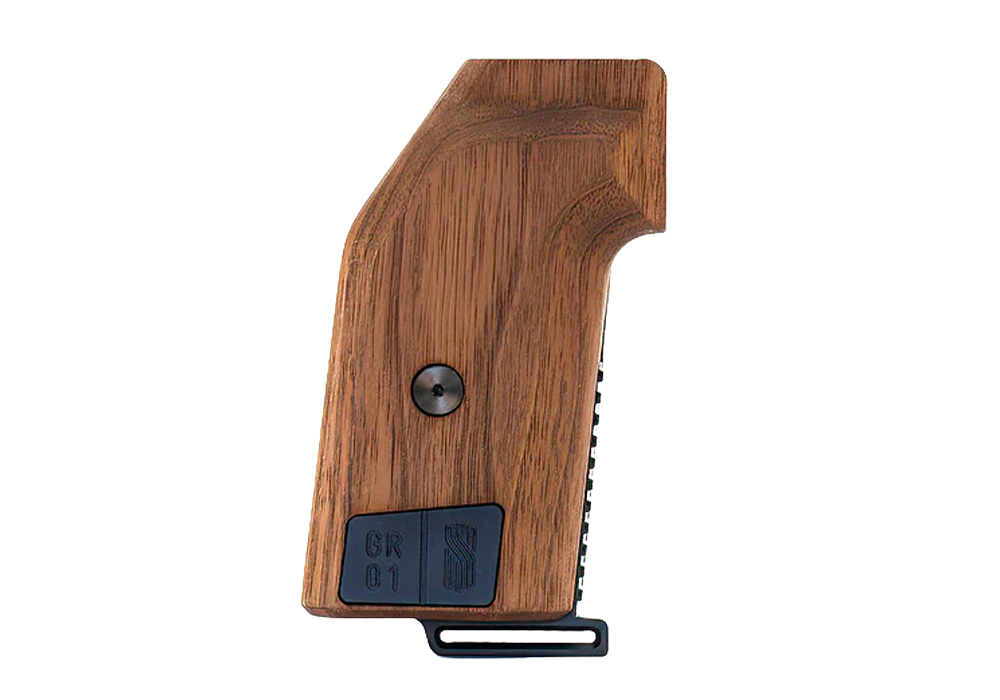
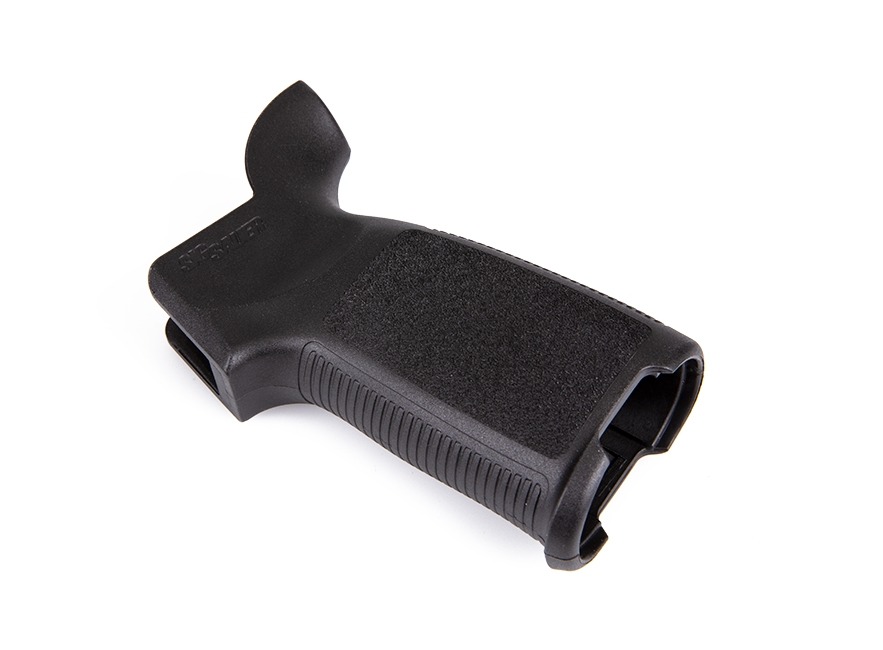
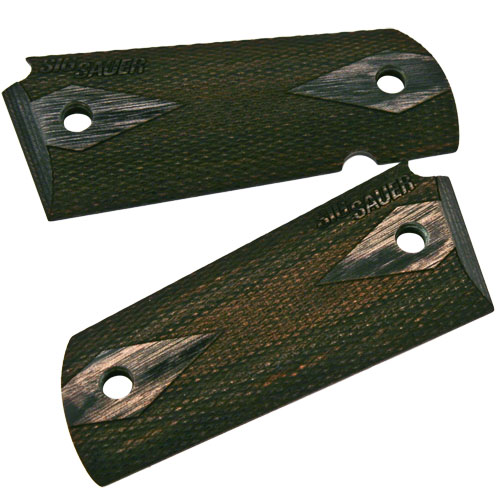
Custom grips give firearm owners a practical way to refine the feel, control, and appearance of a handgun or long gun. While factory grips are designed to suit a broad range of users, a personalized grip can better match the size of the shooter’s hand, preferred shooting position, and intended use. Grip panels, sleeves, backstraps, inserts, and replacement handles may alter the circumference, palm swell, texture, or angle of the firearm, helping it feel more secure during presentation and follow-up shots. Some shooters choose custom grips for a more pronounced texture that remains steady in wet or demanding conditions, while others prefer a smoother finish that is comfortable during extended practice. Materials such as G10, Micarta, wood, polymer, rubber, and aluminum each bring different qualities in terms of weight, warmth, durability, traction, and visual character. A well-selected grip can make the firearm feel more naturally aligned in the hand, much like a properly fitted tool that seems to settle into the palm instead of shifting against it. For a closer look at traction-focused options, browse Textured Grips, where surface pattern and hand contact are central considerations. Custom grips are commonly selected by recreational range users, concealed-carry owners, competitive shooters, collectors, hunters, and professionals who spend significant time handling their firearms. They can also be a thoughtful gift for a responsible firearm owner, particularly when the recipient’s model, hand preference, and style are known. A grip upgrade is often personal enough to feel distinctive while remaining useful for routine range sessions, training, or display.
Fit should be the first consideration when comparing custom grips. Start by confirming the exact firearm model, generation, frame size, and operating configuration, since grips that appear similar may not share the same mounting pattern or clearance requirements. Pay attention to whether an option is intended for a specific frame style, whether it changes access to controls, and whether it accommodates the firearm’s existing hardware. Shooters with smaller hands may prefer a thinner profile or reduced palm swell that allows the fingers to reach the trigger and controls without excessive stretching. Larger-handed shooters may appreciate a fuller contour that fills the palm and reduces the tendency to shift under recoil. The right texture depends on both the shooter and the setting: aggressive checkering or stippling can provide excellent traction for training in cooler, damp conditions, but a milder pattern may be more comfortable for concealed carry or long sessions. Rubberized and cushioned surfaces can soften pressure points, while rigid materials may deliver a sharper, more defined interface with the hand. Consider clothing and carry method as well; pronounced texture can catch on fabric, and a thicker grip may affect holster compatibility or concealment. Appearance matters, too. Classic wood tones, modern geometric patterns, subdued solid colors, and contrasting finishes allow owners to personalize a familiar firearm without changing its core function. For competition or duty use, prioritize consistent handling, secure retention, and compatibility with established equipment over decorative details. For a range or collection firearm, color, grain, and texture can play a larger role in creating a distinctive setup.
Installation and upkeep deserve the same attention as selection. Before replacing any grip, unload the firearm completely, remove all ammunition from the work area, and follow the manufacturer’s instructions for safe handling and installation. If the change involves internal components, altered controls, permanent modification, or uncertainty about fit, consult a qualified gunsmith rather than forcing the part into place. Fasteners should be tightened according to the appropriate specifications, since over-tightening can damage a grip or frame and insufficient tension can allow movement during use. After installation, inspect the grip from every angle and verify that controls, magazines, safeties, takedown features, and holster interfaces operate as intended. A safe function check should be performed with no ammunition present, followed by careful evaluation at a controlled range. During that first session, note whether the grip shifts, creates hot spots, interferes with a consistent draw, or changes the shooter’s ability to manage recoil. Small differences become apparent after repeated handling, especially during practice in the cooler months when gloves, heavier clothing, or dry hands can affect purchase. Clean grips with methods appropriate to their material, avoid harsh solvents unless approved for the surface, and inspect textured areas for debris or wear. Wood may benefit from careful conditioning, while polymer, G10, Micarta, and metal surfaces generally require straightforward cleaning and periodic inspection of hardware. With the right fit and responsible installation, custom grips can turn a familiar firearm into a more comfortable, confident extension of the shooter’s hand while adding a personal touch suited to everyday carry, range practice, field use, or a carefully considered gift.