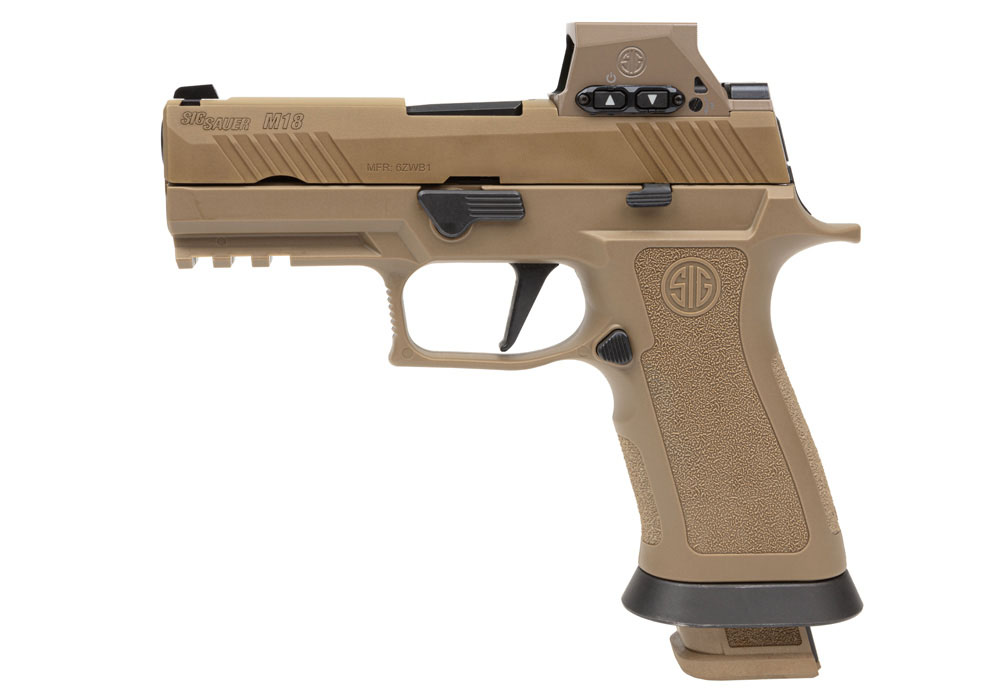
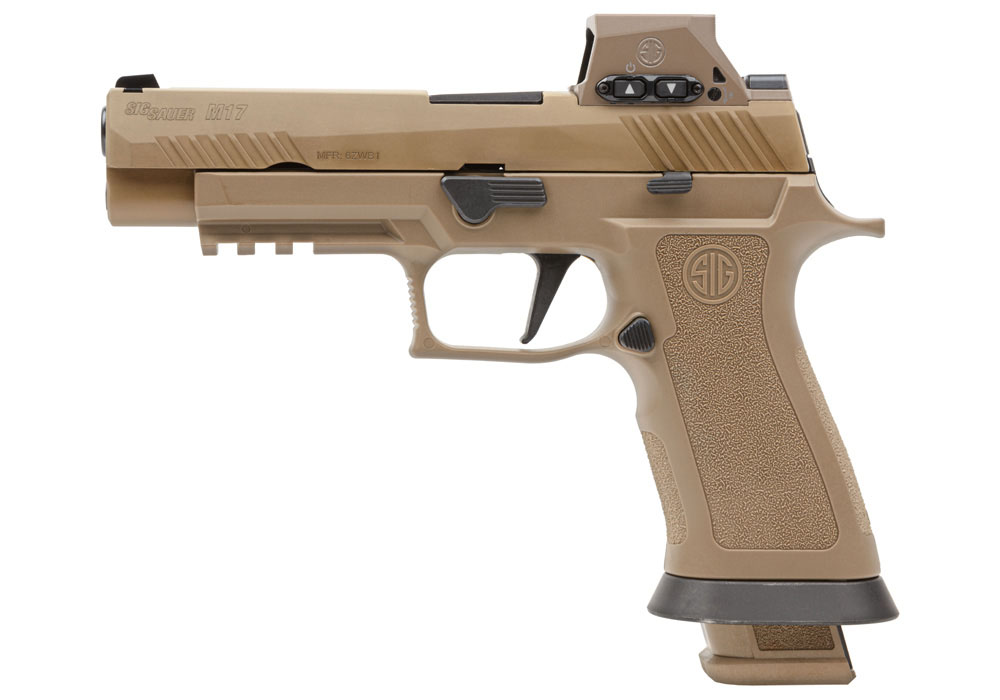
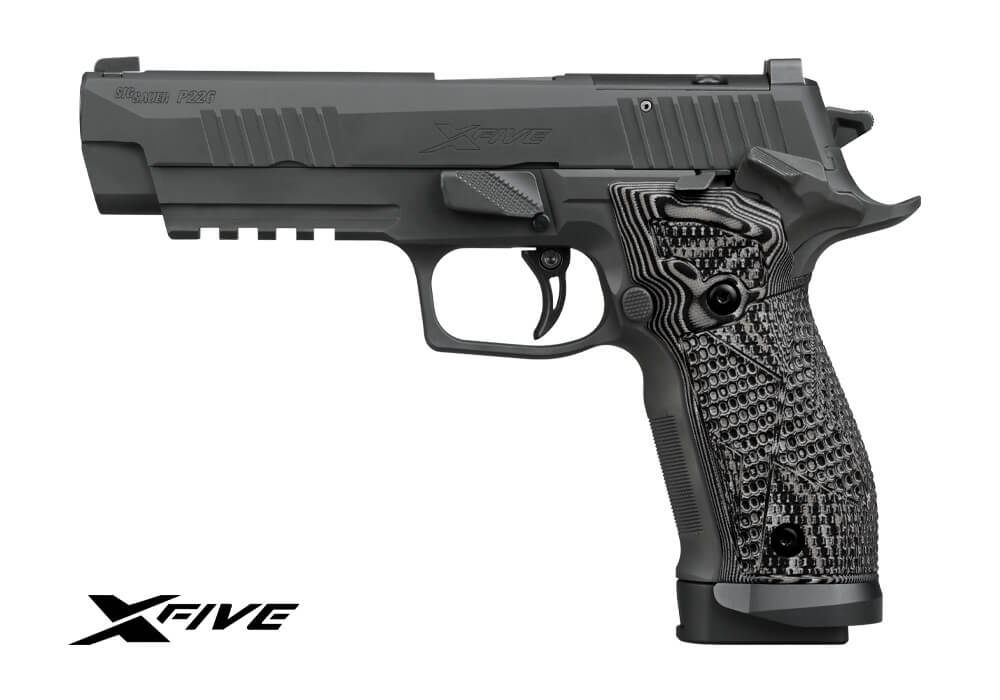
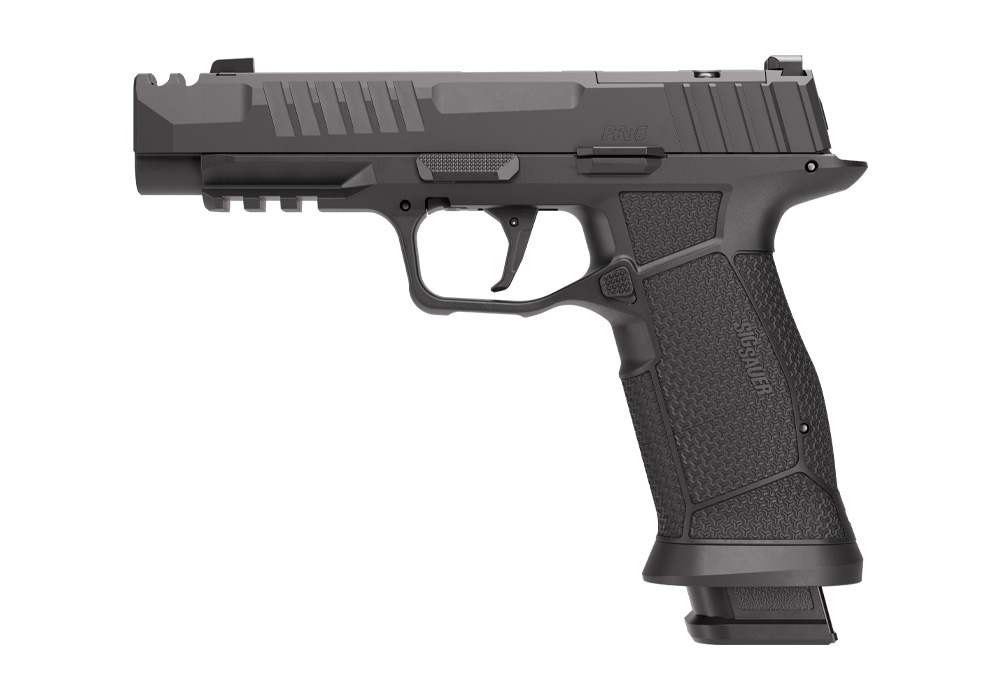
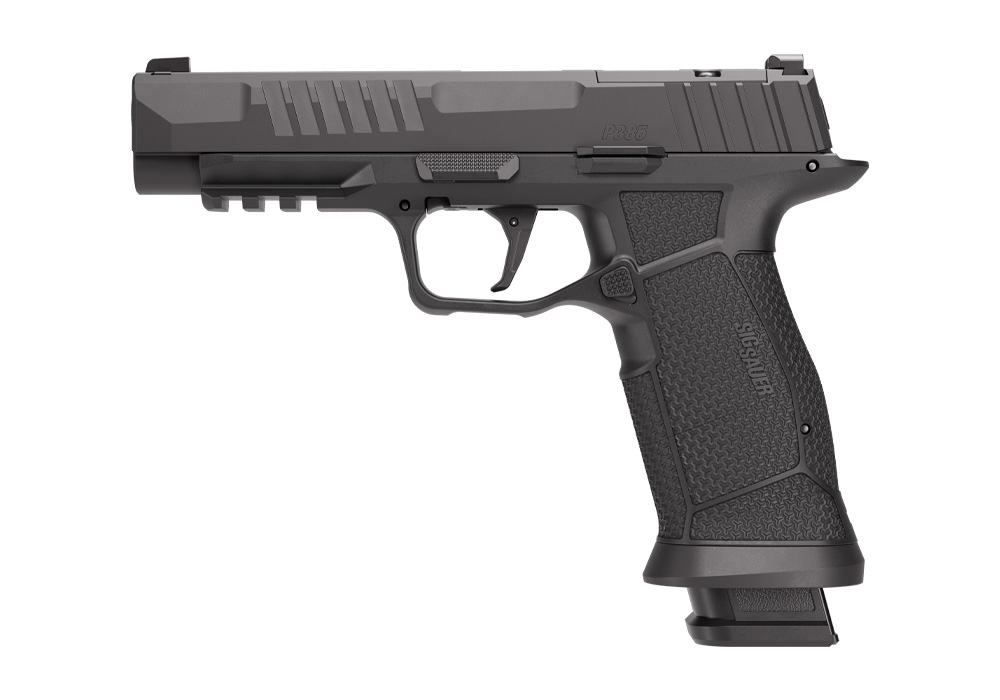
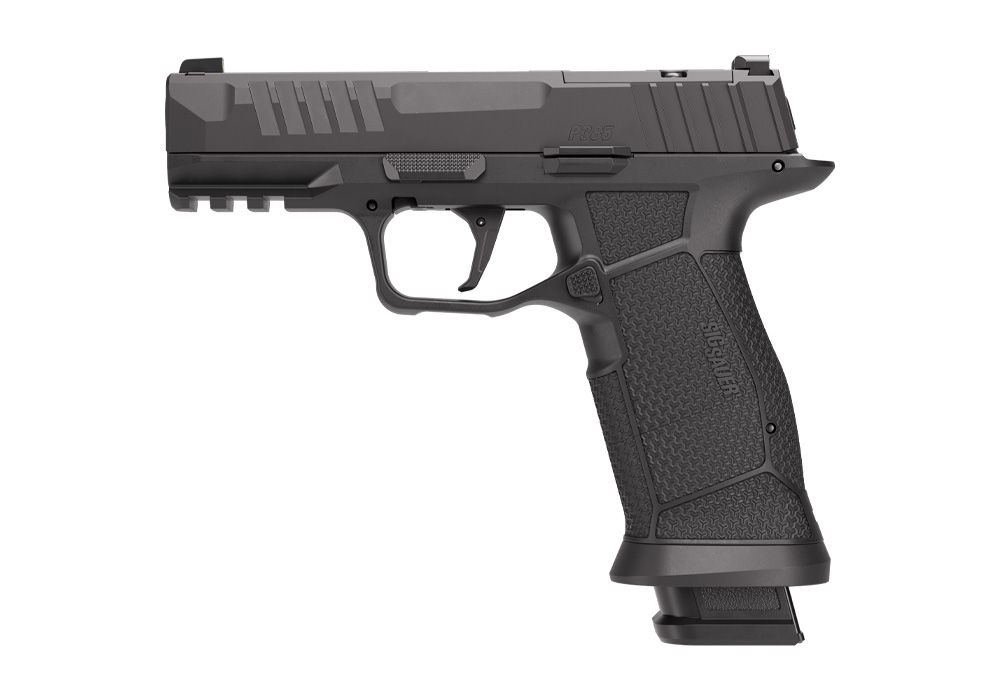
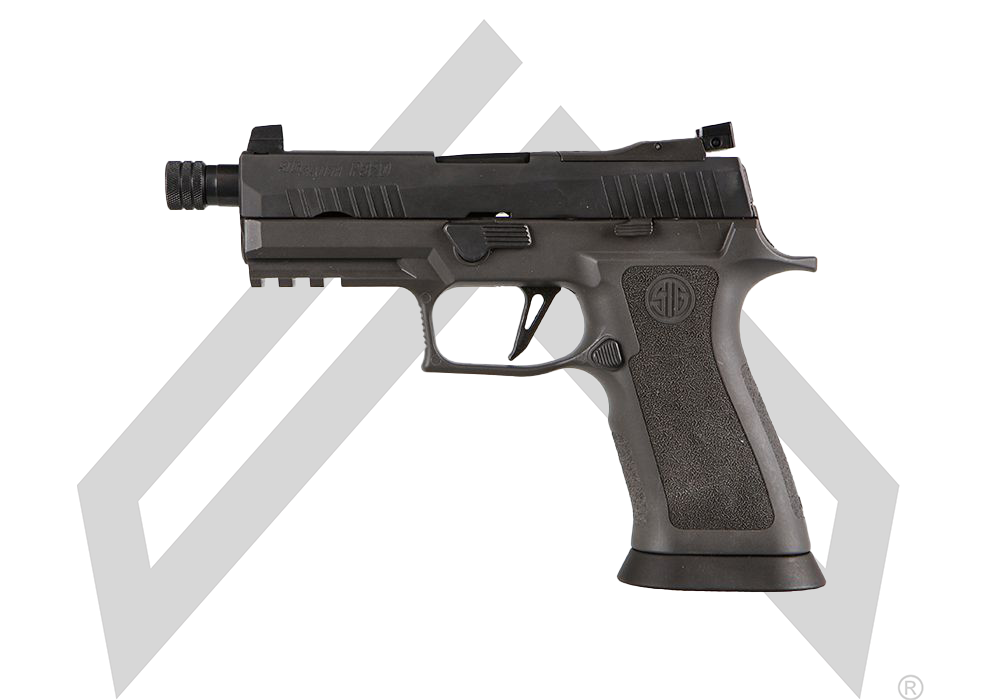
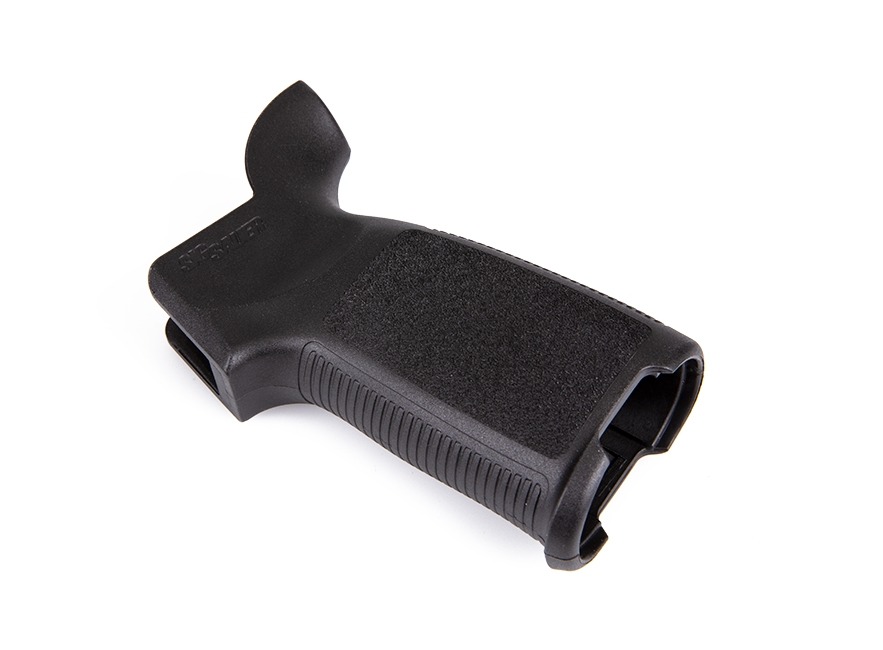
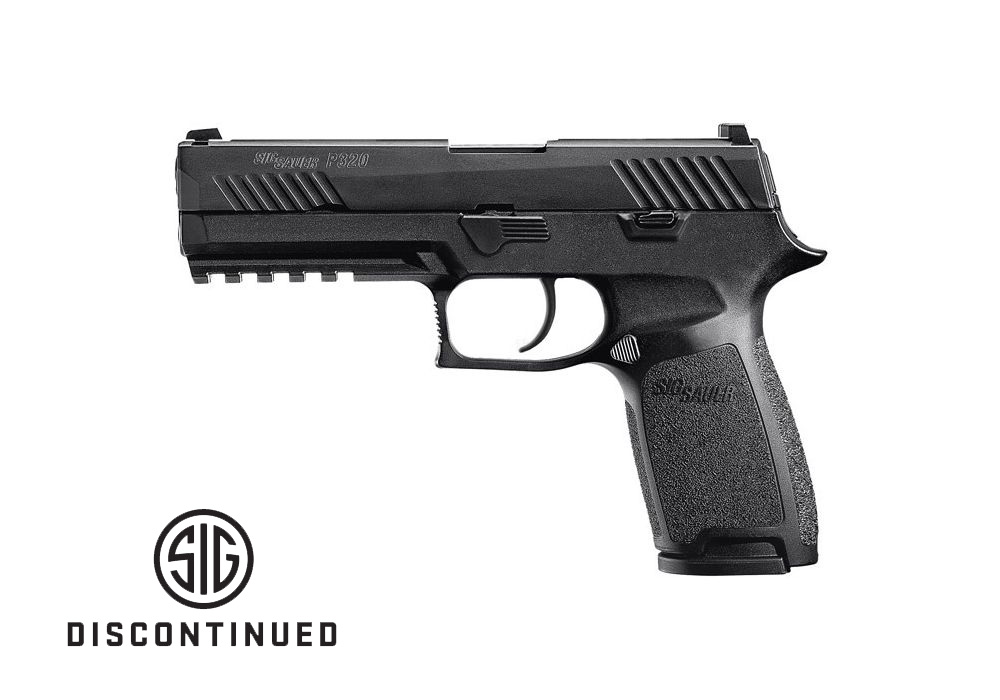
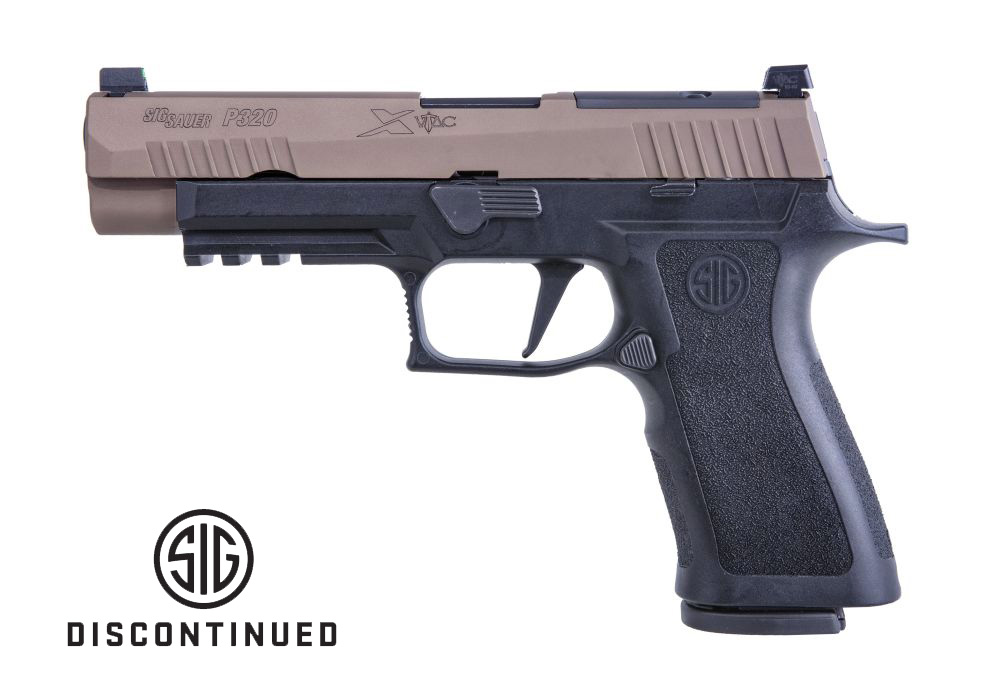
Contoured grip pistols are designed around the way the human hand naturally closes around a handgun, with shaping that can improve comfort, control, and consistency. Rather than relying on a flat or block-like handle, a contoured grip may include a curved backstrap, palm swell, tapered sides, textured panels, or an undercut near the trigger guard. These details help the fingers settle into a repeatable position while giving the palm a broader, more supportive contact area. When the fit is right, the pistol can feel less like an object being held and more like an extension of the hand. That secure fit is especially valuable when practicing at the range, where repeated presentations and extended sessions can reveal small pressure points that are easy to overlook during a brief examination. Grip shape can also influence how naturally the trigger finger reaches the trigger, how easily the support hand joins the hold, and how evenly recoil is distributed through the palm and wrist. Shooters with smaller hands may appreciate a reduced trigger reach or slimmer grip profile, while those with larger hands may prefer a fuller contour that allows the lower fingers to remain supported. Adjustable grip components or interchangeable backstraps can provide additional flexibility, helping a shooter fine-tune the fit without changing the fundamental platform. As with any firearm purchase, the best choice depends on lawful intended use, individual fit, training, and local requirements rather than appearance alone.
When comparing contoured grip pistols, begin with the way the frame meets your hand. With an unloaded firearm and the action confirmed safe, place your dominant hand around the grip and pay attention to whether your fingers naturally wrap into a firm, relaxed hold. The trigger finger should rest straight along the frame until you have made the decision to fire, and it should be able to reach the trigger without stretching or crowding. Notice whether the backstrap presses evenly into the palm, whether the frontstrap gives the fingers a dependable surface, and whether the texture feels secure without becoming abrasive during longer practice sessions. An undercut trigger guard can allow the middle finger to sit higher, while a modest palm swell may help prevent the hand from shifting during recoil. A grip that feels comfortable in a few minutes should also remain manageable through repeated loading, unloading, presentation, and sight alignment practice. Consider overall size, weight, sight picture, controls, holster compatibility, and whether the pistol accepts standard or extended capacity magazines suited to your needs and applicable laws. For shoppers comparing related configurations, Metal Framed Pistols With Ergonomic Grip offers another category to explore, particularly for those who value the balance and solid feel of a metal frame paired with carefully shaped contact surfaces. A knowledgeable retailer or qualified instructor can also help evaluate fit in person, especially when more than one shooter may use the same firearm.
Contoured grip pistols may suit a broad range of lawful applications, including recreational target practice, structured defensive training, and personal protection where permitted. They can be a practical choice for someone building a first handgun collection, an experienced shooter refining a familiar setup, or a responsible recipient receiving a firearm-related gift from someone who understands the importance of fit and training. A pistol intended for range use may be selected for its comfortable balance and ability to support many repetitions, while one chosen for defensive purposes should be paired with a properly fitted holster, secure storage, dependable ammunition, and professional instruction. For home storage, use a locked container that keeps the firearm inaccessible to unauthorized users, and store ammunition according to manufacturer guidance and applicable law. During the cooler months, changes in clothing can also affect how a grip, holster, or magazine pouch works together, making it worthwhile to confirm that equipment remains comfortable and secure over everyday layers. The most satisfying setup is often the one that disappears into the background: the grip rests naturally in the hand, the controls are easy to reach without shifting position, and practice feels steady rather than tiring. Selecting a contoured grip pistol with care can make routine handling more comfortable and help support consistent habits over time, but no ergonomic feature replaces safe storage, responsible ownership, regular practice, and instruction from a qualified professional.