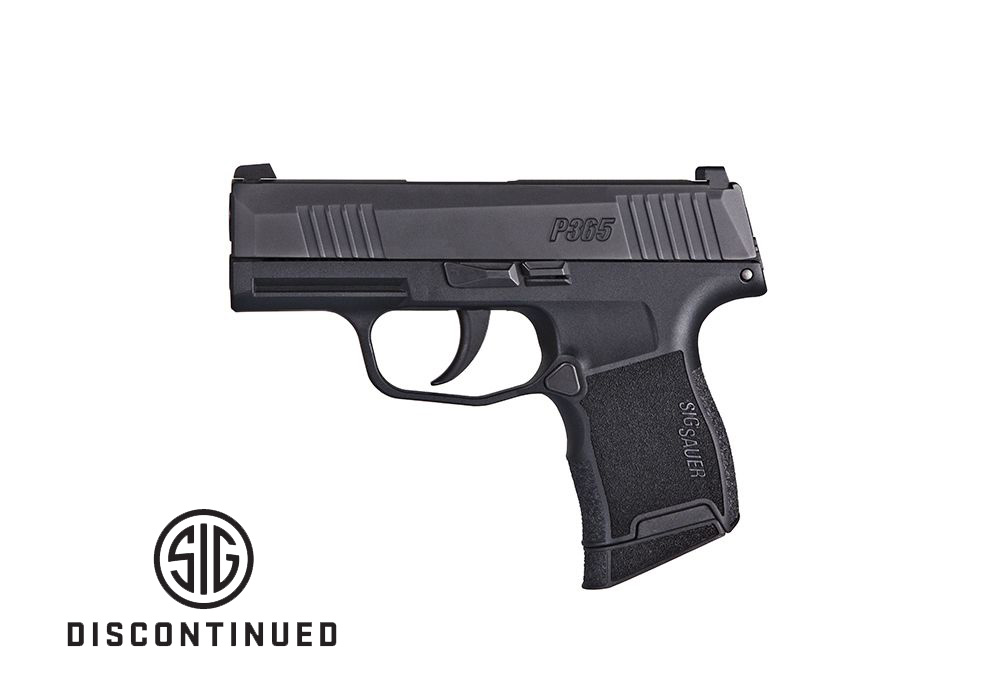
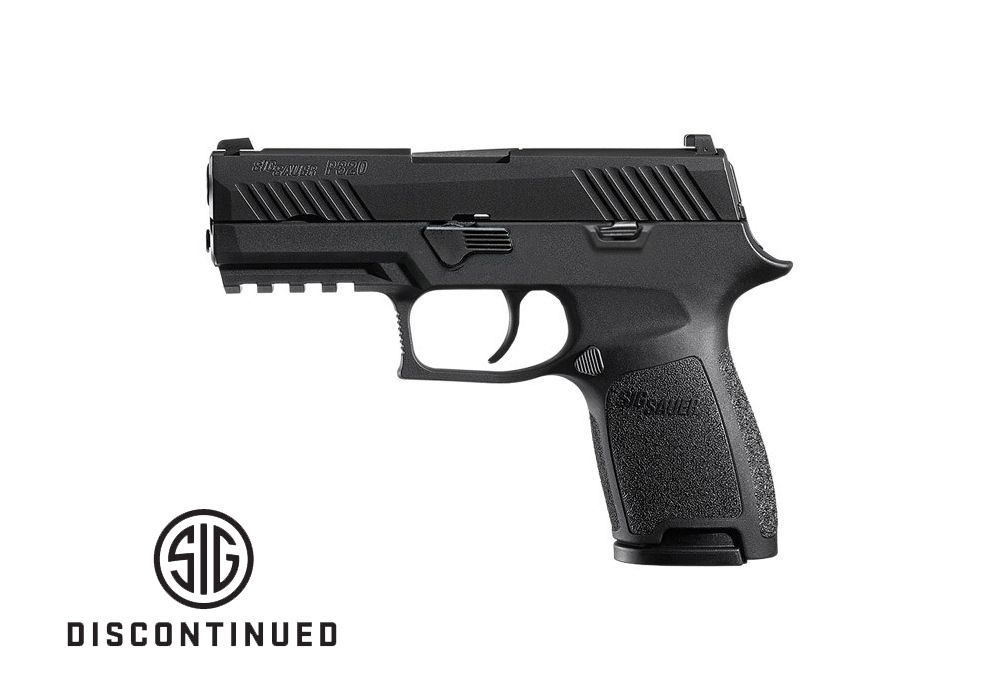
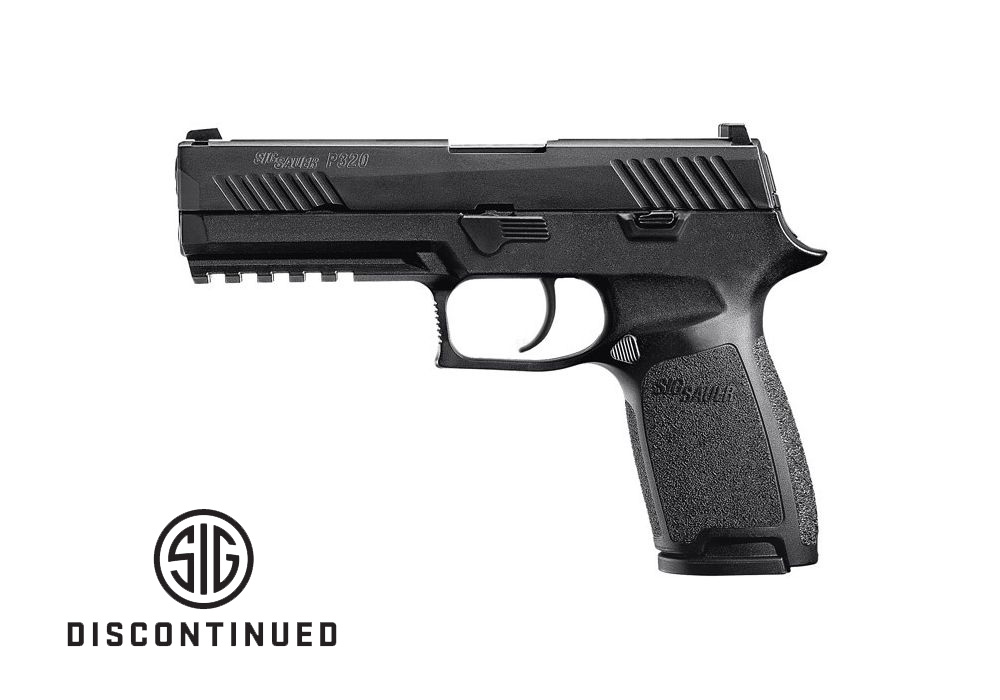
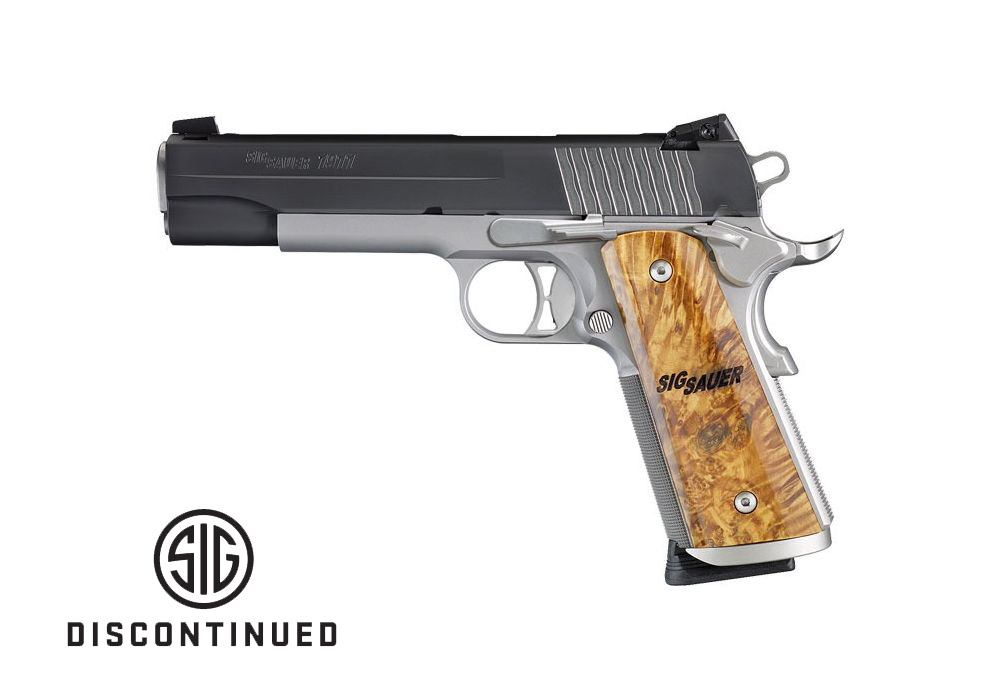
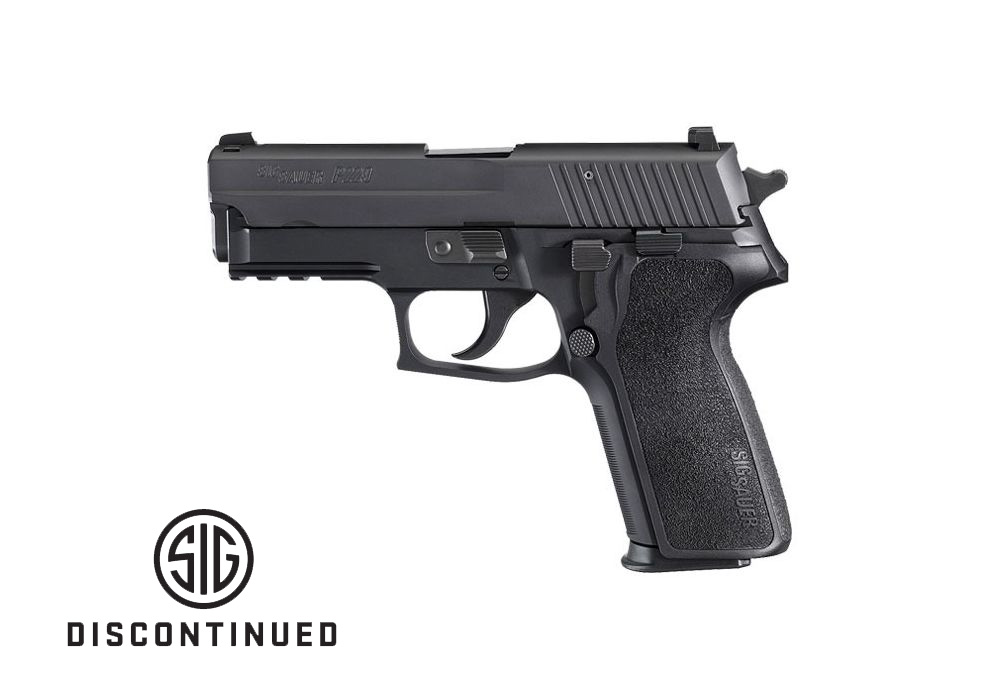
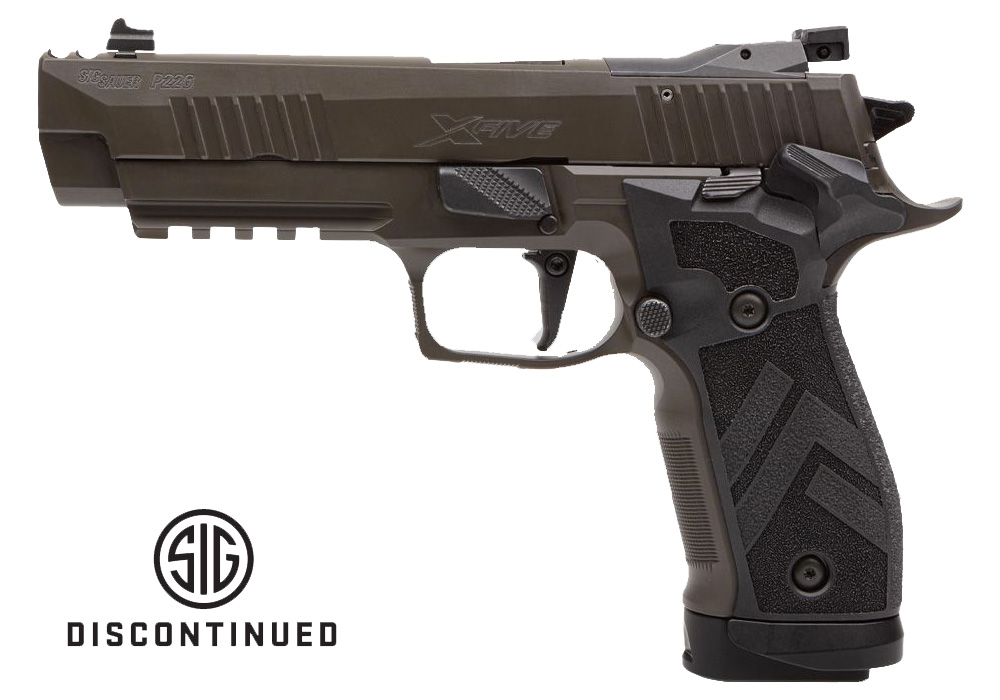
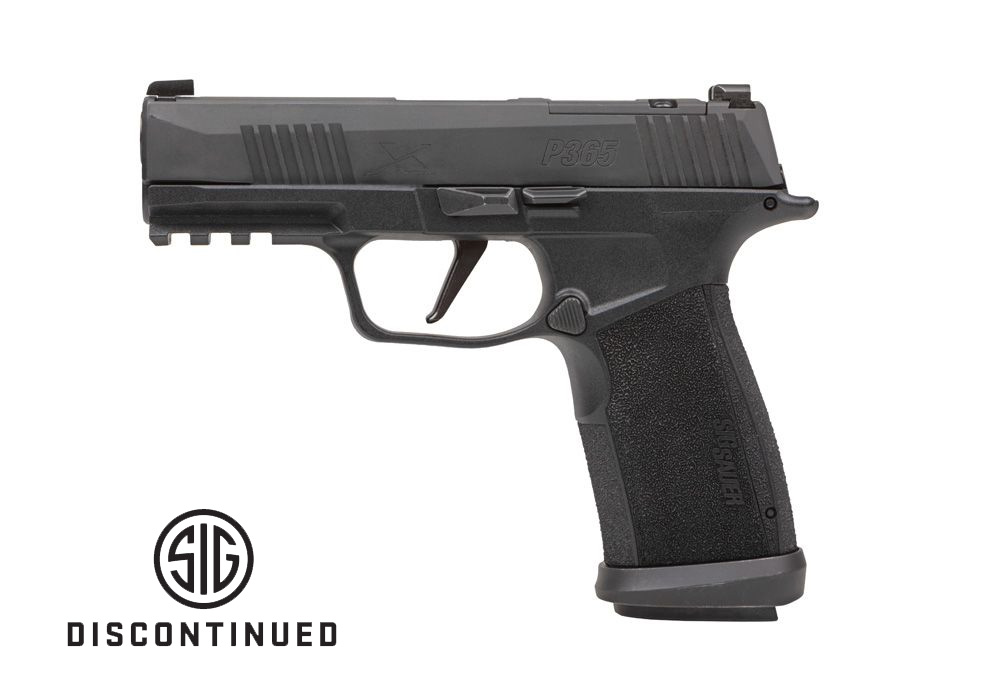
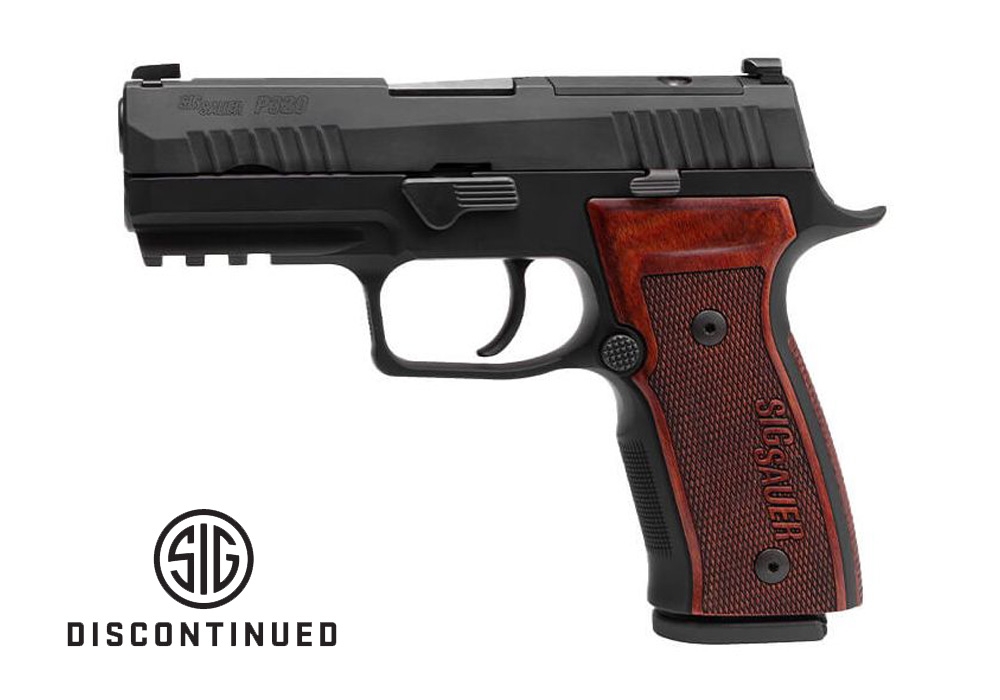
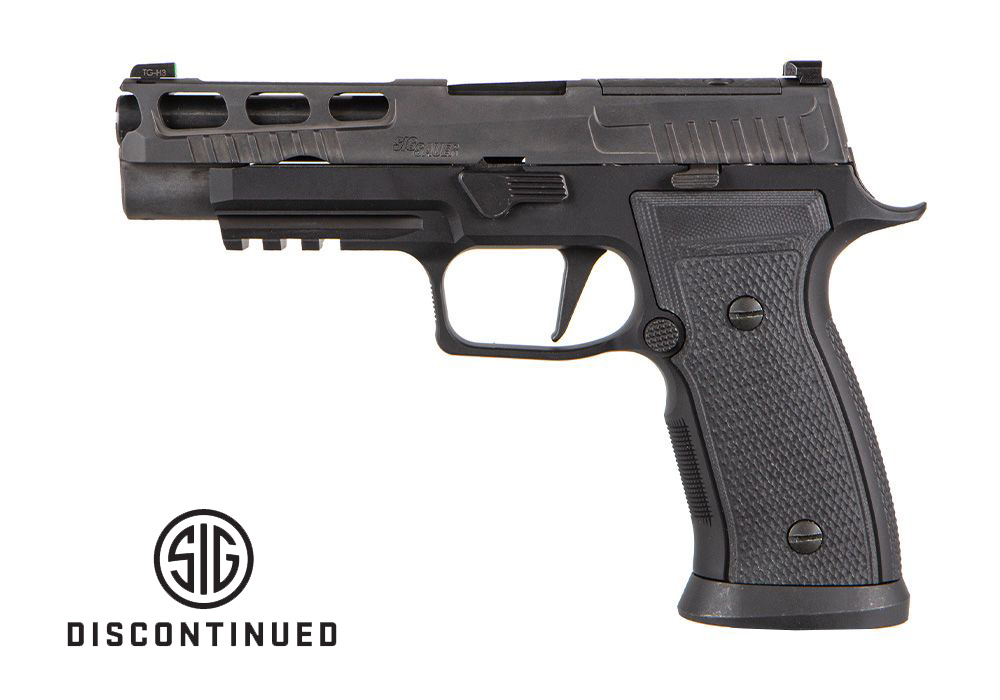
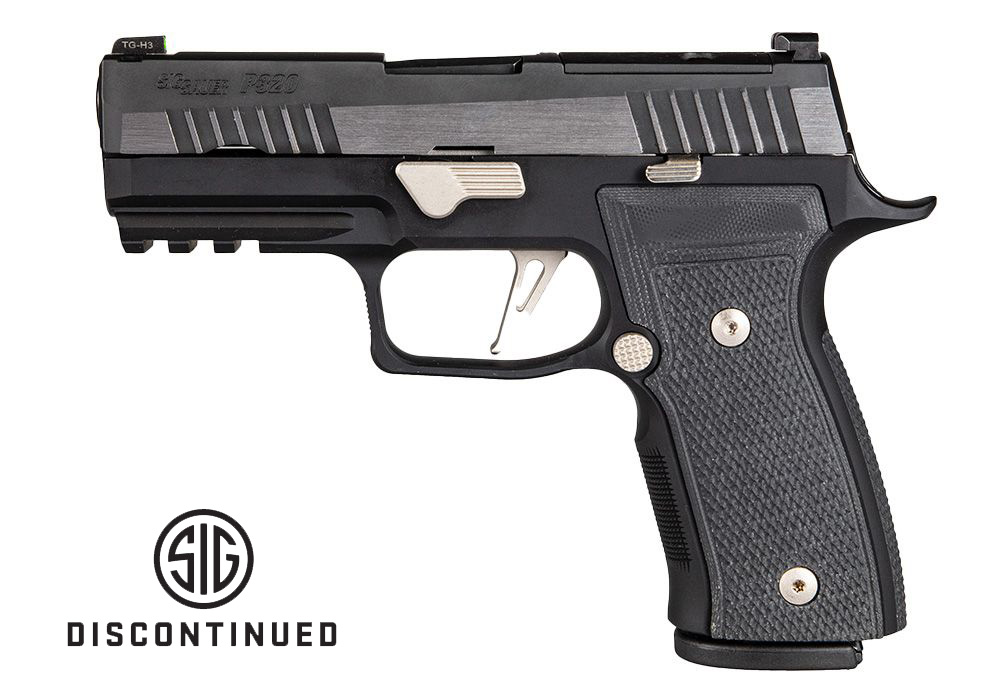
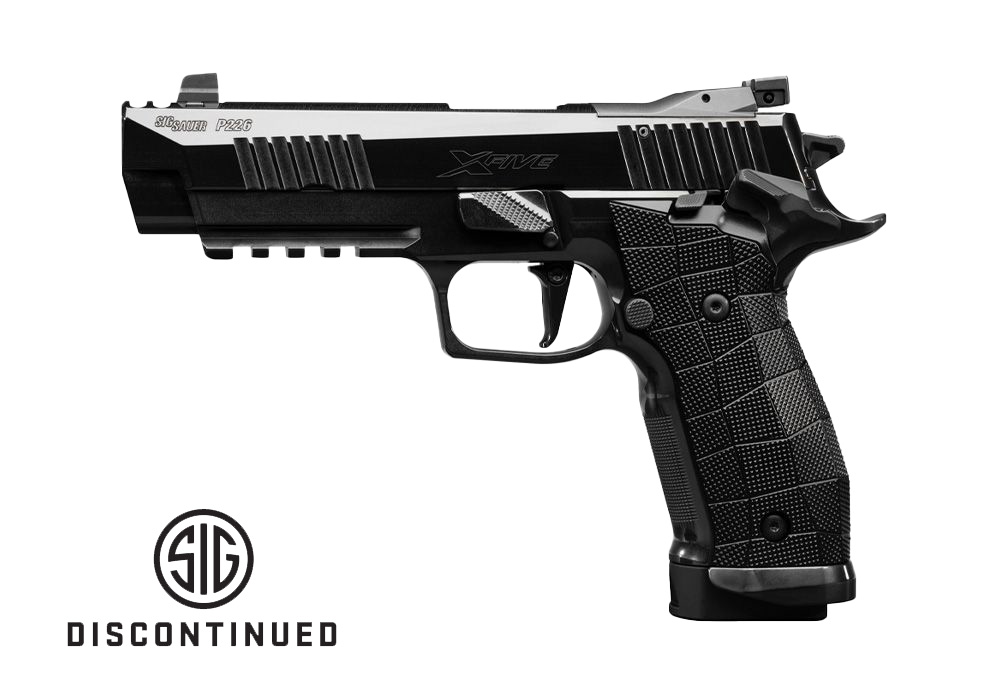
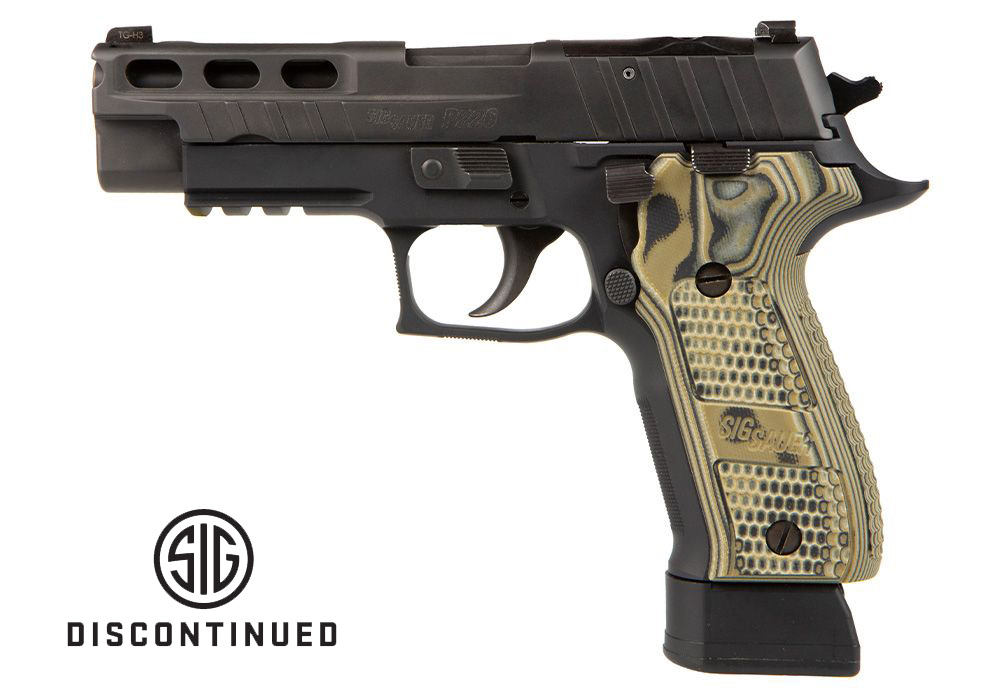
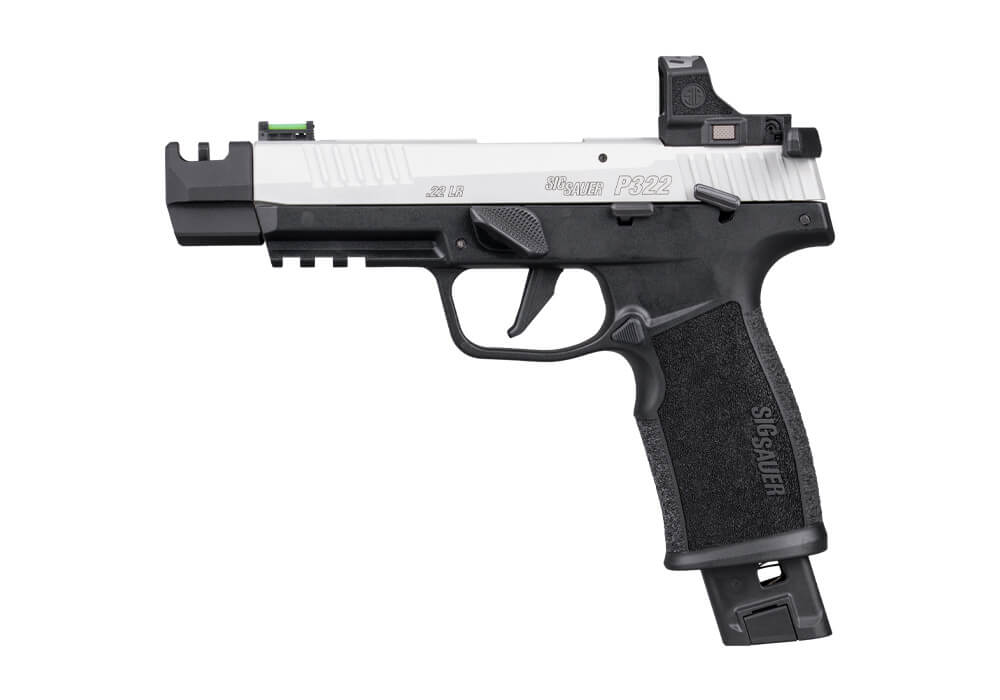
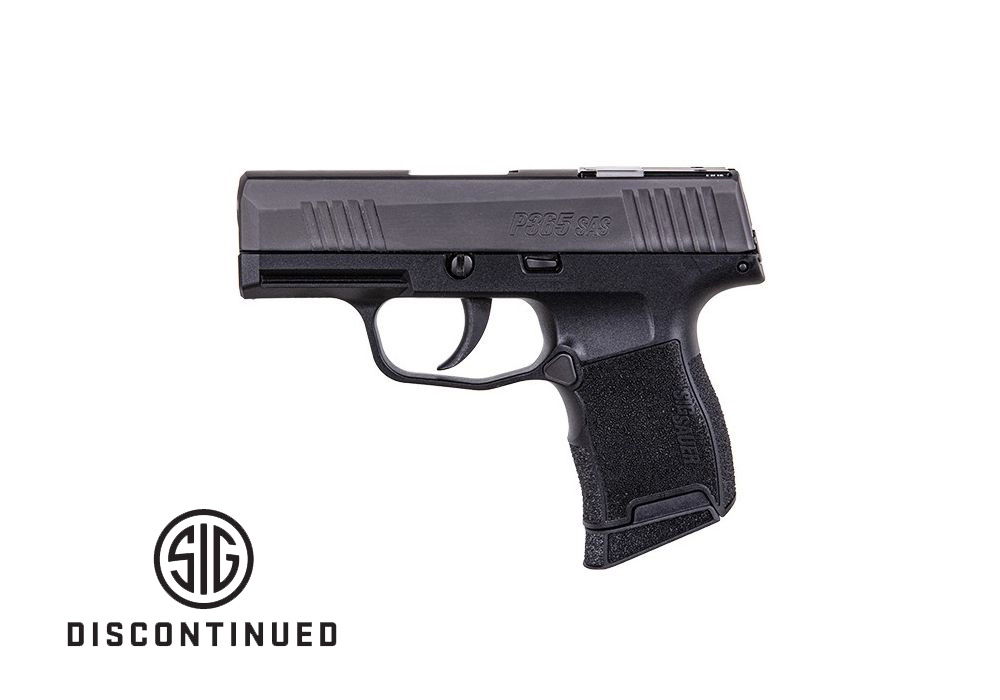
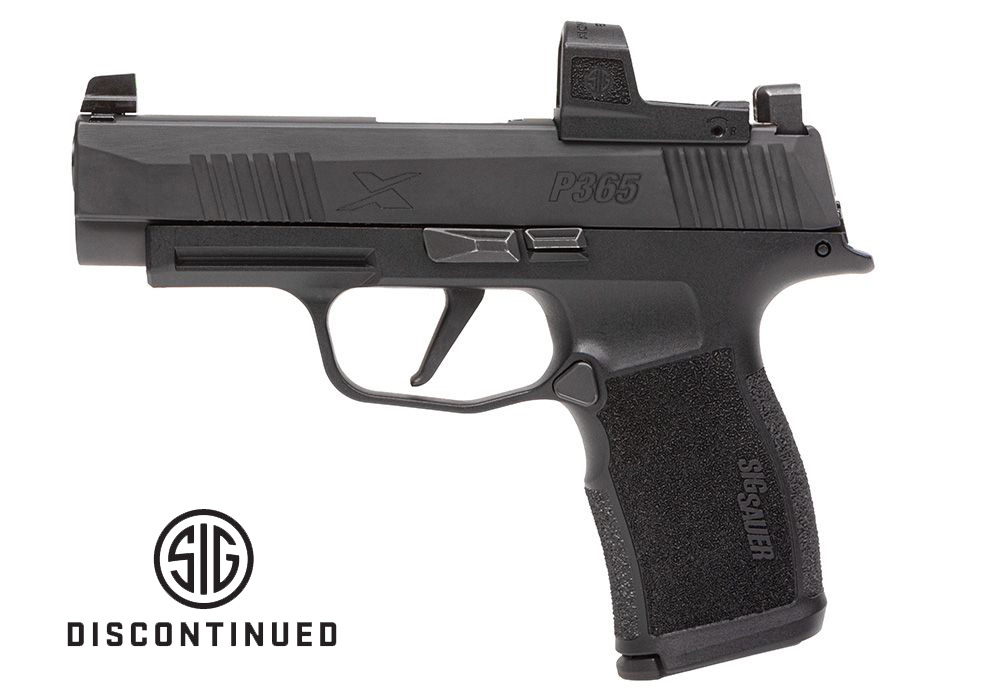
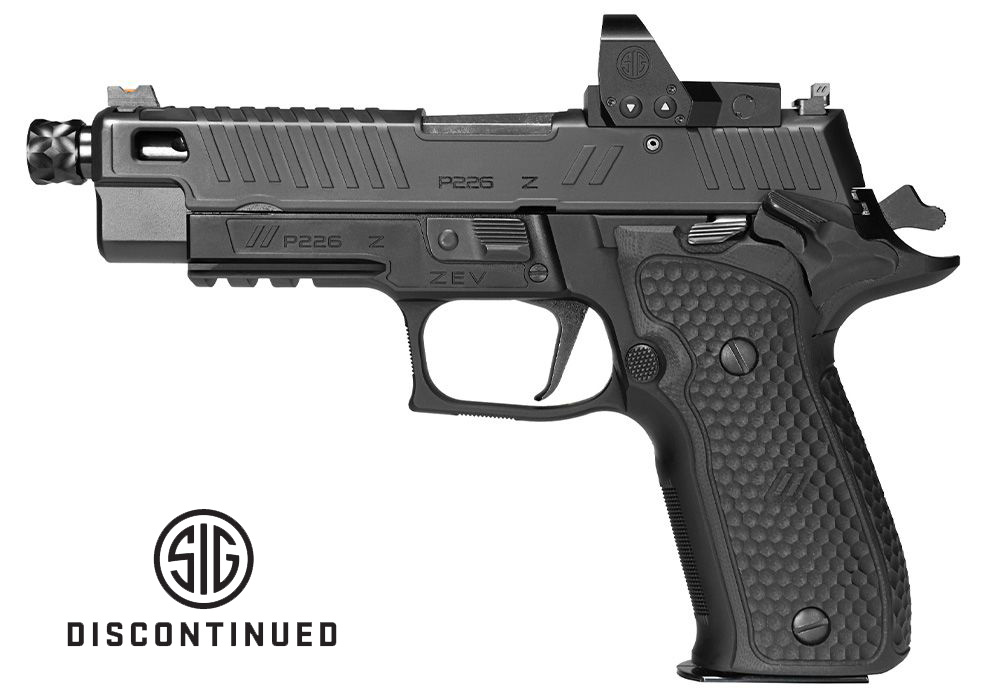
Metal-framed pistols with ergonomic grips are valued for the way they combine a solid, confidence-inspiring feel with a grip shape designed to work naturally with the hand. A metal frame, whether constructed from steel or a lighter alloy, adds useful weight to the pistol and helps moderate muzzle movement by keeping more mass low in the hand. That added stability can make it easier to maintain a consistent sight picture during deliberate practice, rapid follow-up shots, or longer range sessions. Ergonomics matter just as much. A grip that fills the palm without forcing the fingers into an awkward position can promote a more repeatable hold, while features such as an extended beavertail, an undercut trigger guard, a carefully shaped backstrap, and purposeful texturing can improve control without creating unnecessary discomfort. Grip panels may use checkering, molded texture, or other traction-enhancing surfaces, each offering a different balance of security and comfort. Many shooters notice the difference after only a few magazines: instead of constantly shifting the pistol to find a secure hold, the hand settles into place and the controls become easier to reach. Those looking for a similar focus on hand-fitting design can also explore Contoured Grip Pistols when comparing frame and grip profiles across different configurations.
When choosing among metal-framed pistols with ergonomic grips, start with the intended role rather than appearance alone. A pistol selected for range practice may benefit from a substantial steel frame, a longer sight radius, a refined trigger, and a grip texture that remains comfortable through an extended training session. A model intended for defensive use may call for a balance of manageable weight, reliable controls, practical dimensions, and a grip that remains secure when the shooter is moving, wearing gloves, or dealing with less-than-ideal conditions. Alloy frames can provide a useful middle ground for those who want some of the steadiness of a metal pistol without carrying the full weight of a steel frame. Standard or extended capacity magazines may also be worth considering, depending on local regulations, the pistol’s intended use, and the shooter’s preference for overall size and balance. Pay close attention to how the trigger reach fits the hand, especially if more than one person will use the pistol. A grip that feels excellent to one shooter may feel too broad, too narrow, or too long to another. The angle of the grip, the location of the magazine release, the shape of the trigger guard, and the ease of operating the slide stop should all be evaluated with an unloaded pistol under safe conditions. If possible, handling comparable frame sizes at a reputable range can reveal small differences that specifications alone do not show. During the warmer months, textured grips can be especially helpful when hands are perspiring, while during cooler months a less aggressive texture may be more comfortable during practice with gloves or heavier layers. The right choice is the one that supports a firm, repeatable grip while allowing the shooter to operate the pistol naturally and safely.
These pistols can suit experienced range shooters, competitors, instructors, and responsible owners seeking a stable platform for training and proficiency work. They may also be considered as a meaningful gift for an adult family member or shooting partner, but firearms should never be given casually or without confirming the recipient’s interest, eligibility, and compliance with all applicable laws. In many cases, a gift card, range session, training course, or secure storage accessory is a better surprise than selecting a firearm on someone else’s behalf. For any purchase, confirm transfer requirements, age restrictions, waiting periods, and other rules that apply in the buyer’s jurisdiction, and plan for secure storage that prevents unauthorized access. A quality holster, spare magazines, appropriate eye and ear protection, and a supply of compatible ammunition can help complete a responsible setup, but each accessory should match the pistol’s exact configuration. New owners should receive hands-on instruction from a qualified professional and practice the core safety rules every time: treat every firearm as loaded, keep the muzzle pointed in a safe direction, keep the trigger finger outside the trigger guard until ready to fire, and be certain of the target and what lies beyond it. Metal-framed pistols often reward a careful, methodical approach. Their balanced heft, natural grip angles, and traction-focused surfaces can make a long afternoon at the range feel steady rather than tiring, helping shooters concentrate on sight alignment, trigger control, and consistent fundamentals. As outdoor routines shift through the seasons, they remain versatile choices for structured practice, competition preparation, and responsible ownership built around safety and familiarity.