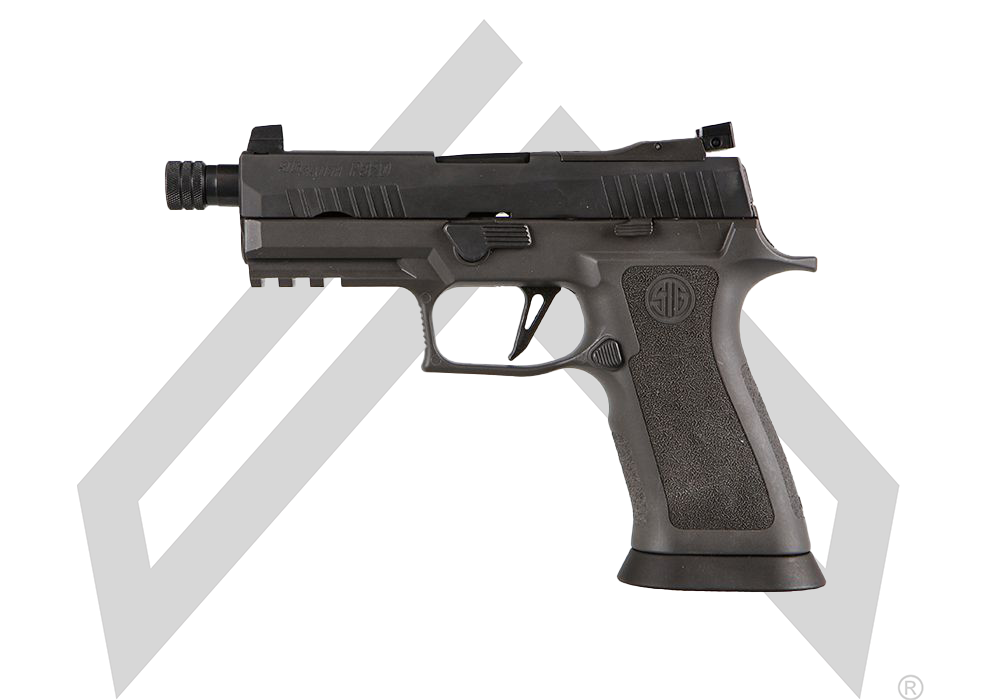
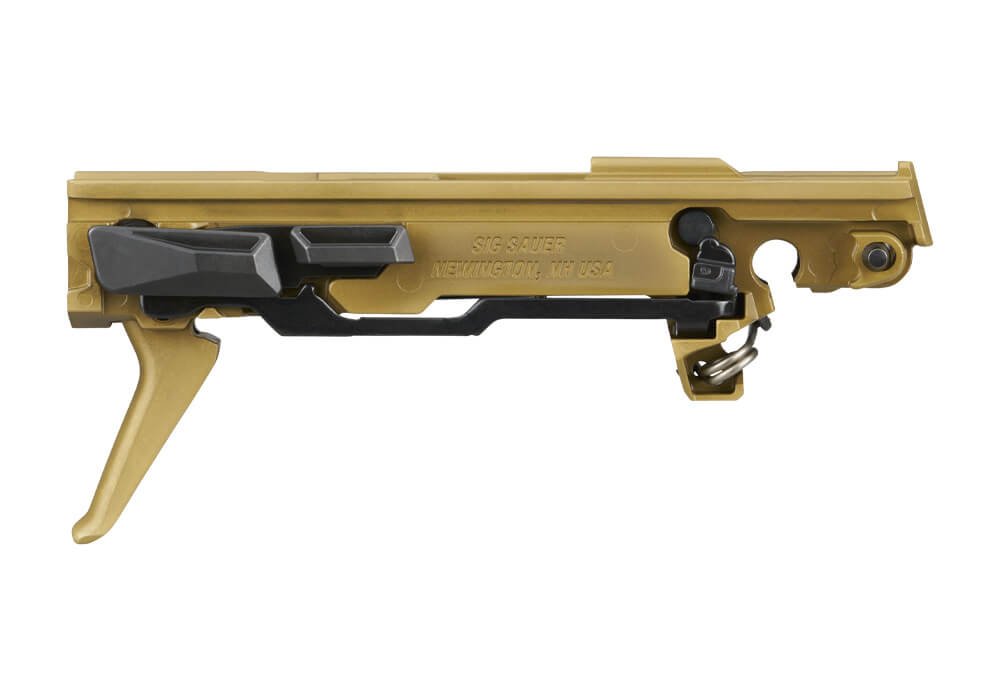
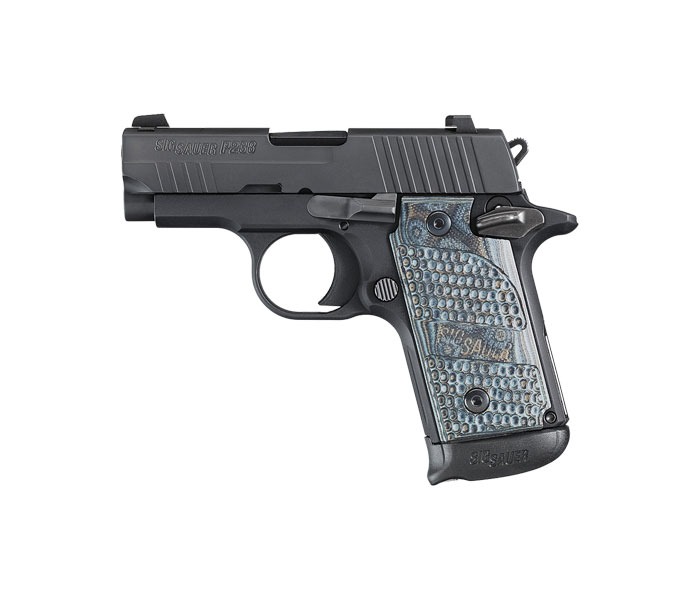
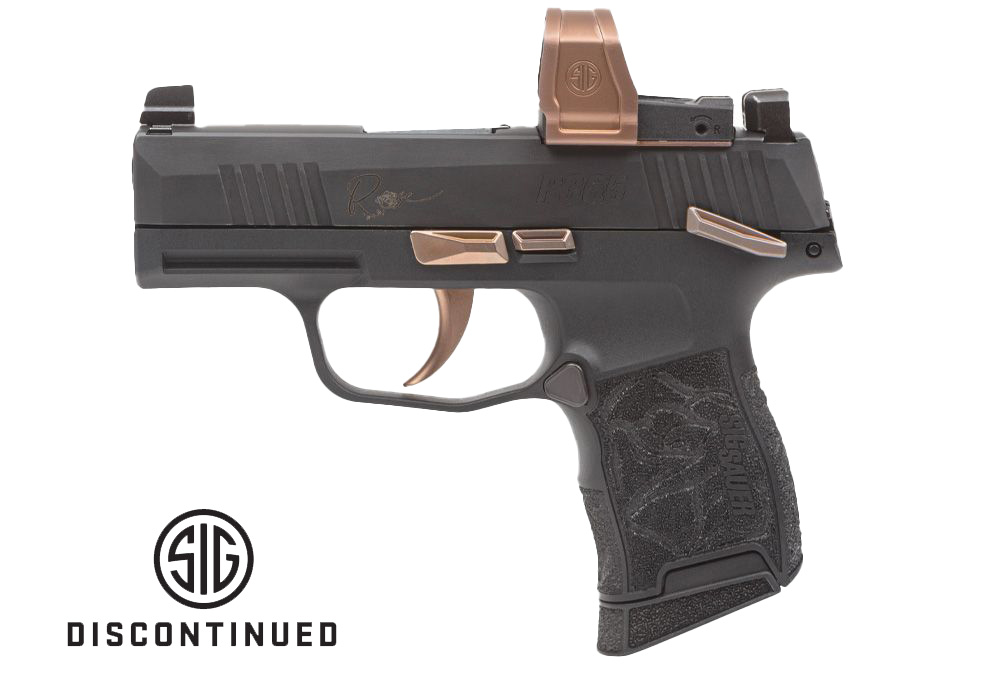
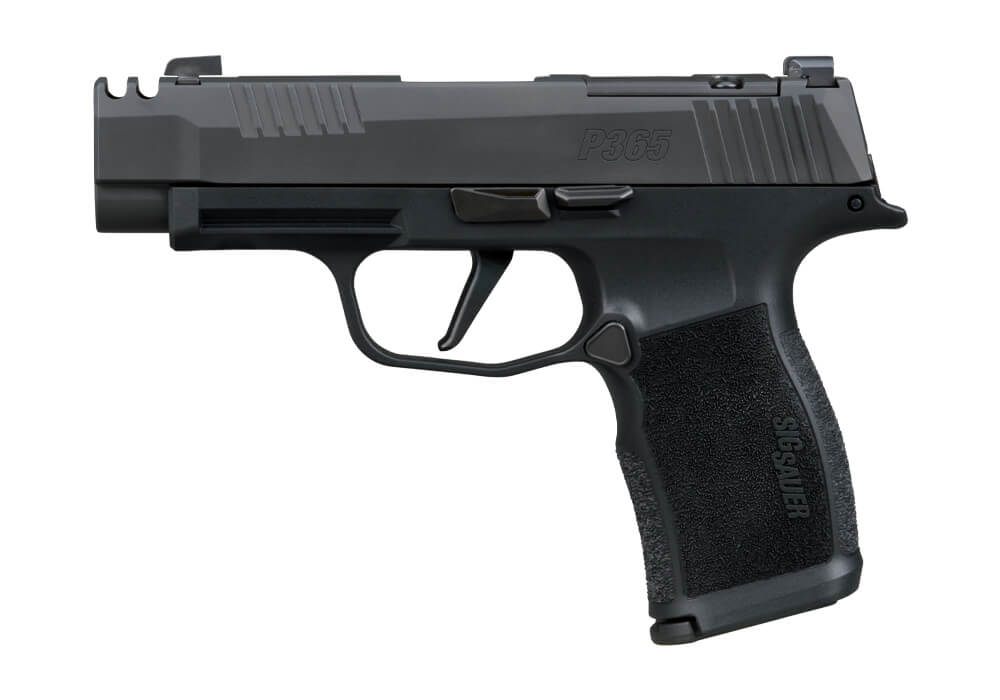
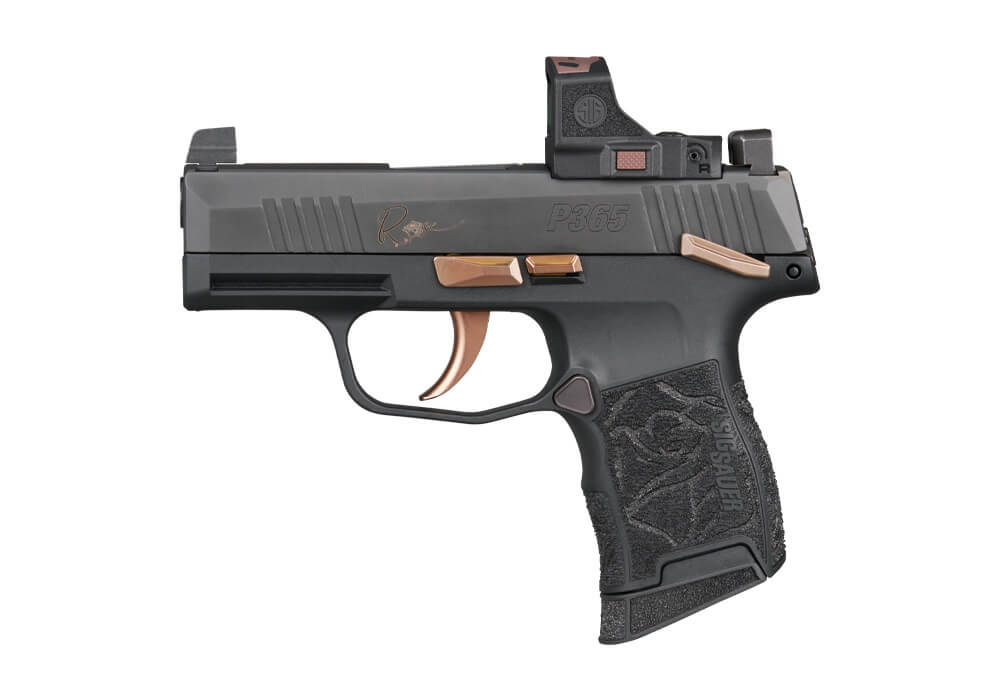
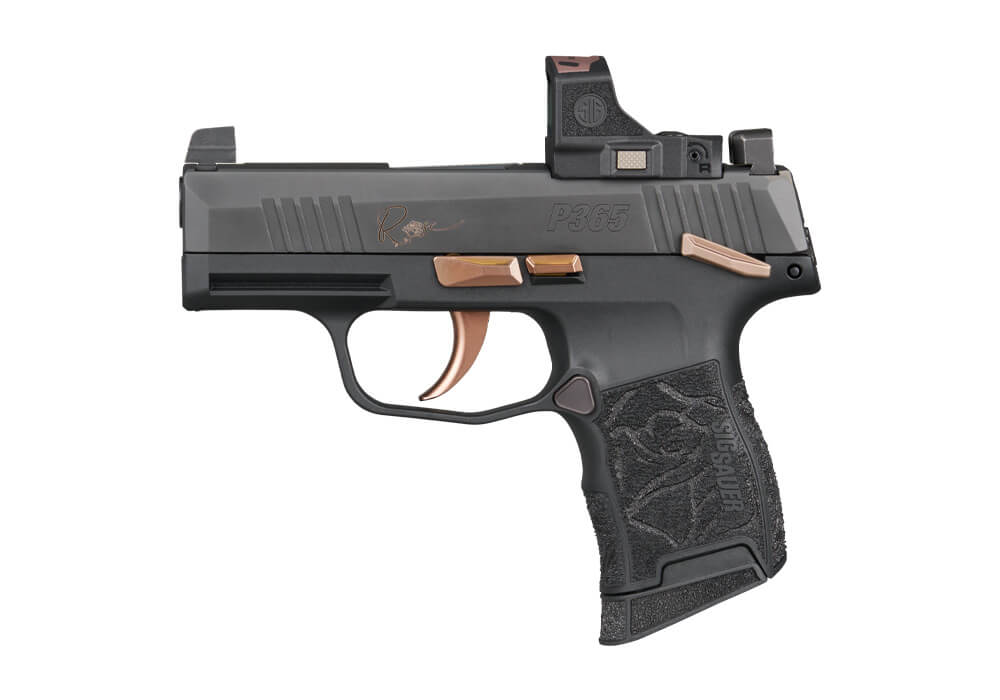
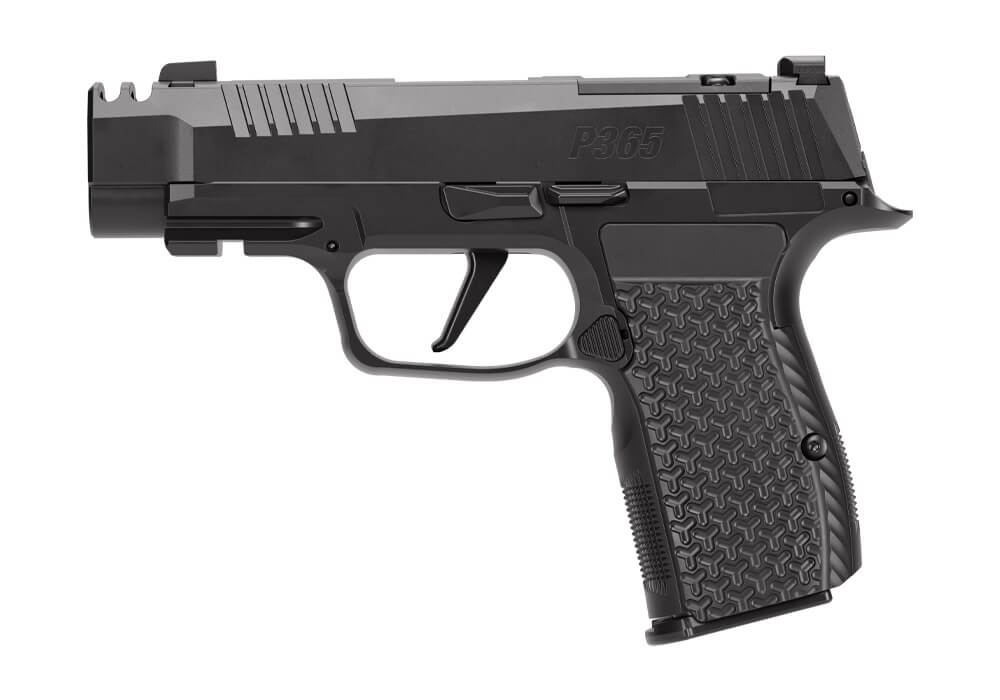
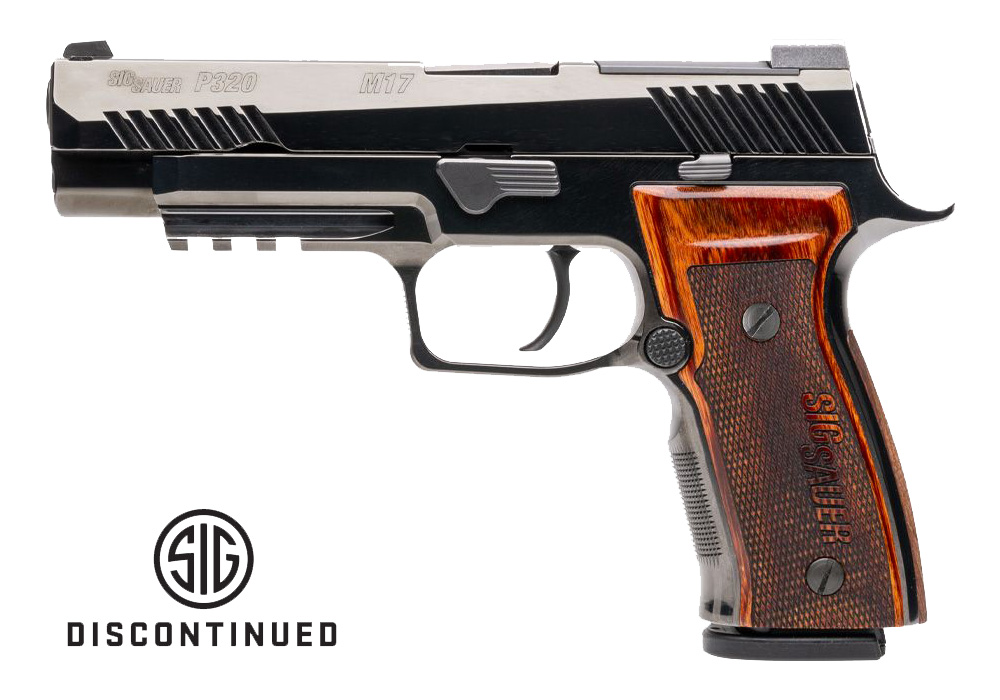
.380 pistols with ergonomic grips bring hand fit, comfortable contact surfaces, and accessible controls into a category often associated with compact dimensions. An ergonomic grip helps the hand settle naturally around the frame, with contours and texture that support a secure hold without creating uncomfortable pressure points. Features such as a rounded backstrap, a supportive grip tang, thoughtfully shaped sides, and sufficient room for the fingers can contribute to that feel, although their value depends on the individual shooter’s hands. A grip that feels comfortable to someone with a narrow palm may feel cramped to someone with broader hands, even when both prefer the same overall pistol size. Trigger reach matters as well: an appealing grip shape is less useful if the controls require an awkward stretch or a substantial change in hand position. The .380 ACP cartridge is common in compact semiautomatic pistols, but chambering alone does not determine shooting comfort. Overall weight, operating system, grip dimensions, and ammunition all influence how a pistol feels during range practice. A very lightweight handgun can feel sharper in recoil than a heavier handgun chambered for the same cartridge, so smaller does not automatically mean gentler. Ergonomic grips can help distribute pressure and provide a steadier purchase, but they do not eliminate recoil or replace sound instruction. For shoppers comparing .380 pistols with ergonomic grips, the useful distinction is between a handgun that simply fits inside the hand and one that supports the hand comfortably. Notice whether the lower fingers have adequate support, whether the backstrap presses evenly against the palm, and whether the grip’s edges create distracting hot spots. Any hands-on assessment should involve an unloaded firearm, a safe muzzle direction, and a finger outside the trigger guard, following the manufacturer’s safety instructions. A comfortable first impression is valuable, but an extended range session, where permitted through an appropriate rental or demonstration program, can reveal more about fit than a brief handling assessment.
Grip materials and surface treatments influence comfort, weight, and long-term wear in different ways. Polymer grip frames can help keep overall weight manageable and allow contours to be integrated directly into the frame. Metal frames and separate grip panels offer other combinations of balance, surface feel, and construction, with options varying by design. The important comparison is the complete firearm rather than a single material: dimensions, component weight, and grip shape work together. Texture deserves particular attention because a secure surface does not have to feel abrasive. Fine stippling, molded patterns, and more pronounced texture each provide a different sensation against the palm. A texture that feels reassuring during a few minutes of handling may become irritating during a longer practice session, especially where it contacts the base of the thumb or the fingertips. Smooth contours around the backstrap and frontstrap can help avoid concentrated pressure, while a grip that is too wide may make otherwise accessible controls difficult to reach. Some designs permit changes to grip panels or other fit-related components; others retain fixed dimensions. Those differences should be confirmed in the manufacturer’s specifications rather than assumed from appearance. Grip extensions can provide additional finger support on compatible designs, but they also change overall dimensions and should be evaluated as part of the complete setup. For shooters with reduced hand strength or joint sensitivity, grip comfort is only one part of usability. Slide operation, control placement, and trigger characteristics deserve separate consideration, since an ergonomic grip does not necessarily mean that every mechanical function requires less effort. The related selection of 380 Pistols With Easy Trigger Pull provides another way to consider handling preferences alongside grip fit. A shorter trigger reach and a lighter trigger pull are different characteristics, and neither should be inferred solely from the pistol’s size. Comfortable handling comes from a combination of suitable dimensions, manageable operation, and familiarity developed through responsible practice.
The intended use of a .380 pistol helps put these comfort details in perspective. For recreational range shooting, a hand-filling grip and agreeable texture may matter more than minimizing every dimension. For lawful personal protection, shoppers may weigh compact proportions alongside the ability to handle the firearm confidently and maintain a consistent practice routine. Smaller hands do not automatically call for the smallest pistol, and larger hands do not necessarily require a bulky frame; the relationship between palm support, finger space, and control reach is more useful than a size label. New handgun owners may benefit from supervised instruction that introduces safe handling and helps them recognize fit concerns before developing uncomfortable habits. Experienced shooters may be looking for a different balance of weight and comfort, or a grip that remains pleasant through longer range visits. Durability and care are part of that ownership experience. Grip surfaces can collect skin oils, lint, and residue, while harsh solvents or unsuitable cleaning tools may damage certain materials or finishes. Cleaning should follow the manufacturer’s instructions, using products appropriate for the frame, panels, and protective coatings. Routine inspection can identify loosened grip hardware, cracks, worn texture, or changes in how components fit together. Any damaged or questionable part warrants evaluation by the manufacturer or a qualified professional rather than an improvised repair. Protective finishes can help resist wear and corrosion, but they do not remove the need for proper cleaning, maintenance, and secure storage. A compatible holster or storage accessory should suit the firearm’s exact configuration and protect the trigger area without interfering with its controls. If a firearm is being considered as a gift for a legally eligible recipient, personal fit and applicable transfer requirements deserve attention before the choice is finalized. Across these uses, the lasting value of ergonomic grips is practical: comfortable contact, suitable reach, and a shape that encourages responsible, regular practice rather than a firearm that feels appealing only during a quick comparison.