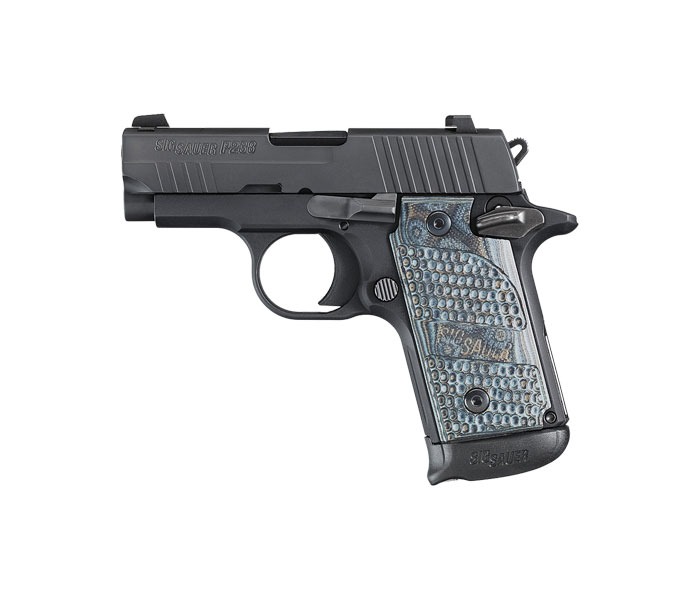
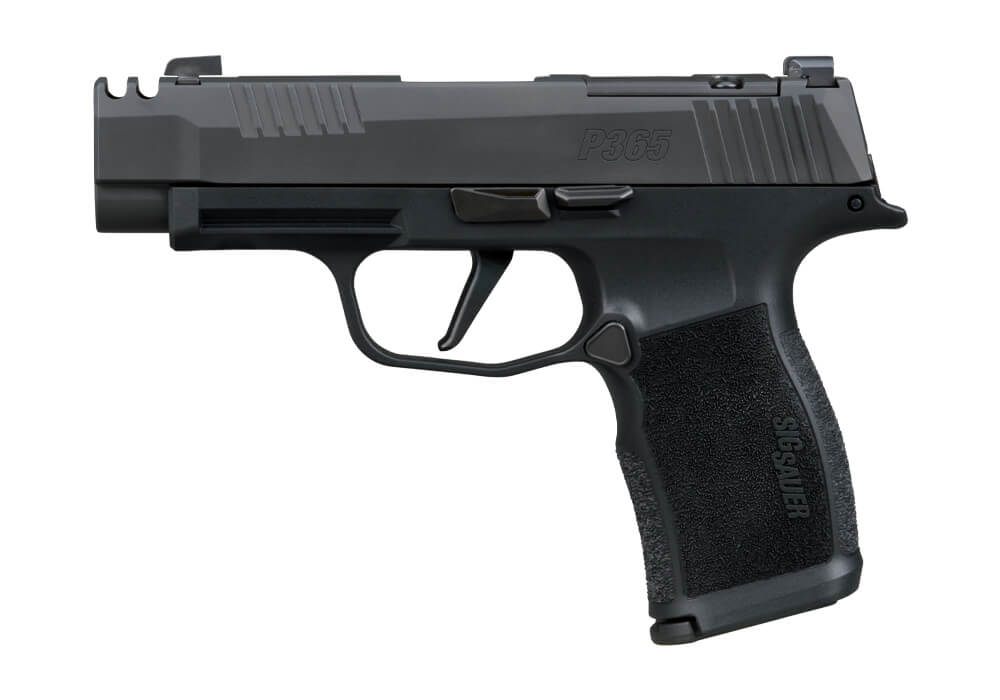
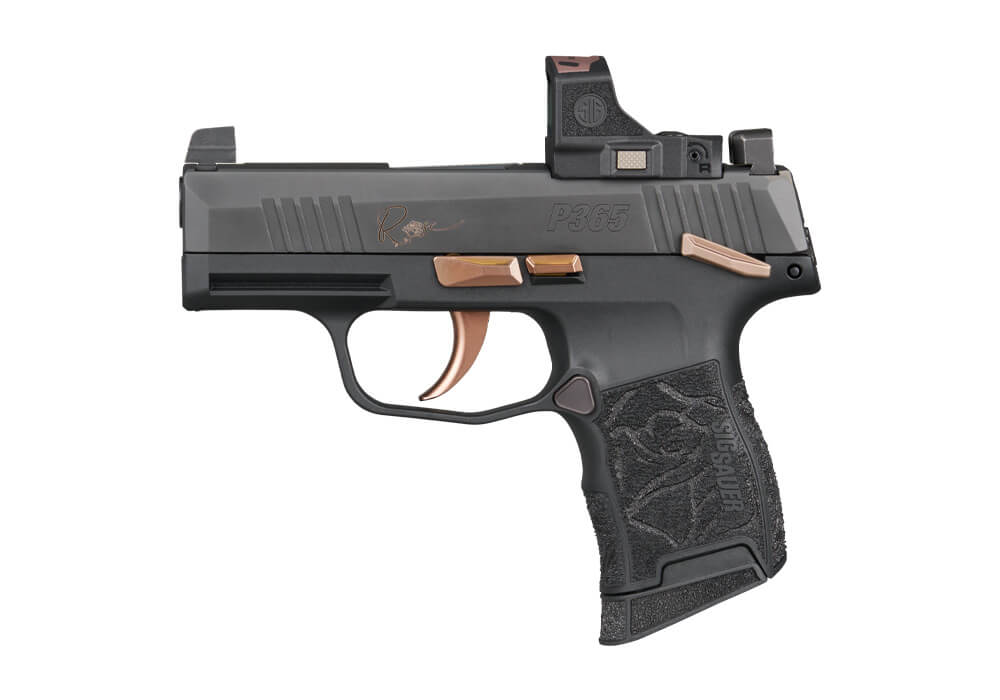
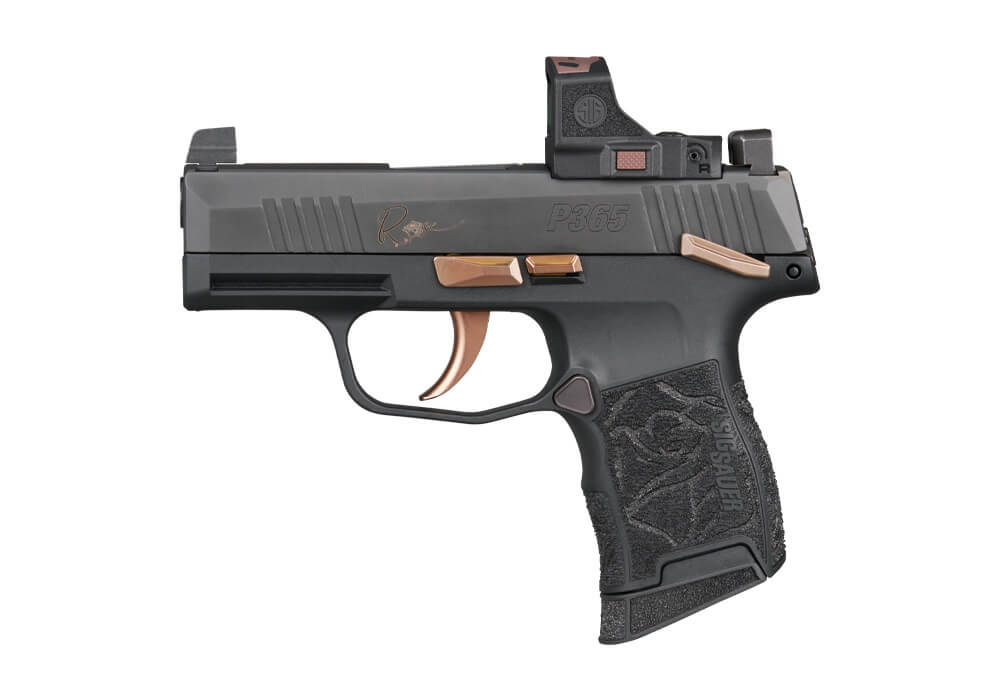
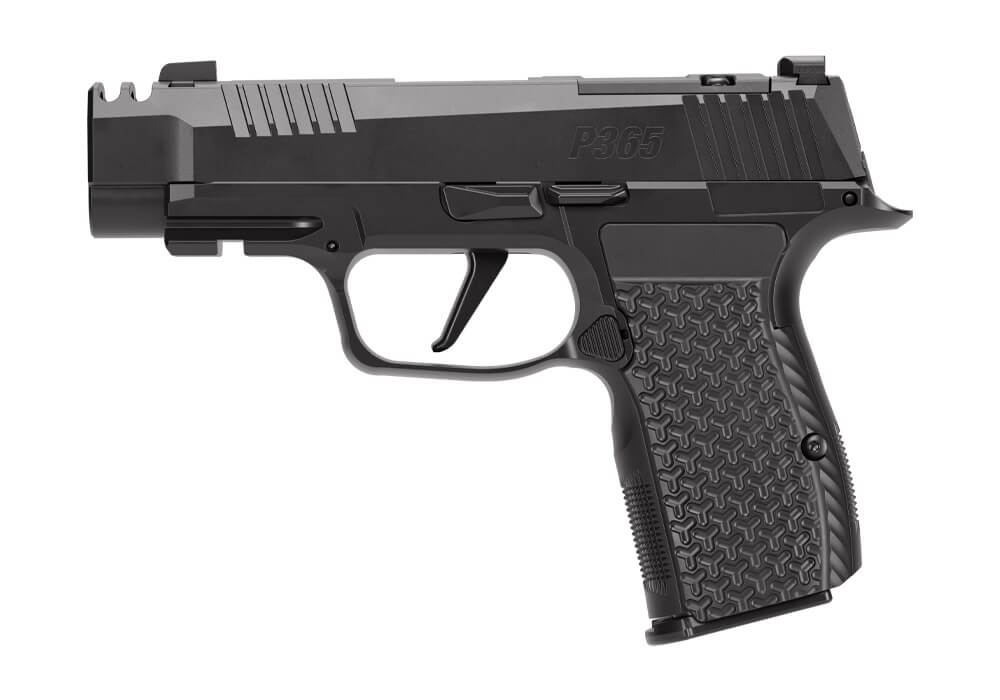
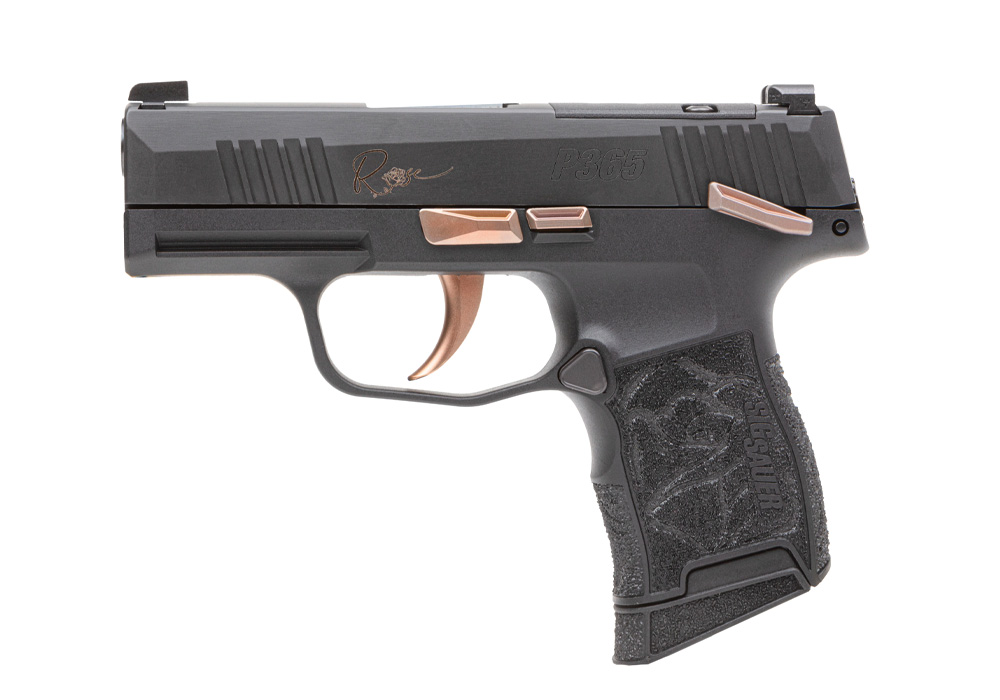
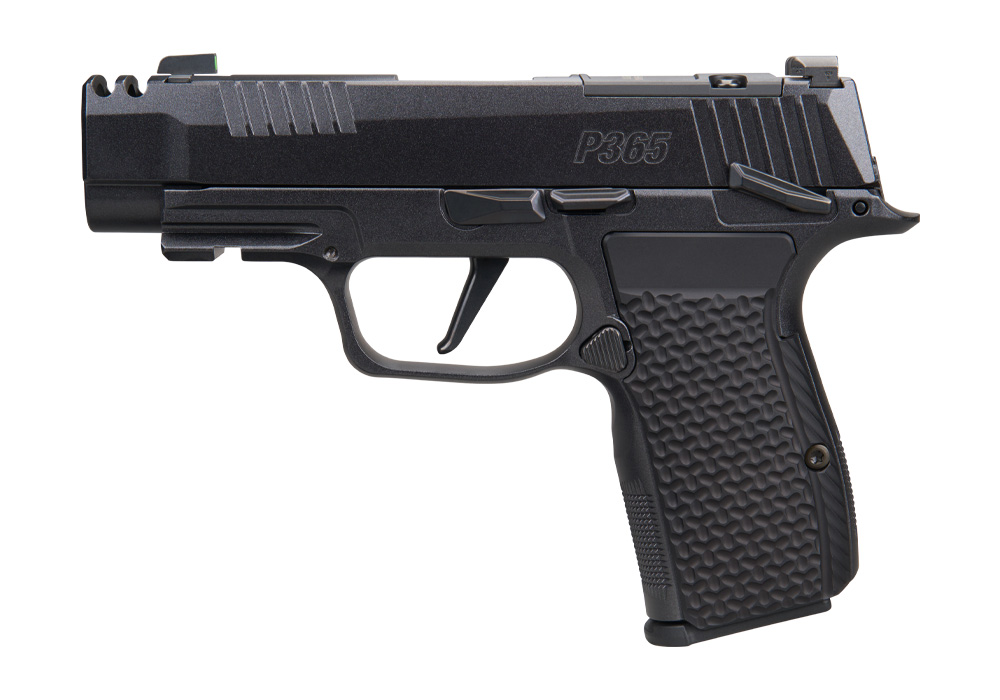
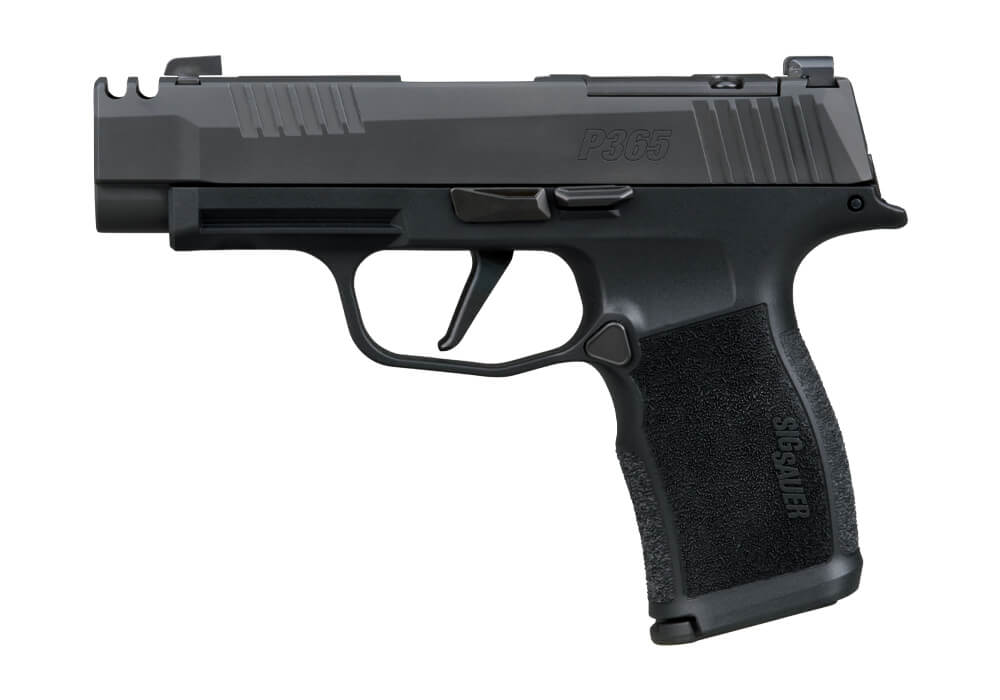
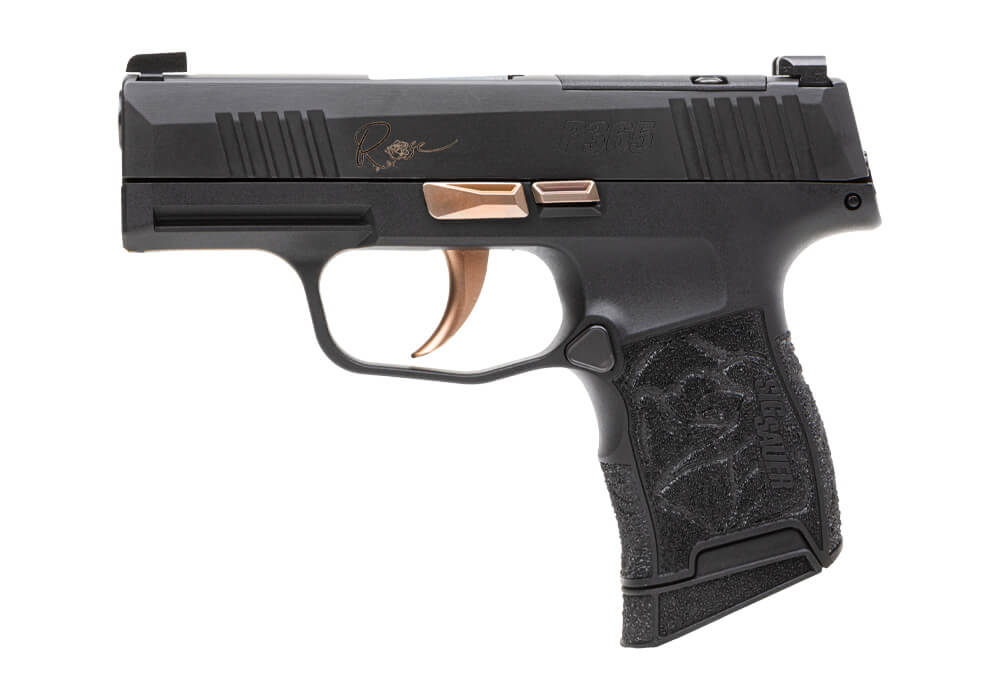
.380 ACP pistols with an easy trigger pull appeal to shooters who value a smooth, predictable press from the first moment they place a finger on the trigger. A lighter, consistent pull can help reduce unnecessary movement at the moment of firing, while a clean break and short reset may support more controlled follow-up shots at the range. Trigger weight varies by design, and published figures commonly fall near the five- to six-pound range for many easy-pull models, although traditional double-action systems may begin with a heavier press before transitioning to a lighter single-action pull. Those numbers are useful for comparison, but they do not tell the whole story. The shape of the trigger, the length of the pull, the reset, grip angle, sight alignment, and the shooter’s hand strength all influence how a pistol feels in practice. A trigger that seems ideal on paper may feel different once the pistol is held in a natural shooting stance, so an in-person evaluation with a qualified professional is valuable whenever possible. Review the owner’s manual for the exact operating system, safety features, loading procedure, and maintenance requirements before choosing a .380 ACP pistol for personal use.
This category may be especially appealing to newer shooters, people with reduced hand strength, and anyone who finds a heavy or uneven trigger tiring during practice. A manageable trigger can make it easier to concentrate on a steady grip, proper sight picture, and smooth finger movement rather than fighting the controls. It is important to consider the entire pistol, not just the trigger. A compact frame may be convenient for concealed carry, but its shorter grip can provide less room for the hand and its lighter weight can make recoil feel sharper. A slightly larger compact pistol may offer a more secure grip, longer sights, and a steadier feel, while a slim pocket-oriented design may be easier to carry but more demanding to control. Slide operation also deserves close attention. Shooters with arthritis or limited upper-body strength may prefer a design with an easier-to-rack slide, larger gripping surfaces, or an assistive feature that simplifies operation without compromising secure handling. Magazine loading can matter just as much; look for magazines with manageable spring tension, useful witness holes, and a base that is easy to grasp. Standard or extended magazines may suit different hand sizes and carry preferences, but every magazine should lock securely, feed reliably, and be tested with the ammunition selected for the pistol.
Intended use should guide the final choice. For range practice, a comfortable grip, visible sights, and a trigger with a distinct reset can encourage regular sessions and help build consistent habits. For lawful concealed carry, compare unloaded weight, width, controls, holster support, and how the pistol sits beneath ordinary clothing during movement. A secure holster that fully covers the trigger guard is essential, and the pistol should be carried only in a manner permitted by applicable law. For home protection, prioritize a setup that every authorized user can operate safely, including clear access to the controls, dependable illumination options, and a secure storage plan that keeps the firearm inaccessible to children and unauthorized visitors. A .380 ACP pistol can also be a thoughtful gift for a qualified adult who has expressed a genuine interest in responsible ownership, but firearms should not be given casually or without confirming local transfer requirements, eligibility, training needs, and the recipient’s preferences. The buyer and recipient should understand that a lighter trigger does not replace practice; safe muzzle direction, trigger-finger discipline, target identification, and secure storage remain fundamental. Before settling on a model, compare the trigger system, grip texture, sight arrangement, manual safety configuration, magazine size, recoil feel, and availability of practice ammunition and holsters. Shooters seeking a broader comparison of trigger-focused options can also review Handguns With Enhanced Trigger Pull. During the cooler months, when range time may shift indoors or become less frequent, a simple dry-practice routine with an unloaded firearm, a safe backstop, and strict adherence to the owner’s instructions can help preserve familiarity. A careful selection process and regular supervised practice will do more for confidence and control than trigger weight alone.