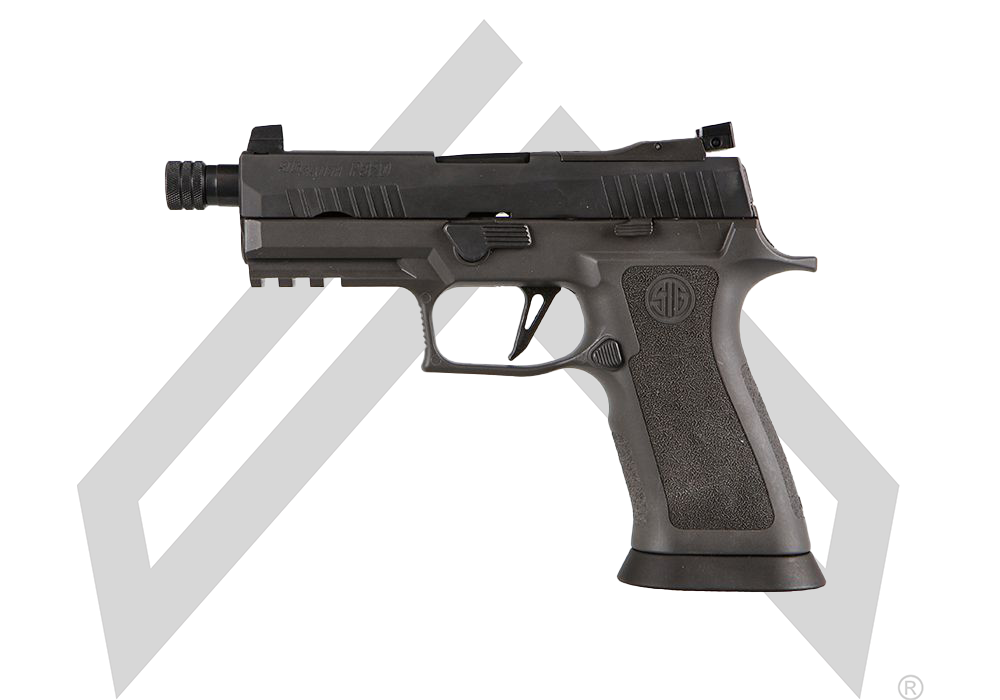
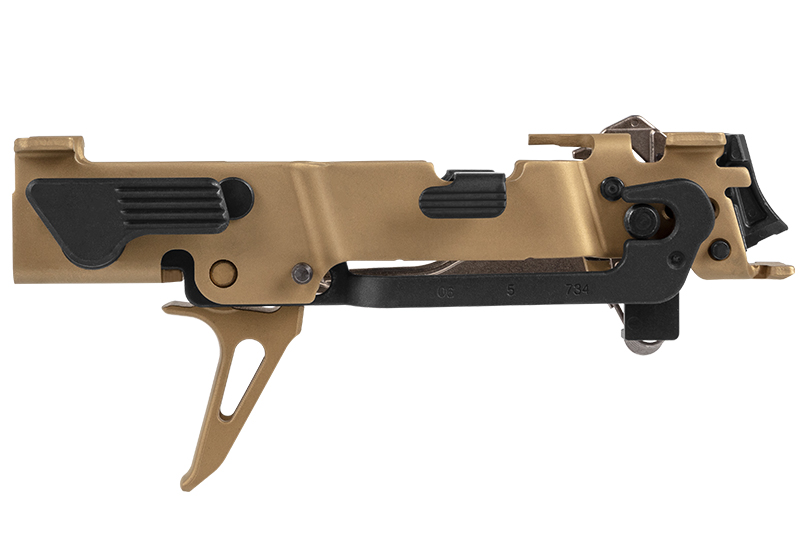
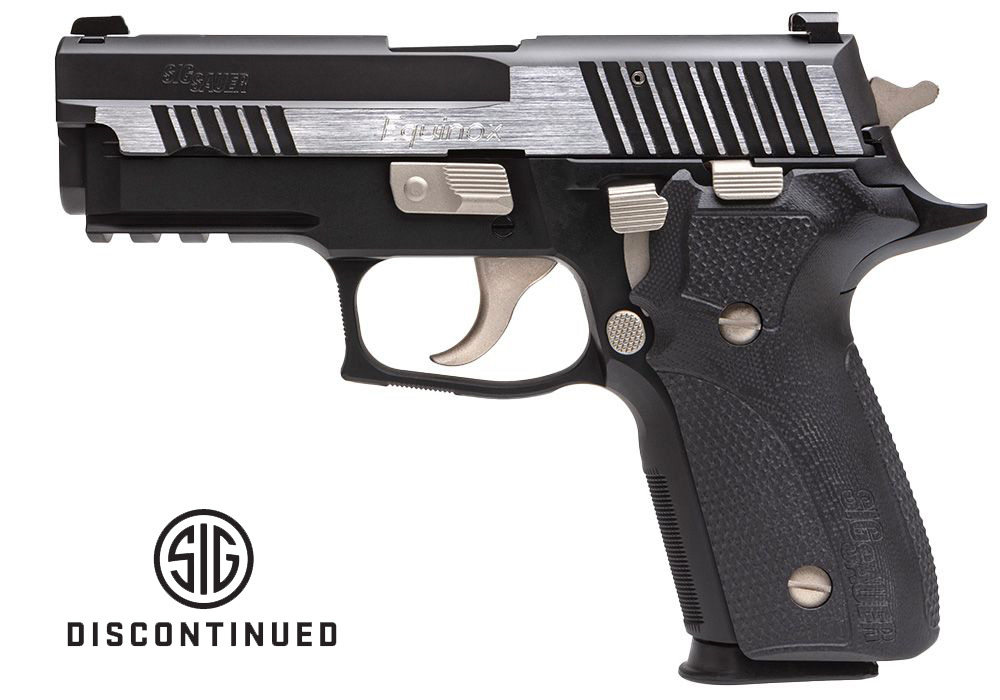
Handguns with enhanced trigger pulls are selected for the quality, consistency, and feedback of the trigger press rather than for a single specification alone. A refined trigger can present a distinct tactile wall, a clean and predictable break, and a short, easily felt reset that helps the shooter prepare for the next shot without removing the finger from the frame. These features may support more deliberate shooting, especially when practicing from a supported or controlled position at the range. Trigger pull weight is an important part of the experience, but it should be evaluated alongside travel, smoothness, reset, reach, and the overall fit of the handgun. A trigger that feels crisp to one shooter may feel too light or too short to another, while a pull that seems manageable in a store can feel different after several magazines or when the shooter is wearing gloves during cooler weather. For many defensive-oriented handguns, a pull in the approximate 4.0- to 6.0-pound range offers a balance between intentional control and practical operation under stress. Competition-focused handguns may use a lighter pull, often around 2.5 to 4.0 pounds, when the design and intended rules support rapid, precise shooting. These ranges are general reference points, not substitutes for handling the firearm safely and confirming the manufacturer’s specifications. Striker-fired and hammer-fired actions also produce different sensations. A striker-fired trigger may offer a defined wall followed by a direct break and tactile reset, while a hammer-fired design may provide a distinct double-action first pull followed by lighter single-action pulls. Neither system is automatically better; the right choice depends on hand size, training background, carry method, and the type of shooting planned. When comparing options, pay attention to whether the trigger shoe sits comfortably beneath the finger pad, whether the reach allows the trigger to be pressed straight to the rear, and whether the reset can be identified without shifting the grip. A well-fitting grip, clear sights, manageable recoil, and controls that can be reached without breaking the firing grip are just as important as trigger characteristics. Shooters who spend the cooler months practicing indoors or visiting an outdoor range may appreciate a trigger that provides consistent feedback from one session to the next, making it easier to recognize an imperfect press and refine technique.
This selection may appeal to experienced range shooters, competitors seeking a more responsive trigger system, and responsible owners choosing a handgun for personal protection or home defense. It can also be a thoughtful gift for a qualified adult who has already identified the type of firearm that fits their needs, although firearms should never be given casually or without confirming applicable laws, transfer requirements, licensing rules, and the recipient’s ability to receive and possess one. A gift purchaser should avoid making assumptions about hand size, physical comfort, preferred action, or intended use; a training session, secure storage solution, eye and ear protection, or a contribution toward a properly selected handgun may be more suitable when preferences are unknown. For a defensive handgun, a crisp break should not be treated as permission to rush. Safe handling begins with keeping the muzzle pointed in a safe direction, keeping the trigger finger indexed along the frame until the sights are on an appropriate target and the decision to fire has been made, treating every firearm as loaded, and knowing the target and what lies beyond it. A handgun with a shorter reset can make follow-up shots feel efficient, but it does not replace a stable grip, controlled breathing, sight alignment, or regular practice. Before relying on any firearm, new owners should read the manual, learn the operation of the safety systems, confirm how the action behaves, and seek instruction from a qualified professional. Dry practice may help build familiarity when conducted with an unloaded firearm in a controlled area, with ammunition stored separately and all safety procedures followed. Live-fire practice should begin at a comfortable distance with suitable ammunition and gradually introduce movement, reduced lighting, or other realistic conditions only after fundamental skills are established. Buyers may also want to compare standard and extended capacity options where lawful, consider the availability of magazines and replacement parts, and select a holster that fully covers the trigger guard for any carry application. Those exploring a related category can review Handguns With Increased Tactile Response to compare options centered on noticeable control feedback. During the changing seasons, a consistent practice routine, secure storage, and periodic inspection of the handgun, magazines, and carry equipment help preserve confidence and reliability. The best choice is the one that the owner can operate safely, control comfortably, maintain responsibly, and use within the limits of training, law, and purpose.