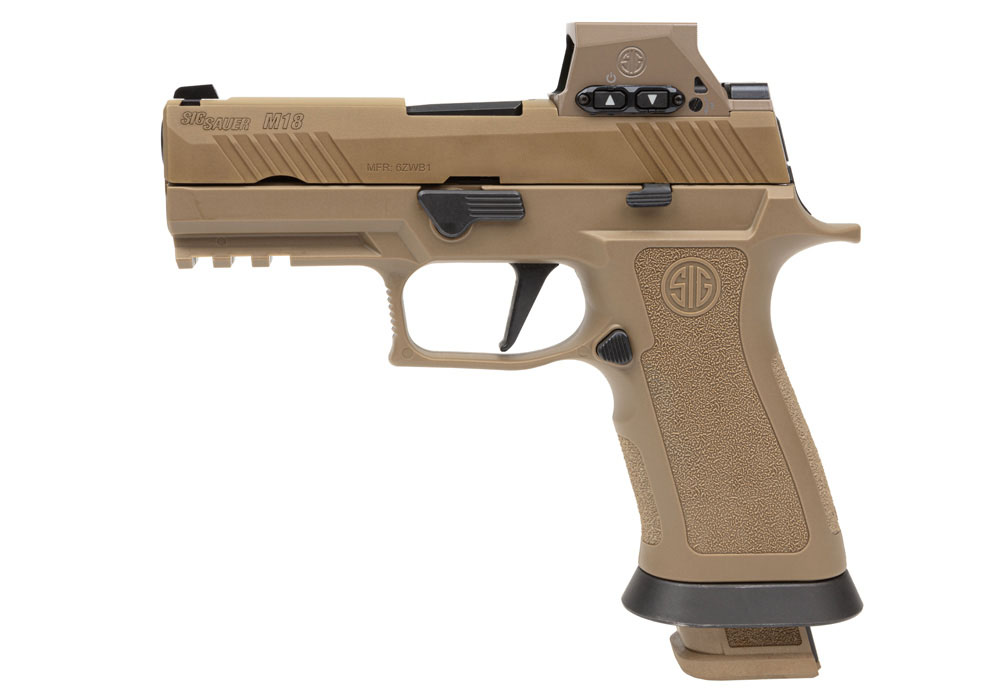
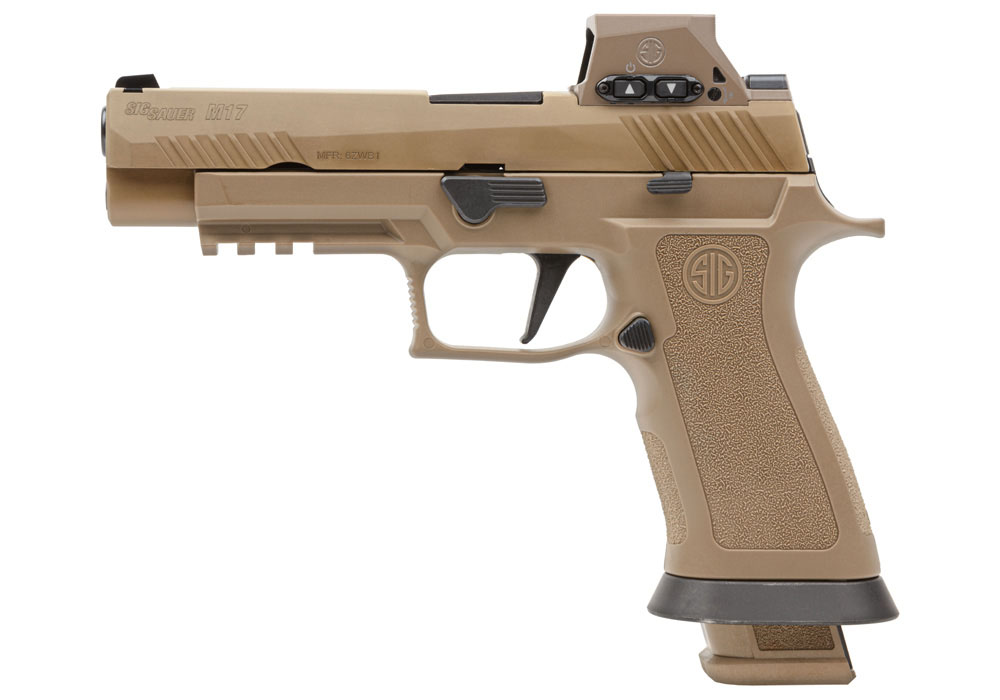
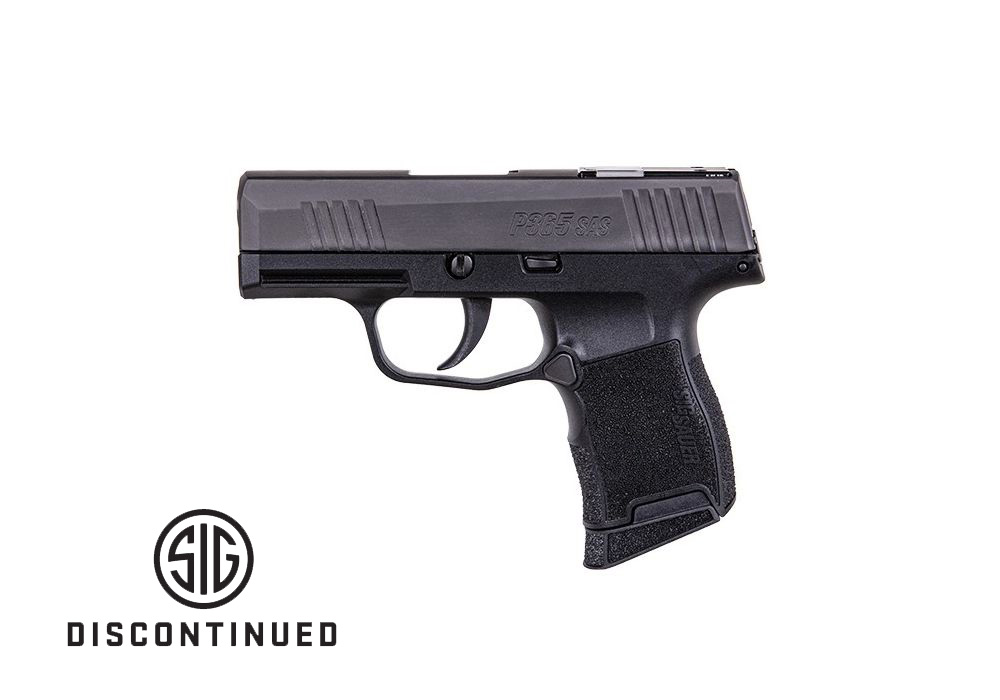
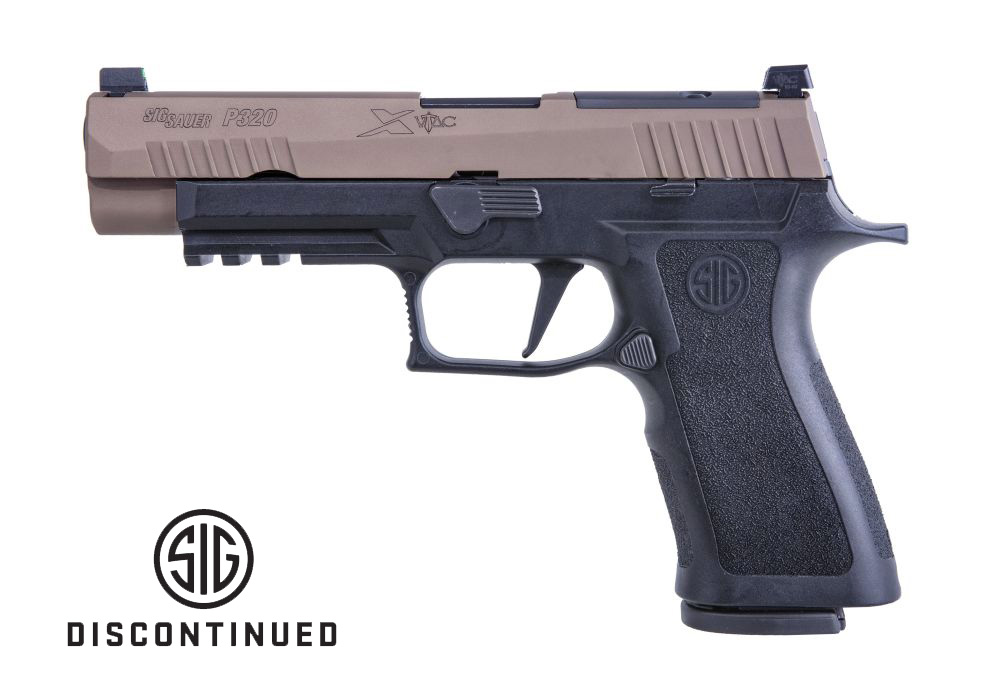
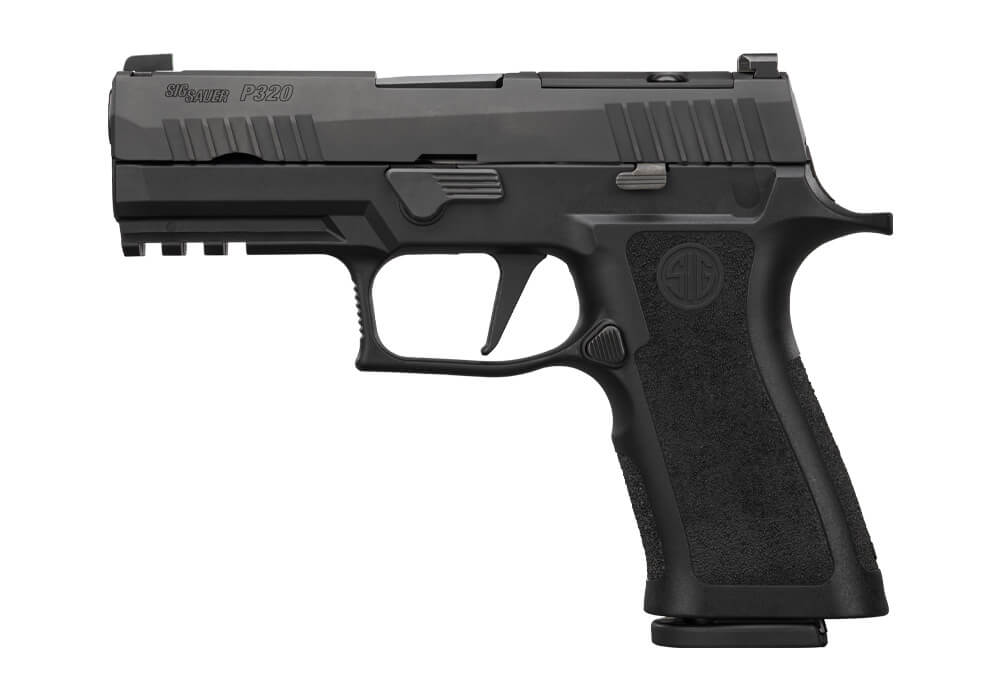
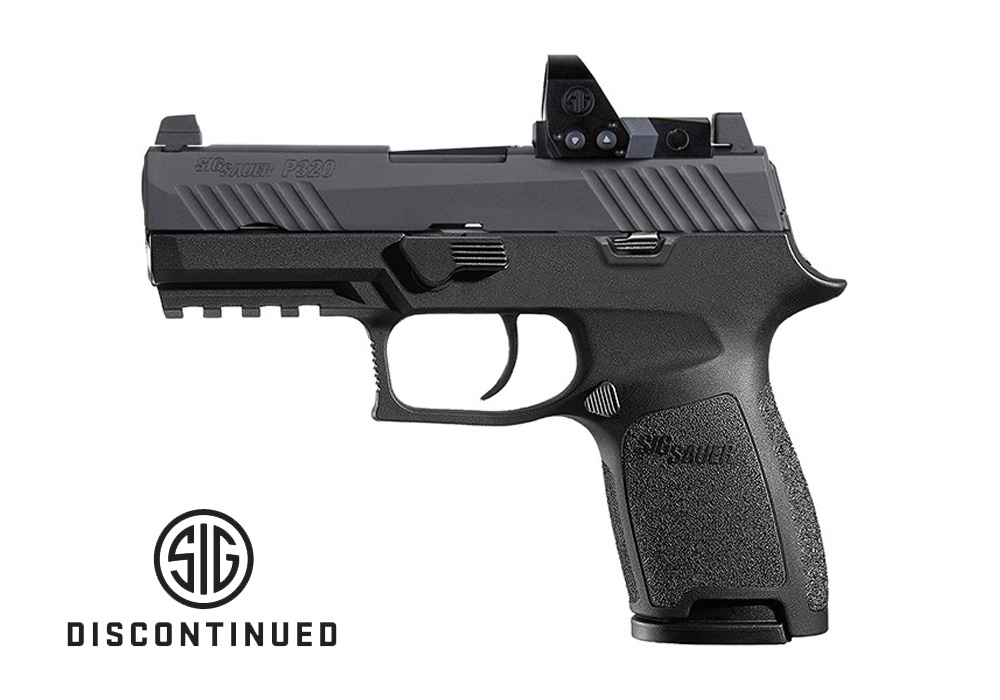
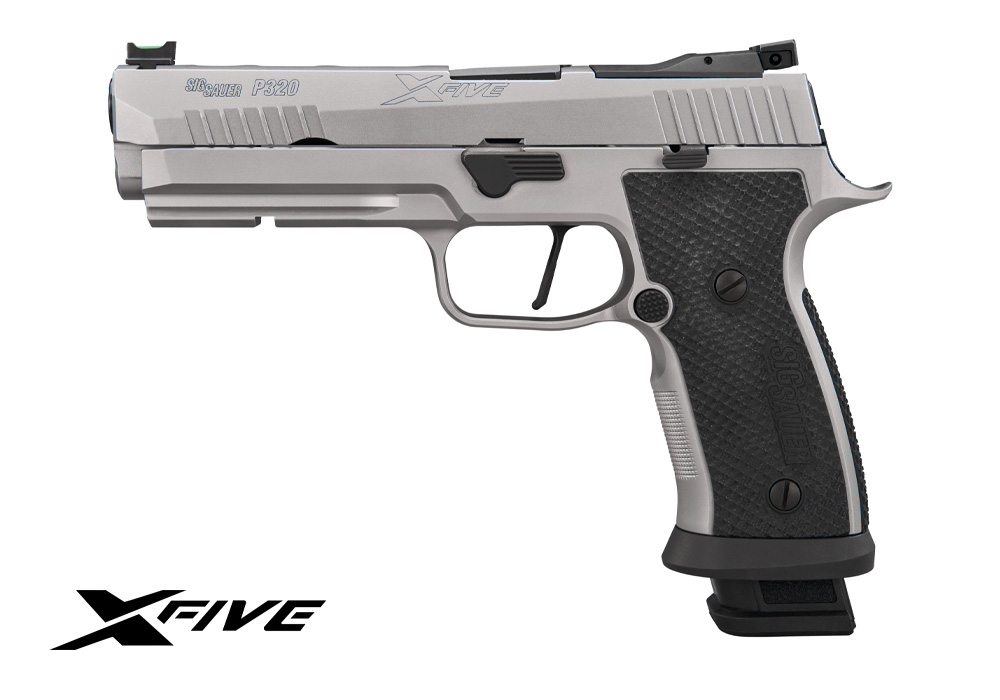
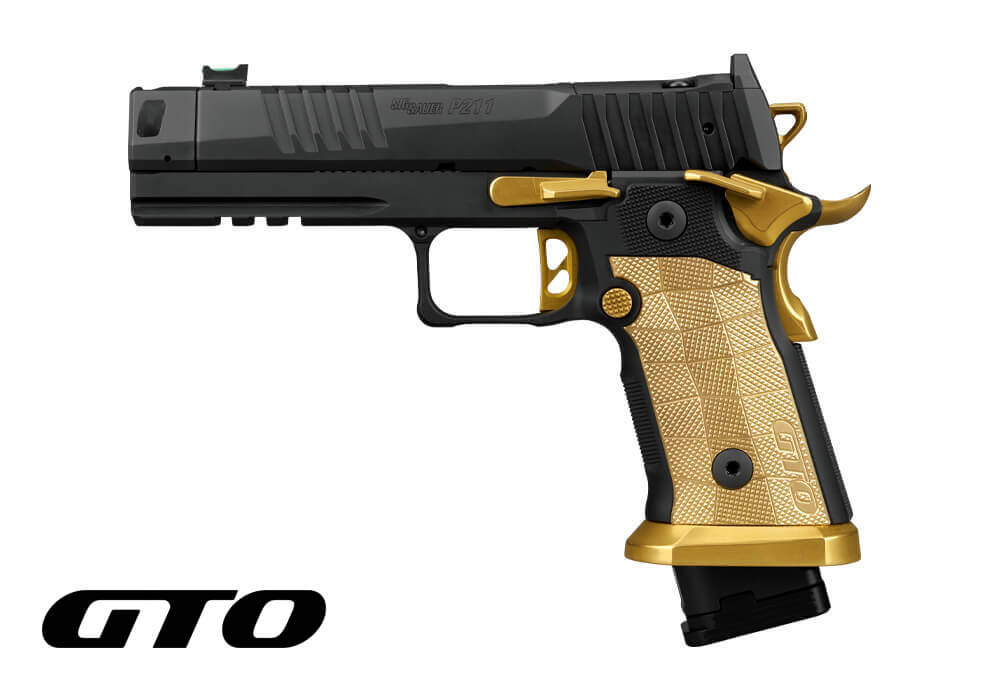
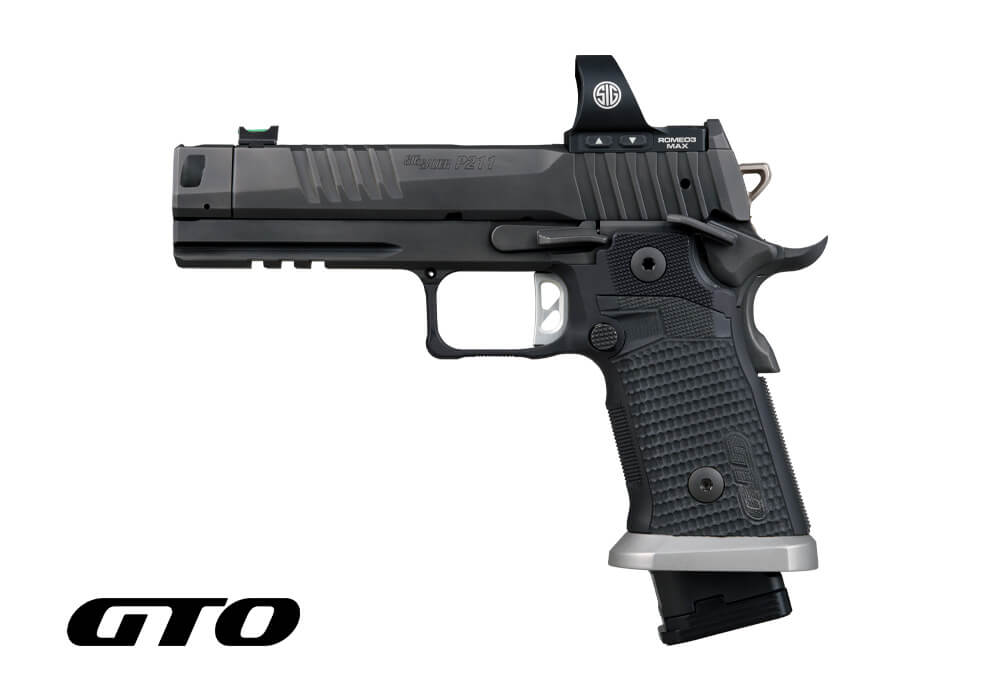
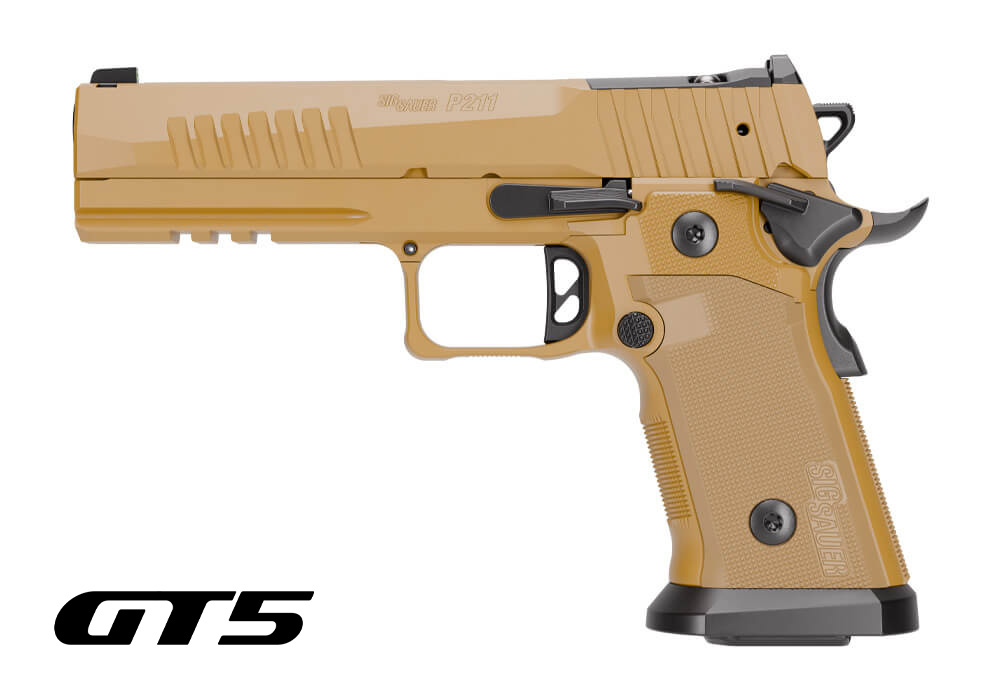
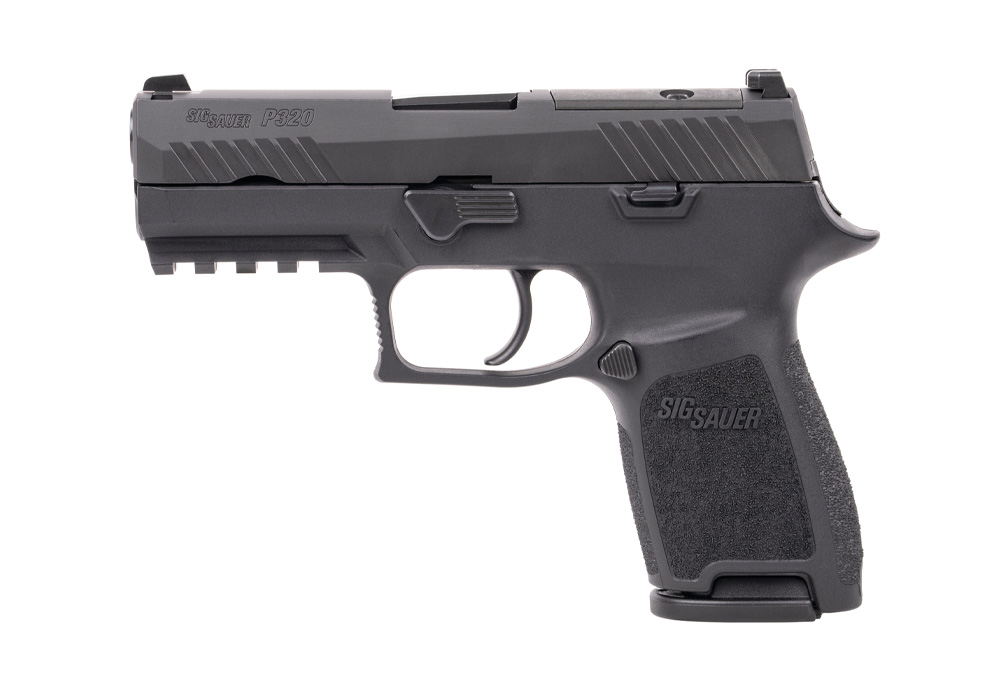
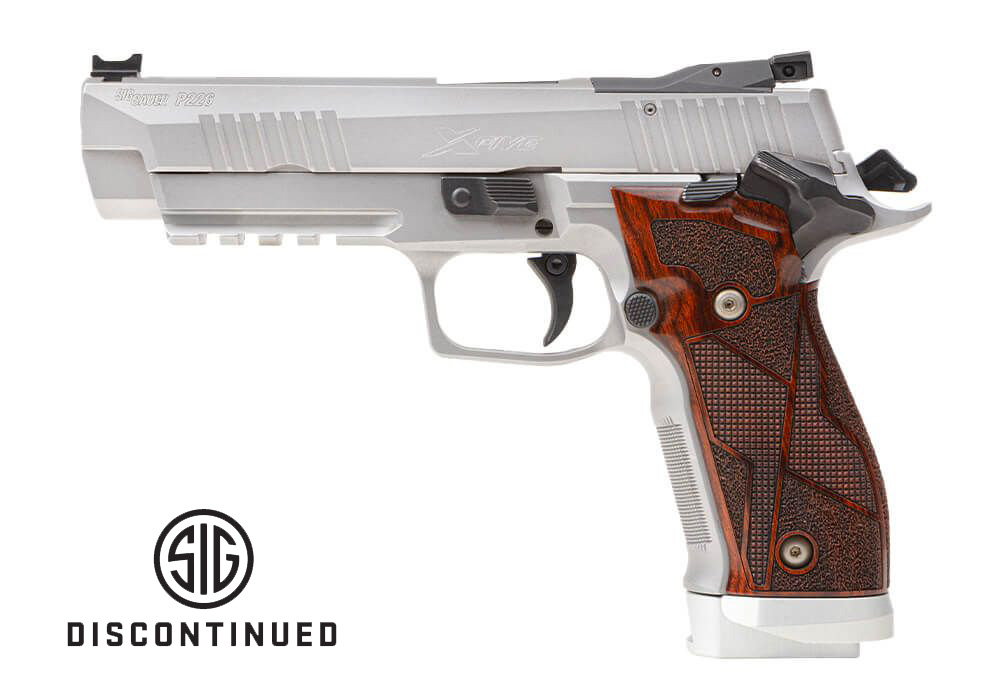
Handguns with increased tactile response use textured grips, shaped contact surfaces, and distinct frame contours to give the hands clearer feedback about their position on the firearm. Stippling, molded patterns, checkering, and textured grip panels can provide a more secure purchase than a comparatively smooth surface, helping the handgun feel settled rather than slippery or vague. The character of that feedback varies considerably. Fine, closely spaced texture can feel evenly grippy across the palm, while larger, more pronounced patterns create distinct points of contact. Texture on the frontstrap and backstrap contributes to the overall feel, particularly where the fingers and palm meet the grip. These features do not eliminate recoil or replace proper instruction, but they can support consistent contact and a more predictable handling experience. Increased tactile response is therefore about more than an aggressive-looking surface: it reflects how texture, shape, and fit work together. A broad grip with shallow texturing may feel more secure to one person than a narrow grip with sharper checkering, simply because it matches the hand more naturally. For another person, a slimmer profile may provide more comfortable access to the controls without requiring an awkward shift in hand position. Grip circumference, backstrap curvature, and the transition between the grip and frame all influence that impression. An unloaded fit check can reveal whether a textured edge presses into a knuckle, whether a panel feels overly broad, or whether contact feels evenly distributed. The most useful distinction is between texture that provides clear feedback and texture that creates distracting pressure. A surface can feel assertive without feeling abrasive, and a handgun can offer substantial tactile definition without relying on deep or sharp patterns. That balance matters for owners who want a confident feel during supervised practice, recreational target shooting, or other lawful uses, especially when comfort over an extended session matters as much as the initial impression.
Materials and construction affect how that tactile character develops and holds up over time. Polymer frames can incorporate texture directly into the grip surface, creating continuous patterns without separate panels. Metal frames may use machined checkering, grooves, or attached grip panels, with each approach producing a different combination of firmness, contour, and surface feel. Depending on the design, grip panels may use polymer, rubber, wood, or layered composite materials. A slightly compliant surface can soften the sensation of contact, while a rigid panel tends to communicate its texture more distinctly. Neither approach is inherently better; the useful comparison is how the material behaves in the hand and how well it suits the intended role. Panel edges, seams, and transitions deserve attention because a comfortable central surface can still be undermined by a raised corner or an abrupt change in contour. Durability also involves more than resistance to visible wear. Well-supported panels, secure attachment points, and finishes suited to regular handling help preserve a consistent feel through repeated use. Raised texture may gradually become smoother at frequent contact points, while recessed patterns can collect lint, skin oils, and residue. Routine care according to the firearm manufacturer’s instructions helps keep those surfaces clean without exposing them to unsuitable solvents, harsh abrasives, or unapproved treatments. A grip that looks clean can still feel different if residue has settled into its pattern, so surface condition is part of the overall ownership experience. Care requirements can also differ between a coated metal frame, a molded polymer surface, and a separate grip panel. Manufacturer-approved cleaning products and maintenance practices help protect both the finish and the underlying material. Any cracking, movement, or unusual change in the grip deserves attention from a qualified professional rather than an improvised repair. For owners who value lasting tactile definition, construction quality and straightforward care are as important as how pronounced the texture feels on the first day.
Intended use brings these details into focus. A handgun selected primarily for recreational range sessions may favor a substantial grip and pronounced texture, while one intended for lawful concealed carry must also balance contact comfort, overall dimensions, and compatibility with an appropriate holster. A textured surface that feels reassuring in the hand can feel abrasive where it rests against skin or clothing, so the placement of the pattern matters as much as its intensity. Smooth borders around a textured gripping area can offer a different everyday feel from a pattern that extends across nearly every exposed surface. For structured training, a comfortable grip can help keep attention on the instructor’s guidance rather than on a persistent pressure point. For experienced owners comparing ergonomics, small differences in backstrap shape or grip-panel thickness may be more meaningful than a dramatic visual pattern. Hand size alone does not determine the best fit; finger length, palm shape, joint comfort, and personal preference all contribute. Where a design offers interchangeable grip components, those options may accommodate different preferences, provided compatibility and installation follow the manufacturer’s requirements. Frame shape is another part of the comparison, and Handguns With Tactical Frame Design offers a related perspective on the relationship between frame geometry, contact surfaces, and overall ergonomics. Tactile features should still be considered alongside the handgun’s complete dimensions, control layout, maintenance requirements, and suitability for its intended lawful purpose. A textured grip is not a safety device, and a reassuring feel does not establish that a firearm is unloaded or ready for handling. Responsible ownership includes appropriate instruction, careful adherence to the manufacturer’s safety guidance, and secure storage that prevents unauthorized access. Within those responsibilities, increased tactile response offers a practical point of distinction: a handgun that communicates its shape clearly through the hand, maintains comfortable contact, and suits the owner’s needs without unnecessary abrasion or complexity.