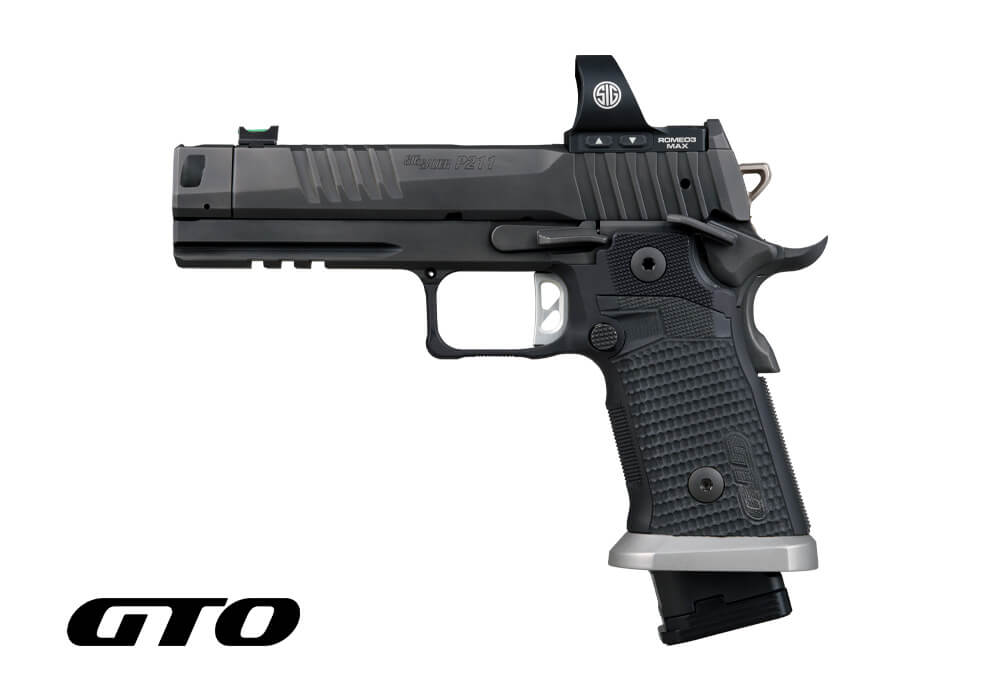
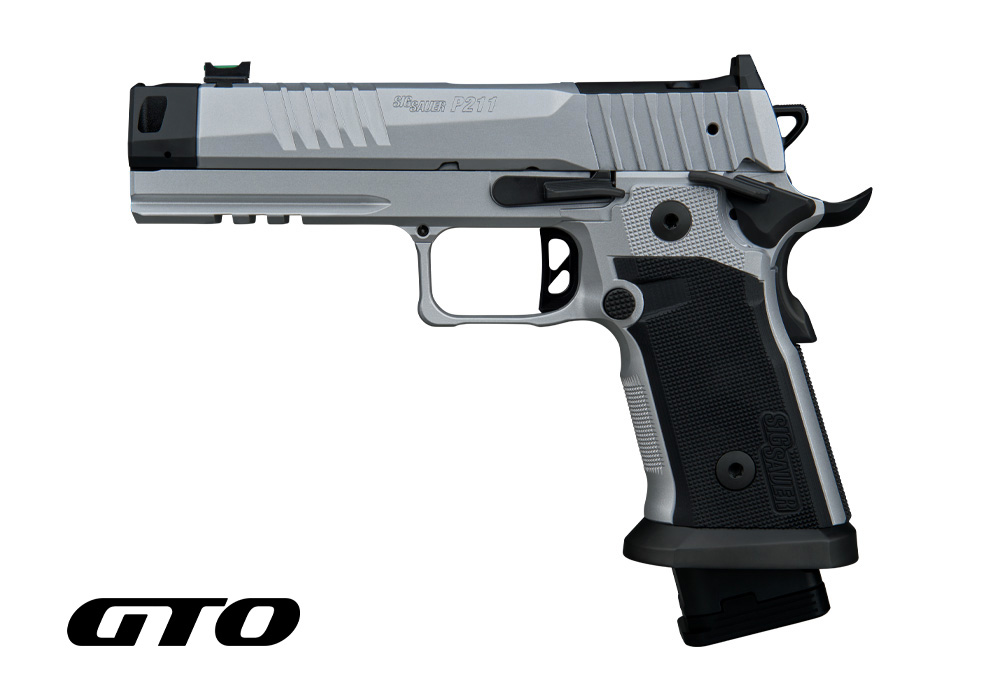
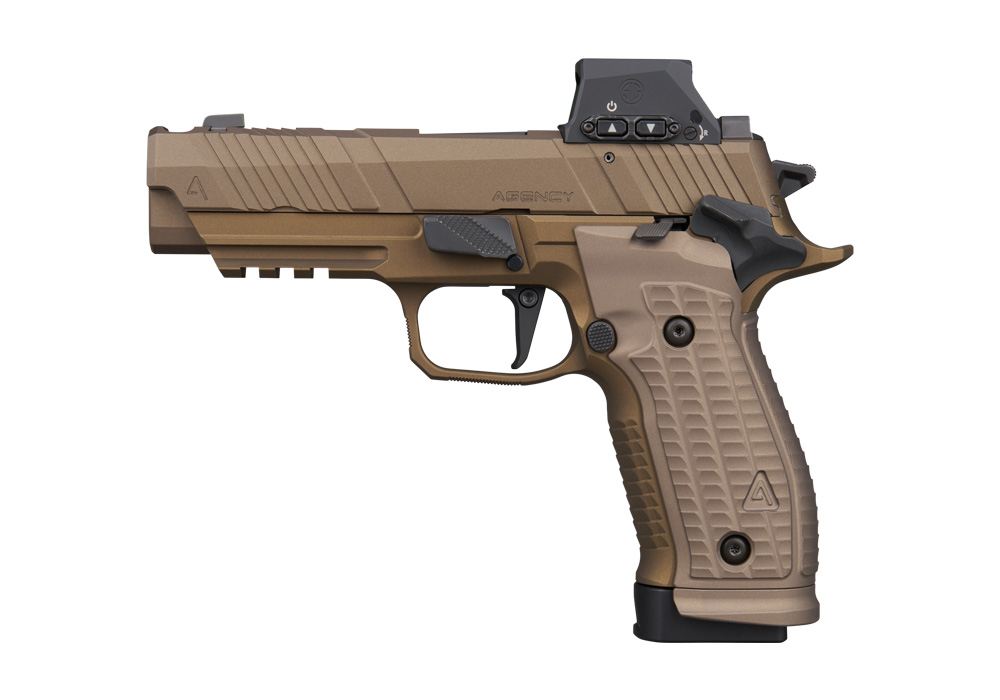
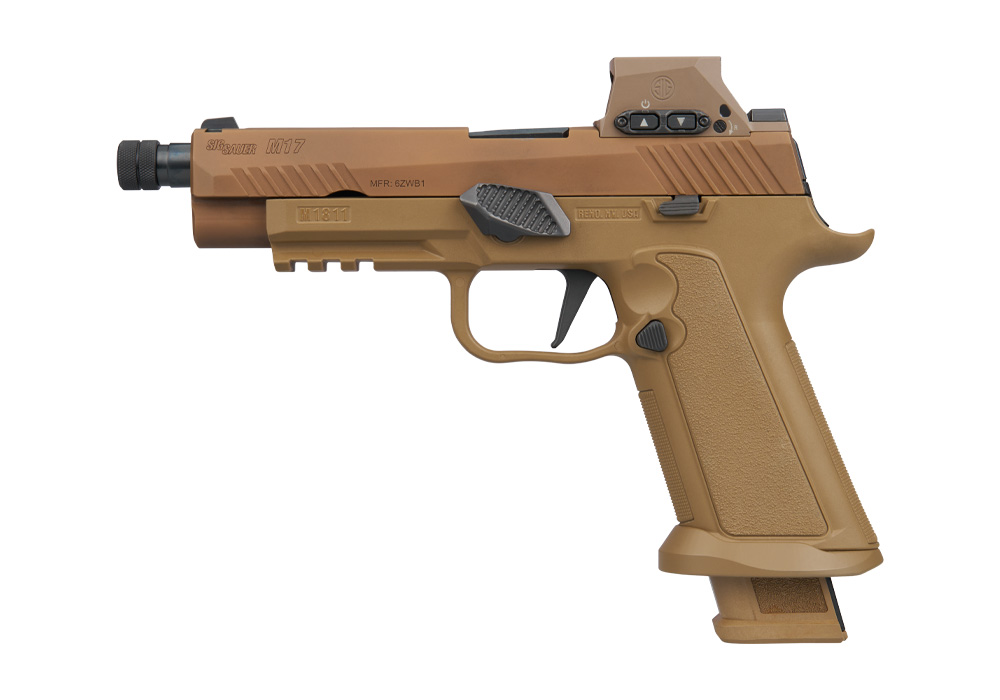
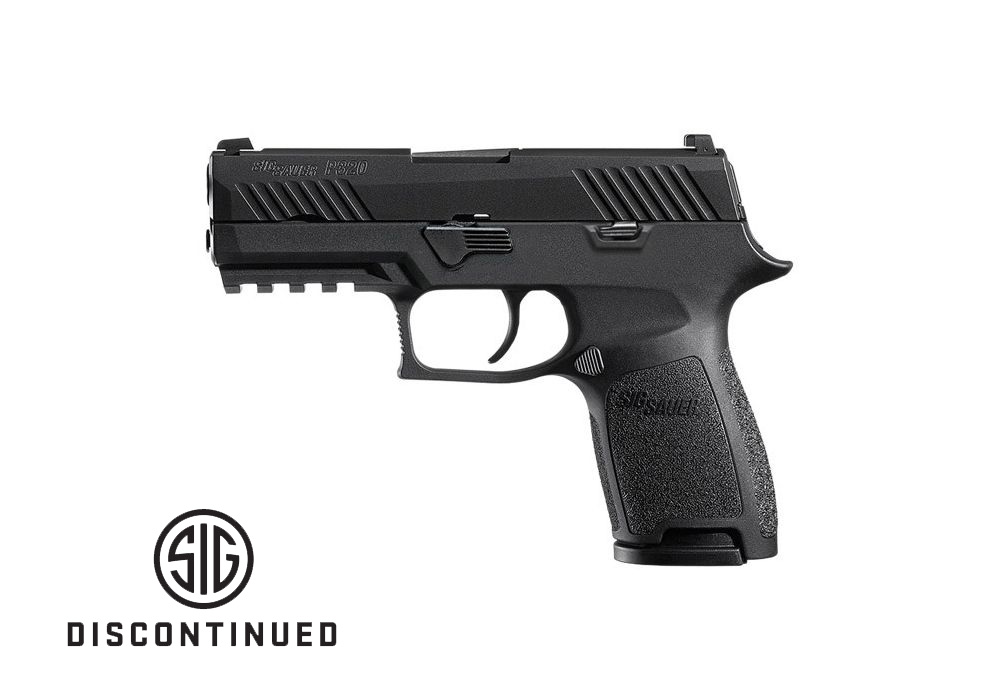
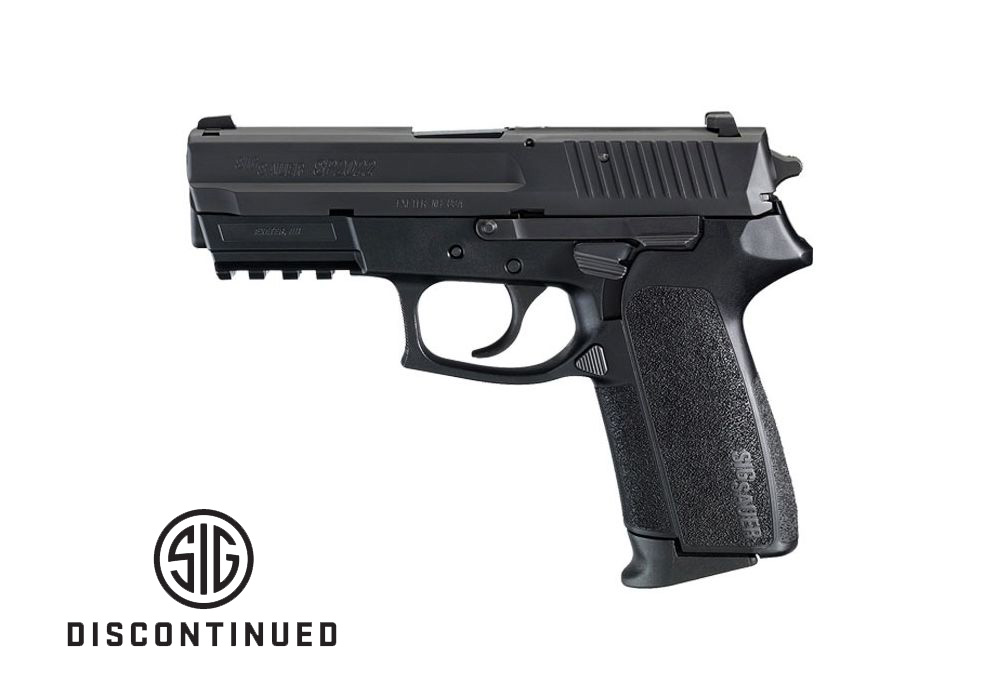
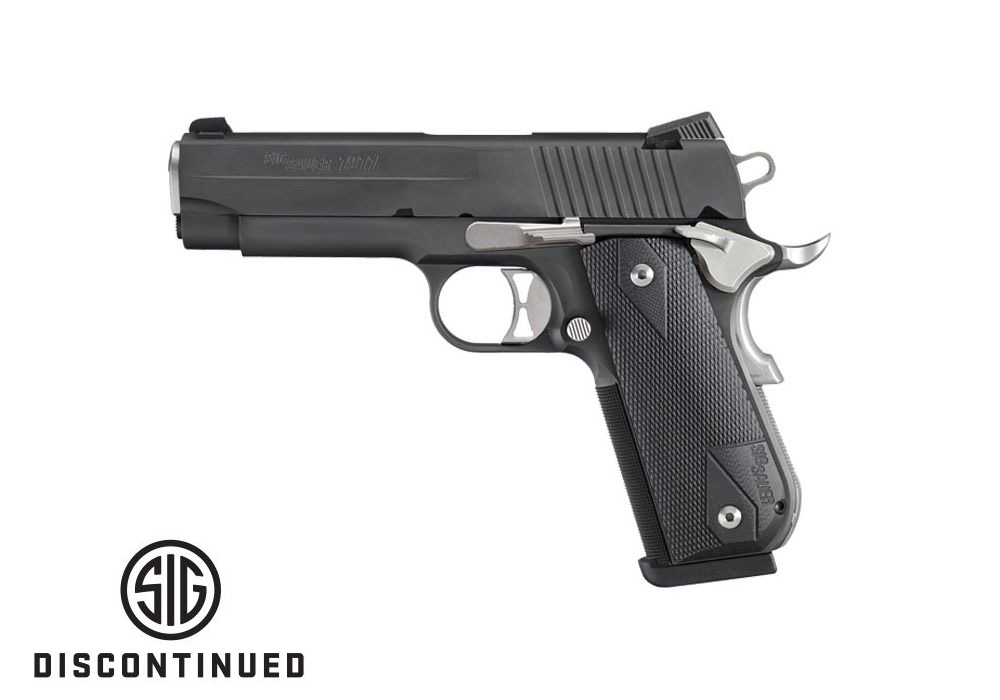
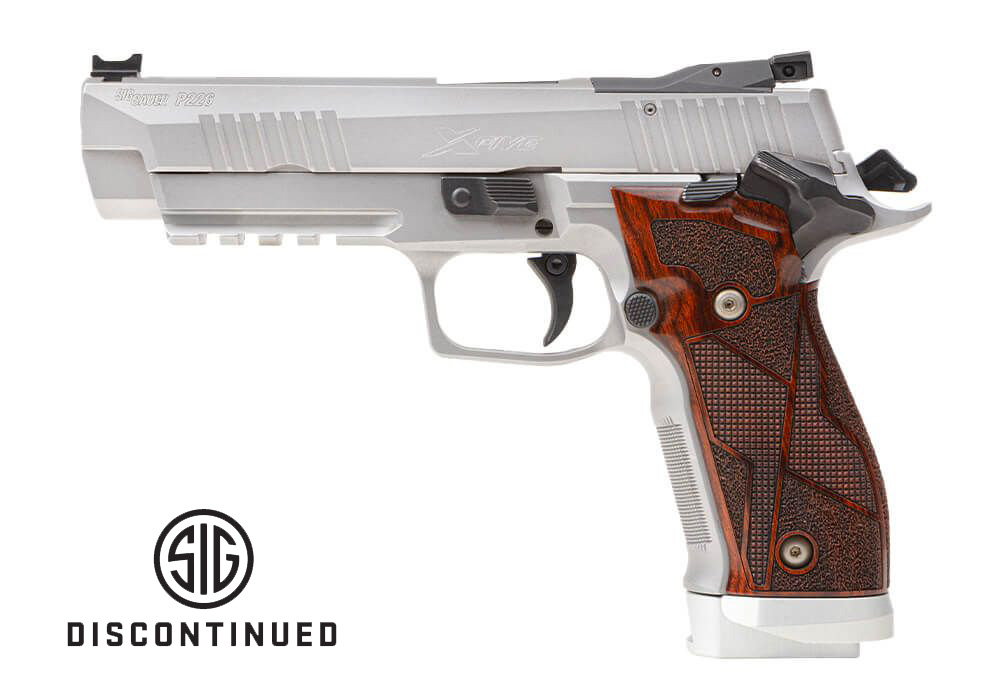
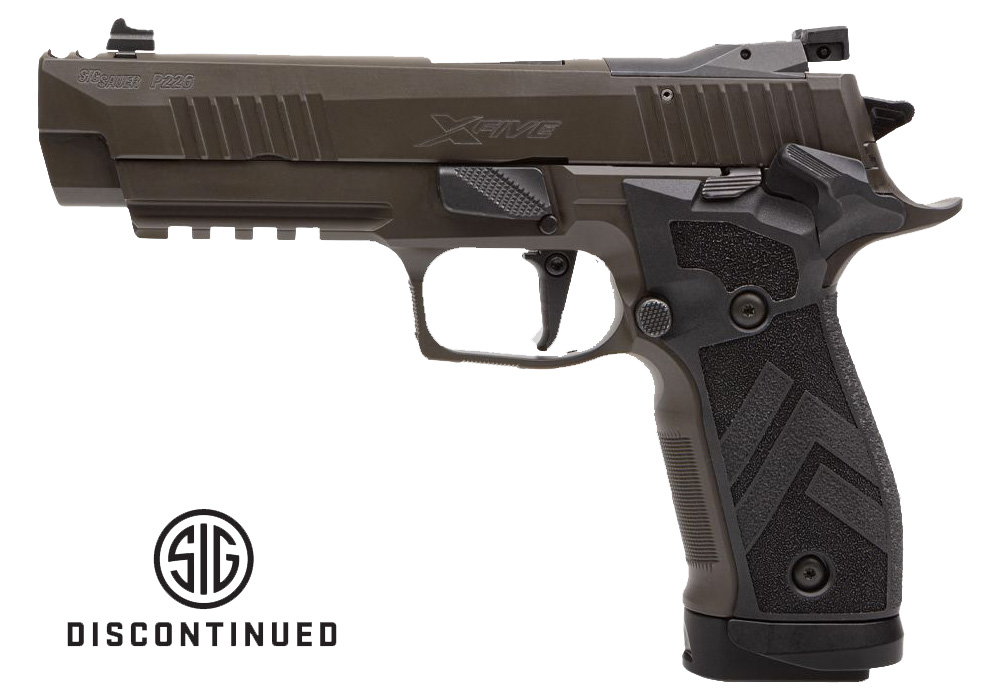
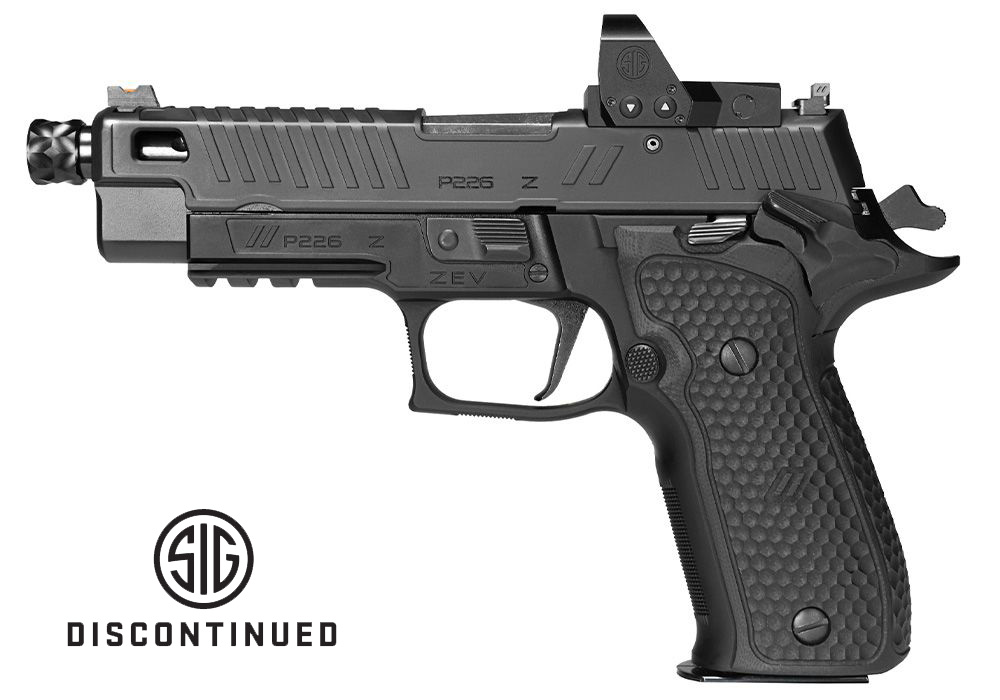
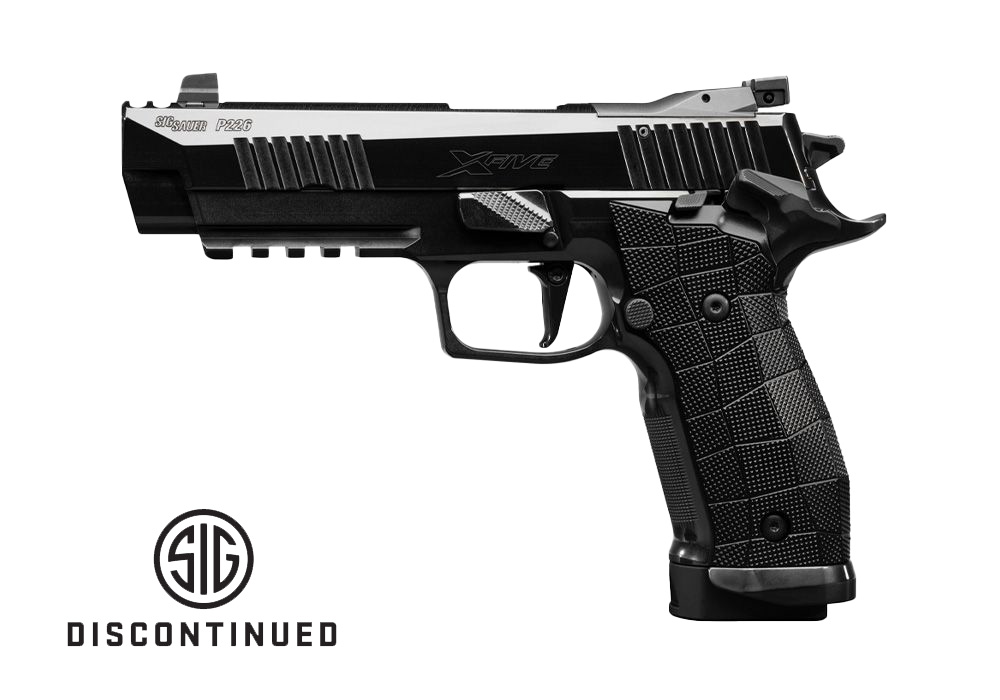
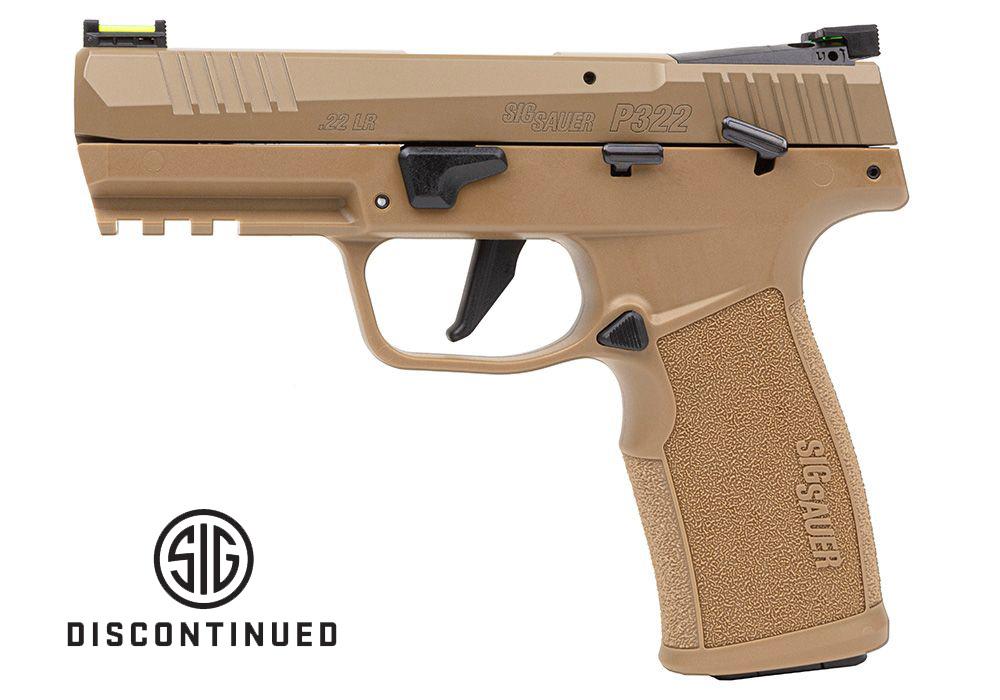
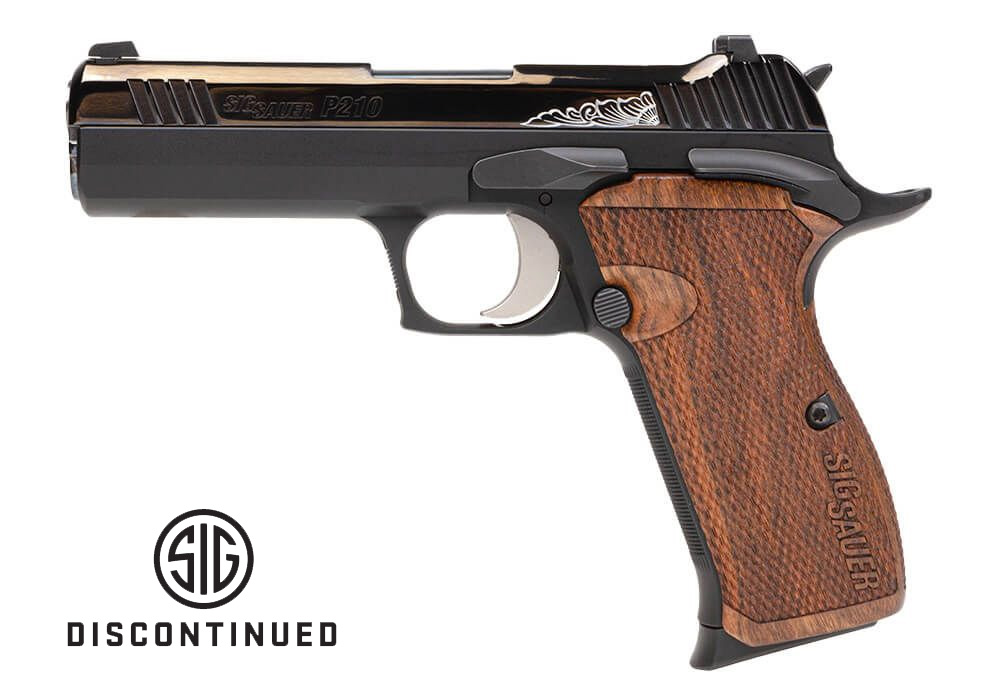
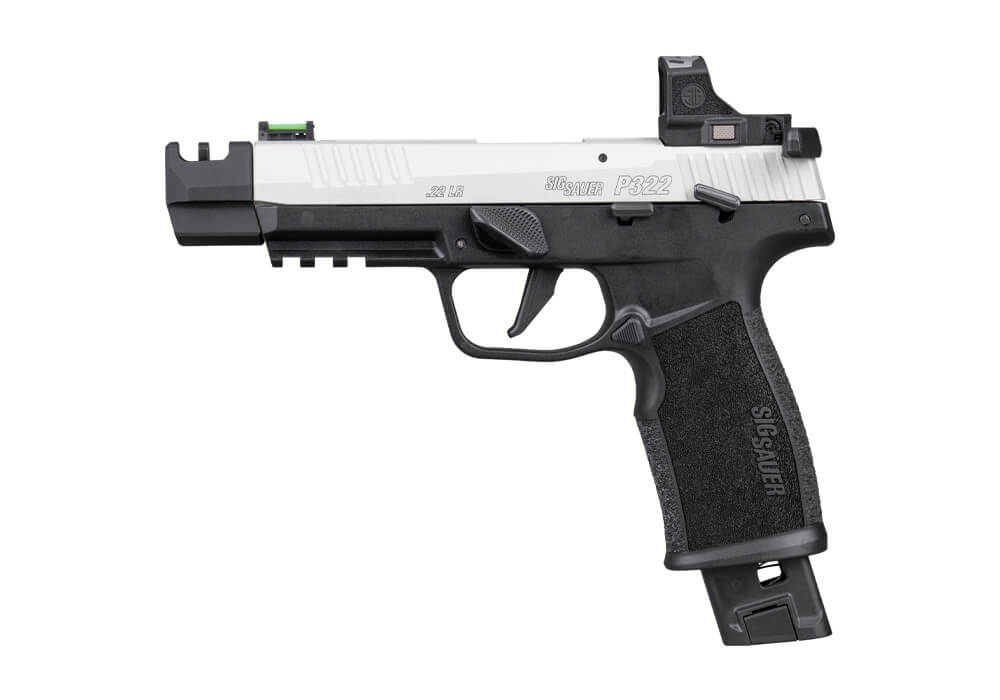
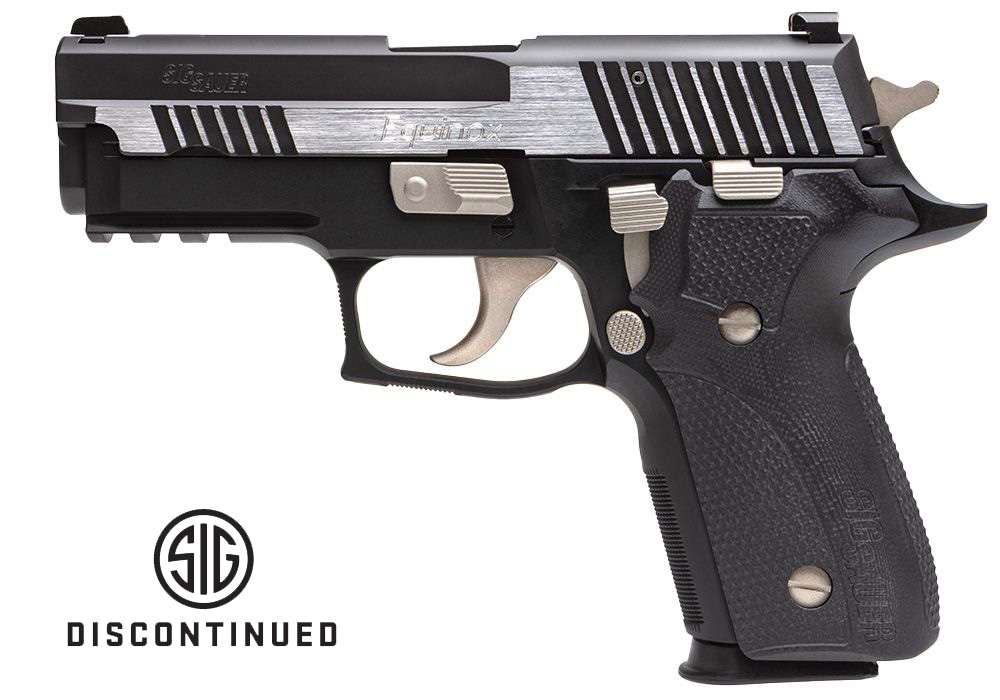
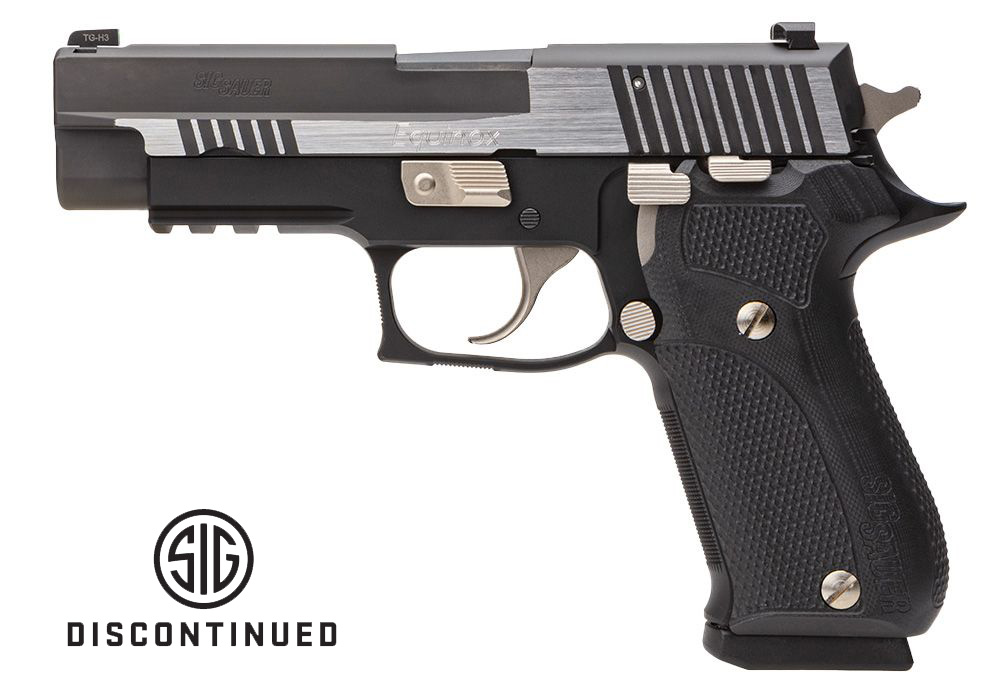
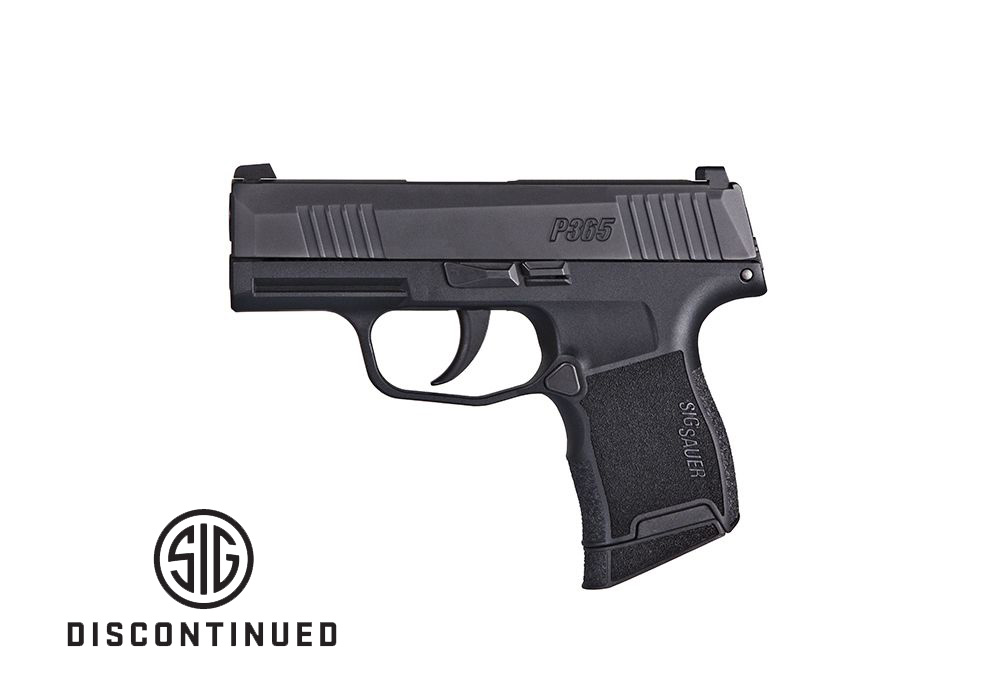
Pistols with enhanced handling safety combine ergonomic features that support a secure, consistent grip with mechanical safeguards designed to limit unintended firing under specified conditions. Grip texture, accessible controls, suitable dimensions, and clearly defined safety mechanisms all contribute to the overall handling experience, but they serve different purposes. A textured frame helps the hand maintain contact with the pistol; an internal safety mechanism addresses a particular part of the firing system. Neither replaces responsible handling, secure storage, or qualified instruction. Within this category, meaningful differences often begin with the relationship between the grip and the shooter’s hand. Grip circumference, trigger reach, and the shape of the backstrap influence whether the pistol feels manageable without an awkward stretch or cramped finger placement. Interchangeable grip components, where included, allow some adjustment for different hand sizes. A pronounced texture may provide reassuring purchase during supervised range practice, while a less aggressive surface may feel more comfortable against the hand over an extended session. Rounded edges and thoughtfully positioned controls can also reduce distracting pressure points. The useful distinction is not simply between a small pistol and a large one, but between dimensions that suit the individual and dimensions that create unnecessary compromise. A compact frame can be convenient for certain lawful uses, yet a longer grip may offer more room for the hand. Likewise, a lighter pistol may feel easier to transport, while a heavier frame can provide a steadier feel for some shooters. These characteristics are best understood together rather than treated as isolated advantages. For a first-time owner, an experienced recreational shooter, or someone selecting a firearm for lawful personal protection, enhanced handling safety means a considered combination of physical fit, understandable controls, and documented mechanical protections. Product specifications are especially useful when they distinguish between comfort-oriented details and actual safety mechanisms, giving shoppers a clearer picture of what each design contributes. No single feature establishes that a pistol is suitable for every person or every purpose.
Mechanical safety features vary by design, and their names should be read alongside the manufacturer’s explanation of their function. A manual safety is a user-operated control that restricts a specified part of the firing mechanism when engaged. Depending on the design, a grip safety requires appropriate grip contact before the firing system can function, while a trigger safety incorporates a separate element into the trigger itself. Internal firing-pin or striker blocks are intended to restrict movement of the relevant component until the required operating conditions are met. These mechanisms are not interchangeable, and the presence of one does not establish that another is included. The related collection of Pistols With Striker Safety Features provides a more focused category for shoppers comparing that particular aspect of pistol design. Indicators and inspection features deserve the same careful distinction: a chamber-status indicator may provide supplemental information, but it is not a substitute for the verification procedures specified in the owner’s manual. Similarly, a familiar-looking control may function differently across firearm designs. Clear documentation matters as much as a feature name. Safety-oriented product comparisons should therefore account for the complete control layout, the intended function of each mechanism, and any limitations described by the manufacturer. A pistol can incorporate several safeguards and still require the same fundamental precautions as any other firearm. Keeping the muzzle oriented in a safe direction, keeping fingers away from the trigger until ready to fire, and maintaining control over access remain essential. Holster compatibility is another important part of the broader handling picture. A correctly fitted holster should cover the trigger area, retain the pistol as intended, and match its configuration without interfering with its controls. Generic fit claims are less informative than compatibility confirmed for the relevant dimensions and equipment. For households with multiple authorized users, differences in hand size, familiarity, and training can also affect suitability. A layout that feels straightforward to one person may be less intuitive to another, making individual fit and professional instruction valuable considerations rather than assumptions.
Materials and construction influence how a pistol feels in the hand and how it holds up to regular use. Polymer frames, aluminum-alloy frames, and steel components each bring different weight and maintenance characteristics; material alone does not determine overall quality or handling suitability. Frame contours, surface treatments, assembly quality, and the relationship between moving parts all matter. Protective finishes can help resist corrosion and routine wear, although contact with perspiration, cleaning chemicals, and storage materials still calls for attention. Grip surfaces need particular care because oil, residue, or worn texture can change the feel of an otherwise familiar pistol. Manufacturer-approved cleaning products and the maintenance schedule in the owner’s manual help preserve the intended condition of both exterior surfaces and internal mechanisms. Maintenance should never involve improvising changes to safety components, trigger parts, or other operating systems; concerns about their condition belong with the manufacturer or a qualified professional. Intended use also shapes the most relevant trade-offs. Recreational range users may value a grip that remains comfortable through repeated practice and controls that are easy to identify during instruction. Someone considering lawful personal protection may place additional emphasis on dependable everyday handling, suitable secure storage, and compatibility with a properly fitted holster. In either setting, a manageable pistol is one the owner can use responsibly within the limits of training and experience, not simply one with the longest feature list. Ownership also extends beyond the shooting session. Locked storage that prevents unauthorized access, with ammunition secured separately, is an important consideration for homes with children, visitors, or anyone who should not have access to a firearm. Storage equipment should suit the household and comply with applicable requirements. Durable construction, appropriate fit, documented safeguards, and consistent care work together to support responsible ownership over time. The strongest selection is grounded in those practical details, with comfort and convenience considered alongside the continuing obligations that accompany every firearm.