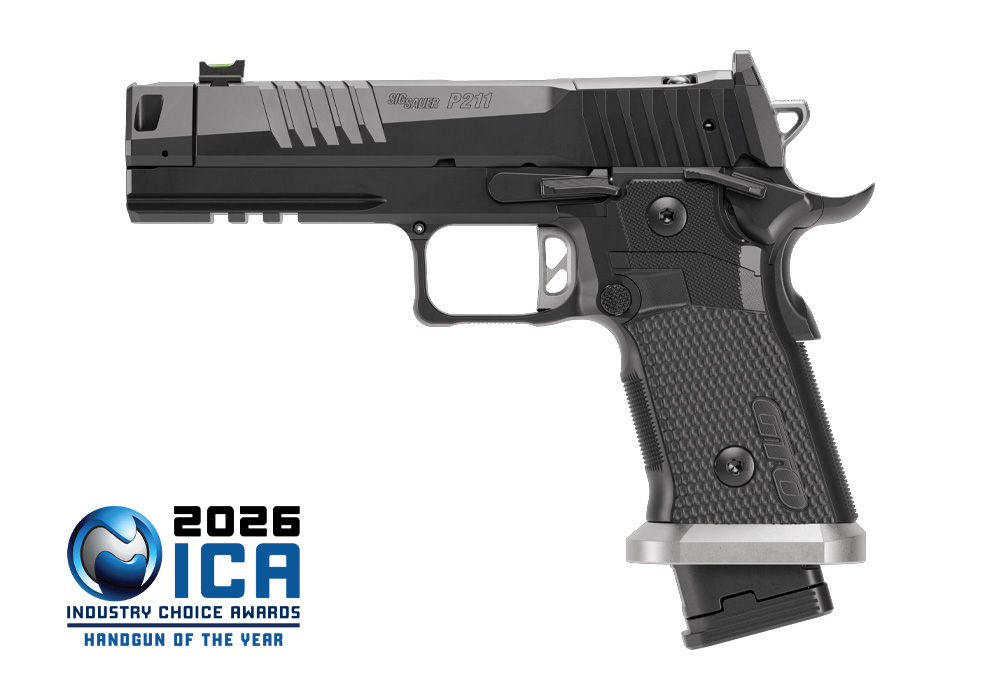
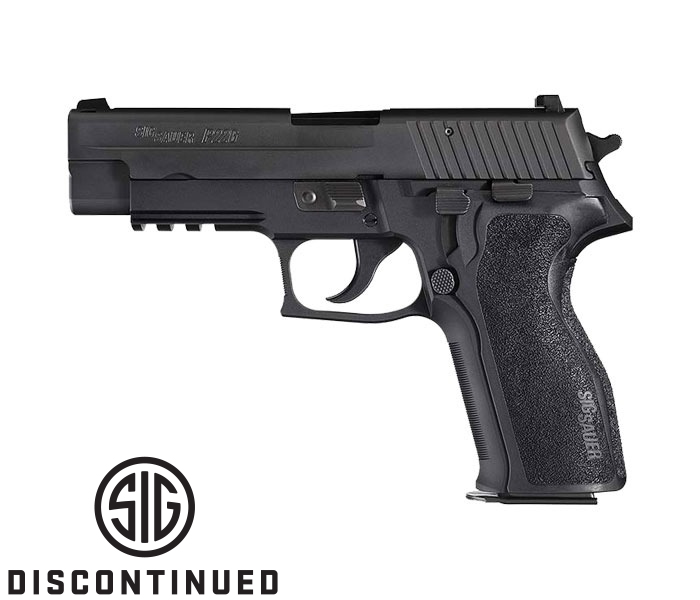
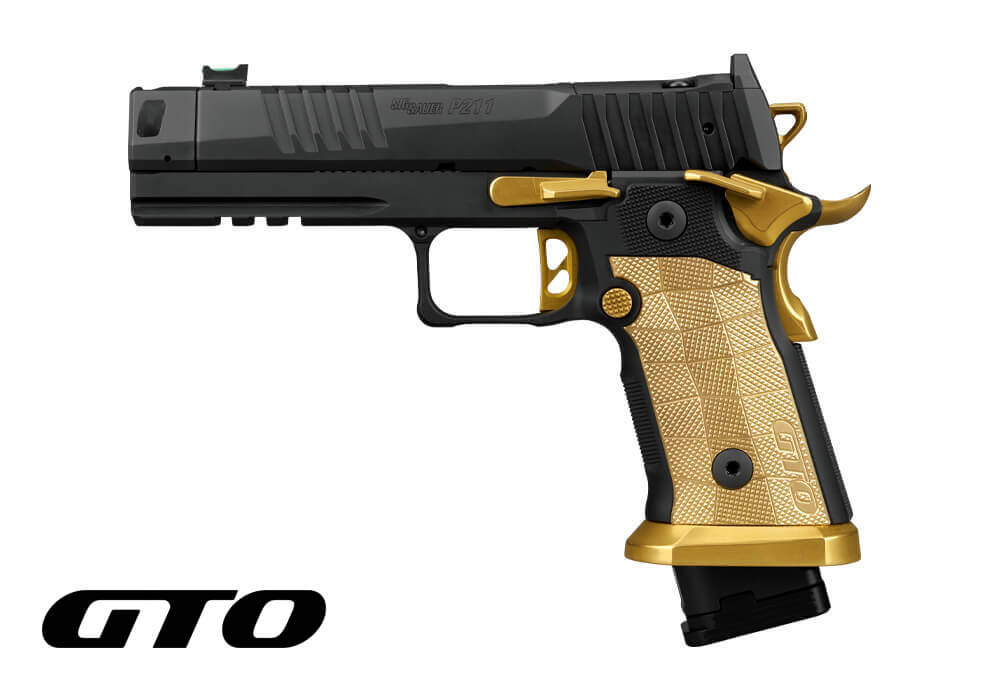
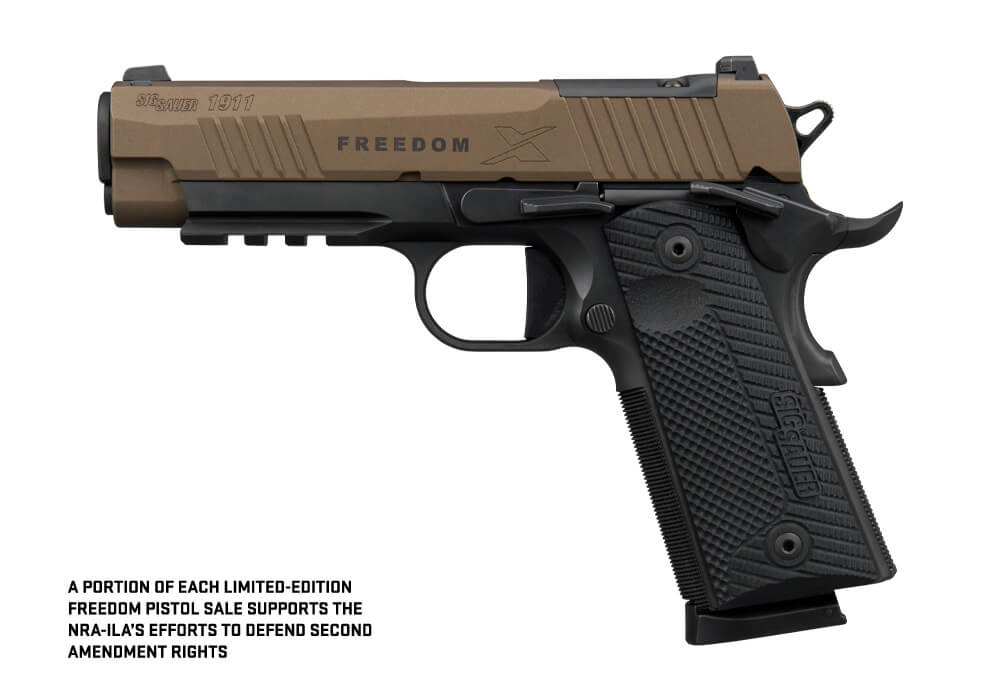
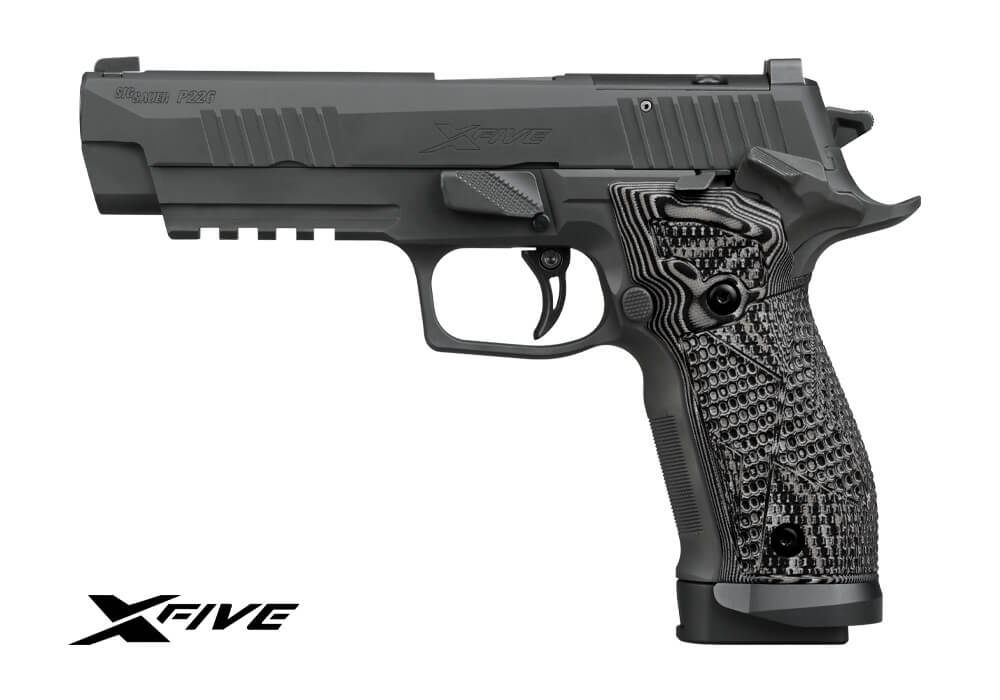
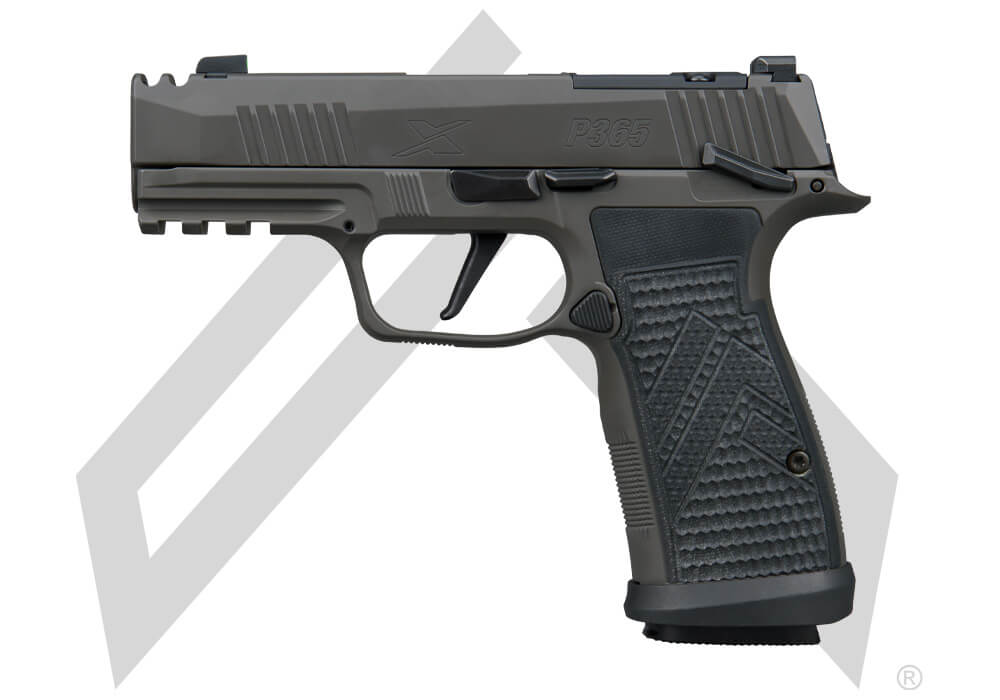
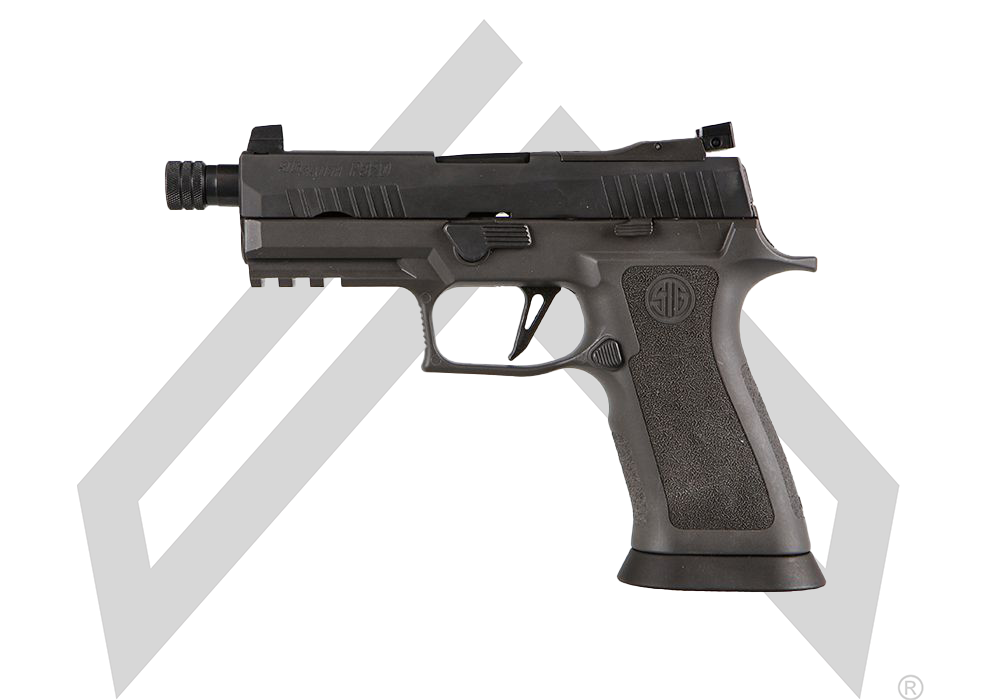
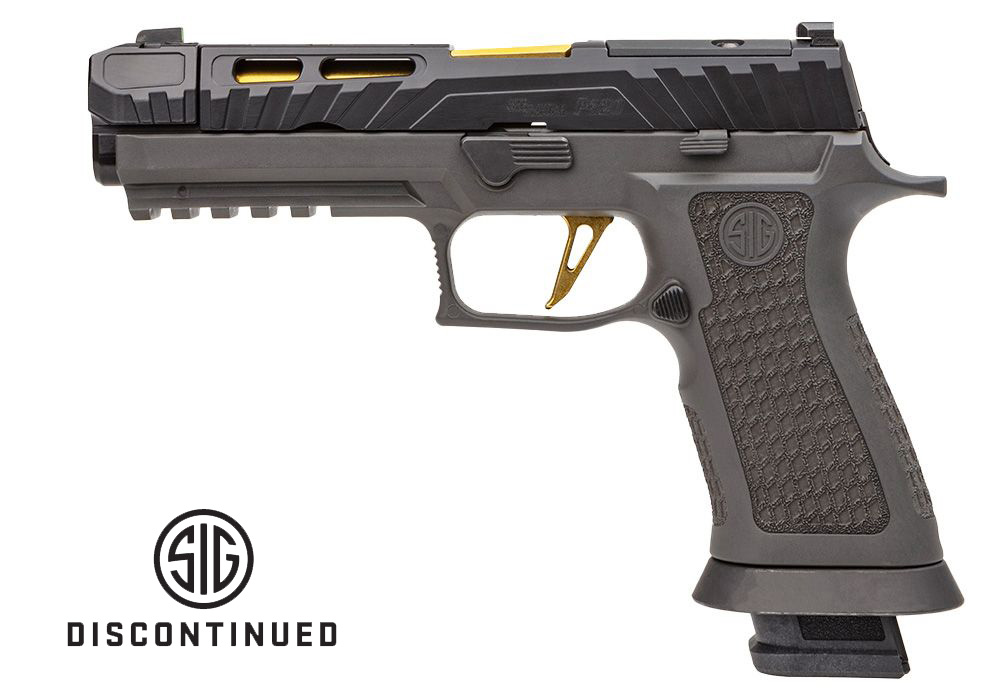
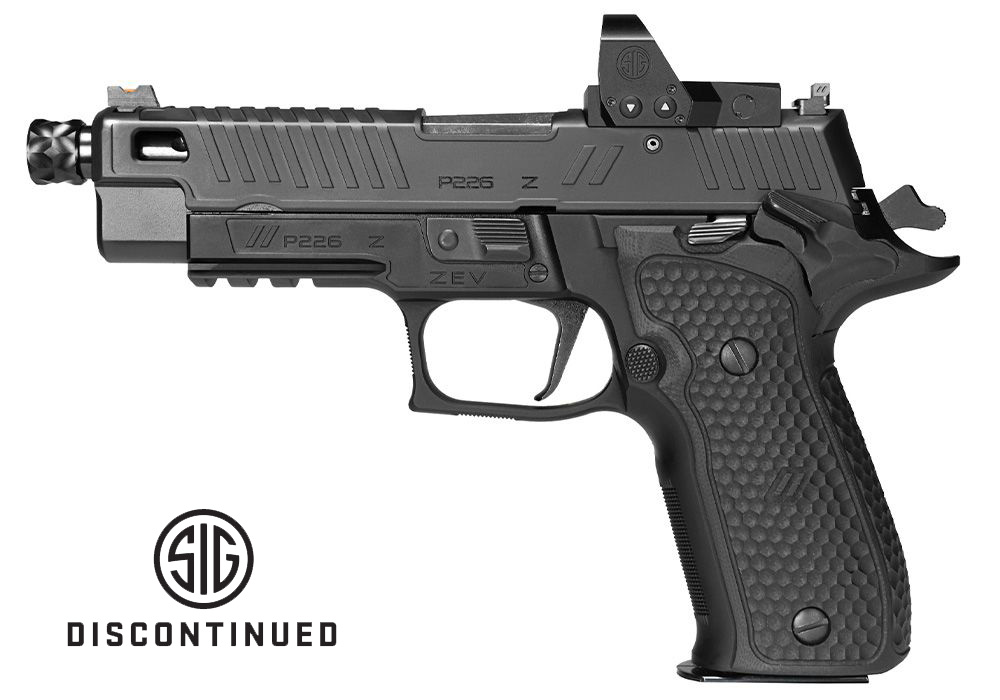
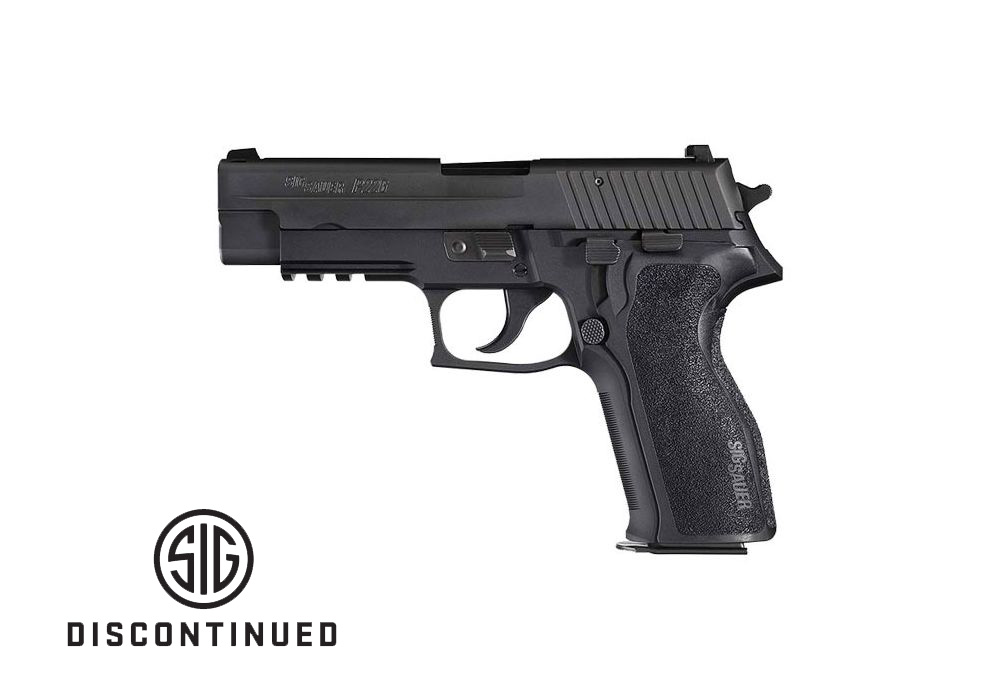
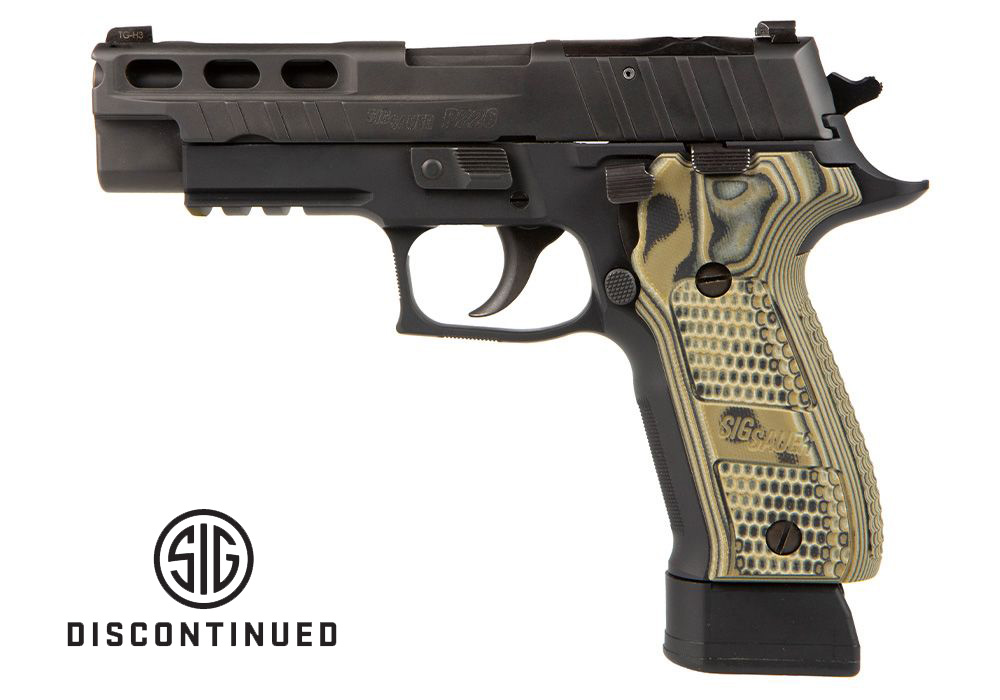
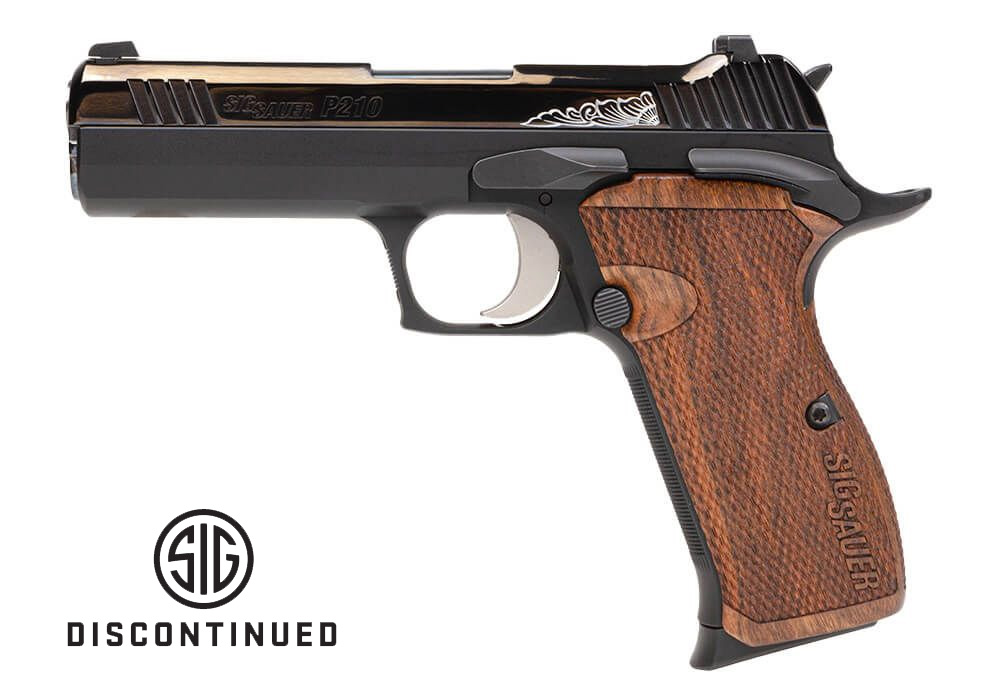
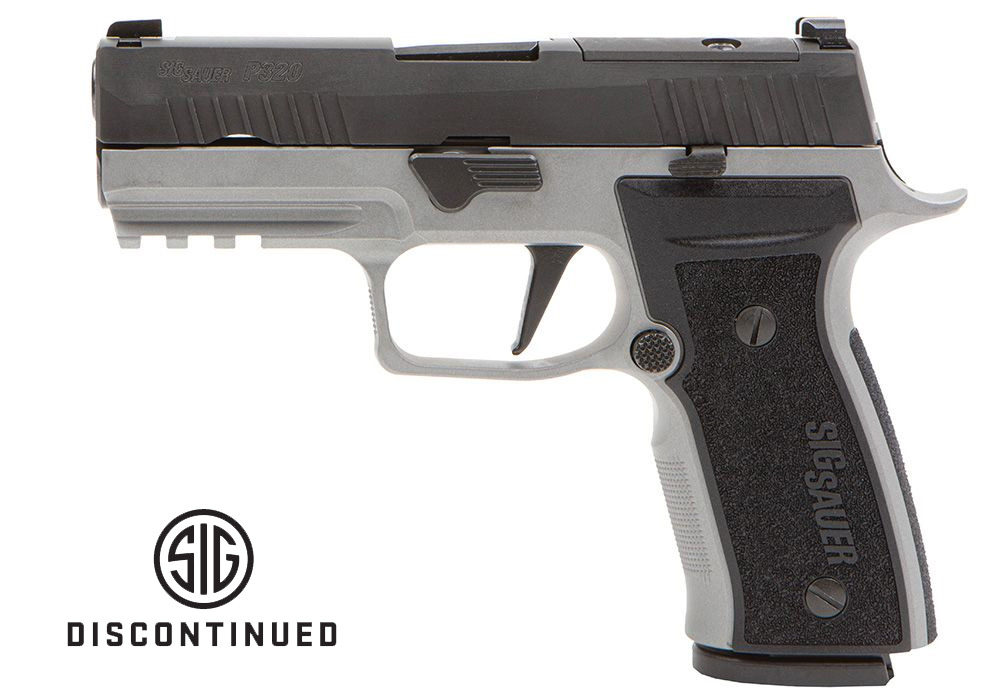
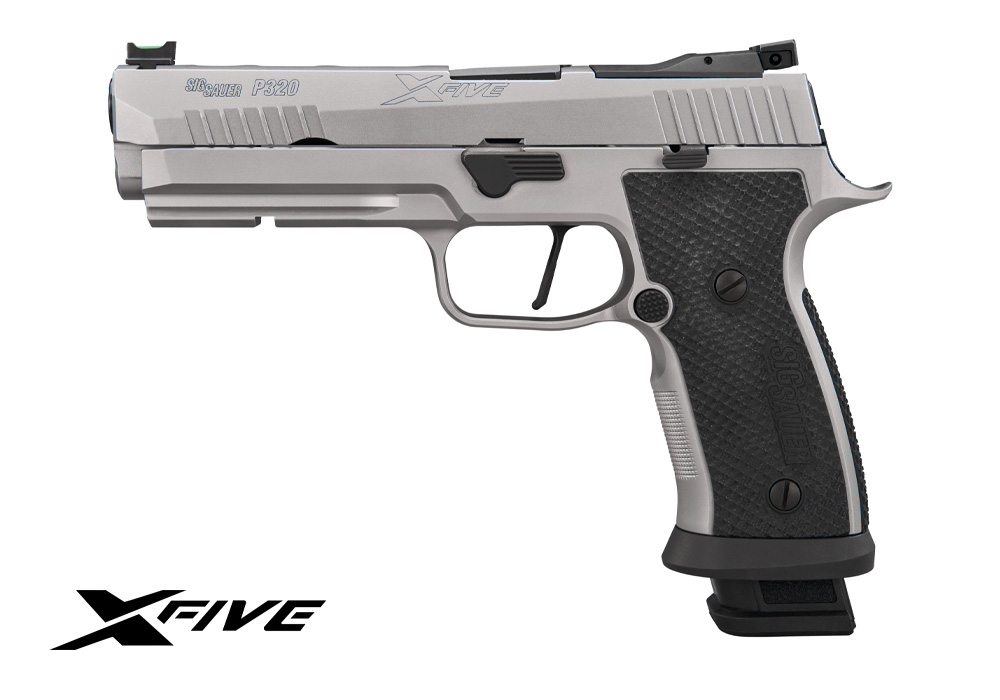
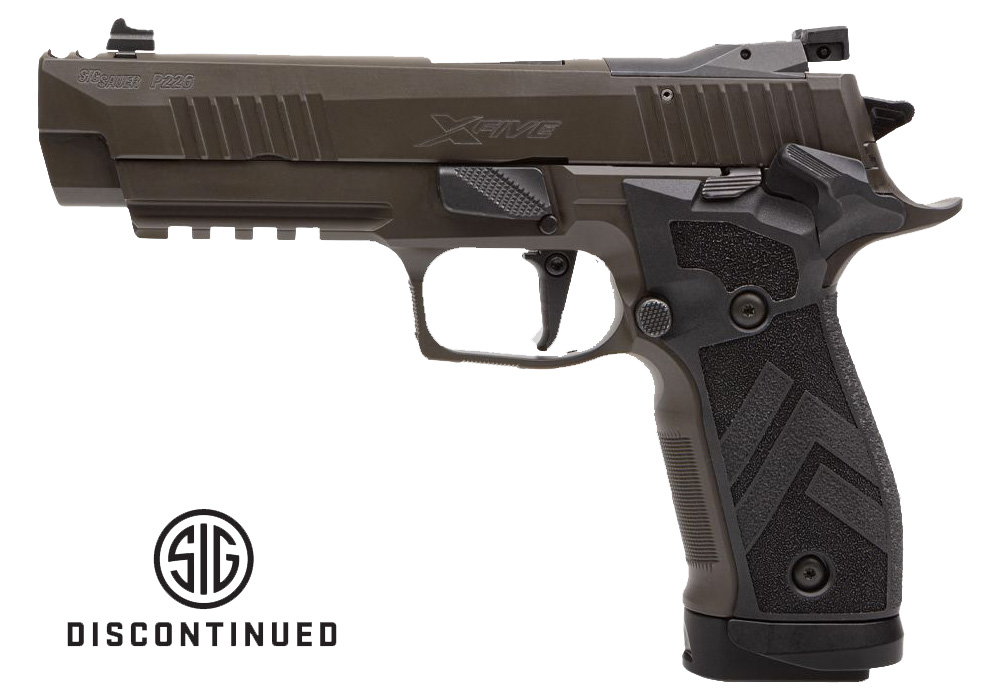
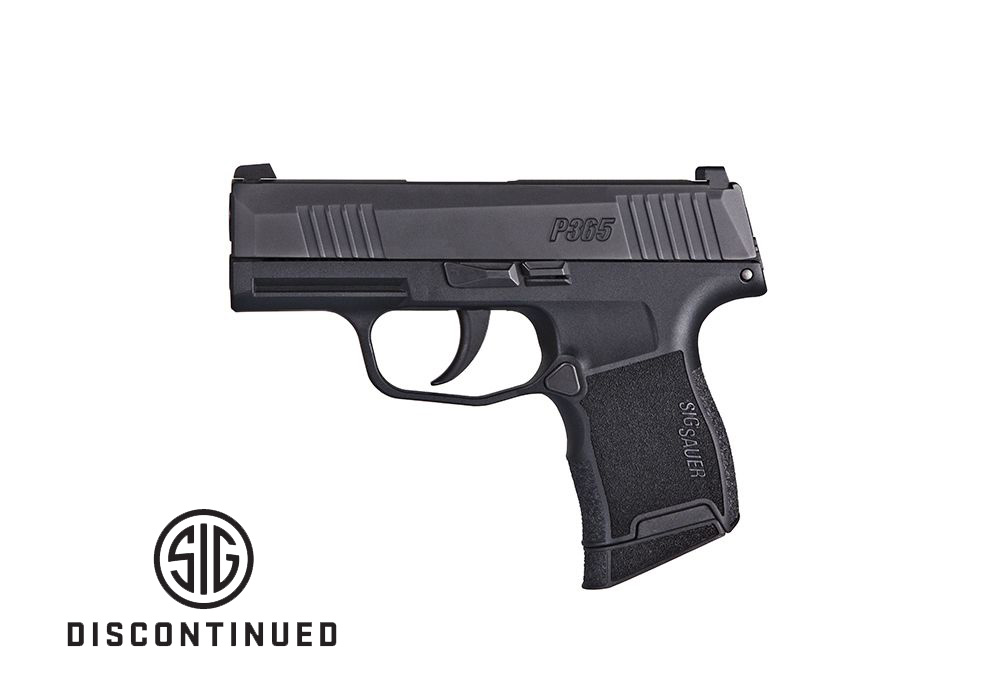
Pistols with enhanced balance emphasize how weight is distributed through the frame, slide, barrel, and grip, rather than relying on overall weight alone. A balanced pistol should feel manageable in the hand, with proportions that suit its intended use and the person holding it. Frame geometry, grip dimensions, barrel length, and the relationship between the barrel’s centerline and the hand all influence that impression. These characteristics can affect perceived recoil, muzzle movement, and fatigue, although no single specification guarantees the same experience for every shooter. Two pistols with similar dimensions and listed weights can feel noticeably different because their mass is concentrated in different places. More weight toward the front may feel steady to one person and cumbersome to another, while a compact profile may feel convenient without providing the same settled impression as a larger frame. Materials contribute to those differences. Steel components add mass and can give a pistol a substantial, planted feel. Aluminum alloy frames offer another relationship between structural strength and carrying weight. Polymer frames generally weigh less and may incorporate metal reinforcement where the design requires it. Mixed-material construction allows different parts of a pistol to fulfill different structural and ergonomic roles. None of these materials automatically delivers better balance; their placement, dimensions, and integration matter just as much as their weight. A textured polymer grip paired with a steel slide, for example, presents a different feel from a metal frame with separate grip panels, even when the exterior dimensions appear comparable. Published measurements provide useful context, but balance is ultimately a physical relationship between the pistol and its user. It also changes between unloaded and loaded conditions, so an unloaded impression does not describe every aspect of normal handling. The most meaningful comparison considers weight distribution alongside grip fit, control placement, and the demands of lawful recreational shooting, organized competition, or personal protection.
Grip fit is central to the appeal of a well-balanced pistol because the hand is the primary point of contact with its weight. Grip circumference, front-to-back depth, backstrap shape, and surface texture determine whether that contact feels natural or strained. A broader grip may fill larger hands comfortably, while a slimmer profile may better suit someone who finds reaching the controls difficult. Neither hand size nor frame size tells the whole story: finger length, palm shape, and mobility also influence comfort. Interchangeable backstraps or other factory-supported grip options can accommodate different preferences when those features are part of the design. Texture deserves attention as well. A pronounced surface may feel secure during a range session but abrasive against clothing during lawful concealed carry. A smoother surface may feel comfortable at first yet offer a less reassuring purchase for some hands. Contours, edges, and the shape of the trigger guard can become more noticeable over an extended practice session than during a brief first impression. For recreational users, balanced proportions can contribute to a comfortable, repeatable experience during supervised practice. Competition participants may place greater emphasis on consistency and suitability for their event’s equipment rules. People considering a pistol for lawful carry must weigh handling comfort against dimensions, overall weight, and compatibility with an appropriate holster. A pistol that feels pleasantly substantial for an hour at the range may become burdensome when carried for much longer. Conversely, the lightest option is not necessarily the most comfortable to shoot. These tradeoffs explain why enhanced balance is better understood as a useful design quality than a universal ranking. An in-person evaluation with a qualified professional, following the facility’s safety procedures and using an unloaded firearm where appropriate, can reveal pressure points and reach limitations that photographs cannot show. Comfort should never depend on struggling to reach an essential control or accepting a grip that feels insecure.
Long-term satisfaction also depends on durability, maintenance, and whether a pistol retains its comfortable handling characteristics through regular use. Protective finishes help shield metal surfaces from wear and corrosion, but no finish eliminates the need for inspection and care. Polymer surfaces, metal grip panels, textured areas, and coated components each have their own cleaning requirements. The manufacturer’s manual should govern cleaning products, lubrication, inspection intervals, and any service work. Harsh solvents or unsuitable tools can damage surfaces, while neglected residue and moisture can affect condition over time. Attention to grip surfaces matters because accumulated debris or wear can change how they feel against the hand. Loose components, damaged controls, unusual wear, or a noticeable change in function warrant evaluation by a qualified professional rather than an improvised repair. Secure storage is equally important: a locked storage solution should prevent unauthorized access, and ammunition should be secured separately in accordance with applicable requirements and established safety practices. Balance also needs to be considered within the pistol’s approved configuration. An optic or another compatible accessory can change overall weight, clearances, and the way the pistol feels, so compatibility involves more than whether a component appears to fit. Manufacturer guidance and professional advice help preserve proper function and an appropriate relationship between the firearm, its accessories, and its holster. Related design considerations appear among Pistols With Innovative Features, where ergonomics and integrated functionality provide additional context for comparing modern pistol designs. For a first-time owner, understandable controls, suitable fit, and access to qualified instruction may matter more than a long feature list. An experienced owner may recognize a preference for a particular frame material or grip contour but still benefit from evaluating each design on its own merits. The lasting value of enhanced balance lies in that combination of thoughtful weight distribution, comfortable proportions, durable construction, and suitability for the intended purpose—not simply in a heavier frame, a shorter barrel, or a lighter specification on paper.