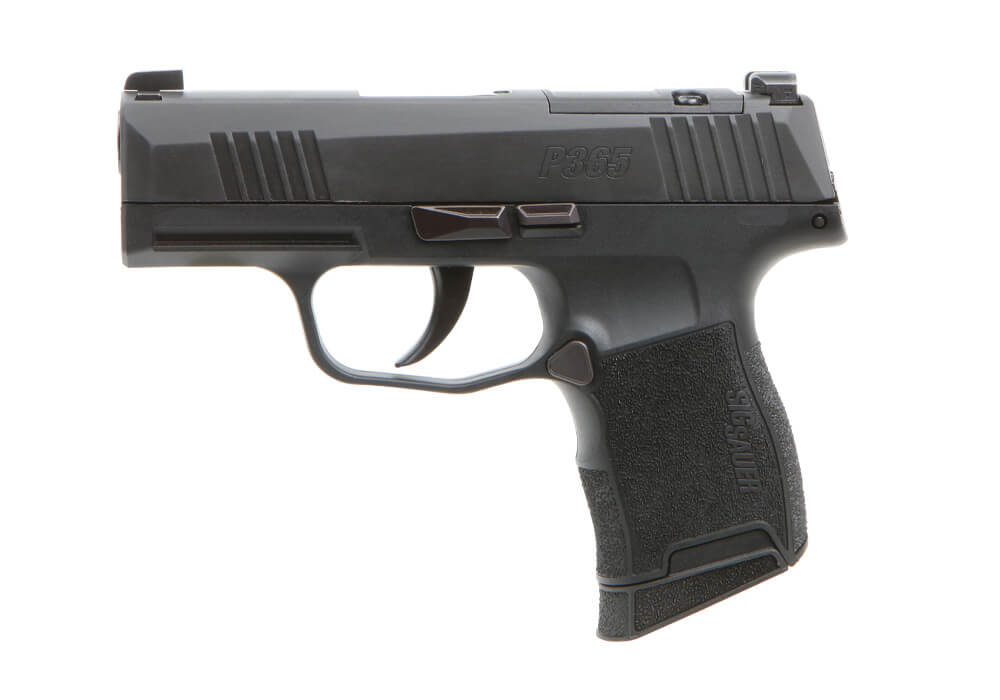
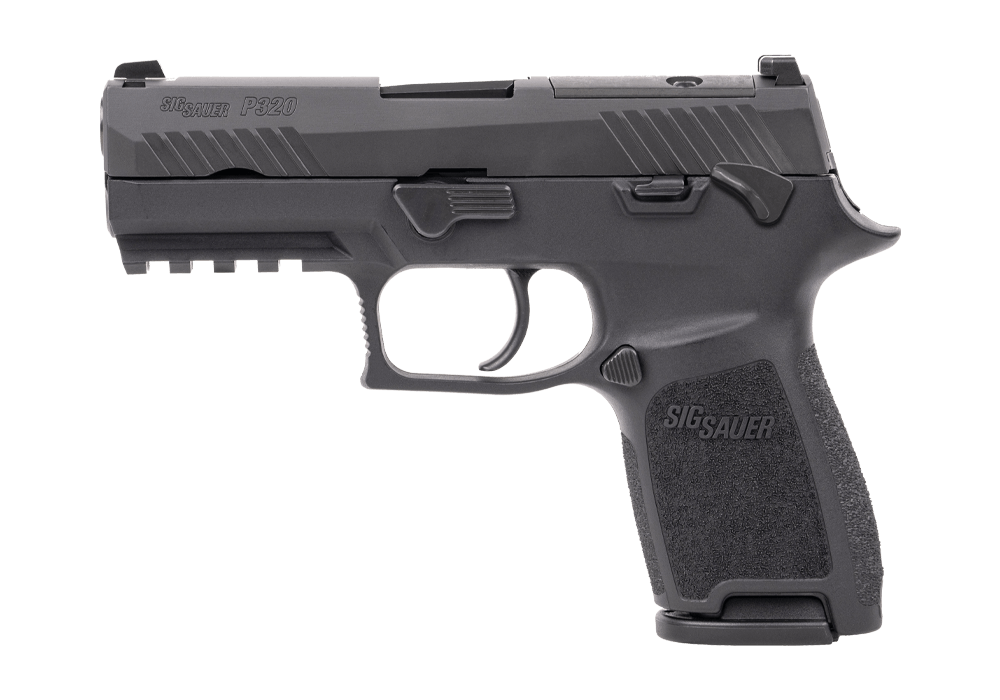
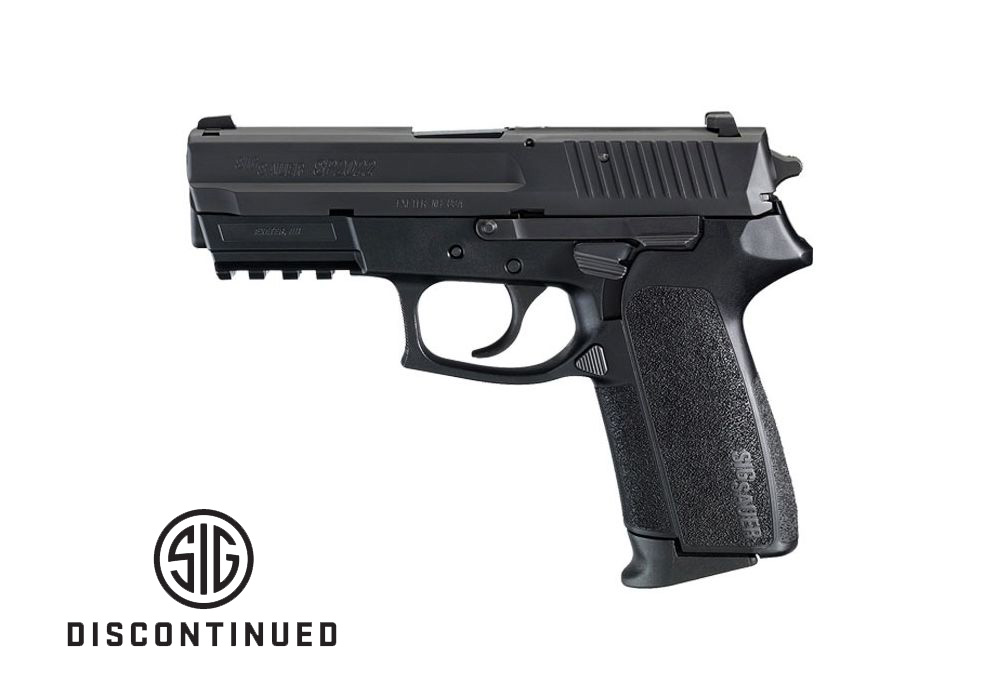
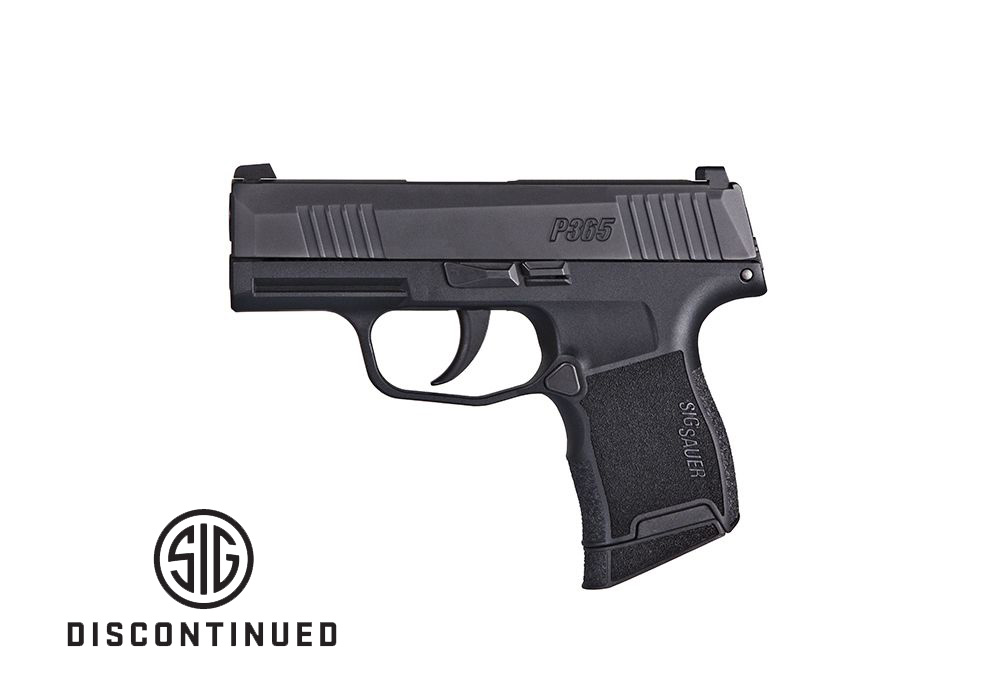
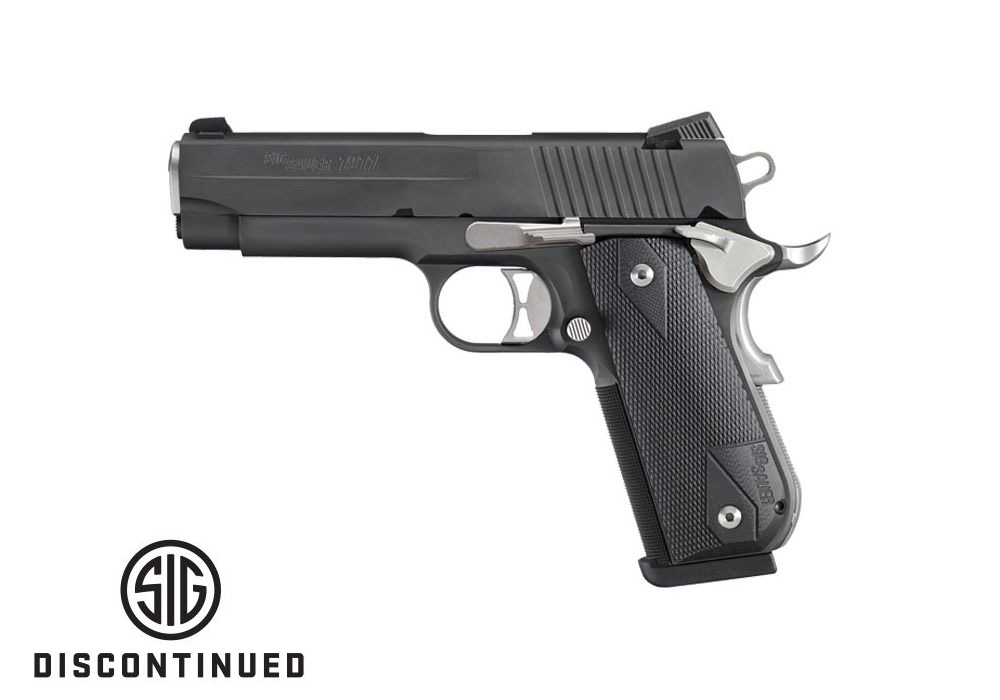
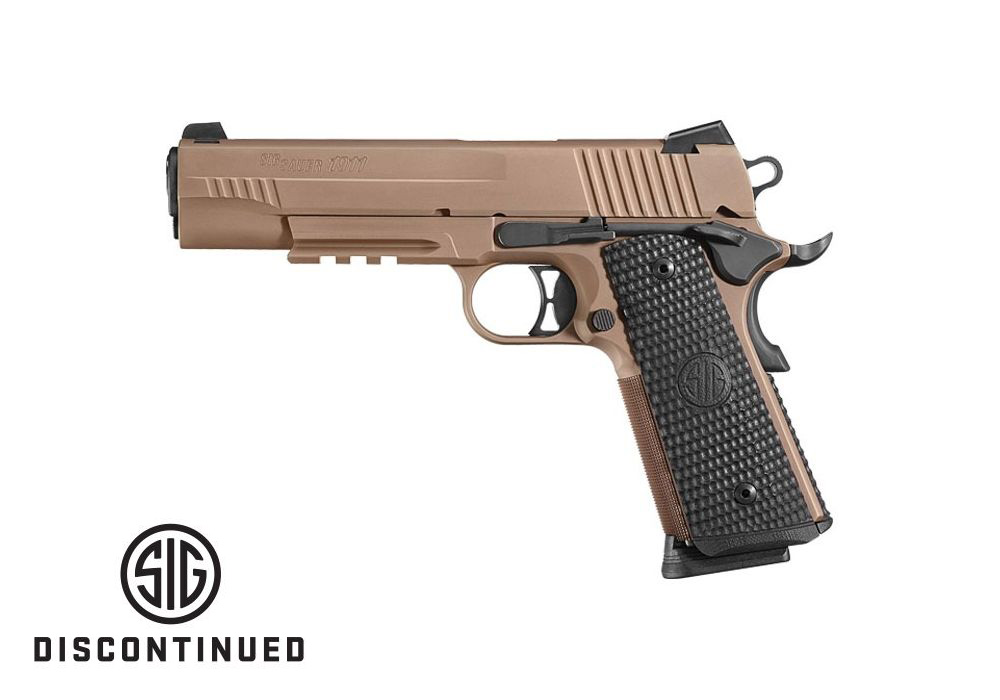
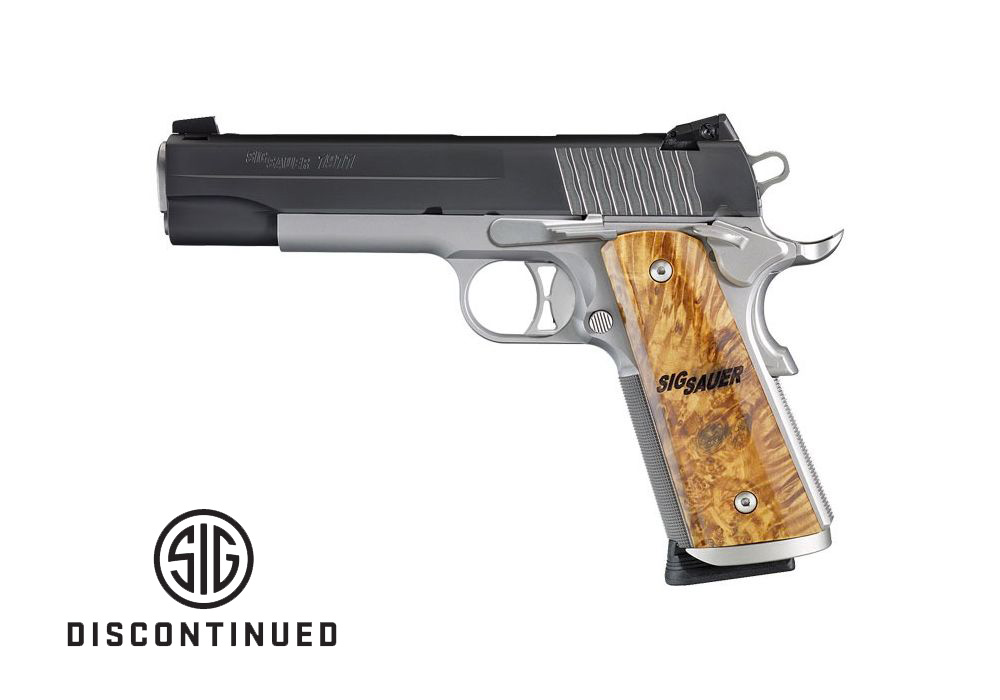
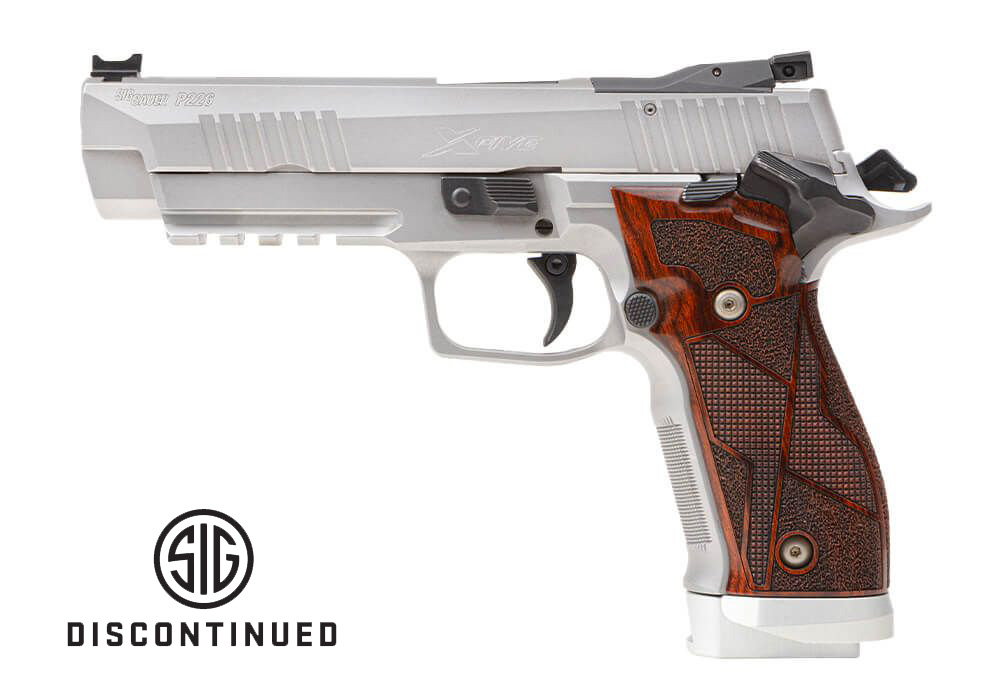
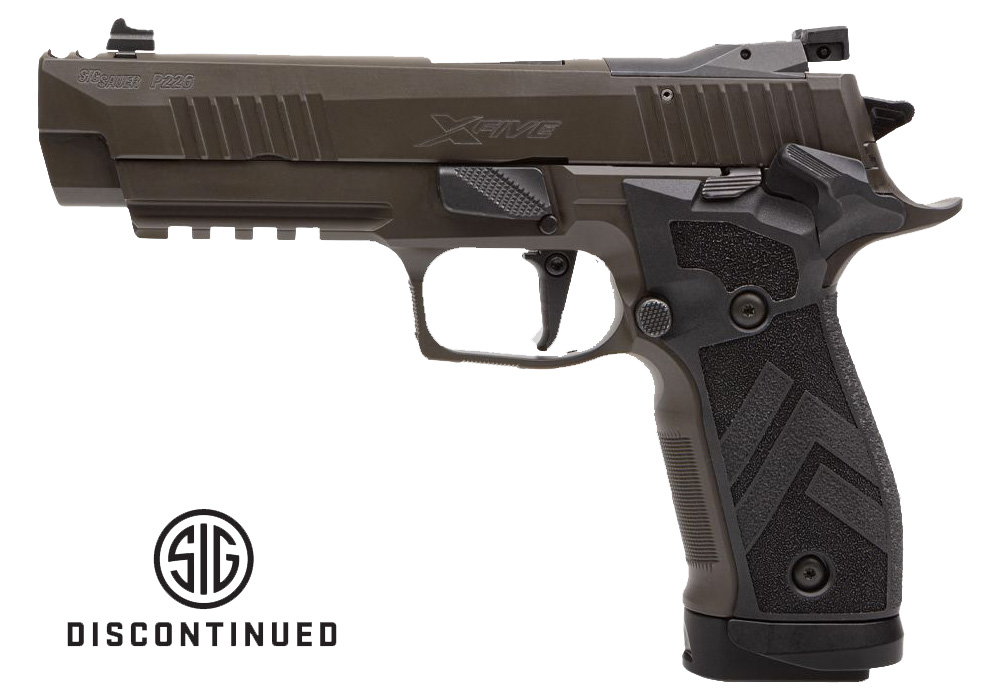
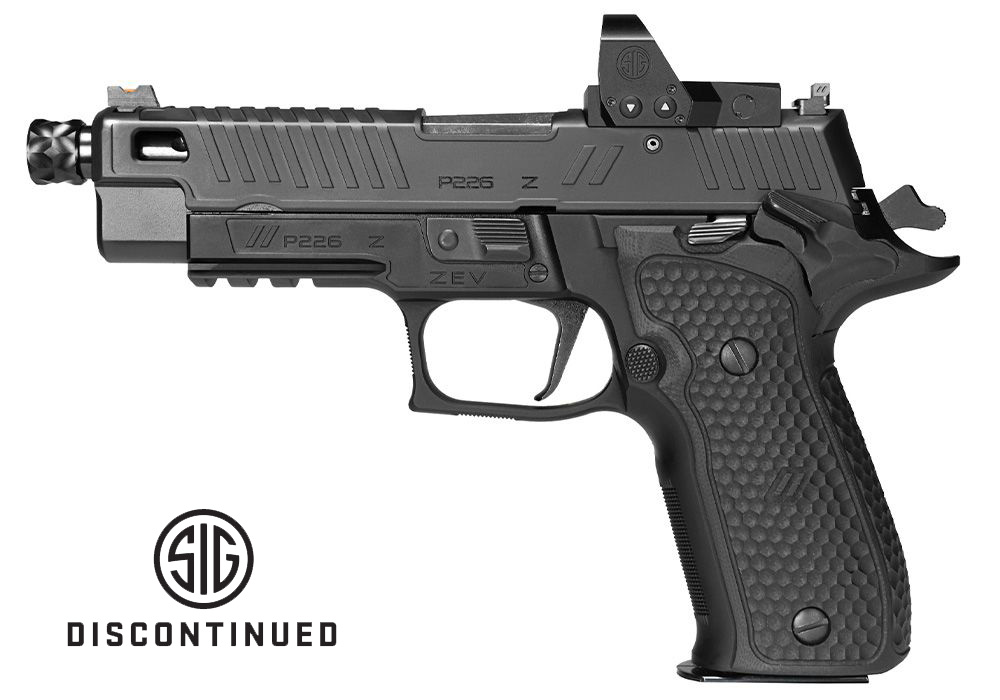
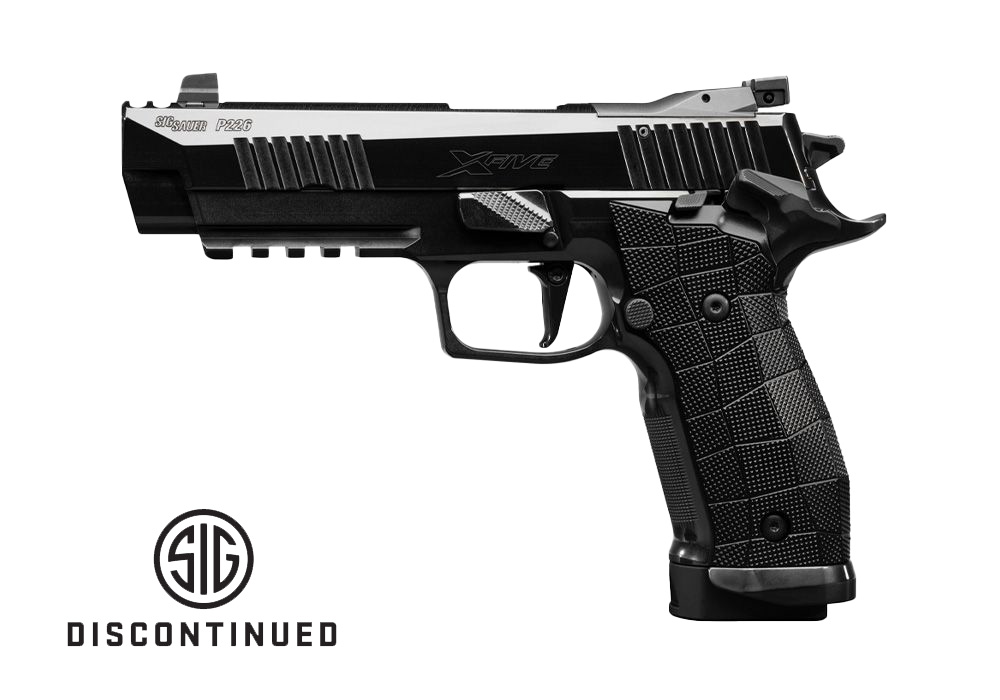
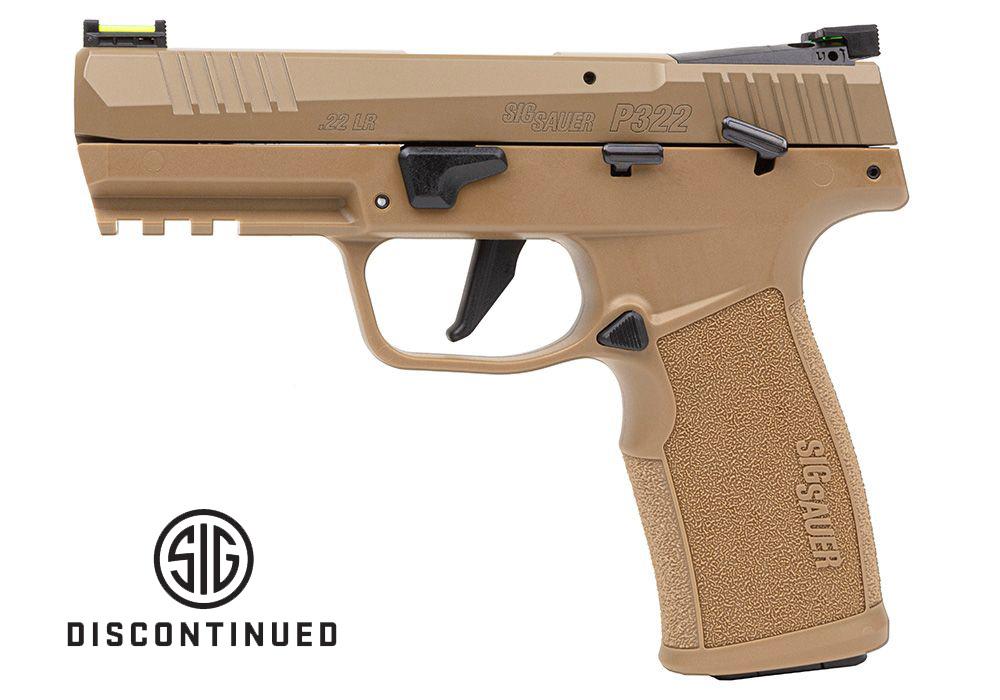
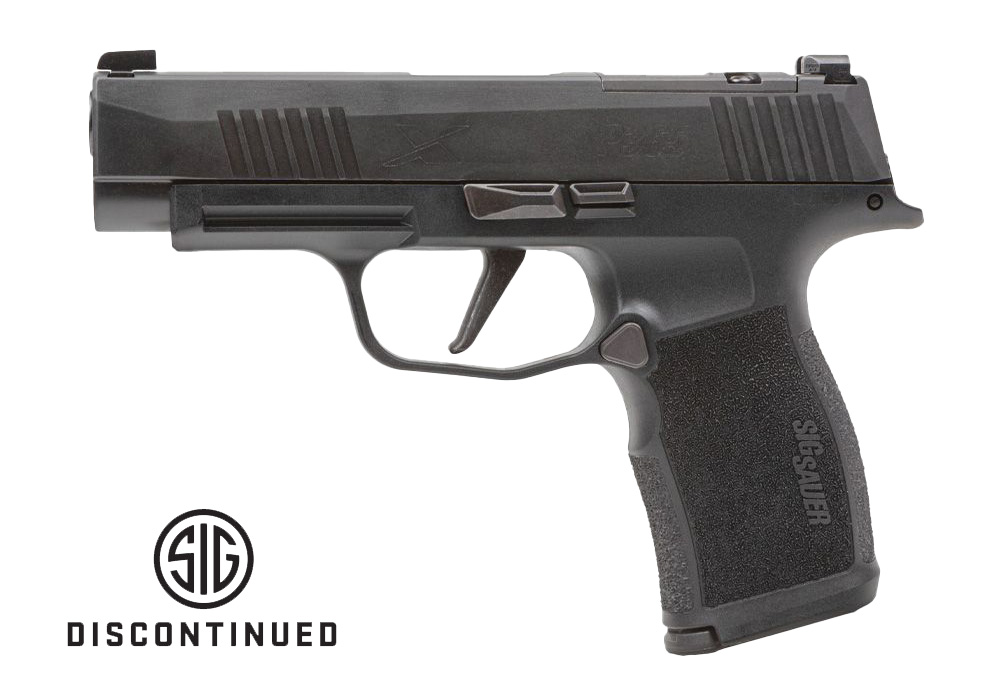
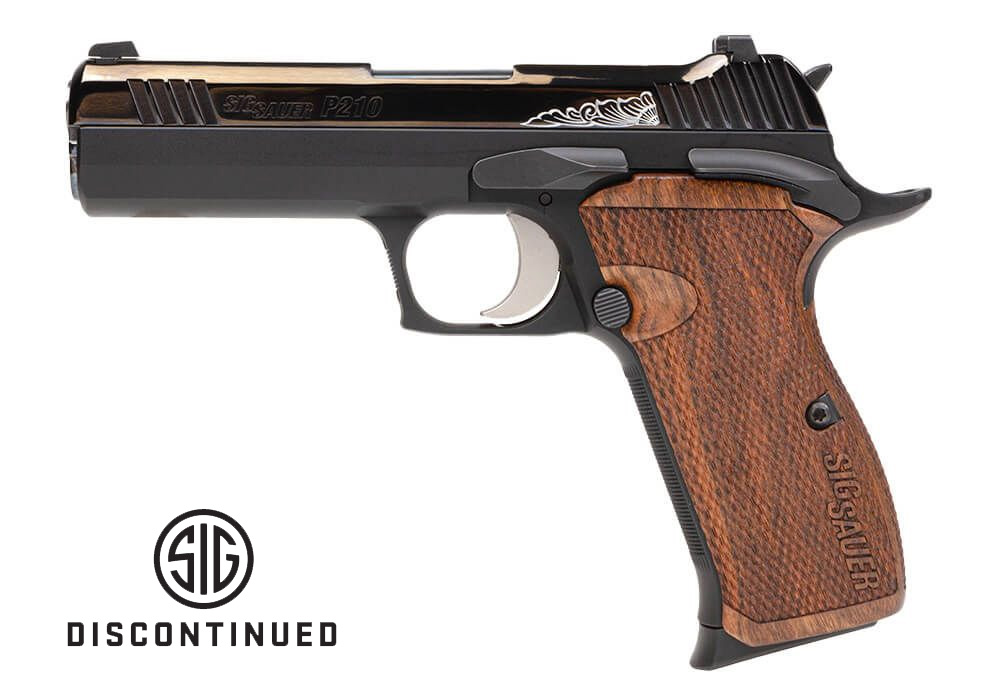
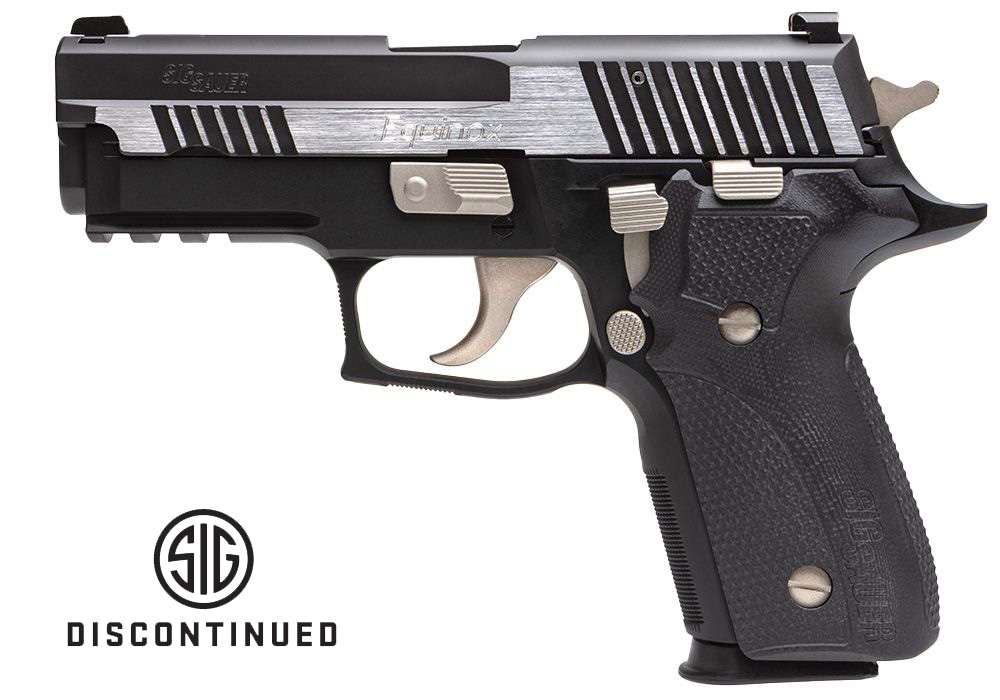
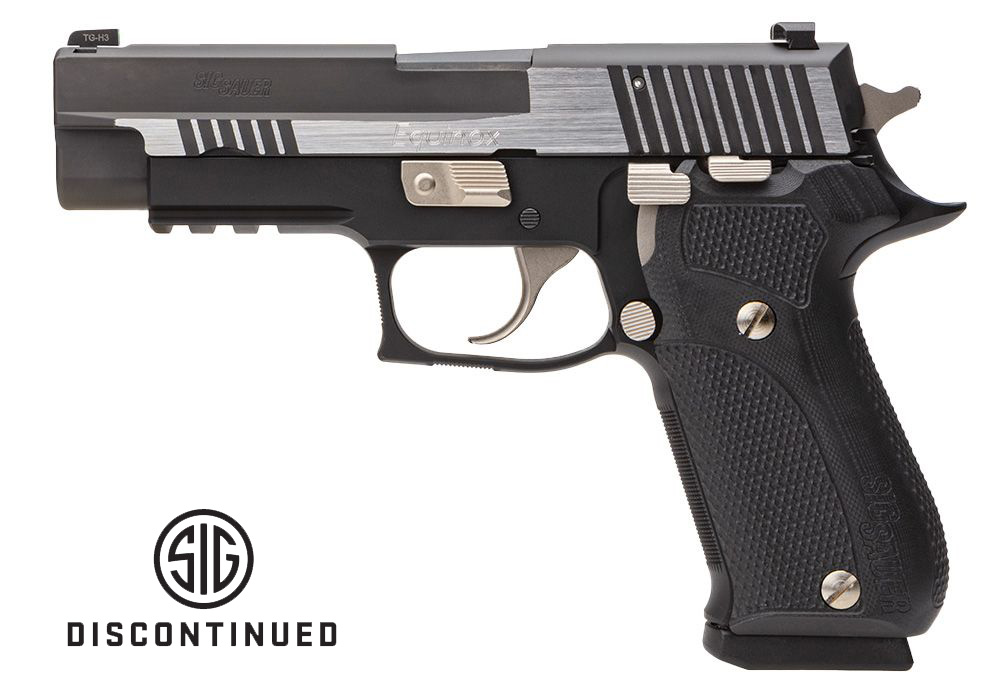
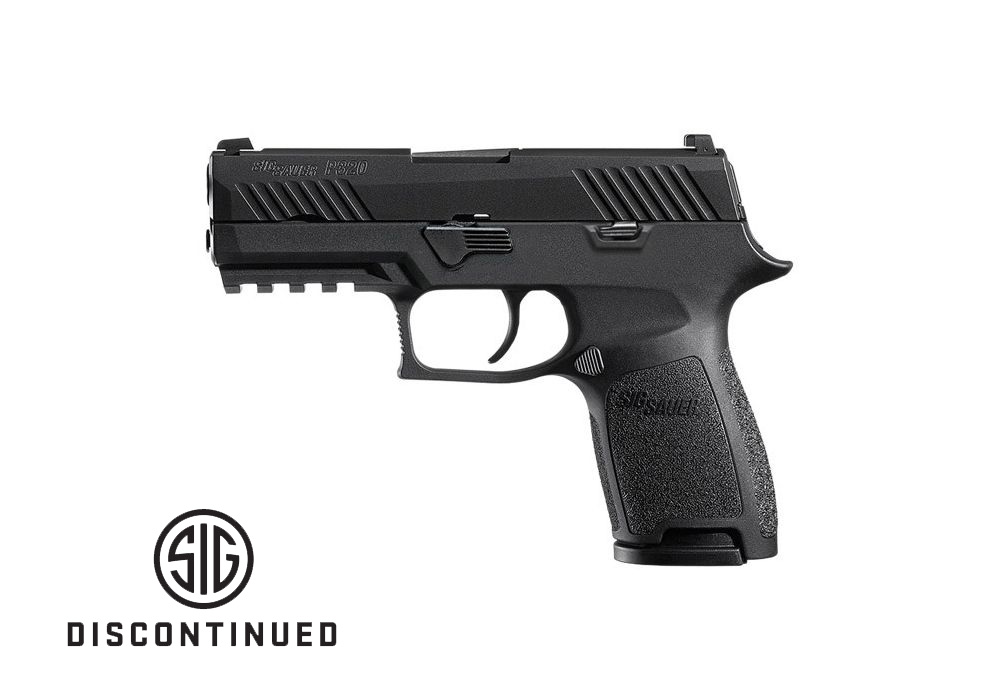
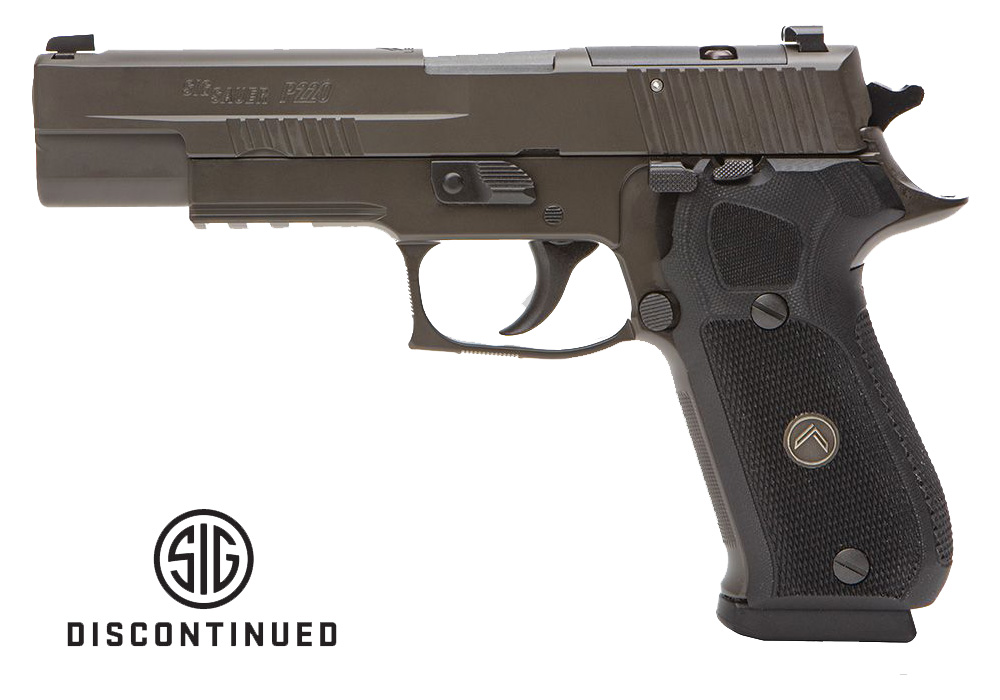
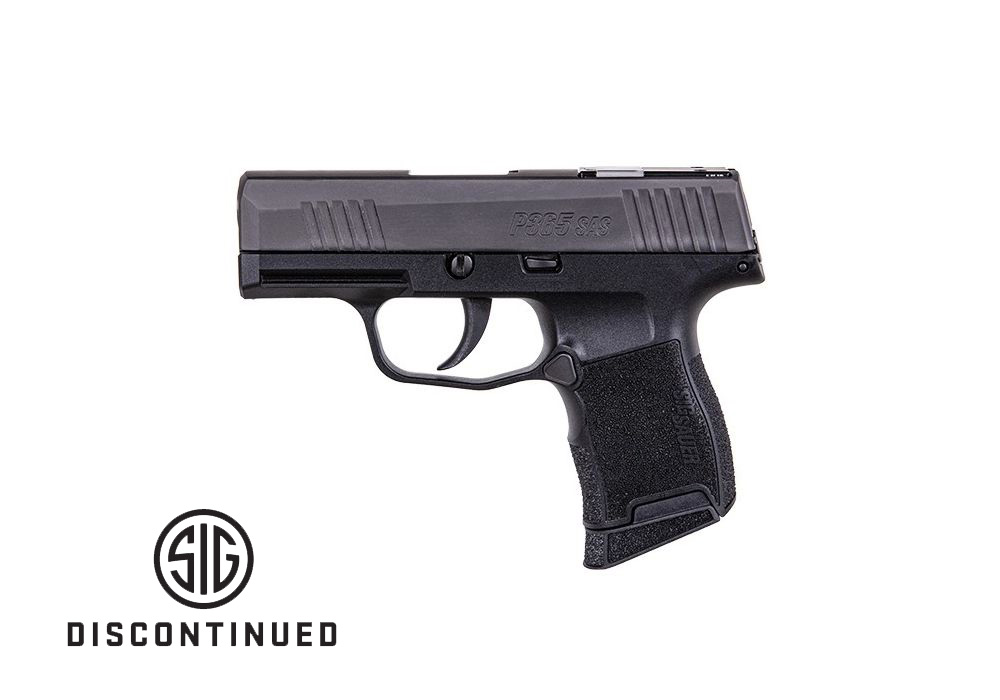
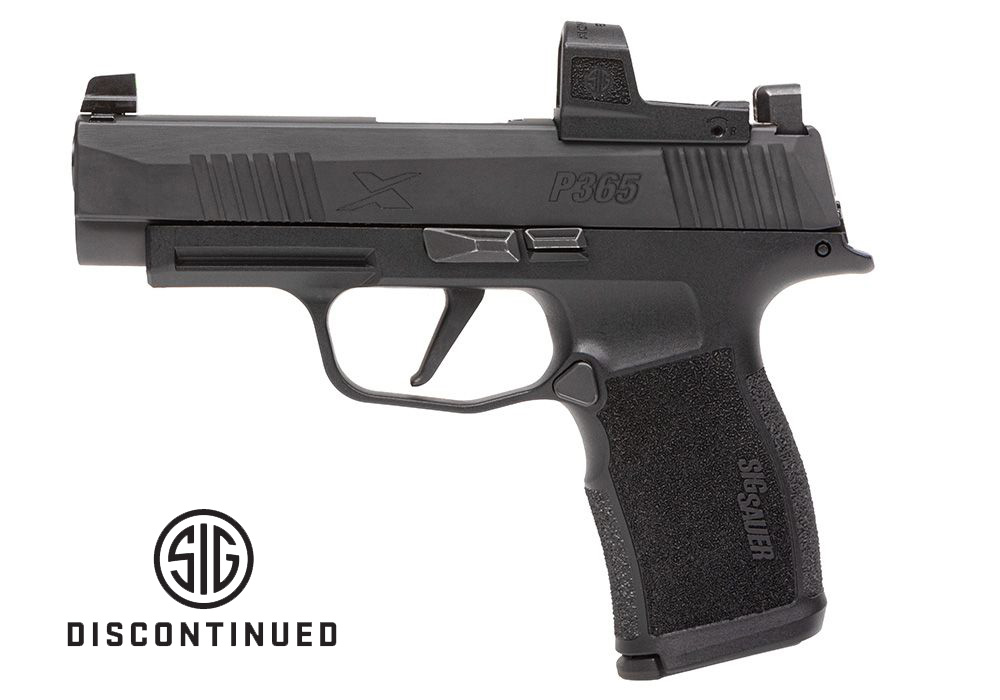
Pistols with manual safety appeal to experienced users who prefer a distinct mechanical control as part of a familiar handgun platform. A manual safety is a user-operated mechanism designed to restrict firing when engaged; its exact function depends on the pistol’s design. It adds a control to the handling process, but it does not replace responsible muzzle direction, trigger discipline, a suitable holster, or secure storage. For someone accustomed to an external safety, the location, shape, and feel of that control can be as important as overall dimensions or trigger characteristics. Frame-mounted and slide-mounted levers have different relationships to the shooting hand, while single-sided and ambidextrous configurations accommodate different preferences. A clearly defined lever position and positive mechanical feel can help an experienced owner assess whether a design suits established habits. The distinction between a manual safety and a decocker also matters: a decocker is designed to lower a cocked hammer through a controlled mechanical process, and not every decocking control also functions as a safety. Depending on the platform, those functions may be separate or combined. Manual safeties appear on striker-fired, single-action hammer-fired, and some double-action/single-action pistols, so the presence of a lever alone does not describe the entire operating system. Trigger behavior, hammer or striker configuration, and the manufacturer’s intended handling requirements remain important differences. Experienced shooters comparing these pistols often value consistency across the firearms they already own, particularly when alternating between recreational range use, organized competition, and lawful personal protection. Familiarity can support confident handling, but similar-looking controls are not necessarily identical in function. Manufacturer documentation remains the authoritative source for understanding a particular configuration. The defining consideration is not simply whether a pistol has an external safety, but whether the complete design matches the owner’s experience, intended use, and commitment to maintaining sound handling practices. That makes control layout and overall fit more meaningful than a feature checklist considered in isolation, especially for someone moving between different handgun designs.
Materials, proportions, and contact surfaces shape how a manual-safety pistol feels over an extended range session or throughout lawful carry. Polymer frames generally keep weight lower, aluminum-alloy frames offer a metal-frame option with less weight than comparable steel construction, and steel frames often appeal to shooters who prefer a more substantial feel. Overall weight still depends on the complete configuration, including slide dimensions, barrel length, and accessories. Steel slides and barrels are common, while surface treatments and protective finishes vary in their resistance to wear and corrosion. No finish eliminates the need for care, particularly where perspiration, handling residue, and routine holster contact affect exposed surfaces. Grip size deserves equally close attention. A narrow frame may suit one hand well while leaving another shooter with an awkward reach to the trigger or safety lever. Grip circumference, backstrap contour, trigger-guard shape, and texturing all contribute to comfort; no single measurement captures the whole fit. During a supervised fit assessment, pressure at the base of the thumb or a rough edge against the palm can reveal more than a specification sheet. Ambidextrous controls may be useful for left-handed owners or people who value access from either side, although lever dimensions should still suit the hand and holster. Compact and subcompact pistols emphasize smaller dimensions, while full-size configurations generally provide more gripping surface and a longer sight radius when using iron sights. A shorter slide does not necessarily mean a shorter grip, so concealment considerations extend beyond barrel length. For range-focused use, a fuller grip and additional weight may be welcome; for lawful concealed carry, comfort, clothing compatibility, and secure retention become more prominent. Holster fit is especially important around an external safety. A suitable holster fully covers the trigger guard, retains the pistol securely, and accommodates its controls without unwanted pressure. Sight visibility and compatibility with approved accessories are further considerations, but neither accessory fit nor control clearance should be assumed across different configurations.
Long-term ownership brings maintenance, mechanical condition, and consistent equipment choices into the comparison. A manual safety should retain the function and feel described by the manufacturer, and changes such as unusual looseness, binding, or an indistinct position warrant assessment by a qualified professional. Routine cleaning and lubrication should follow the owner’s manual, using compatible care products and the specified maintenance intervals rather than assumptions carried over from a different handgun. Grip panels, textured frame surfaces, slide serrations, and the areas around external controls can collect residue through ordinary use. Attention to those surfaces helps preserve usability without relying on harsh treatments or unapproved alterations. Durability is best considered as a combination of material selection, finish quality, mechanical condition, and ongoing care—not simply the apparent heft of the pistol. Holsters also deserve periodic inspection because wear, deformation, or changes in fit can affect how they interact with the trigger guard and safety lever. For experienced owners who participate in formal instruction, equipment consistency can make it easier to focus on the course rather than adapt to unfamiliar controls. The related selection of Pistols With Manual Safety for Tactical Training offers another context for considering this control preference alongside the requirements of supervised training. Course rules, holster standards, and instructor expectations may influence which general configuration is appropriate. Beyond the range, secure storage remains essential, including measures that prevent access by children and unauthorized users. An external safety is not a substitute for a locking storage solution. Experienced ownership also involves recognizing when a familiar platform no longer fits the intended role, whether that means a different grip size, a more suitable control layout, or professional evaluation of worn components. The strongest fit is a pistol whose dimensions, materials, safety configuration, and care requirements work together for its owner. A preference for manual safety is one part of that decision, supported by an understanding of the complete firearm and the responsibilities that accompany it.