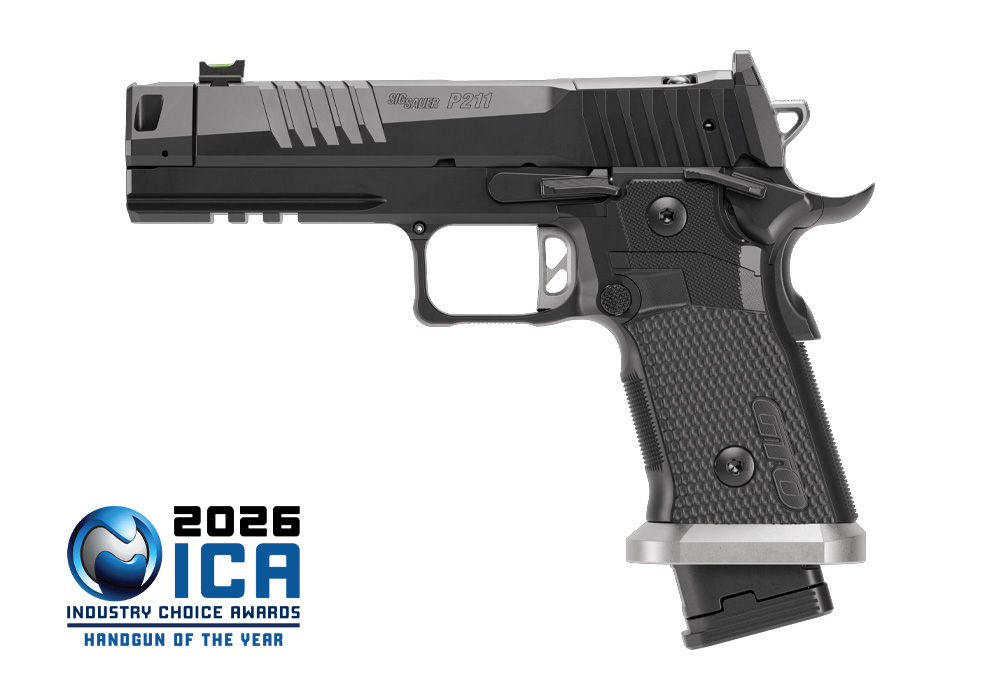
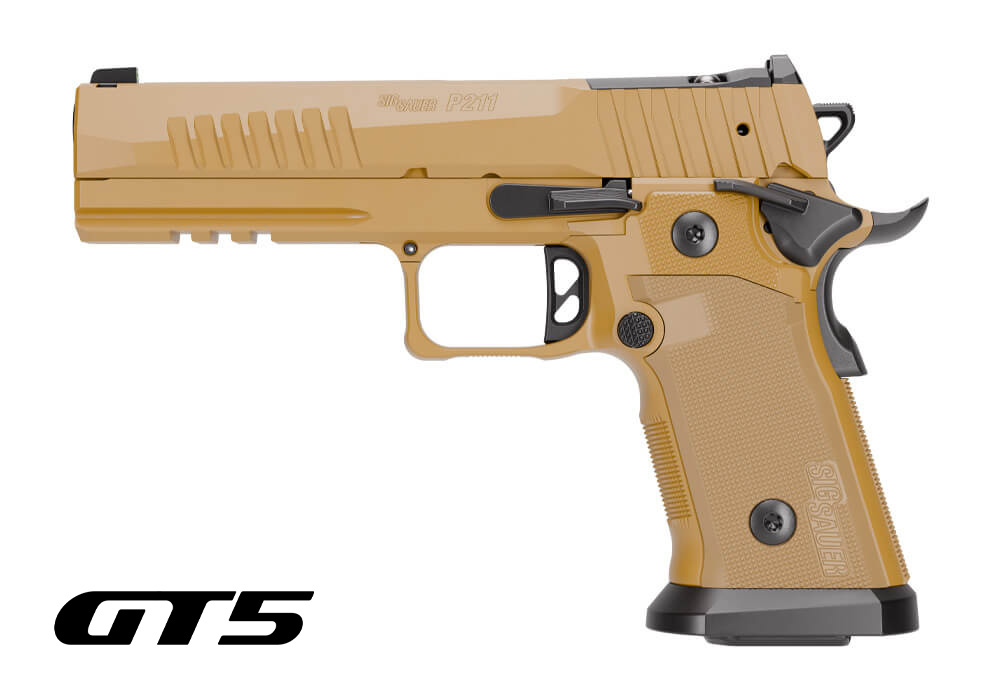
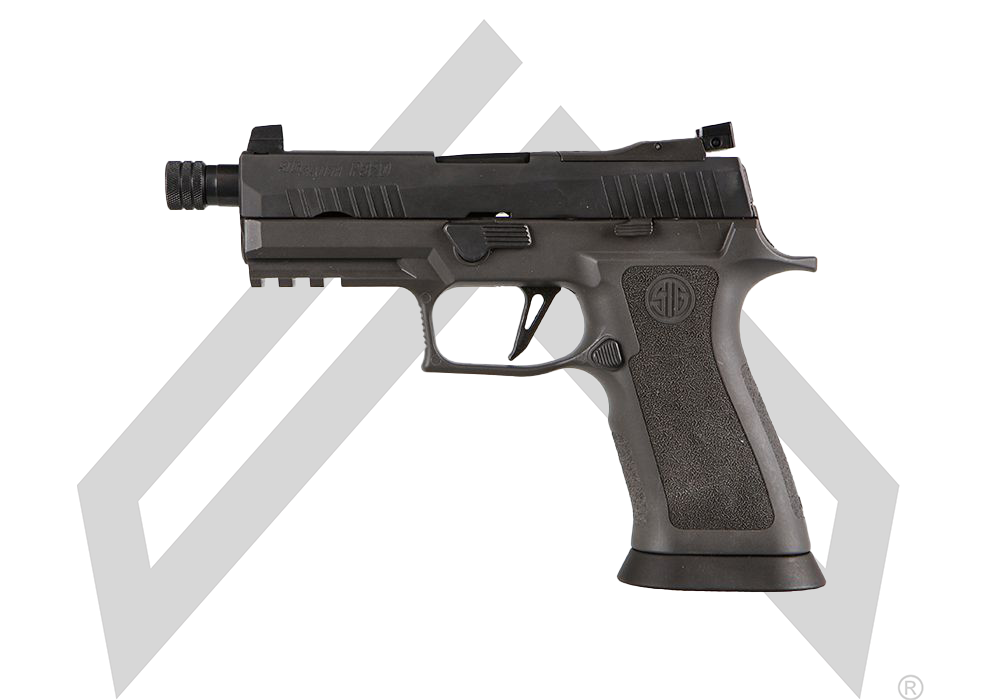
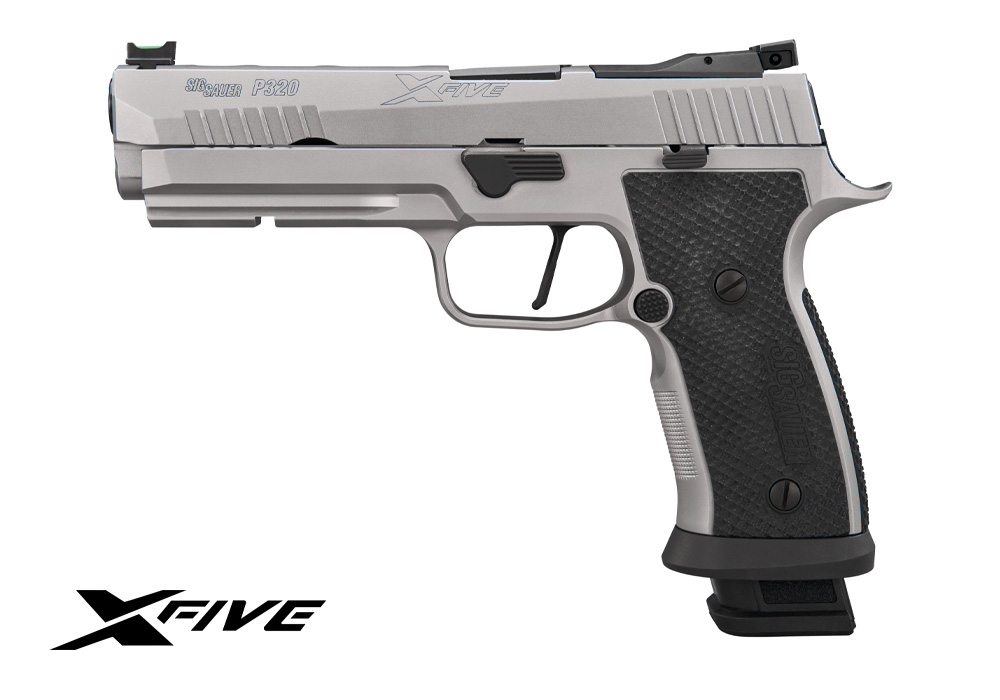
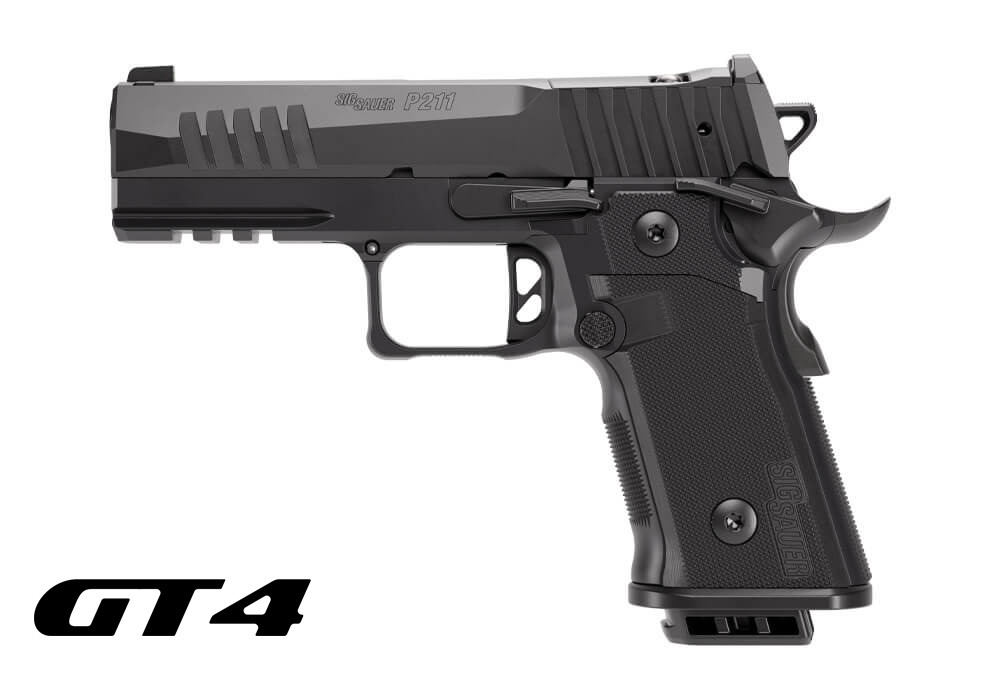
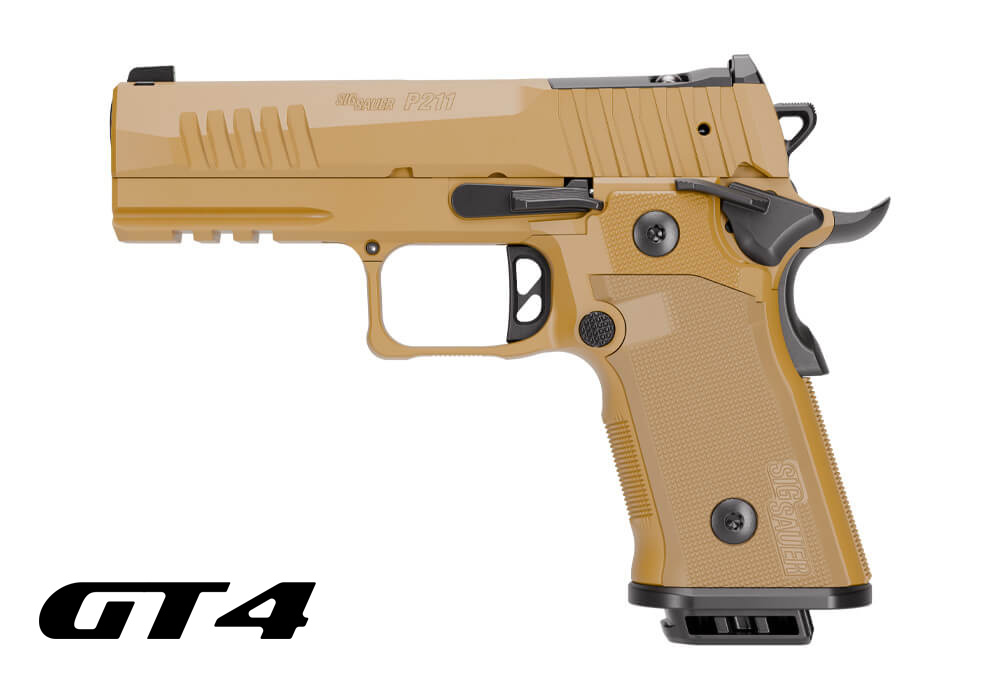
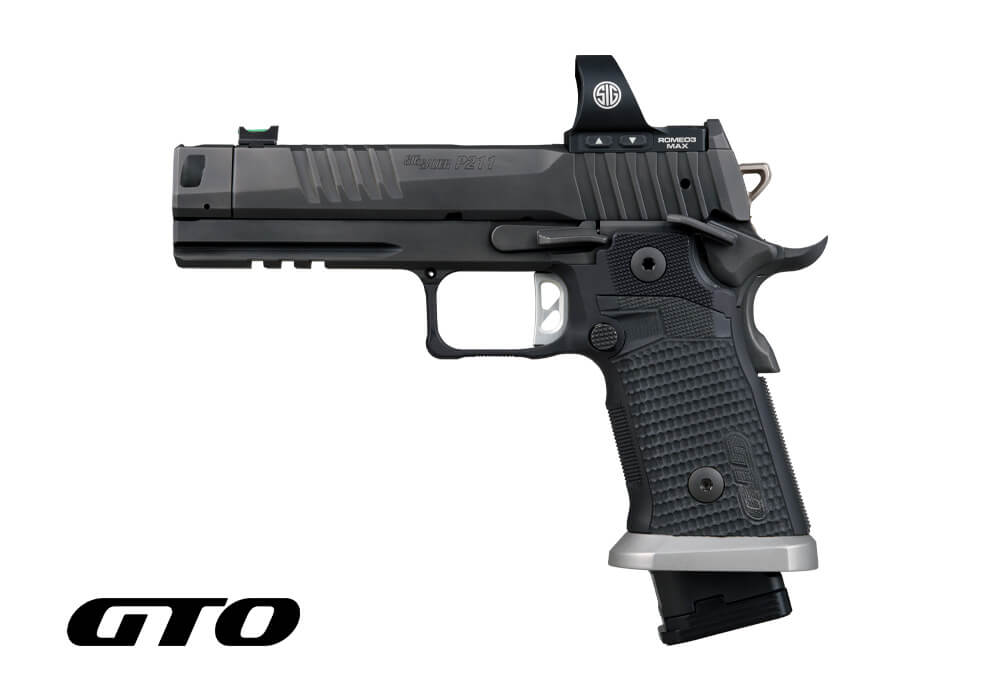
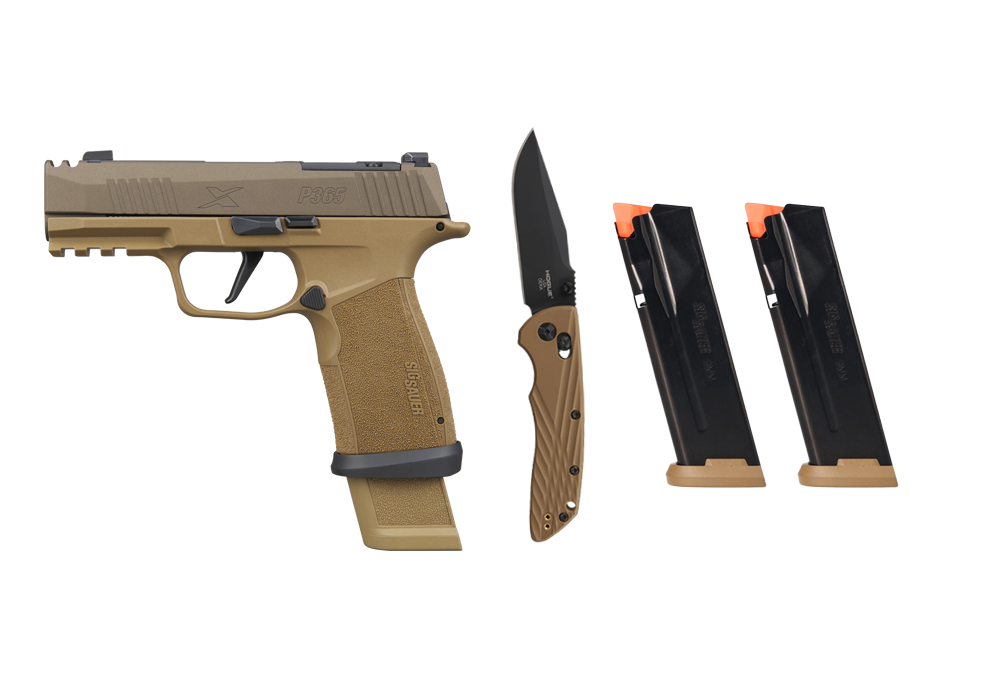
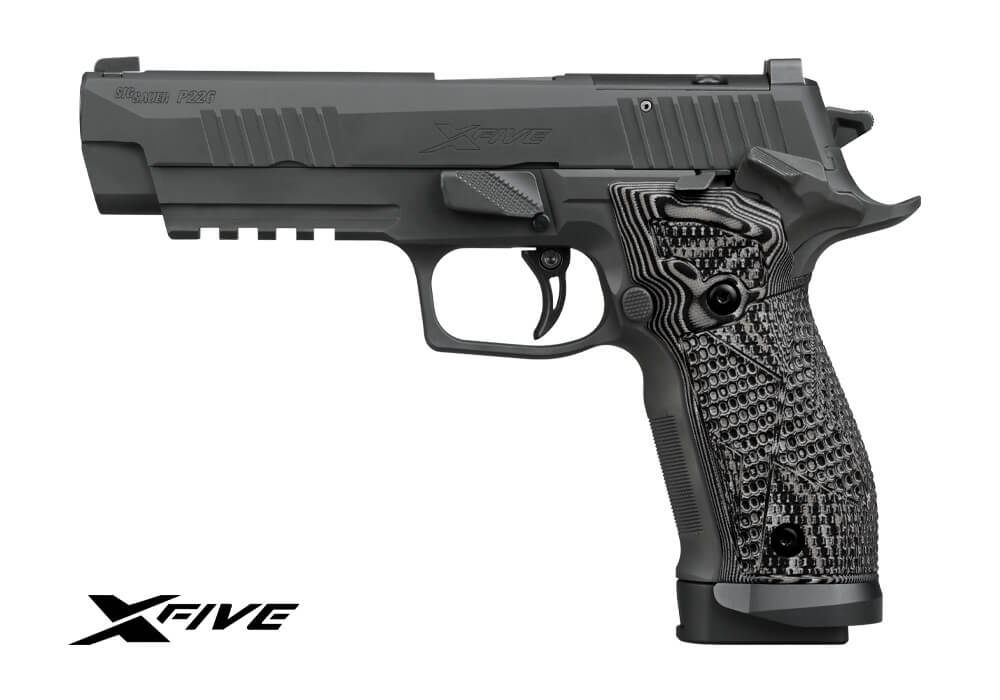
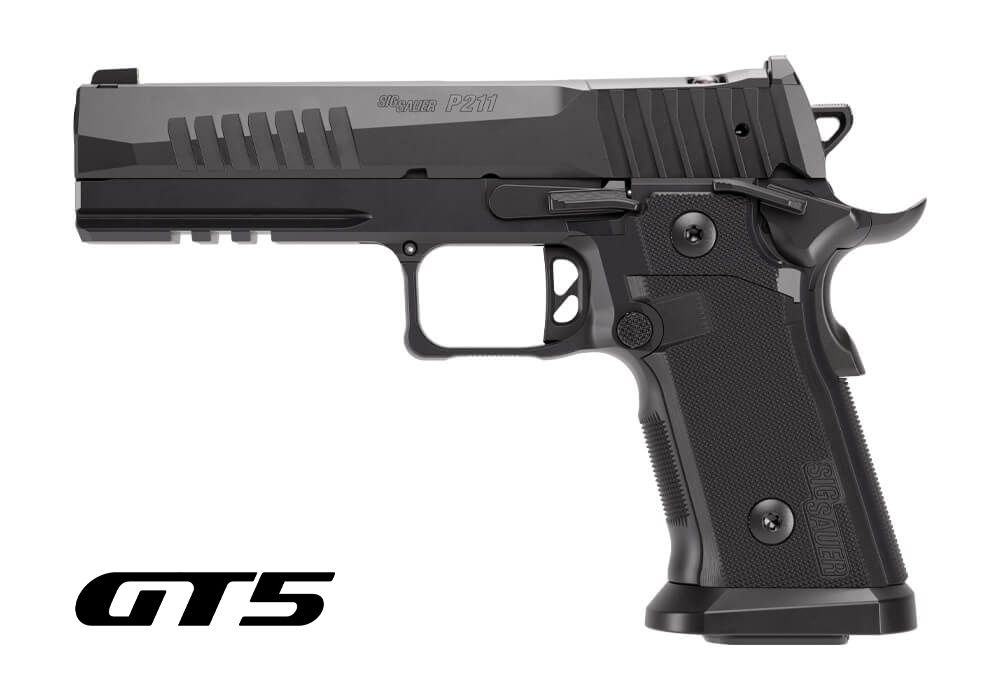
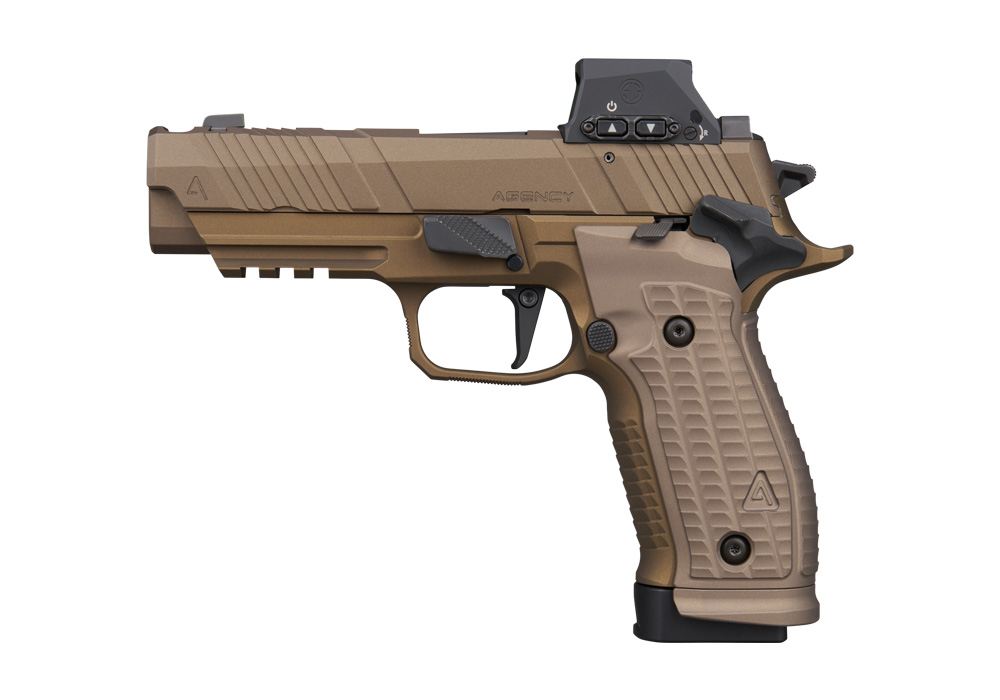
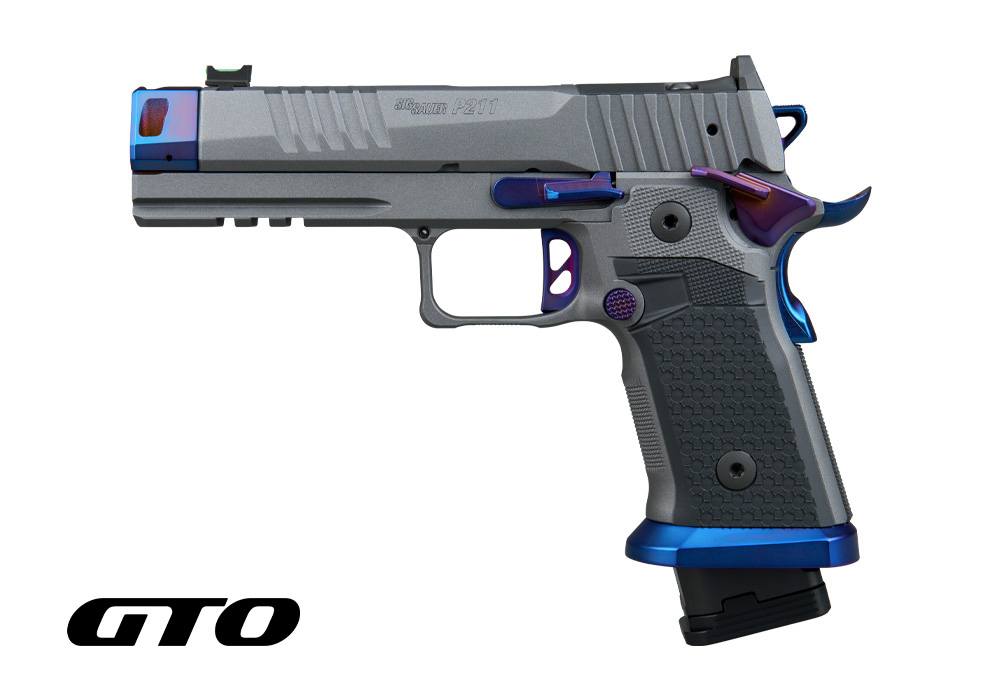
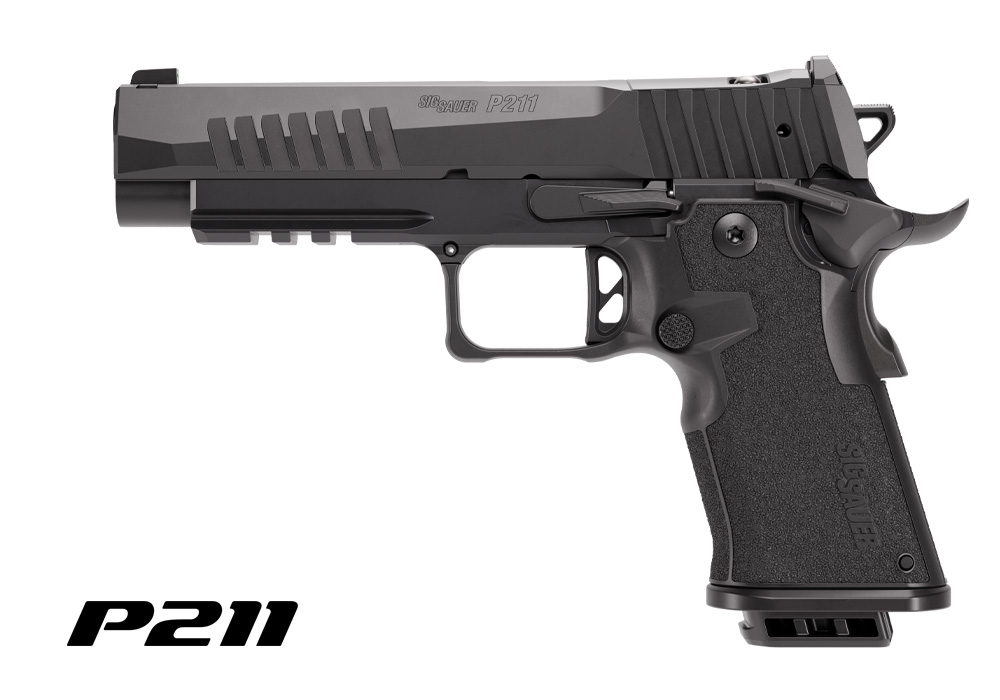
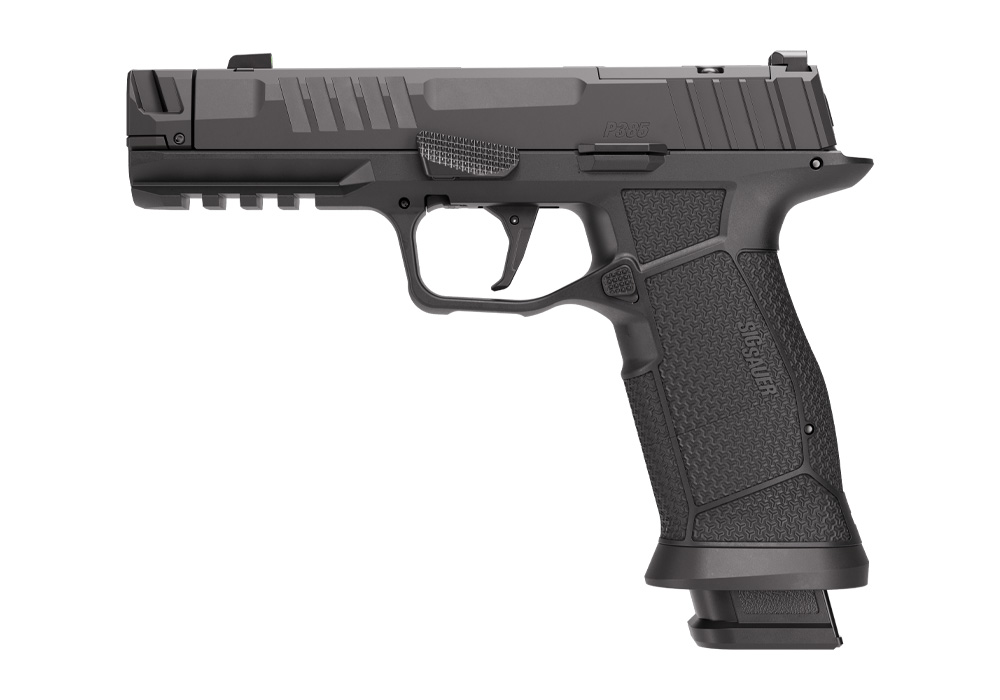
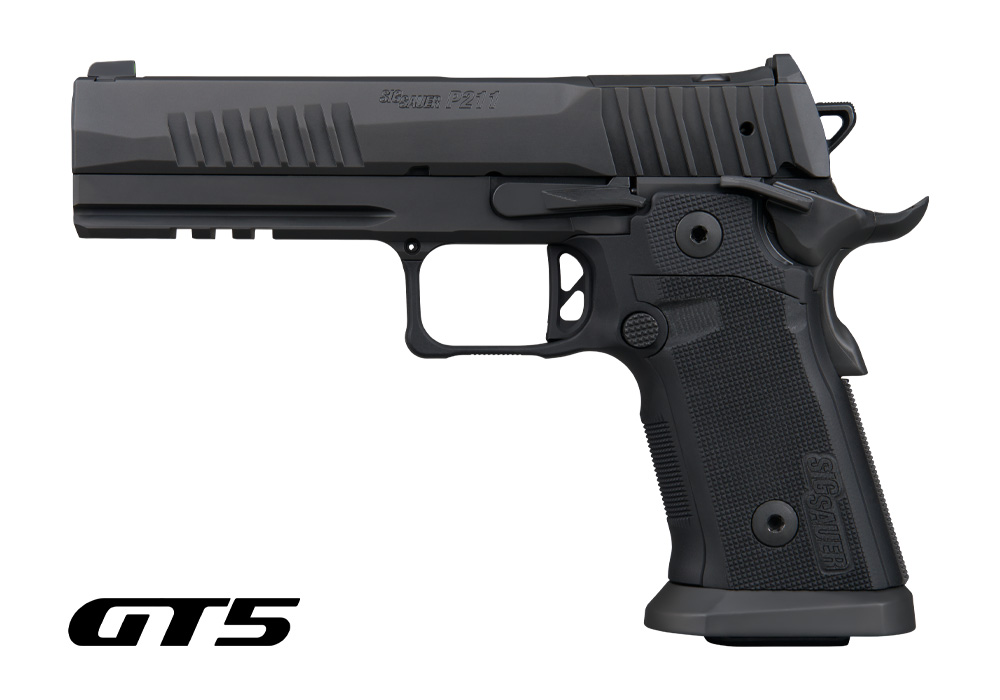
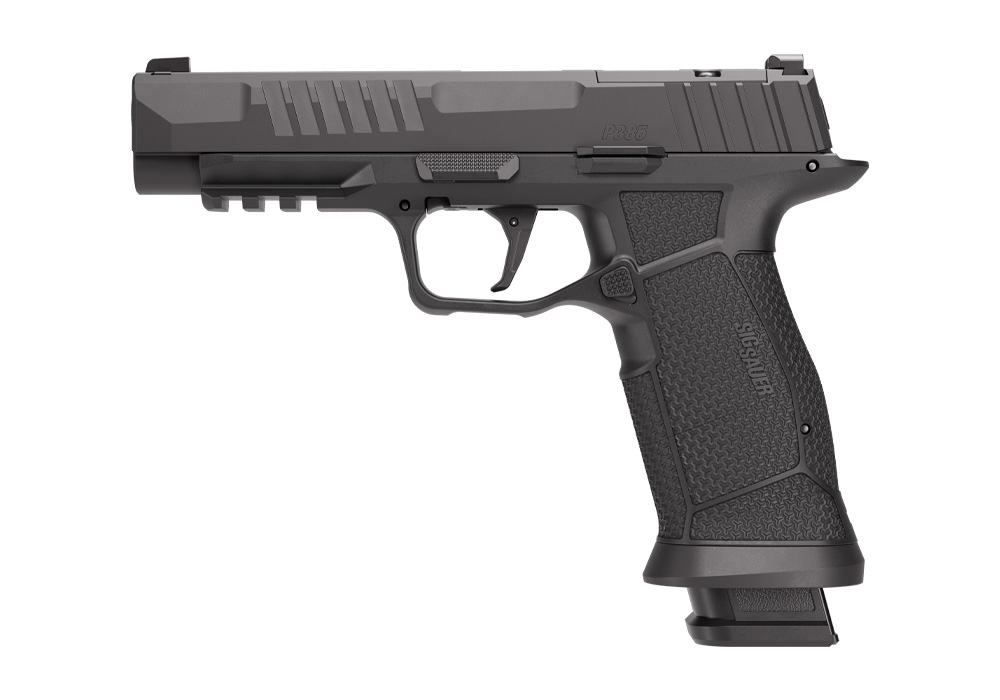
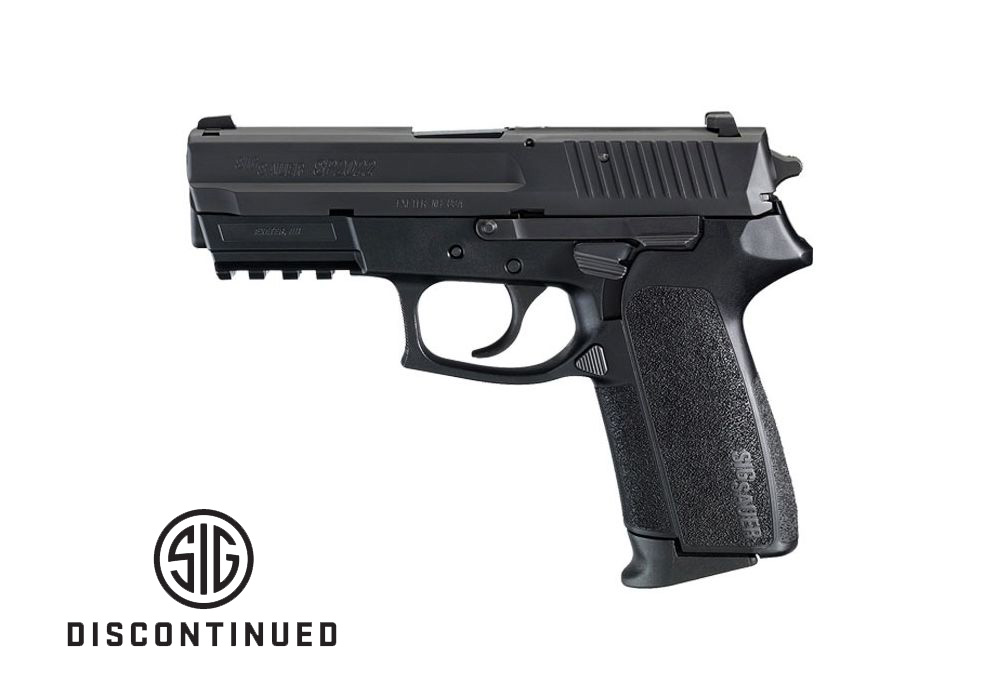
Handguns with tactical frame design are built around practical features that support a secure, adaptable shooting platform. Instead of treating the frame as a simple housing for the controls, these handguns often incorporate an integrated accessory rail, pronounced grip texturing, interchangeable backstraps, and carefully shaped contours that help the shooter maintain a consistent hold. A MIL-STD-1913 Picatinny rail beneath the dust cover can provide a mounting point for compatible weapon lights or lasers, while an undercut trigger guard and textured thumb ledges may help position the hand naturally during extended practice. Some frames use a reinforced polymer construction with steel inserts, while others are paired with an internal metal control chassis that supports modularity and a durable interface for the fire-control components. The result is a handgun intended to remain manageable when conditions are less than ideal, whether that means a damp range session, cold-weather practice with gloves, or a demanding duty-oriented training course. Frame design also influences balance, reach, and felt recoil, so details that look subtle in photographs can become important once the handgun is in hand. A deeper beavertail may help protect against slide bite and encourage a higher grip, while interchangeable backstraps can let different shooters tailor the trigger reach to their hand size. Some users prefer a compact frame that is easier to carry and maneuver, while others favor a full-size configuration with a longer grip and more room for a support-hand purchase. When comparing these options, shoppers can explore related construction details through the Handgun Frames selection and then consider how each design fits its intended role, training habits, and local requirements.
The right tactical frame design depends on how the handgun will be carried, practiced with, and stored. A concealed carrier may place a premium on a streamlined frame, rounded edges, a compact grip, and a texture that offers control without creating unnecessary friction against clothing. A home-defense user may value a full-length accessory rail for a compatible weapon light, allowing the handgun to be identified and handled more confidently in low-light conditions without relying on a handheld flashlight alone. A professional who trains with gloves may look for pronounced grip panels, an enlarged or reversible magazine release, and slide serrations or controls that remain accessible when dexterity is reduced. Shooters who spend time at an outdoor range during the cooler months often appreciate a frame that provides a stable purchase even when hands are chilled or lightly gloved. Caliber is another practical consideration. A common service caliber may offer a broad selection of training ammunition and defensive loads, while a larger caliber can bring different recoil and grip-management demands. The frame should complement that choice rather than fight it; a well-shaped grip, appropriate bore axis, and carefully distributed weight can make repeated practice more comfortable. Magazine format matters as well, and shoppers should review whether a handgun uses standard or extended capacity magazines, how those magazines fit the grip, and whether compliant options are available for their jurisdiction. Controls deserve the same attention. Some designs include a manual safety, while others rely on a consistent trigger system and internal safeties. Neither approach replaces safe handling, and every purchaser should become familiar with the specific operating system before loading the handgun. It is also wise to confirm that magazines, holsters, lights, replacement backstraps, and other accessories are compatible with the exact frame and generation, since small dimensional changes can affect fit.
Tactical frame handguns can serve a range of lawful purposes, from structured target practice and competition to duty use, personal protection, and responsible home storage. They may also be considered as a gift for an experienced adult shooter, but firearms should never be presented casually or transferred without confirming the recipient’s eligibility, preferences, and all applicable laws. A thoughtful purchaser will account for hand size, prior training, storage arrangements, and the recipient’s intended use rather than choosing based only on appearance. For a first-time owner, professional instruction and supervised range time are especially valuable. Practice should begin with the fundamentals: keeping the muzzle pointed in a safe direction, keeping the trigger finger outside the trigger guard until ready to fire, identifying the target and what lies beyond it, and learning how to unload, inspect, and safely store the handgun. A locked container, separate ammunition storage when appropriate, and access controls help prevent unauthorized handling. Owners who intend to use a weapon light, laser, red dot optic, suppressor, or threaded-barrel setup should train with the complete configuration, because added equipment can alter balance, holster fit, controls, and point of aim. Not every tactical frame supports every accessory, and a threaded barrel or optic-ready slide may require additional components beyond the frame itself. Before making a purchase, review the manufacturer’s specifications for rail dimensions, grip modules, safety configuration, magazine compatibility, frame material, trigger reach, and available replacement parts. Confirm that the handgun fits the intended holster and that the shooter can reach the controls without shifting the firing grip. With the right combination of frame geometry, accessory compatibility, reliable storage, and consistent training, a tactical-design handgun can become a practical and familiar tool rather than equipment chosen solely for its appearance.