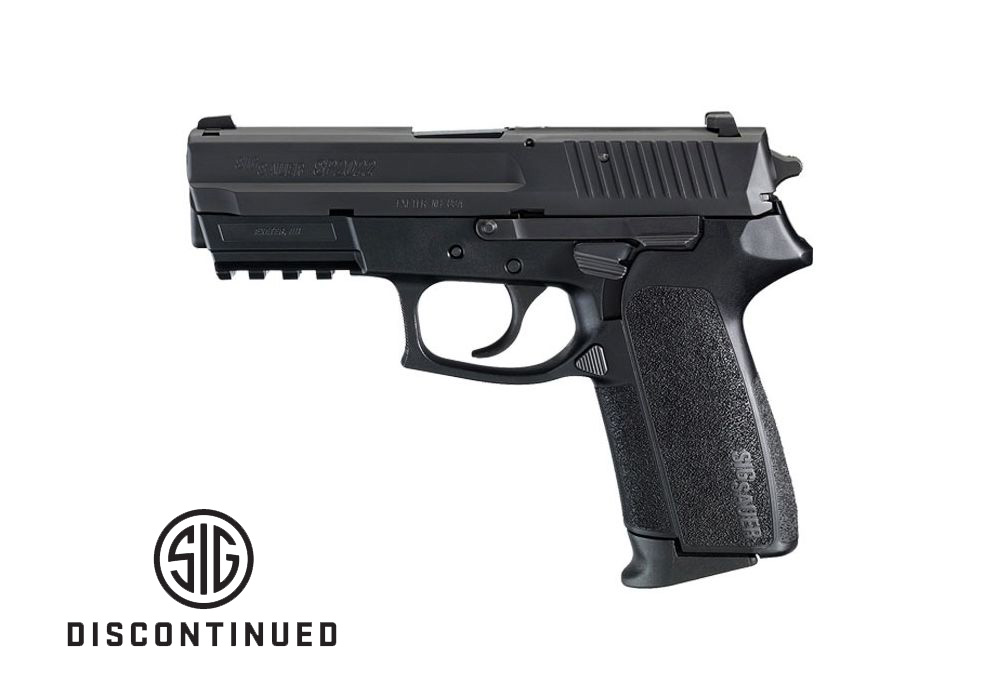
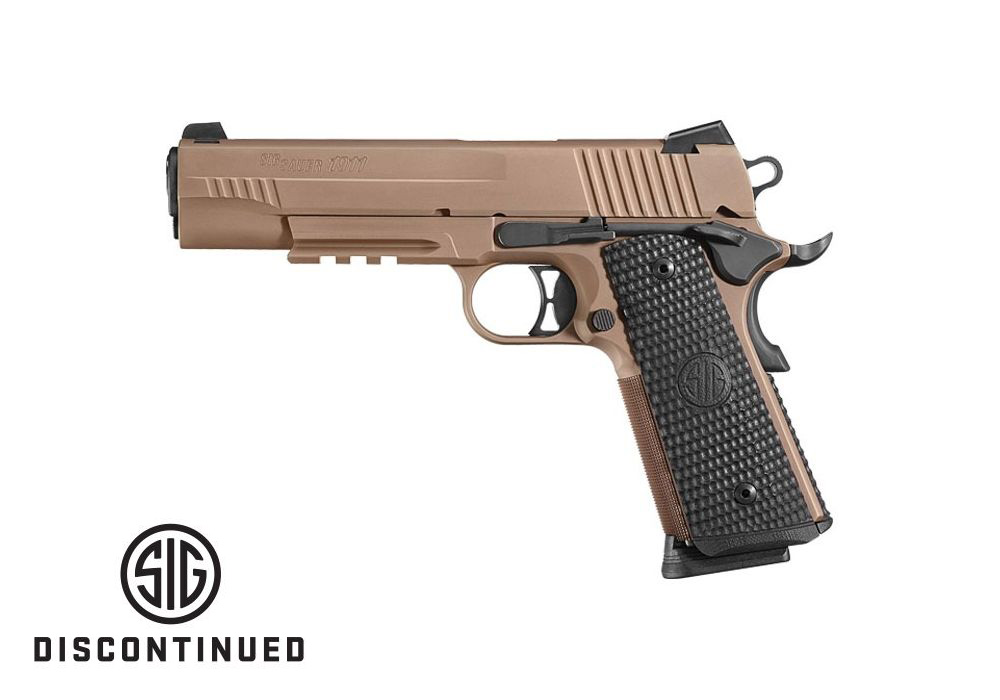
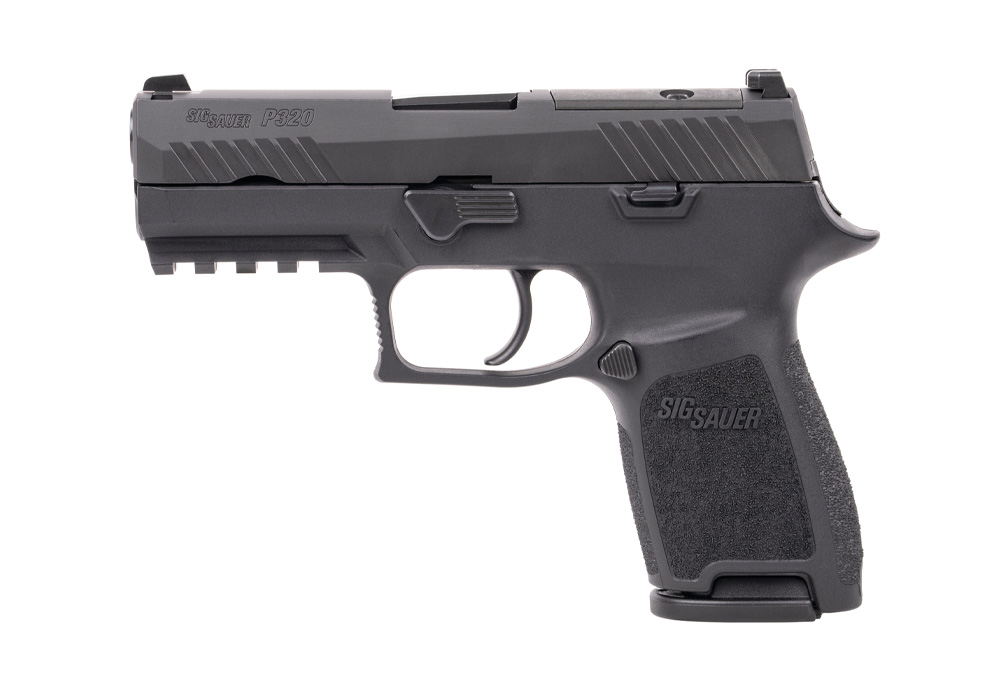
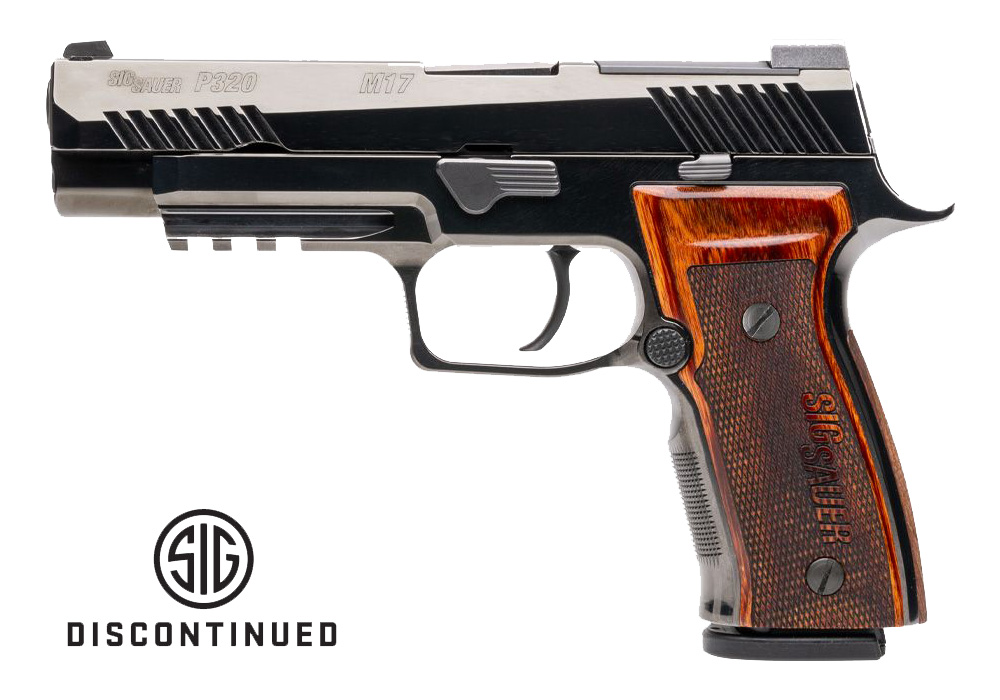
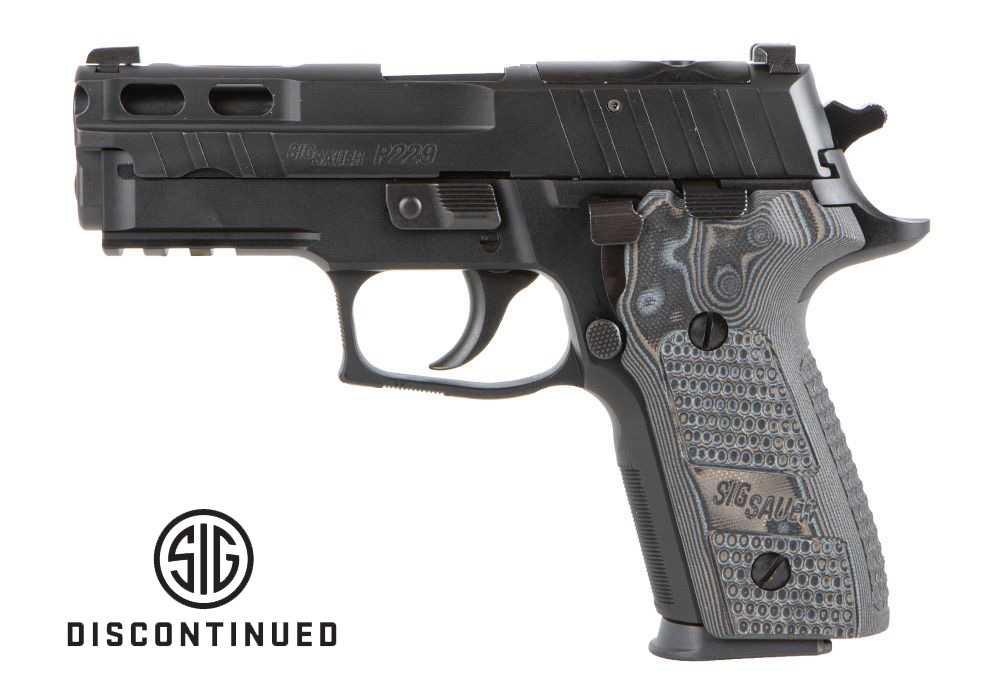
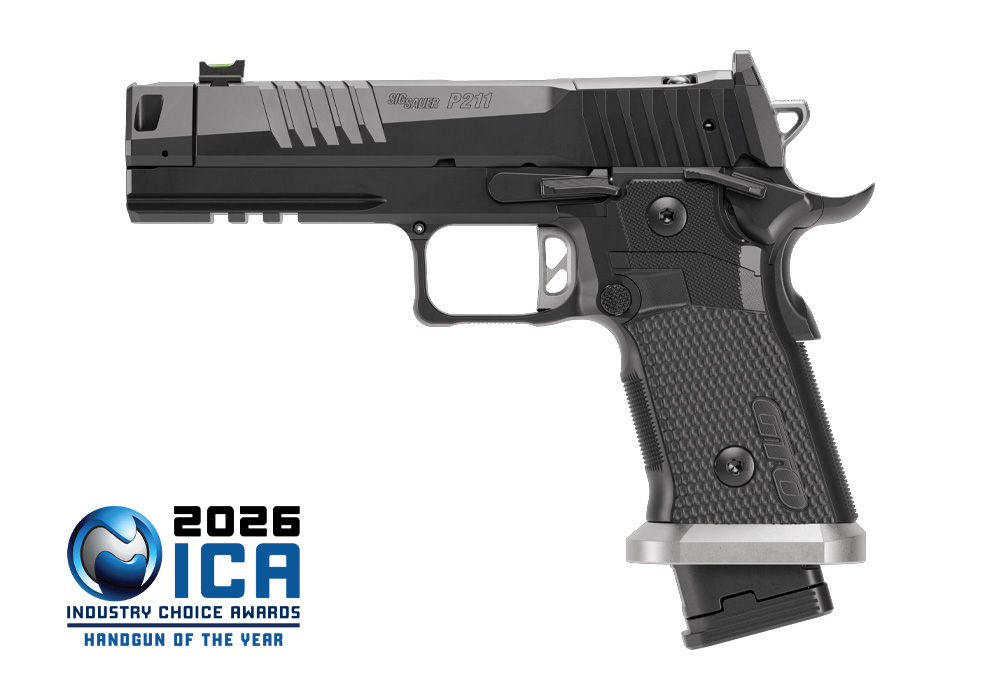
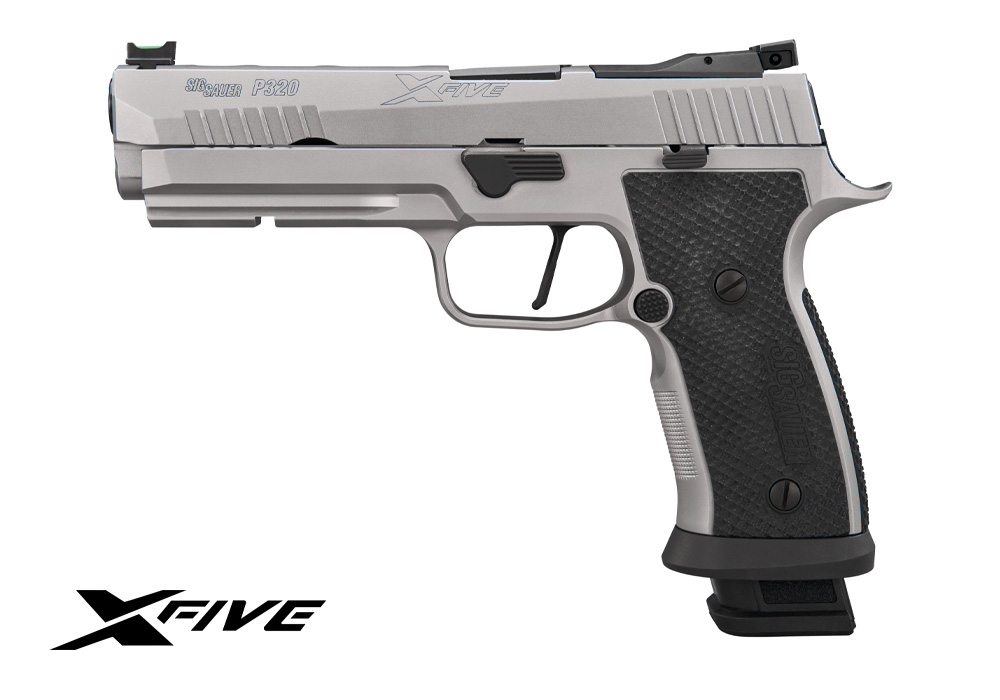
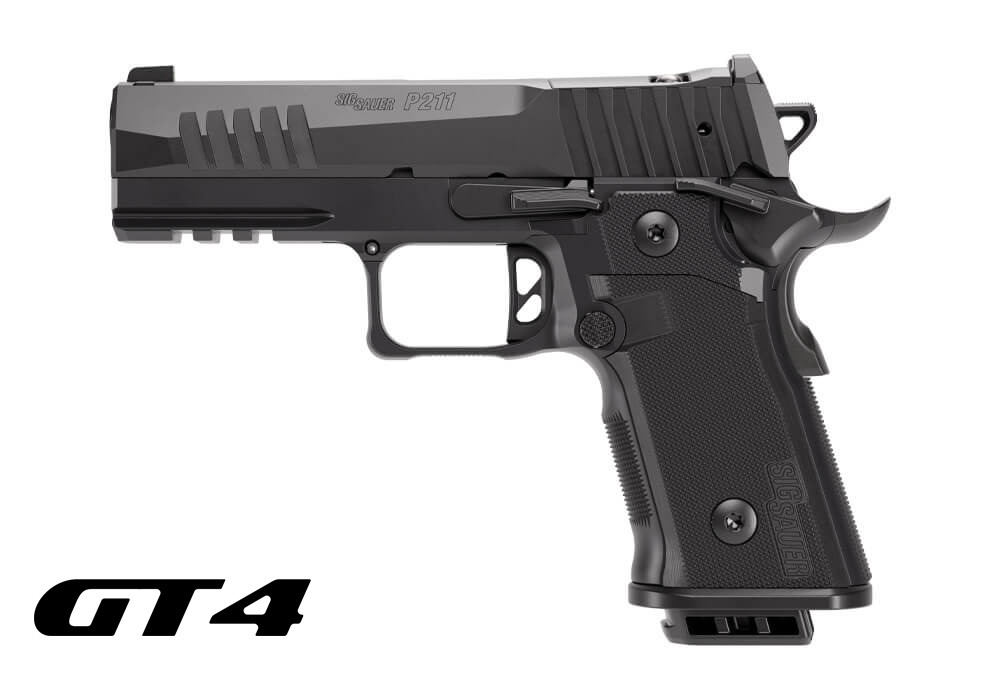
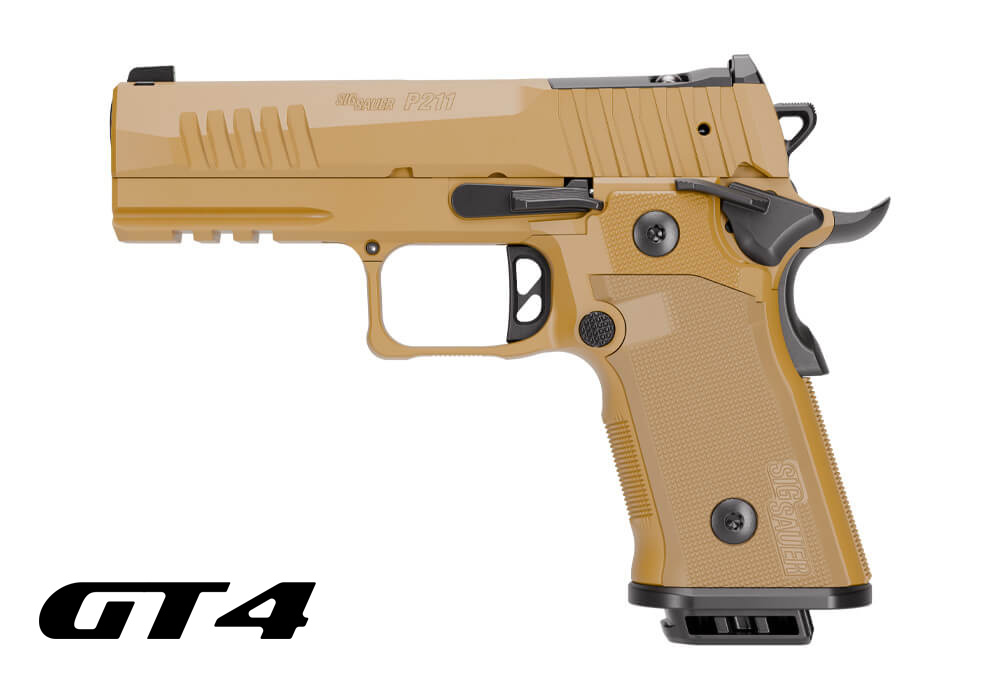
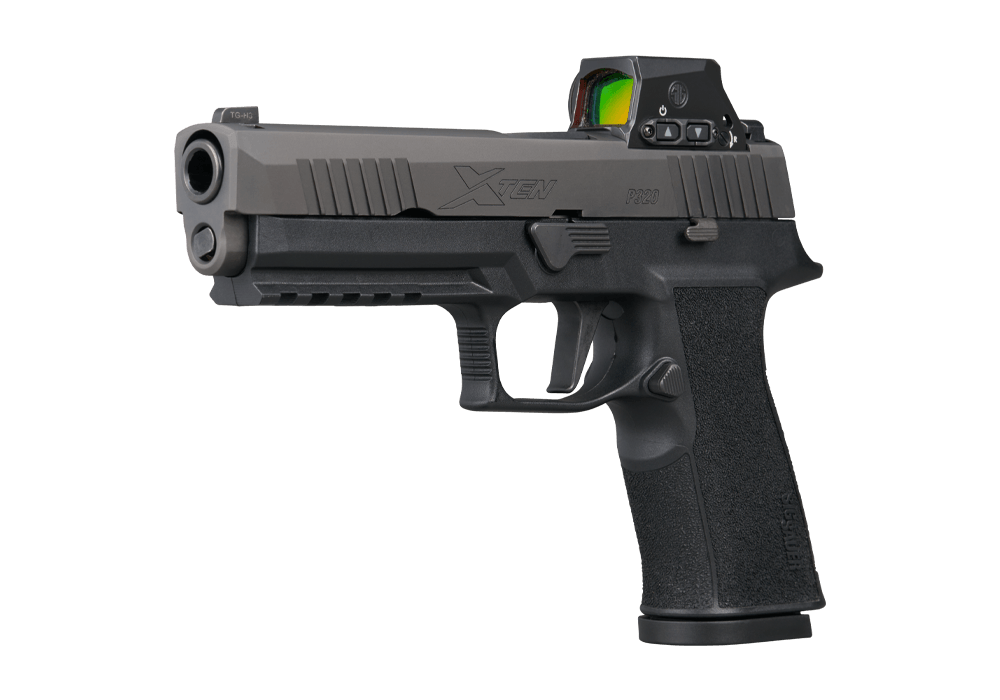
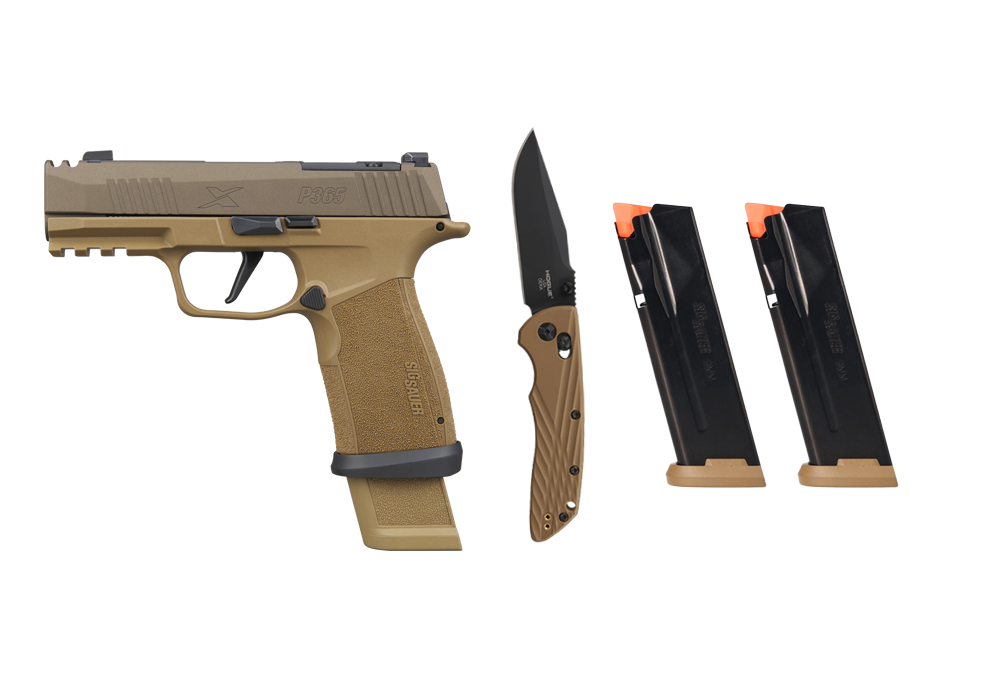
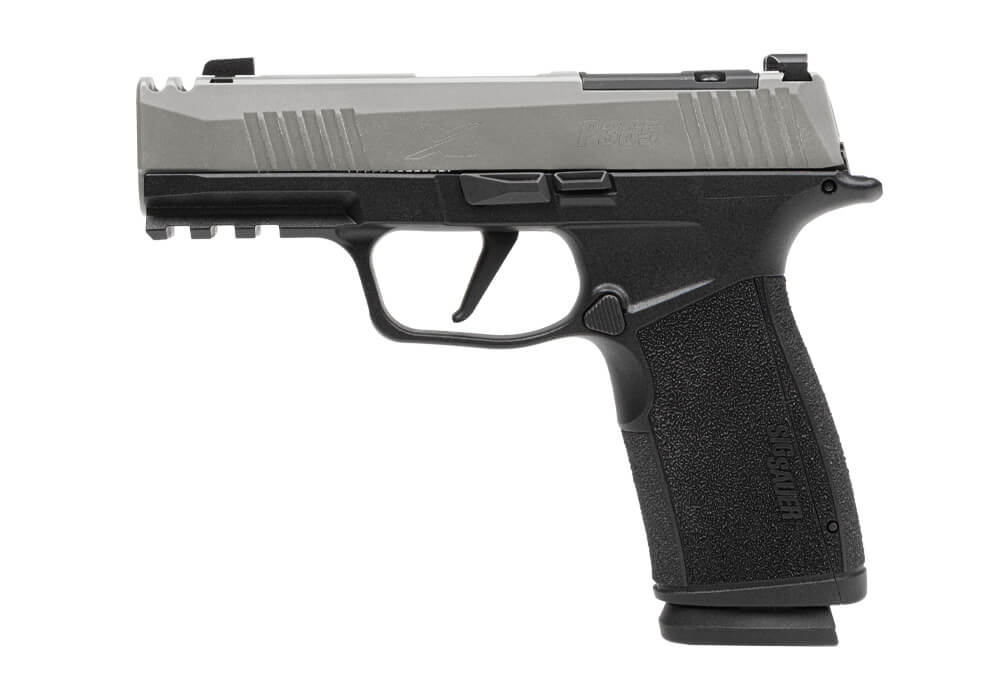
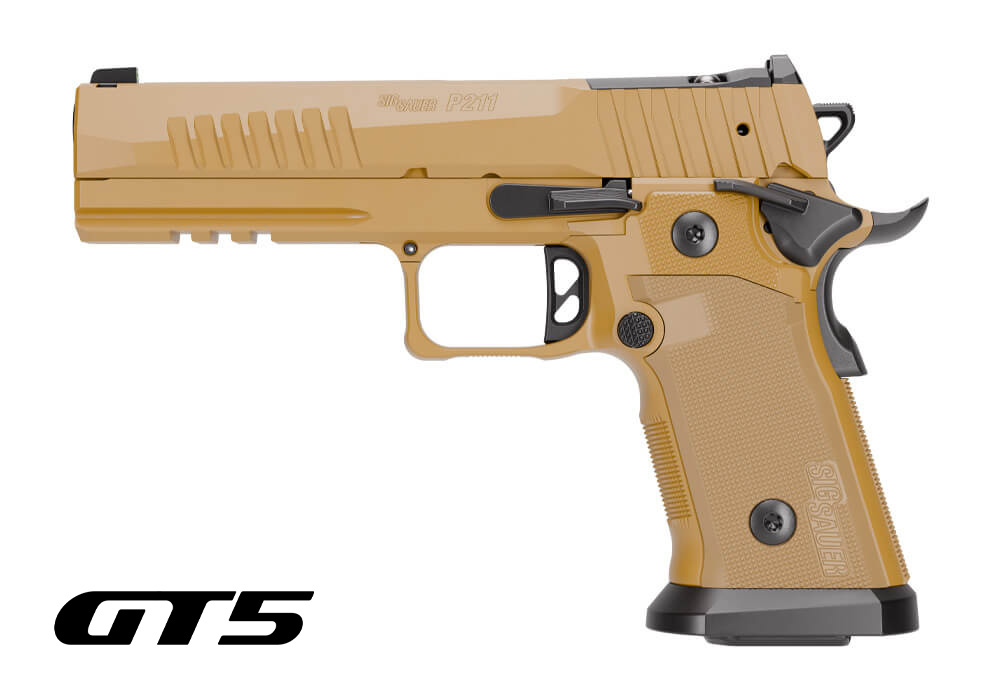
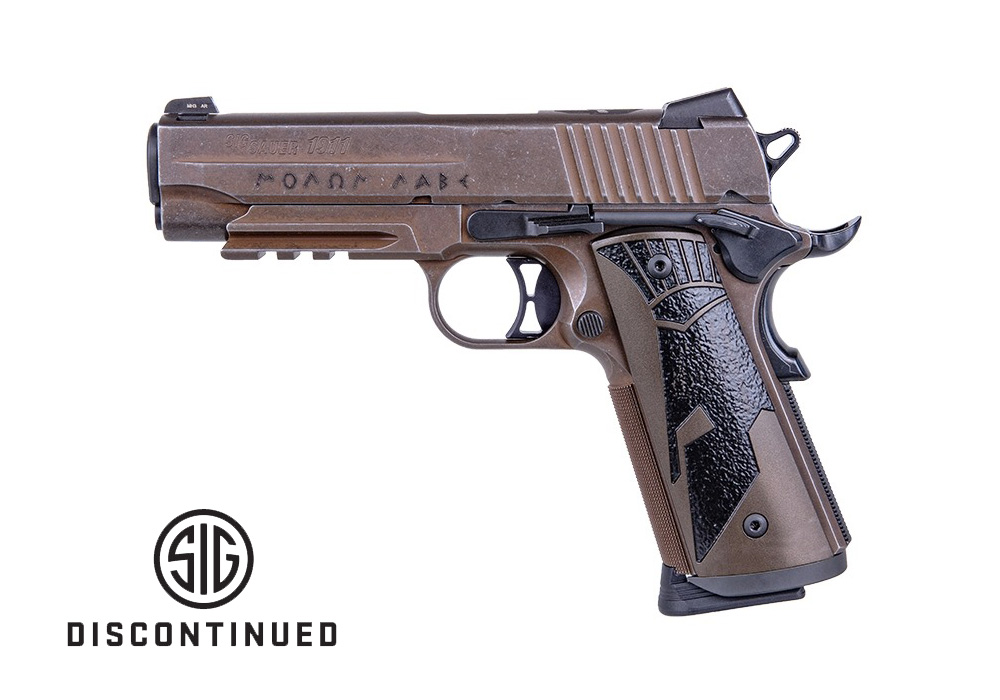
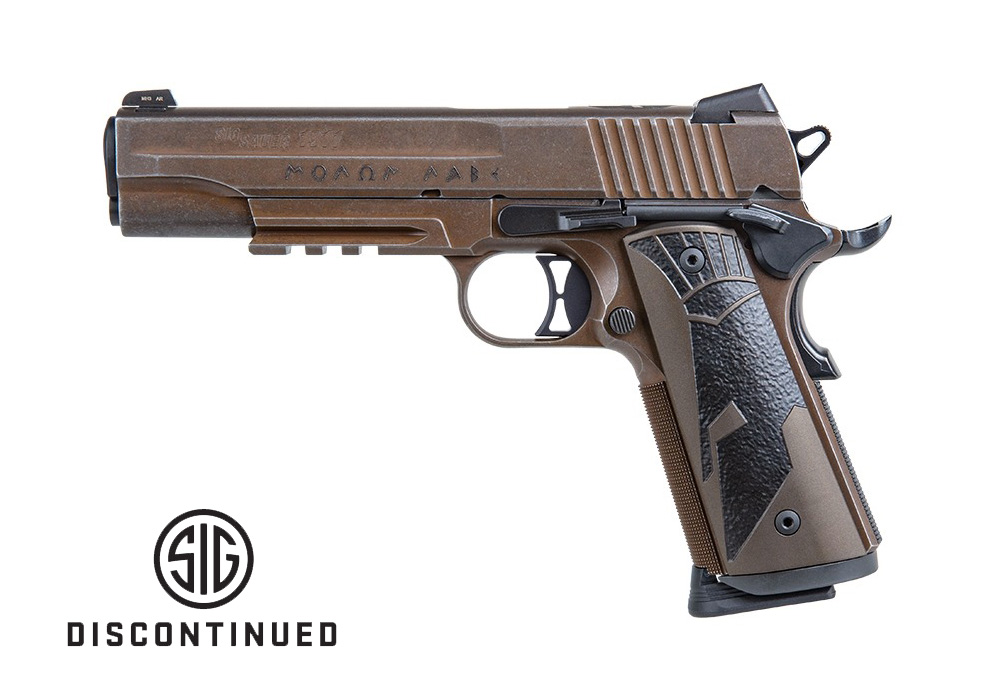
Handguns with tactical rails are designed with an accessory mounting point beneath the barrel, giving owners a practical way to configure a pistol for different environments and training goals. Often built around a Picatinny-style or universal accessory rail, these handguns can accept compatible equipment such as weapon-mounted lights and, where lawful and appropriate, aiming lasers. The rail is integrated into the frame rather than added as a separate component, which creates a clean, secure platform while preserving the handgun’s familiar balance and controls. For many owners, the primary benefit is the ability to pair a defensive handgun with a dependable light that supports positive target identification in dim areas. A mounted light may be useful around a home during a power outage, in a parking structure, or on a range during low-light practice, but it should never replace safe handling, sound judgment, or a handheld light used for general illumination. Before choosing a handgun with a tactical rail, consider the intended role, overall size, grip shape, operating system, sight configuration, and the type of ammunition recommended by the manufacturer. Full-size models generally provide a longer sight radius and a generous gripping surface, while compact and subcompact configurations may be easier to carry or store. Regardless of size, the controls should be accessible without shifting the firing grip, and the unloaded handgun should feel natural when presented from a safe, controlled position. Reviewing local laws and regulations is an essential part of responsible ownership, particularly when purchasing accessories or carrying a handgun outside the home.
Selection also depends on how the rail and accessory will work together. Not every light or laser fits every rail, and even compatible equipment can differ in dimensions, activation method, brightness, battery type, and holster compatibility. A reliable setup should be tested with the exact handgun, accessory, holster, and ammunition combination before it is carried or relied upon. Check that the attachment locks firmly in place, does not interfere with the trigger guard or slide movement, and remains secure after repeated handling and range sessions. Added equipment changes the handgun’s weight and balance, and a light may require a different holster designed specifically for that configuration. A laser can be useful as a training reference, but it does not replace conventional sight alignment, a clear field of view, or practice with the handgun’s standard sights. For more information about compatible mounting solutions and accessory options, explore Tactical Rails. Buyers may also want to compare rail dimensions, frame materials, grip texture, magazine release placement, trigger characteristics, and the availability of replacement magazines and holsters. A handgun that looks appealing online should still be handled safely in person whenever possible. The best choice is one that can be operated confidently, stored securely, and maintained consistently over time—not simply the one with the longest accessory list.
Handguns with tactical rails can suit a range of responsible users, including experienced recreational shooters, home-defense owners, private security professionals, and those selecting equipment for duty-related applications where permitted. They may also be a thoughtful gift for a qualified adult who has already completed appropriate training and has a clear interest in responsible firearm ownership, although a handgun should never be given casually or without considering the recipient’s eligibility, preferences, and local requirements. For a new owner, professional instruction is one of the most valuable additions to the purchase. A qualified instructor can cover the fundamentals of safe storage, loading and unloading, grip, stance, sight use, trigger control, malfunction response, and handling in reduced light. During cooler months, clothing layers and changing daylight can also affect how a handgun is stored, transported, or carried, making it worthwhile to confirm that the chosen holster and storage method remain secure and accessible only to authorized users. Store the handgun unloaded when appropriate, keep it locked away from children and unauthorized adults, and secure ammunition separately according to applicable guidance and law. Regular inspection, cleaning, and function checks help preserve dependable operation, while live-fire practice should be conducted only at a suitable range with proper eye and ear protection. Whether selected for a bedside safe, a training bag, or a professional equipment setup, a rail-equipped handgun offers flexibility without requiring a one-size-fits-all configuration. Thoughtful accessory selection, careful practice, and responsible storage allow owners to build a setup that remains practical, familiar, and ready for its intended purpose.