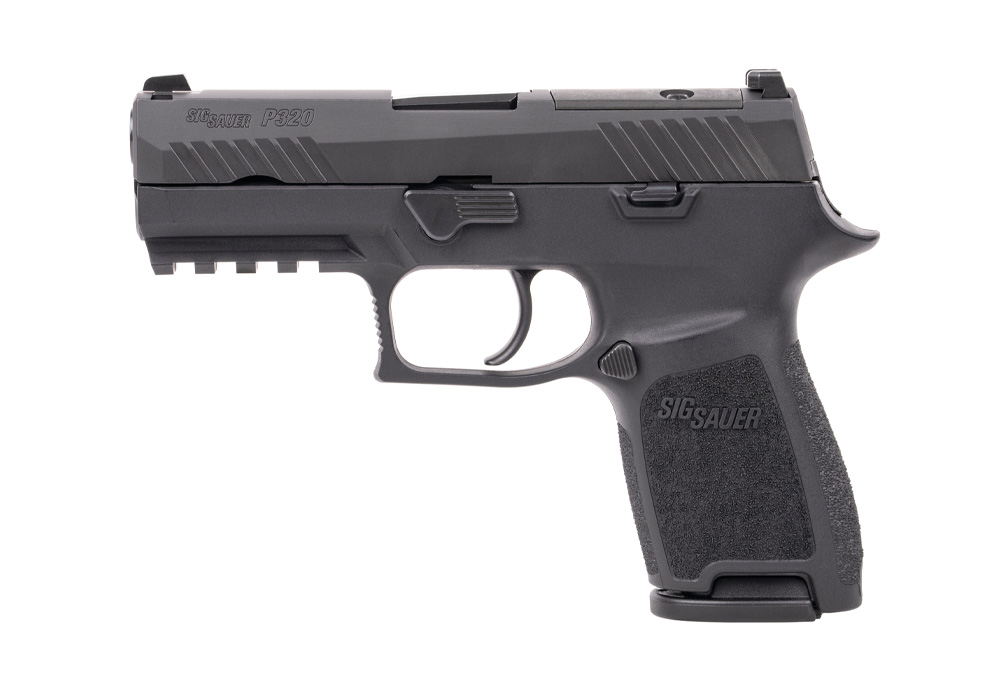
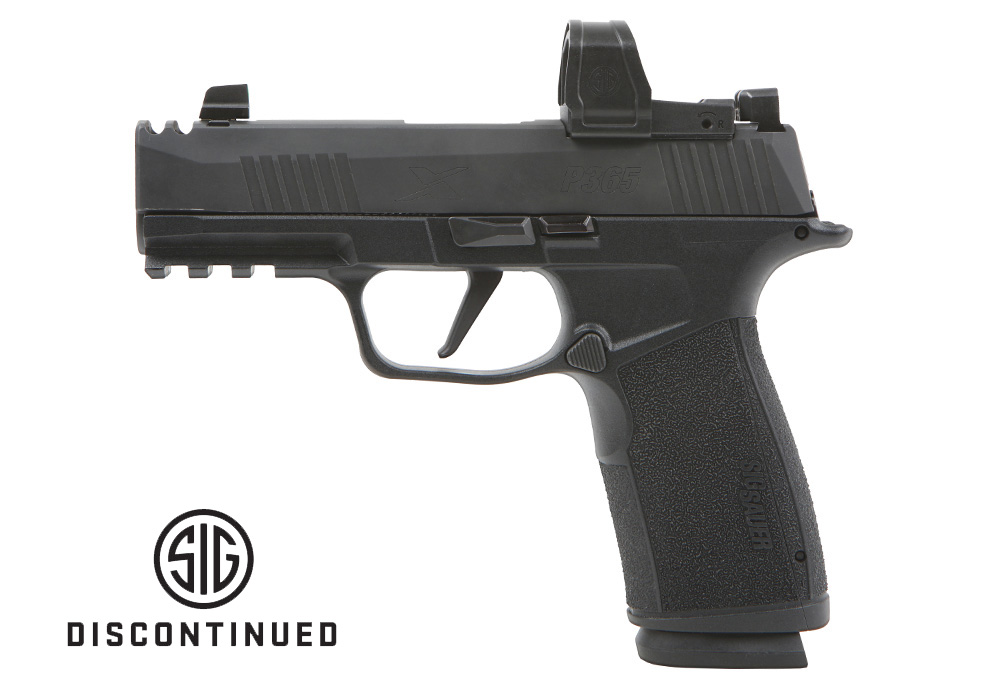
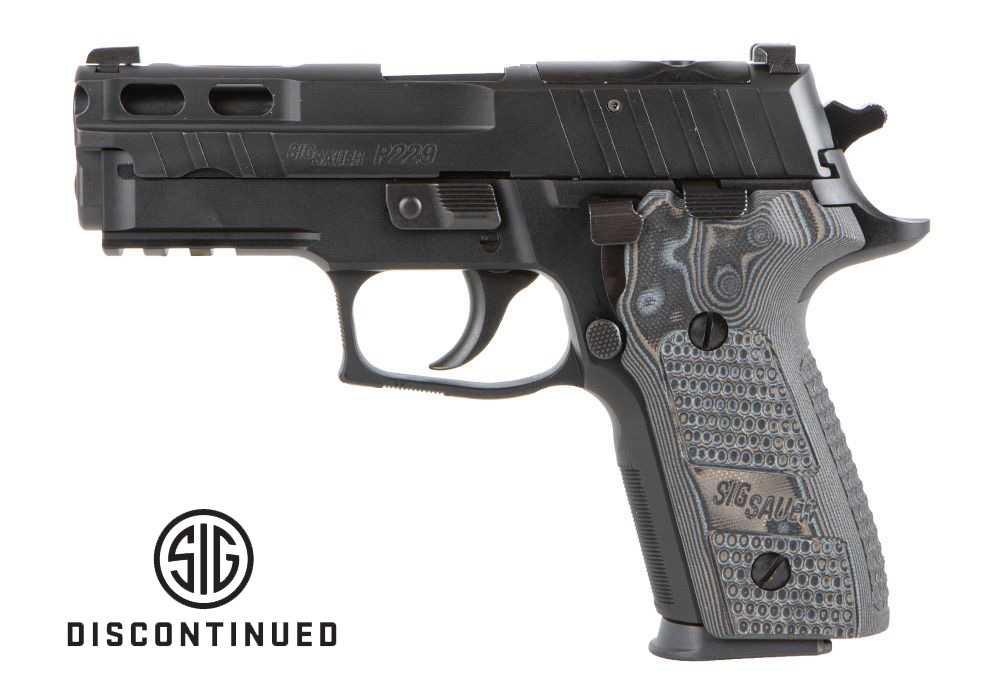
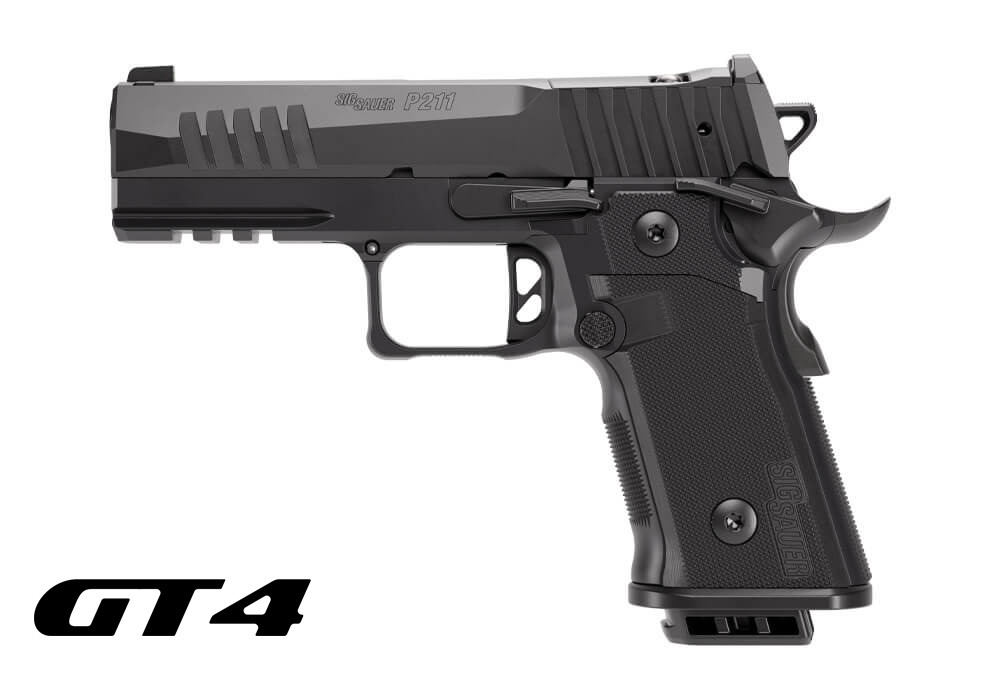
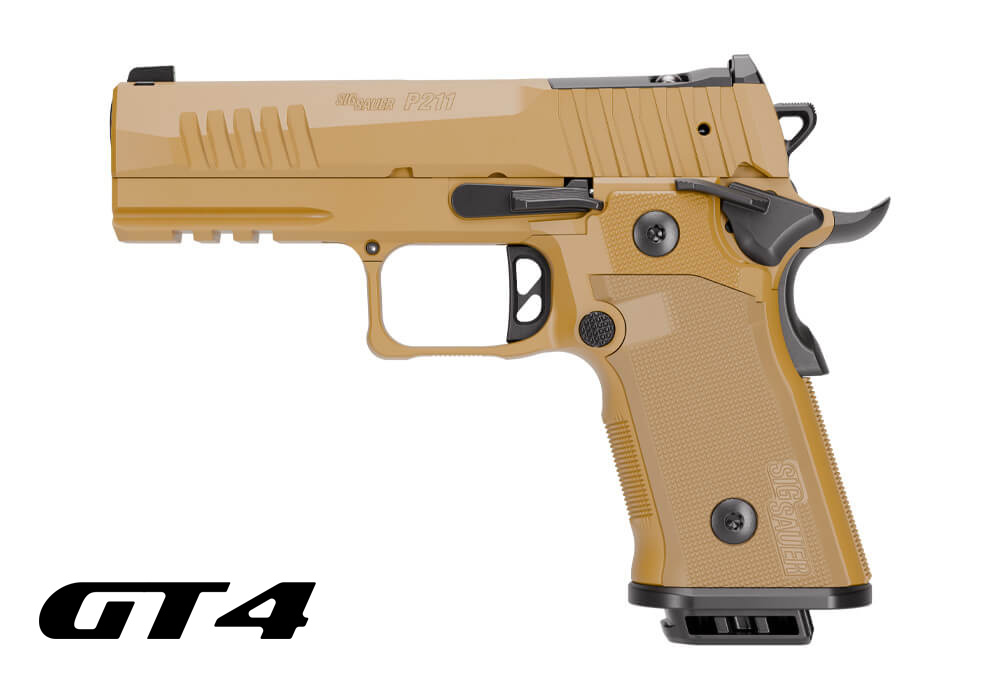
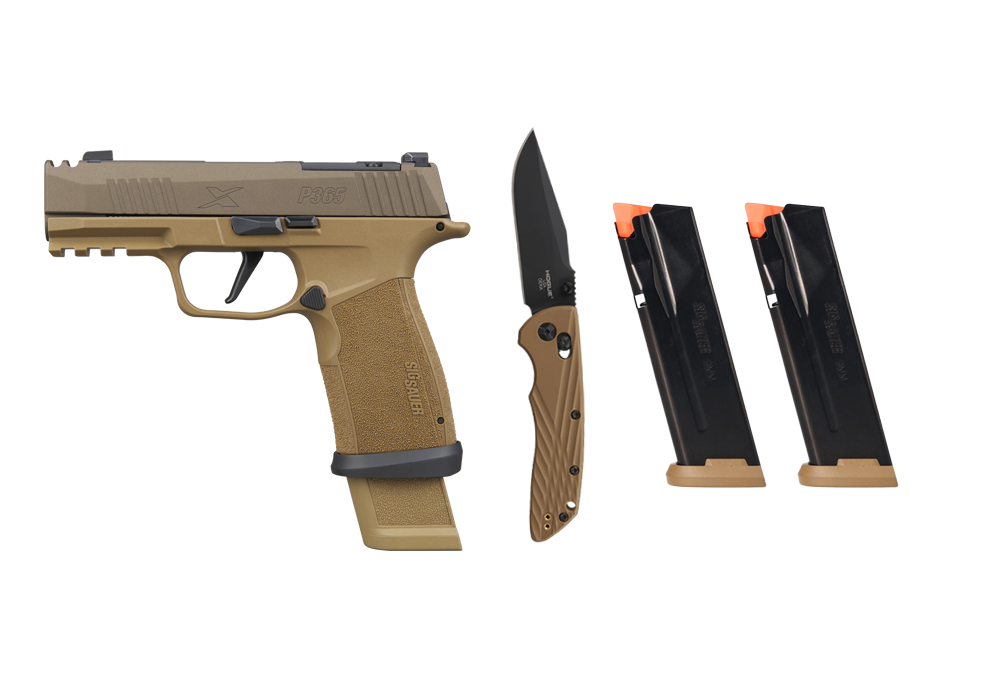
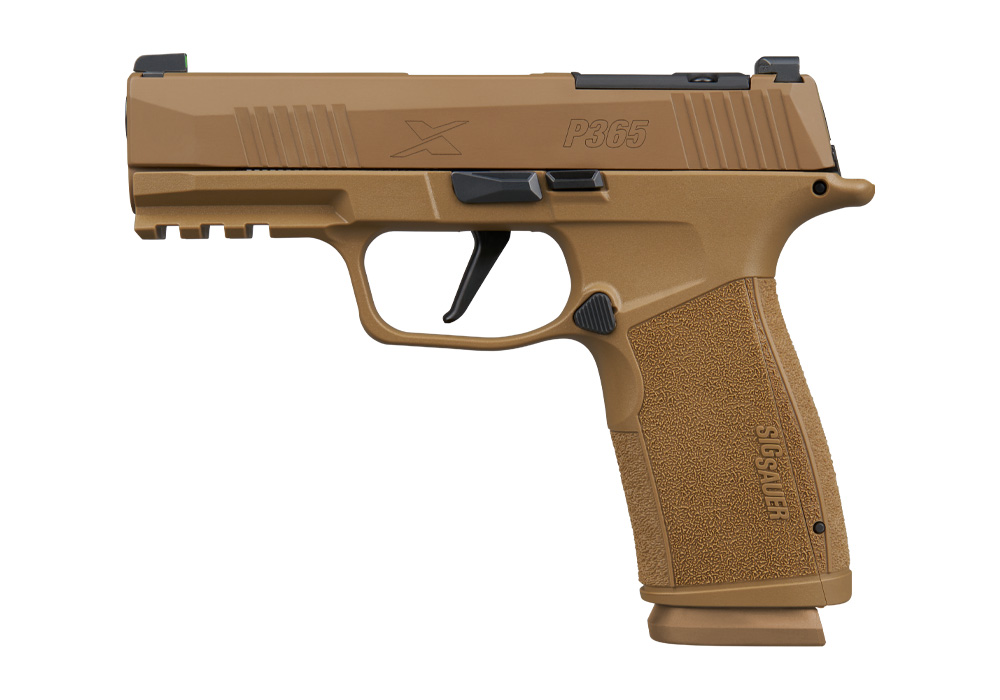
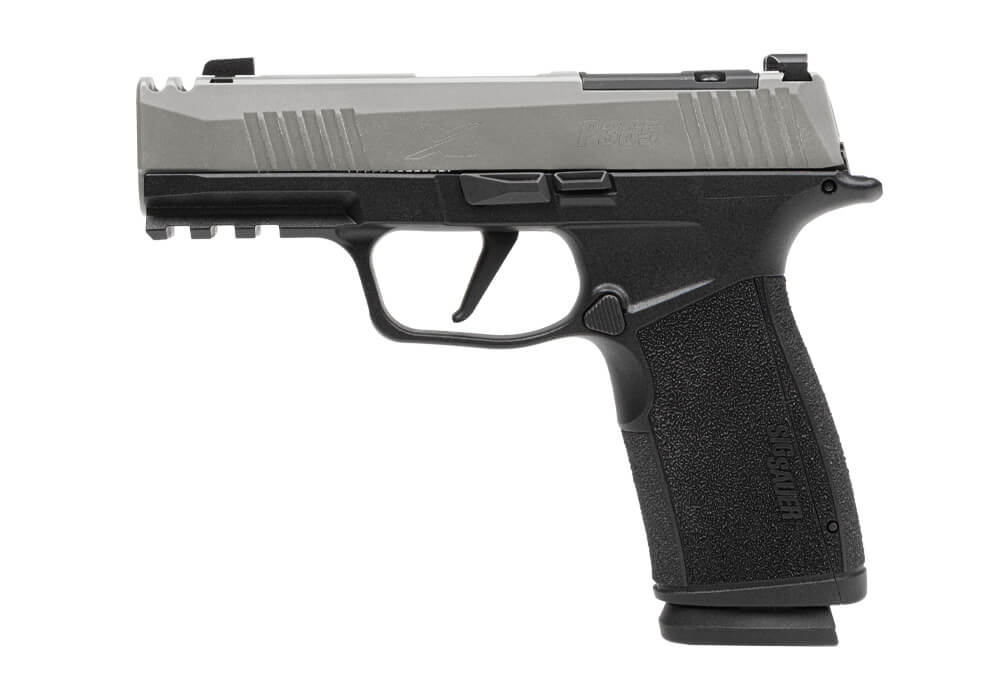
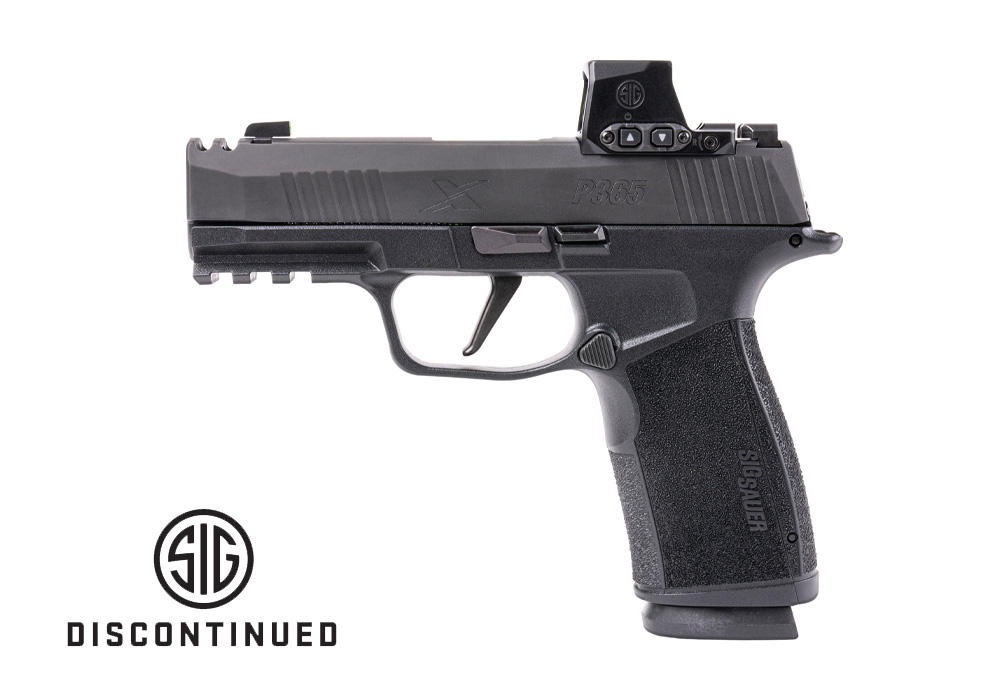
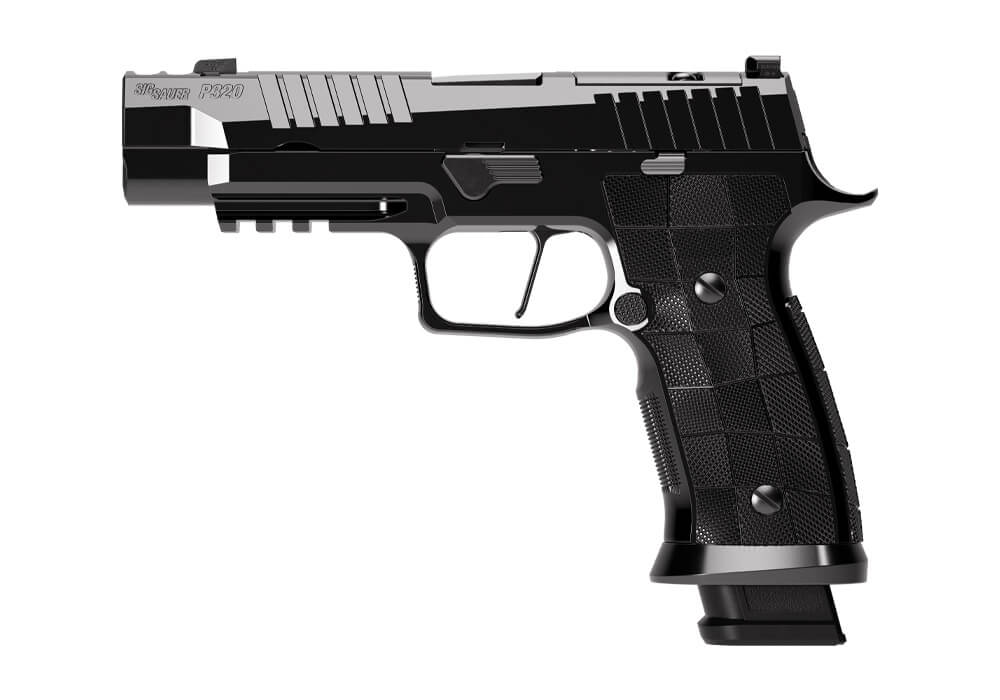
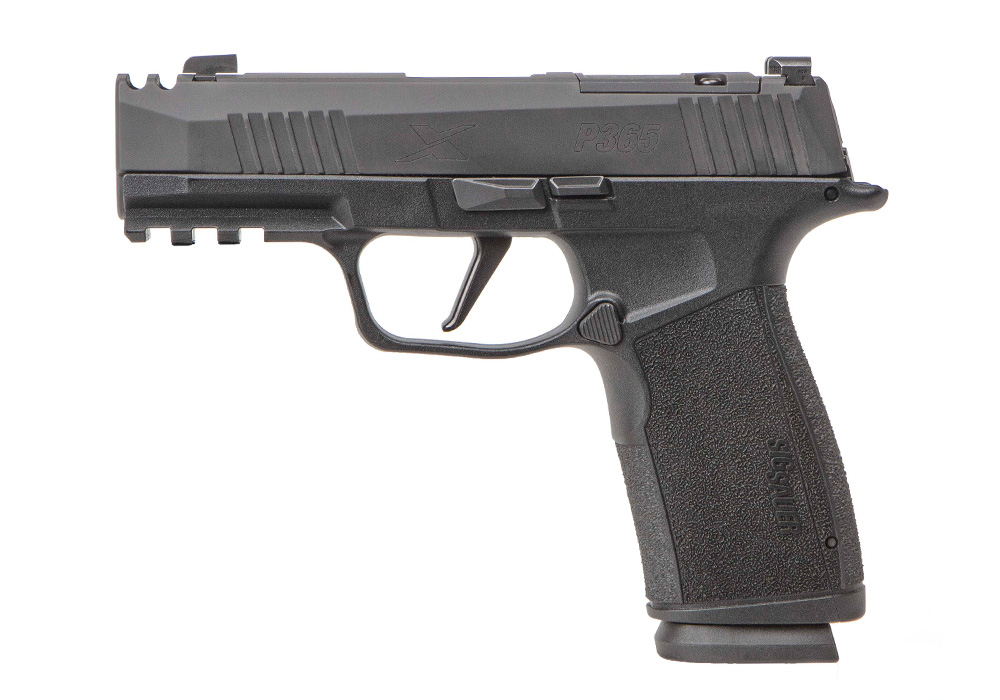
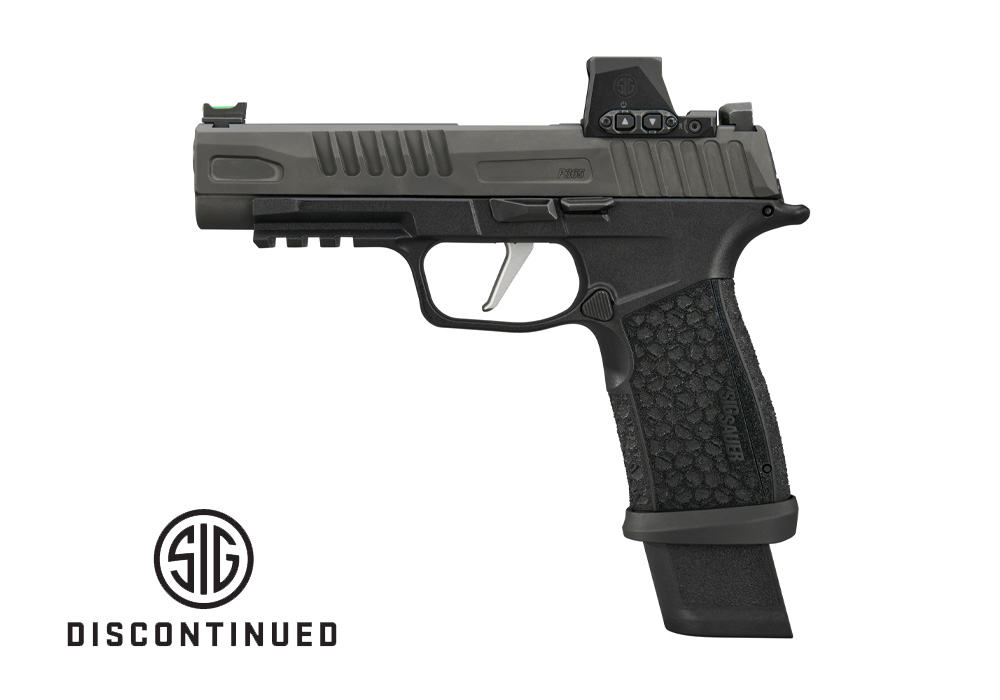
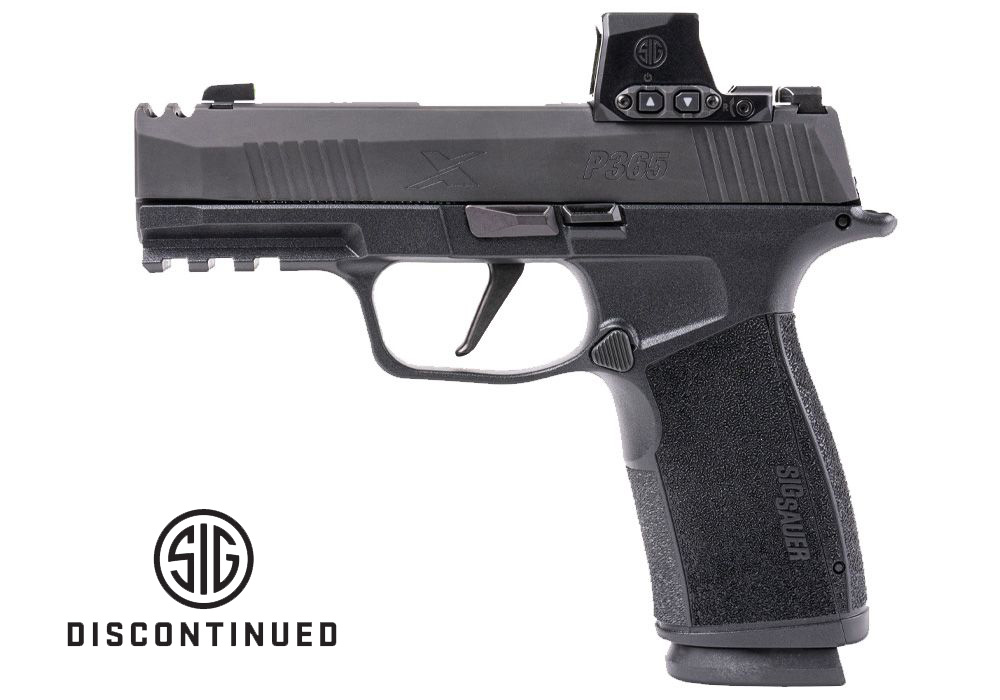
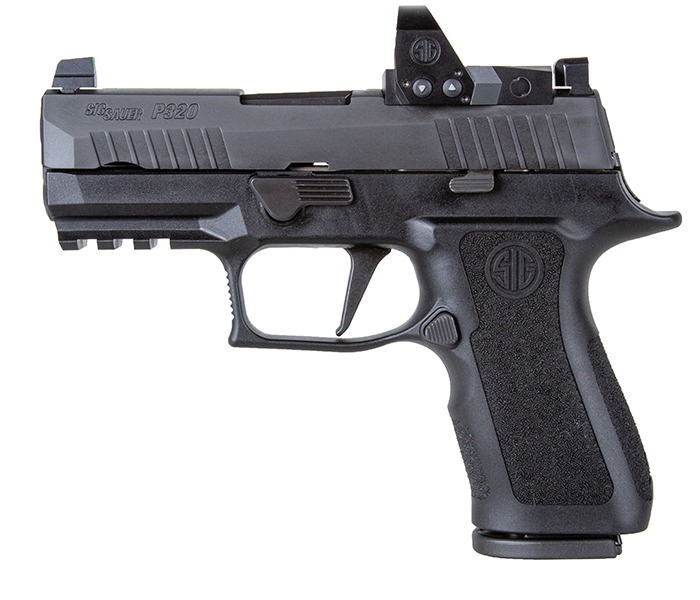
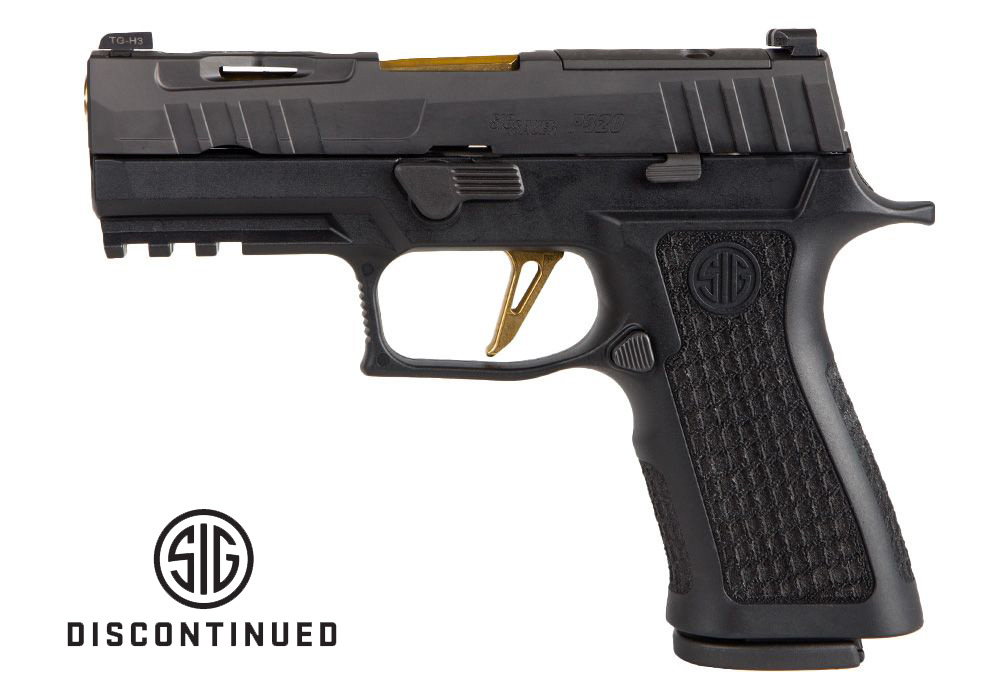
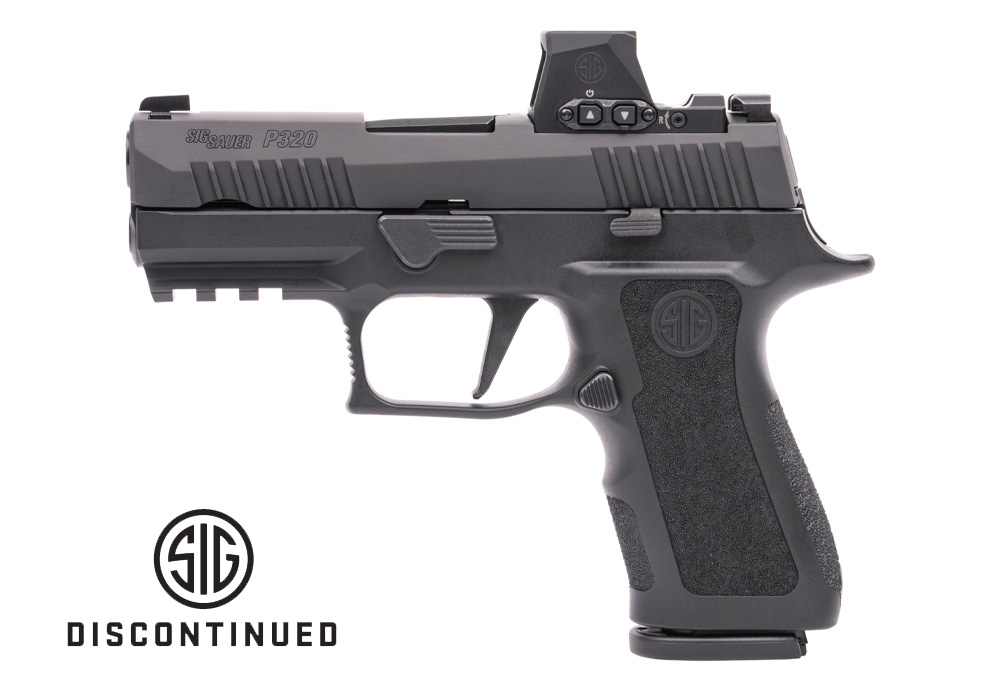
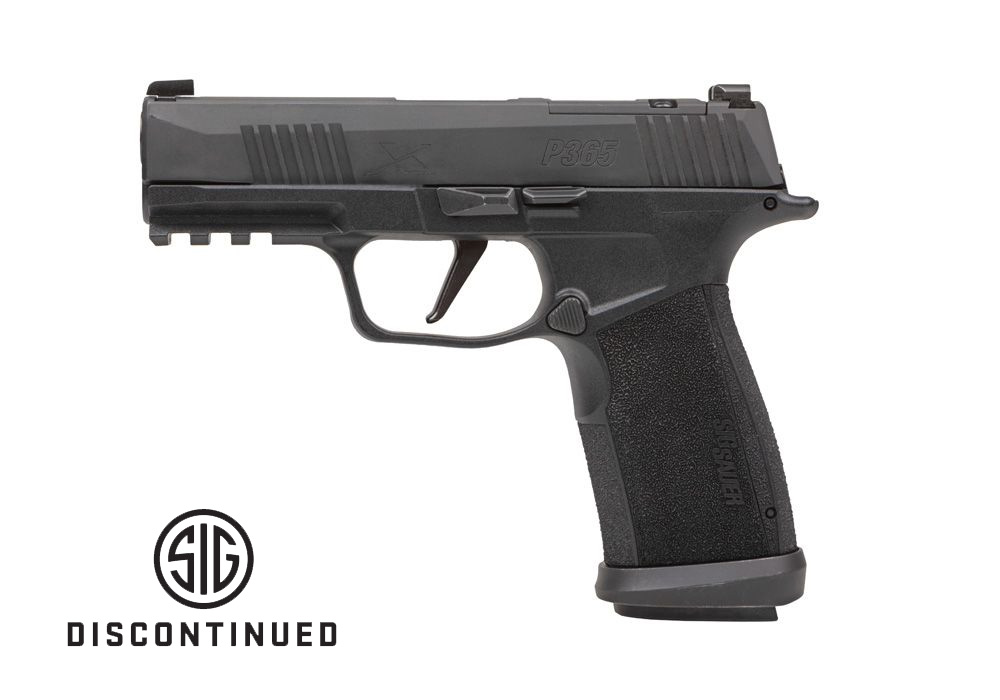
Compact 9mm pistols with an accessory rail bring together a manageable handgun profile and a dedicated mounting interface for compatible accessories. This category generally sits between full-size pistols and smaller micro-compact designs, although those size labels are not universal. Barrel length, grip height, overall width, and unloaded weight provide a clearer picture of how a pistol will feel in the hand or fit into a carry setup. The rail typically sits on the frame beneath the barrel, separate from any provision for mounting an optic on the slide. Its presence gives the pistol additional versatility without necessarily requiring a larger frame, but rail dimensions and accessory compatibility vary. For lawful concealed carry, recreational range use, or personal protection, the appeal is a balance of practical size, comfortable handling, and room for a compatible light. Grip shape matters as much as the measurements on a specification sheet. A compact grip that provides secure support for the entire hand can feel substantially different from one that leaves the little finger below the frame. Reach to the trigger, access to controls, and the texture against the palm also influence whether a pistol feels natural or awkward. Aggressive texturing may provide a firm purchase at the range while feeling abrasive against the body during carry. Standard and extended magazines can change grip length and the outline beneath clothing, so their dimensions deserve attention alongside the pistol itself. Frame construction adds another layer to that balance. Polymer frames generally limit weight, while aluminum-alloy or steel frames can provide a different sense of heft and balance. Steel slides, protective finishes, and well-fitted components contribute to durability, though materials alone do not determine comfort or reliability. The familiar 9mm chambering supports a broad range of sporting and defensive applications, with ammunition suitability determined by the firearm manufacturer’s specifications. For someone accustomed to a larger handgun, a compact model may offer a more convenient footprint; for a newer owner, its suitability still depends on fit, training, and confidence with safe handling.
An accessory rail is useful only when its dimensions match the intended accessory, and a rail described as Picatinny should not be treated as a guarantee that every light will fit. Compact frames can have limited rail length, different slot locations, or restricted clearance around the trigger guard. Some use proprietary interfaces rather than a standard pattern. Manufacturer compatibility information is therefore more meaningful than appearance alone. The complete combination matters: the pistol, accessory, and holster need to work together as a system. A light that extends beyond the muzzle changes the overall footprint, while a wider accessory can alter holster dimensions even when the handgun itself remains slim. Switch placement and the accessory’s weight can also affect how comfortable the combination feels. These are practical considerations for a person who carries regularly, visits the range for structured practice, or wants a consistent setup for lawful personal protection. A compatible holster should securely retain the intended configuration and protect the trigger area; a holster designed for the pistol without an accessory may not suit the same pistol with one attached. An attached light also does not replace a separate handheld flashlight for ordinary illumination. Rail compatibility and optics readiness are distinct features worth keeping separate when comparing this category. A frame rail supports an accessory beneath the barrel, while an optics-ready slide provides a mounting arrangement for a compatible sight above it. An optics-ready designation does not necessarily mean an optic is included, and mounting footprints differ. Shooters interested in a smaller format with an emphasis on sighting options can also explore 9mm Micro Compact Pistols With Optics. For compact rail-equipped pistols, the most useful comparison remains the complete set of dimensions and features rather than a single label. A comfortable grip, suitable sights, accessible controls, and a compatible accessory interface each contribute something different. A pistol that feels balanced without an accessory may feel noticeably different with one, making the overall configuration more informative than frame size alone.
Long-term ownership brings everyday details into focus: finish wear where a holster contacts the slide, residue around the muzzle after range sessions, and the way grip texture feels after extended practice. Protective coatings can help resist corrosion and surface wear, but no finish eliminates the need for appropriate care. Maintenance requirements vary by design, and the manufacturer’s manual remains the reference for cleaning materials, lubrication, inspection, and service intervals. Cleaning and inspection belong in a safe setting with the firearm unloaded and ammunition kept separate. Strong solvents, excessive lubricant, or abrasive tools can be unsuitable for certain finishes and components, so compatibility with the manufacturer’s recommendations matters. Rail surfaces and accessory housings also benefit from routine inspection, particularly when the pistol moves regularly between a holster, a storage case, and the range. A light’s battery requirements, controls, and maintenance needs become part of the ownership routine rather than a one-time consideration. Secure storage deserves equal attention. A properly secured handgun should be inaccessible to unauthorized users, and a padded transport case serves a different purpose from a locking storage solution. Local requirements governing ownership, carry, storage, and transport vary and remain relevant regardless of the pistol’s size. At the range, eye and hearing protection, suitable ammunition, and qualified instruction support responsible practice. Compact pistols can appeal to experienced owners seeking a smaller alternative to a full-size handgun, as well as newer shooters whose hands and preferences suit the format. Smaller dimensions do not automatically mean easier handling: grip support, recoil feel, sight visibility, and control placement all shape the experience. For regular carry, comfort includes how the complete setup rests against the body and whether the holster stays secure during ordinary movement. For range use, it includes a grip that remains comfortable through repeated strings of fire. A compact 9mm pistol with an accessory rail is best understood as a combination of proportions, materials, interfaces, and ownership requirements—a practical category whose usefulness depends on how well those details fit the individual.