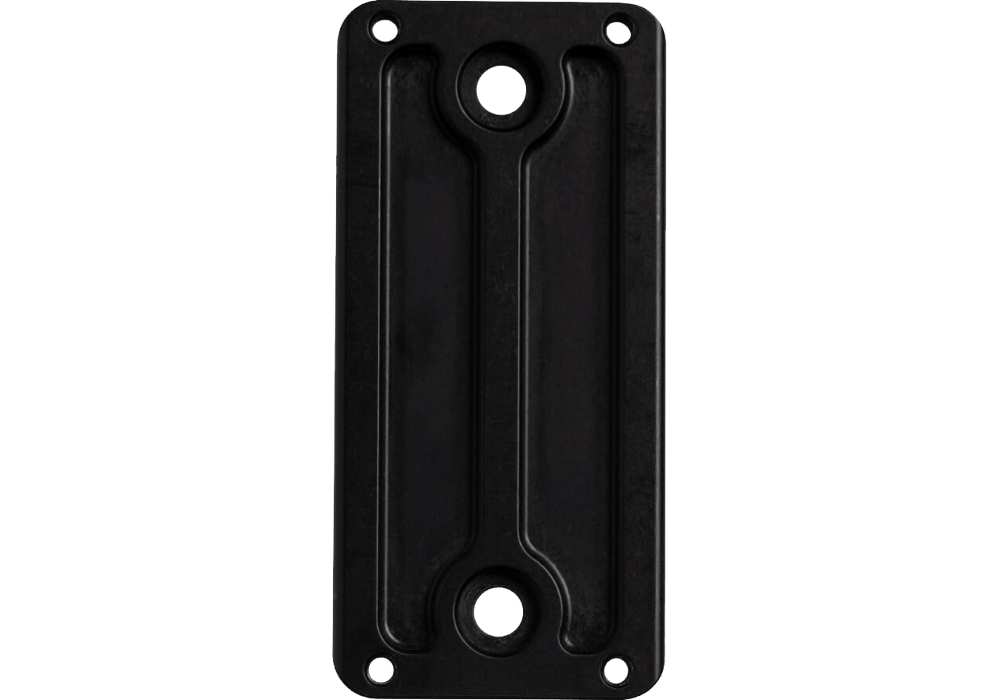
Tactical rails provide a practical foundation for organizing accessories on a firearm while keeping the overall setup secure, balanced, and adaptable. A rail is a mounting interface attached to a handguard, receiver, or other compatible surface, allowing users to position equipment where it is easiest to reach and most useful in the field. Depending on the platform and intended use, a rail may support an optic, weapon-mounted light, laser aiming device, vertical grip, hand stop, sling attachment, or bipod. The right system can bring several accessories together without forcing every user into the same configuration. Some prefer a clean, lightweight handguard with only one or two attachment points, while others value a longer mounting surface for multiple aiming, illumination, and control tools. When browsing tactical rails, begin with the firearm’s exact model, mounting surface, and rail interface. Confirm the manufacturer’s specifications, handguard dimensions, receiver pattern, and available clearance before selecting an accessory. Compatibility is more than a matter of appearance: screw spacing, slot geometry, rail height, and attachment hardware all affect fit and performance. A rail that sits at an appropriate height helps an optic align naturally with the shooter’s eye, while a properly positioned light or hand stop can improve access without interfering with the support hand. Careful attention to these details is especially important when building a setup intended for training, home protection, duty use, field work, or recreational shooting.
Several common rail standards serve different preferences. Picatinny rails use a continuous profile with numbered cross-slots that accept a broad range of compatible mounts and accessories. Their sturdy construction and repeatable slot spacing make them useful when an accessory may be removed and reinstalled in a consistent position. M-LOK systems use lightweight negative-space mounting slots that allow accessories to attach directly to the handguard, helping reduce bulk and preserve a smooth exterior between attachment points. This approach is popular with users who want to place equipment only where it is needed, leaving unused areas clear. KeyMod systems also use a modular slot design, with keyhole-shaped openings that accept dedicated mounting hardware. Weaver-style rails resemble Picatinny systems but can use narrower cross-slots, so compatibility should be verified rather than assumed. Rail height and interface type matter when combining components; an optic mount, backup sight, magnifier, or illumination tool should work together without obstructing the sight picture or controls. Weight deserves equal consideration. An extended metal rail can provide a broad, rigid mounting surface, while a modular handguard may help keep the firearm easier to carry during extended range sessions or movement through uneven terrain. Position accessories with purpose, keeping frequently used controls within reach and avoiding unnecessary additions that make the firearm harder to handle. After installation, check every fastener according to the accessory instructions, use the correct tools, and inspect the setup periodically for looseness, shifting, or interference.
Tactical rails can be useful for experienced shooters refining a familiar platform, new owners assembling a practical configuration, or anyone replacing an aging mounting system with a more flexible arrangement. They can also be a thoughtful gift for a shooter who enjoys range practice and prefers to select accessories according to personal fit, handedness, and style. A rail or mounting component is often easier to choose than an optic or light because it can support a future setup without dictating the final configuration, though the recipient’s firearm model and interface still need to be confirmed first. During the cooler months, a secure rail system can help keep gloves, layered clothing, and sling placement from interfering with access to controls, while a carefully positioned light may be helpful during low-light practice conducted in an appropriate, lawful setting. Before using a newly installed rail, verify that the firearm is unloaded and pointed in a safe direction, follow the owner’s manual, and have a qualified professional inspect any installation that does not fit cleanly. Confirm that accessories do not obstruct the action, safety controls, sights, ejection path, or sling movement. It is also wise to test the setup at a controlled range, beginning with a basic function check before relying on it for serious use. Many shooters find that a simple arrangement performs better than an overloaded one: an optic for aiming, a light for identifying a target area, and a grip or hand stop for consistent support may be all that is needed. For additional ways to organize a firearm setup, explore Tactical Accessories, then compare rail style, material, length, attachment method, weight, and intended use to select a configuration that feels secure and natural in hand.