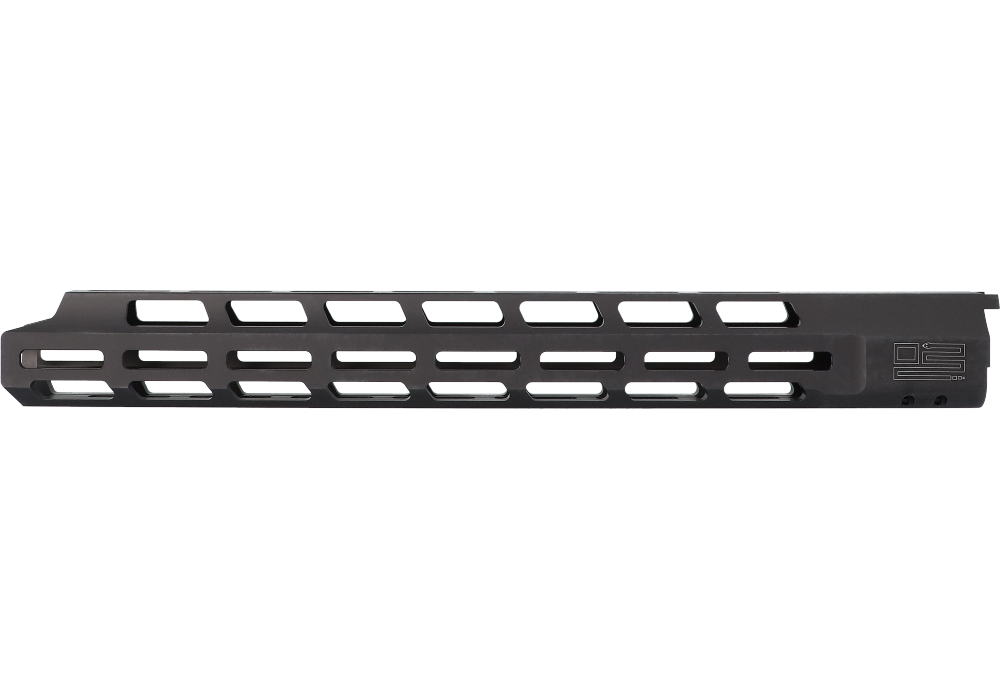
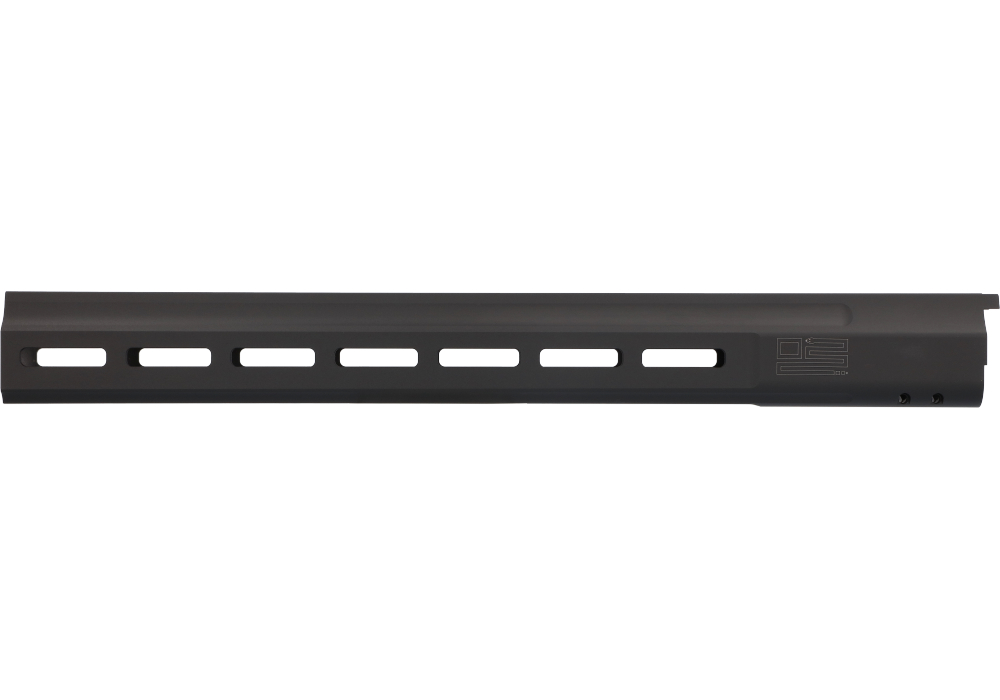
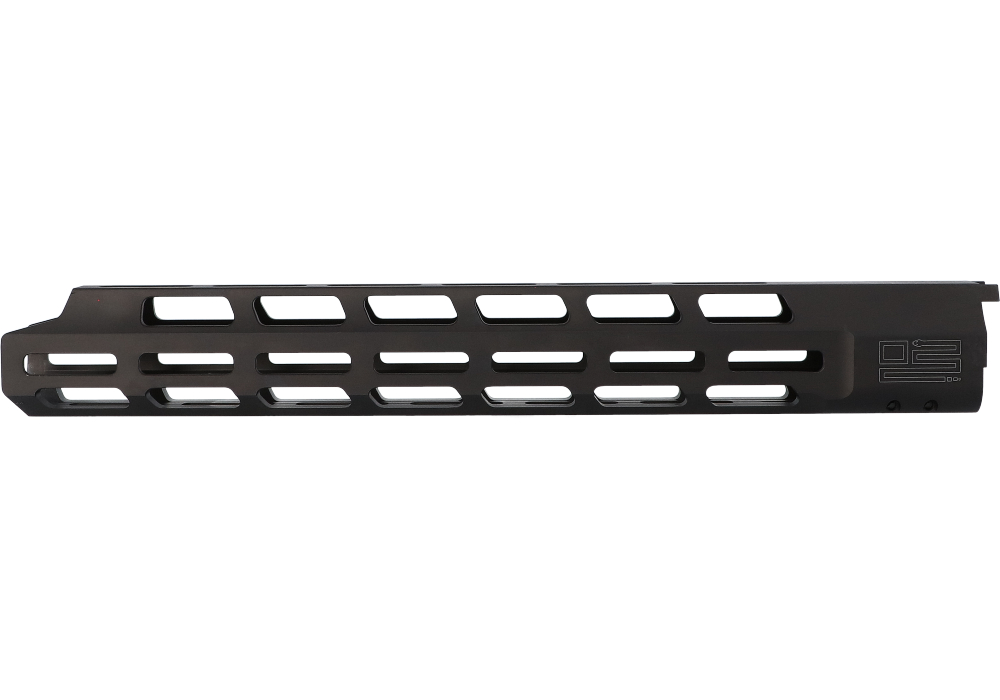
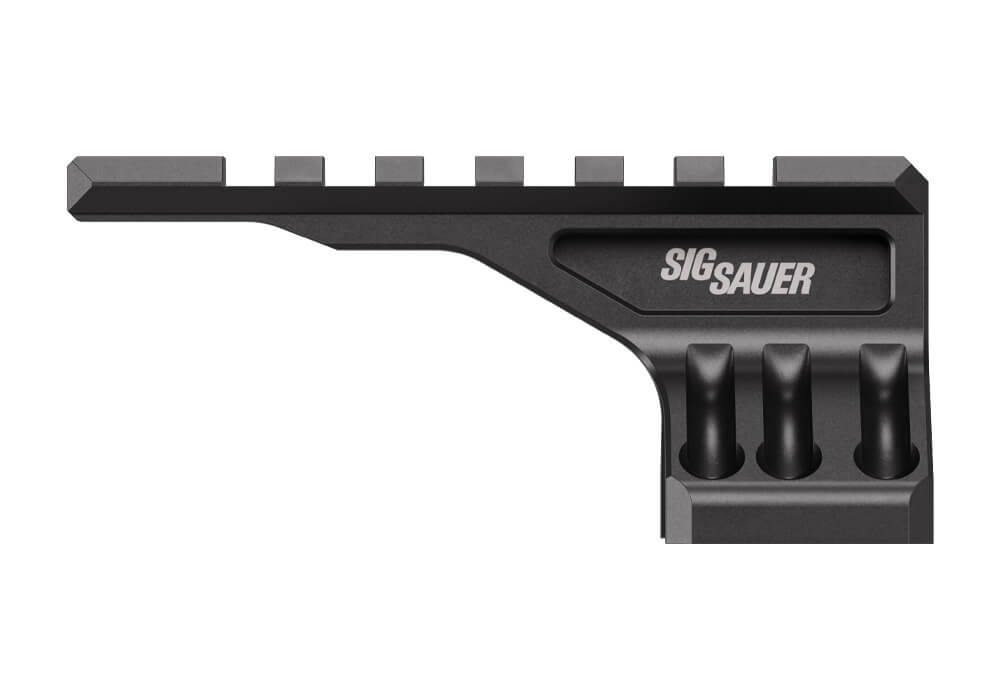
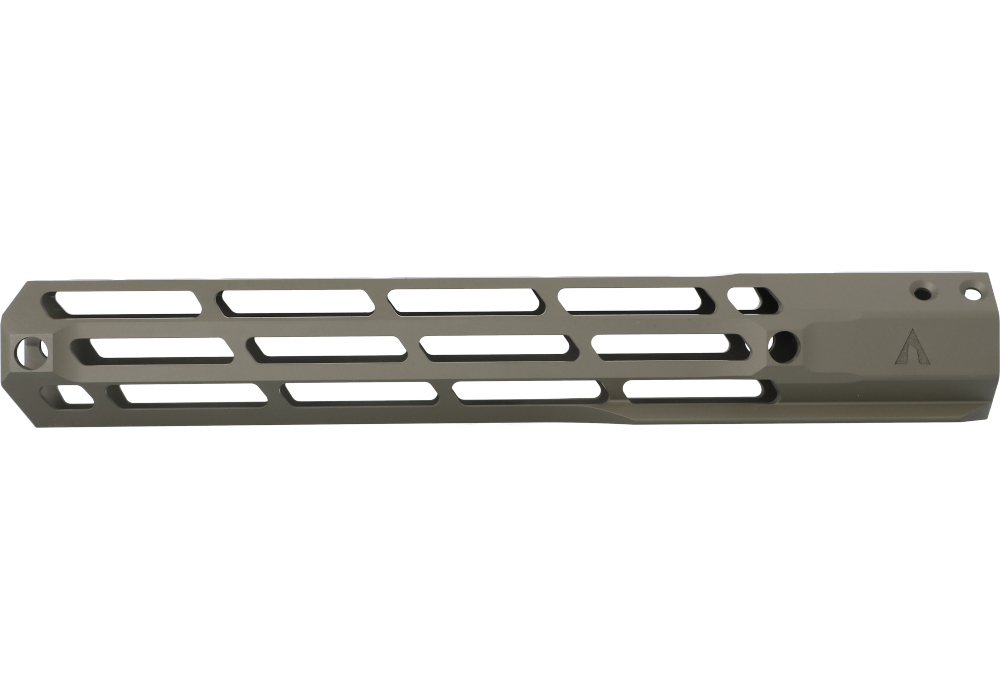
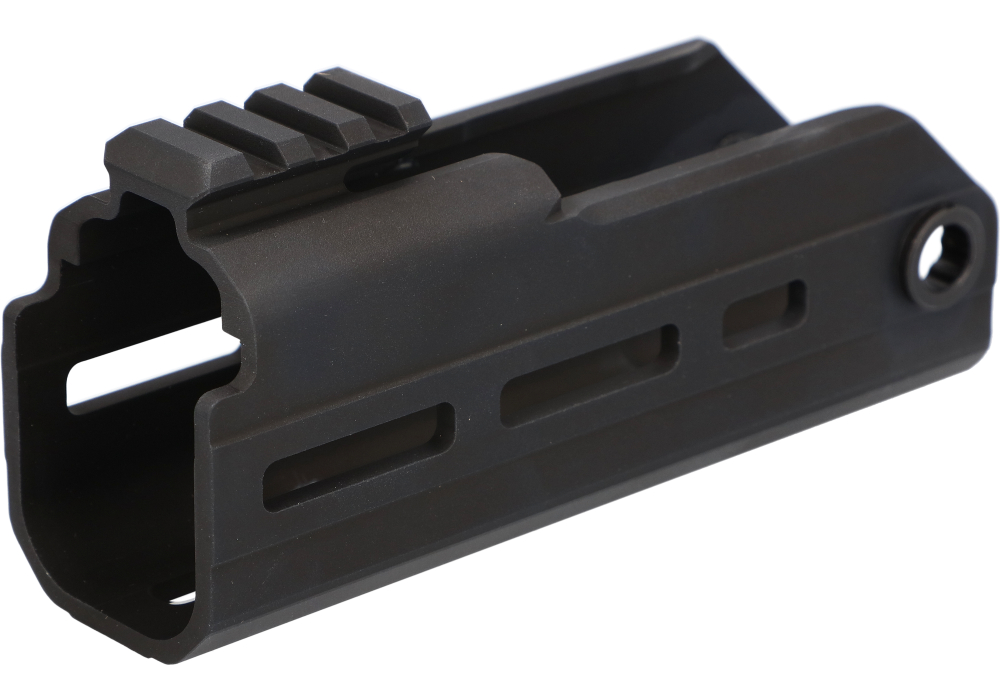
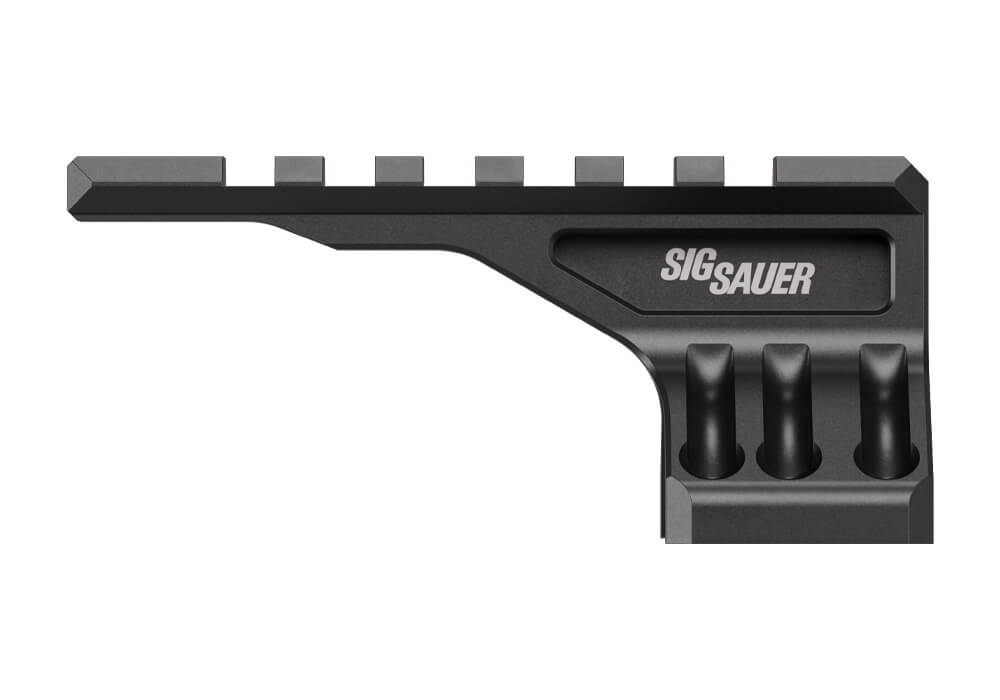
Rifle rails provide a mounting interface for compatible accessories, connecting the rifle’s existing design with the equipment a shooter chooses to use. Within the broader category of Tactical Rails, rifle rail options differ in length, profile, material, and attachment format, with each detail affecting suitability for a particular firearm. Some rails extend across a substantial portion of a handguard, while shorter sections occupy only a limited area. Receiver rails and handguard rails serve different mounting locations, so similar appearance alone does not establish compatibility. A rail intended for one receiver pattern or attachment system may not fit another, even when both accept accessories with a familiar cross-slot interface. Standardized mounting surfaces help organize accessory compatibility, but the connection between the rail and the rifle remains equally important. Exact firearm configuration, mounting location, attachment pattern, and manufacturer specifications all belong in that assessment. For a rifle used regularly at the range, a compact section may suit an otherwise simple setup; a longer rail may be appropriate where the existing platform calls for more mounting space. Neither length nor the number of slots is a measure of quality by itself. The useful choice is the format that fits the rifle and supports its intended use without unnecessary bulk. Rail height also deserves attention because a low-profile section and a raised mounting surface occupy different amounts of space. Clear dimensions and compatibility information help distinguish those differences before a purchase. The same care applies to adapters, which introduce another connection rather than automatically resolving every mismatch between interfaces. A tidy, well-matched rail arrangement should remain consistent with the firearm manufacturer’s requirements and leave normal controls accessible. For shoppers comparing rifle rails, the most meaningful distinctions are often these practical ones: where the rail attaches, what interface it presents, how much space it occupies, and whether its specifications match the rifle already in hand. A familiar profile is a useful visual reference, but documented fit is the stronger basis for selection.
Material and construction shape how a rifle rail feels, wears, and stands up to routine handling. Aluminum alloys are common where a balance of strength and manageable weight is desirable, while steel may appear in designs or components where greater mass is acceptable. The material name alone does not tell the whole story. Alloy specification, overall dimensions, machining quality, finish, and the design of the attachment points all contribute to the finished component. A substantial-looking rail is not necessarily better suited to a lightweight rifle, and a slim rail still needs the correct construction for its intended application. Protective surface treatments can help resist corrosion and everyday abrasion, although no finish eliminates the need for care. Contact with a hard case latch, a crowded storage rack, or other equipment in a range bag can leave cosmetic marks over time. Consistent machining, clean slot edges, and well-finished contact surfaces are useful quality considerations because these are the areas that meet clamps, mounting hardware, and handling surfaces. Corners and exposed edges also influence comfort, especially where a rail sits near a normal hand position or brushes against clothing during transport. Compatible covers may help manage exposed sections when the rail and firearm manufacturers permit them, but covers do not correct an unsuitable fit. Weight deserves similar context: an individual section can seem insignificant on its own, yet multiple components change the overall feel of a rifle. A restrained setup can be easier to carry between a vehicle, storage area, and range bench without adding equipment that has no clear purpose. Hardware is another important part of the construction rather than an afterthought. Correct fastener specifications, adequate engagement as defined by the manufacturer, and suitable mating surfaces matter more than a rail’s appearance. Included hardware and installation requirements vary, so assumptions based on another rifle or a previous accessory can lead to compatibility problems. When specifications are unclear, confirmation from the manufacturer or assessment by a qualified gunsmith is more useful than trying to adapt an uncertain combination.
Care for rifle rails centers on keeping their surfaces and attachment points clean, protected, and easy to inspect. Any inspection or maintenance should take place with the firearm unloaded and handled according to its manufacturer’s safety instructions. A soft cloth and a finish-compatible cleaning product can remove ordinary residue without unnecessarily abrading the surface. Aggressive solvents, stiff brushes, and abrasive pads may be unsuitable for some coatings, making the rail manufacturer’s care recommendations important. Slots, corners, and fastener recesses can collect lint and debris that are less obvious than marks on the upper surface. Routine inspection offers an opportunity to notice corrosion, damaged edges, unusual wear, or a change in how a component sits. Movement, persistent loosening, or visible damage warrants professional assessment rather than continued use or improvised repairs. Installation and fastening requirements should follow the specifications for the exact rail and firearm, with a qualified gunsmith handling work that falls outside the owner’s experience. Beyond maintenance, the right rail reflects how the rifle is actually used. Recreational target shooters may value straightforward compatibility and easy cleaning, while hunters may place greater emphasis on manageable weight and durable surfaces. Collectors and owners maintaining an established configuration may prioritize the correct interface and a profile consistent with the rest of the firearm. A rail can also be a thoughtful gift for an experienced rifle owner, provided the recipient’s exact platform and preferred configuration are known. Guessing from a rifle’s general appearance or model family can overlook important differences in receivers and handguards. Confirmed specifications make that kind of gift more practical and avoid passing an uncertain fit on to the recipient. Across these uses, a well-chosen rifle rail is not defined by the greatest length, the most prominent profile, or the largest number of attachment points. Its value rests in suitable materials, documented compatibility, sound construction, and care appropriate to the finish and hardware. Those qualities support a durable, orderly setup that remains practical through regular handling, transport, storage, and maintenance.