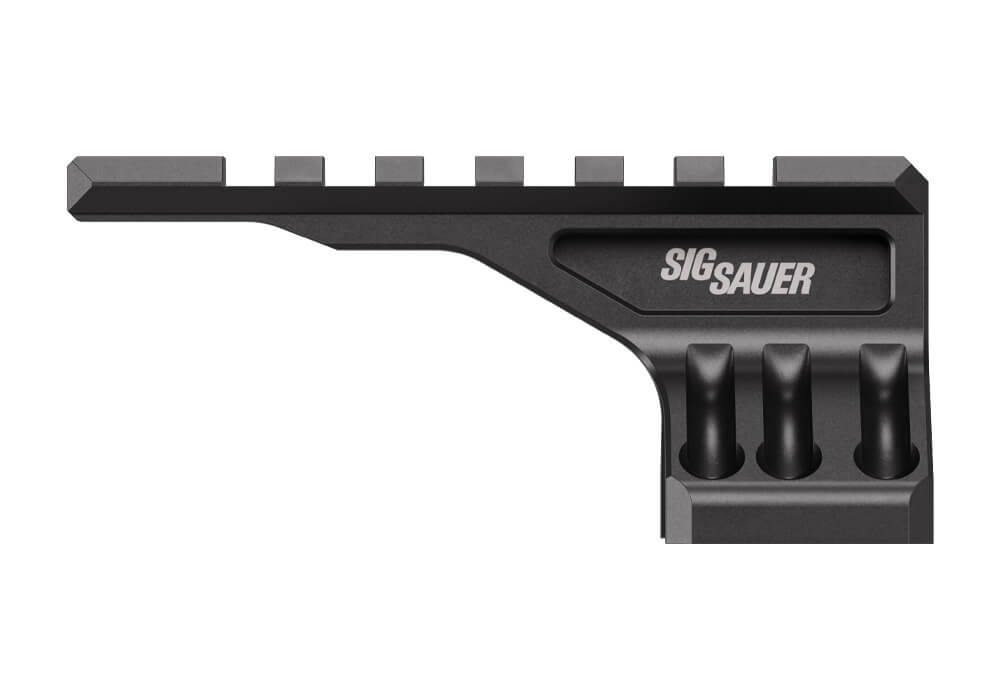
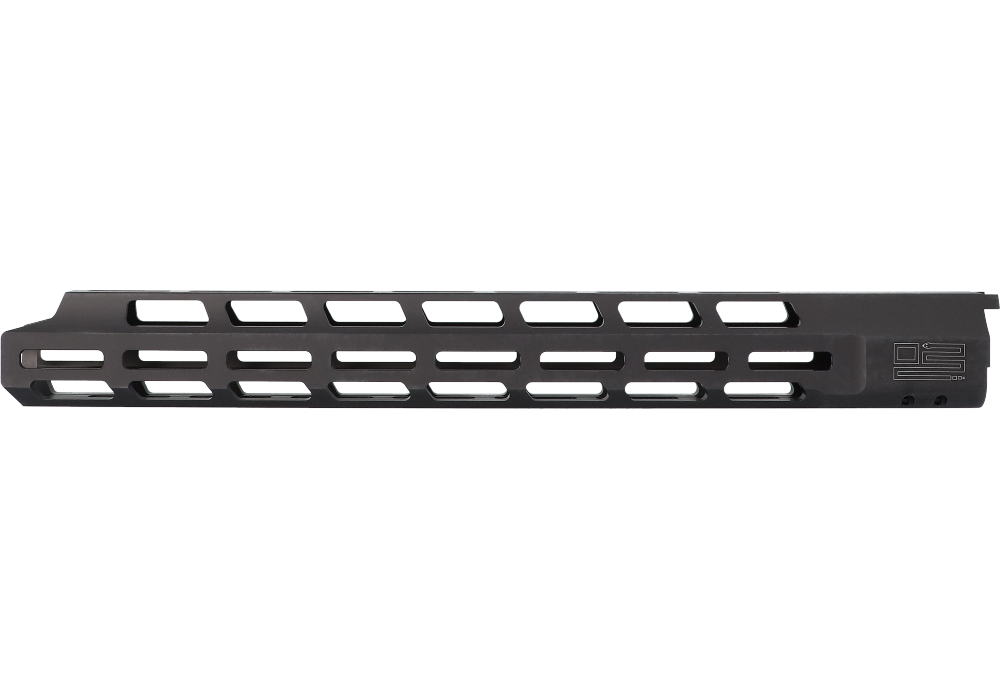
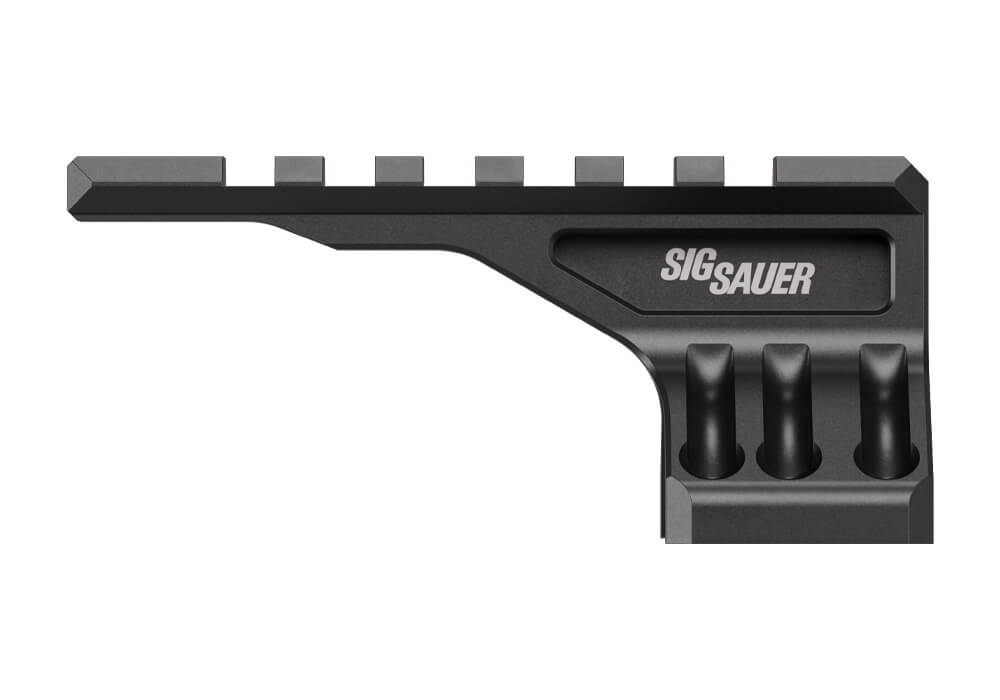
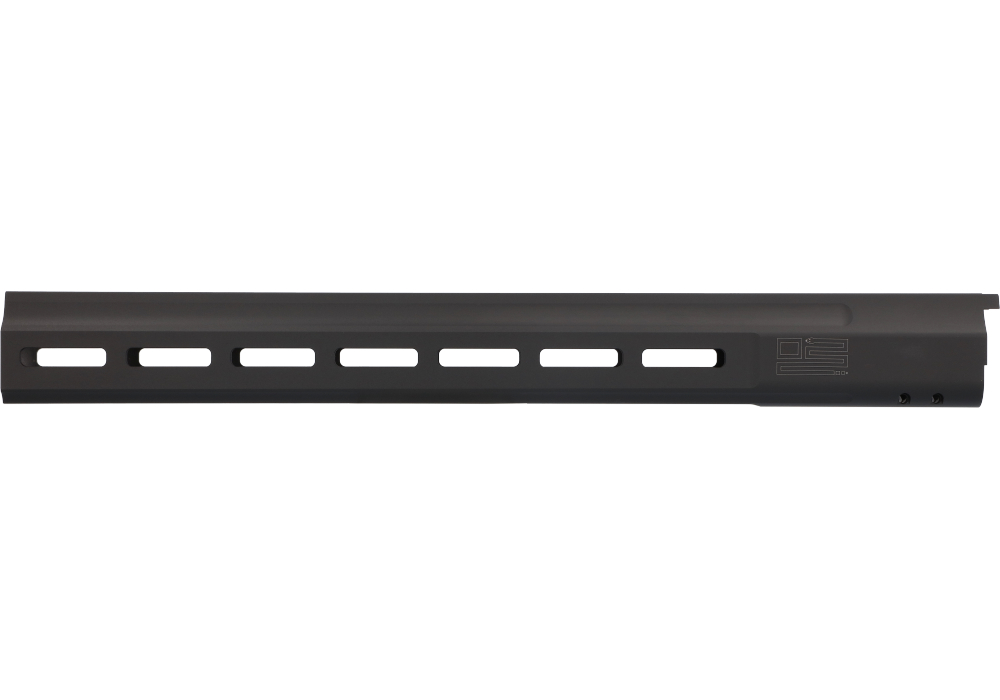
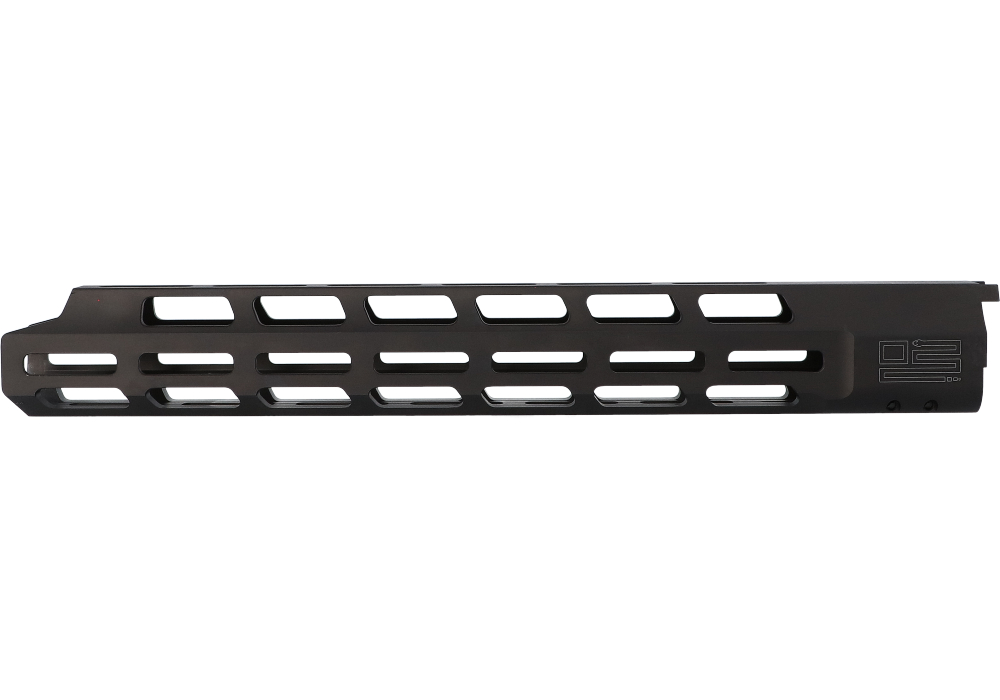
Aftermarket rifle top rails provide a practical foundation for mounting an optic or other compatible accessory above the receiver. For many rifle owners, a top rail is the connection between a carefully selected optic and a rifle configured for hunting, target work, training, or recreational range use. Picatinny-style rails are especially popular because their cross-slot design accommodates a broad selection of scope rings, red-dot mounts, magnifiers, night-vision devices, and other sighting equipment. When browsing a selection of aftermarket rifle top rails, begin with the rifle’s exact make, model, action length, and receiver pattern. A rail intended for one platform may not align with another, even when the rifles appear similar at a glance. Check the listed fitment details, screw spacing, contour, and mounting-hole arrangement before ordering. It is also worth considering whether the rail should cover only the receiver or extend forward to bridge a receiver and handguard. A compact rail can keep a hunting rifle trim and comfortable in the field, while a full-length rail may offer more flexibility for positioning an optic and accessory combination. For additional options suited to range use and precision setups, explore Picatinny Rails for Target Shooting. The right rail should sit securely against the intended mounting surface without forcing alignment, stressing the receiver, or interfering with bolt operation, charging-handle travel, ejection, or access to the rifle’s controls.
Elevation and construction are two other important details. A conventional rail with no built-in elevation may suit short- to moderate-range applications and many general-purpose optics. A rail with built-in 20 MOA elevation can provide additional adjustment range for longer-range setups, provided the optic and rifle are being used in a way that benefits from that geometry. This feature does not automatically improve accuracy; it changes the optic’s relationship to the bore and should be selected with the intended distance, ammunition, and scope adjustment range in mind. Rail length also affects how much freedom you have when setting eye relief. A scope should be positioned naturally for a clear sight picture while the shooter maintains a consistent cheek weld, rather than pushed into an awkward position simply to fit the available slots. Aluminum rails are often favored when keeping overall weight low matters, while steel options can appeal to users who prioritize a particularly robust mounting base. Look for clear information about material, finish, slot dimensions, fastener type, and whether the rail includes the required screws. A matte finish can help reduce glare, and a well-finished surface should resist routine wear from transport, storage, and field handling. Installation deserves the same attention as selection. Clean the receiver and mounting surfaces, verify that each fastener engages correctly, and follow the rail and rifle manufacturer’s torque guidance with an appropriate inch-pound torque wrench. Thread-locking compound should only be used when permitted by the instructions, since excess compound or improper application can complicate future service. After installation, confirm that the bolt, safety, charging handle, and optic controls operate freely. Recheck the fasteners after the first range session and confirm that the optic remains securely mounted and properly zeroed. These rails can be a thoughtful gift for a hunter preparing a familiar rifle for a new optic, a target shooter refining a range setup, or a rifle owner who wants more mounting flexibility without replacing the firearm. During the cooler months, a secure and well-fitted rail can simplify preparation at the bench or in the field, whether the rifle is being sighted in under a covered firing line or carried carefully across a wooded property. A useful gift selection starts with the recipient’s exact rifle details; a gift card or a rail chosen only after confirming the model is often preferable to guessing at fitment. With careful attention to compatibility, elevation, length, materials, and installation, an aftermarket top rail can provide a dependable interface for a personalized rifle setup while preserving the handling qualities that make the rifle comfortable to carry and use.