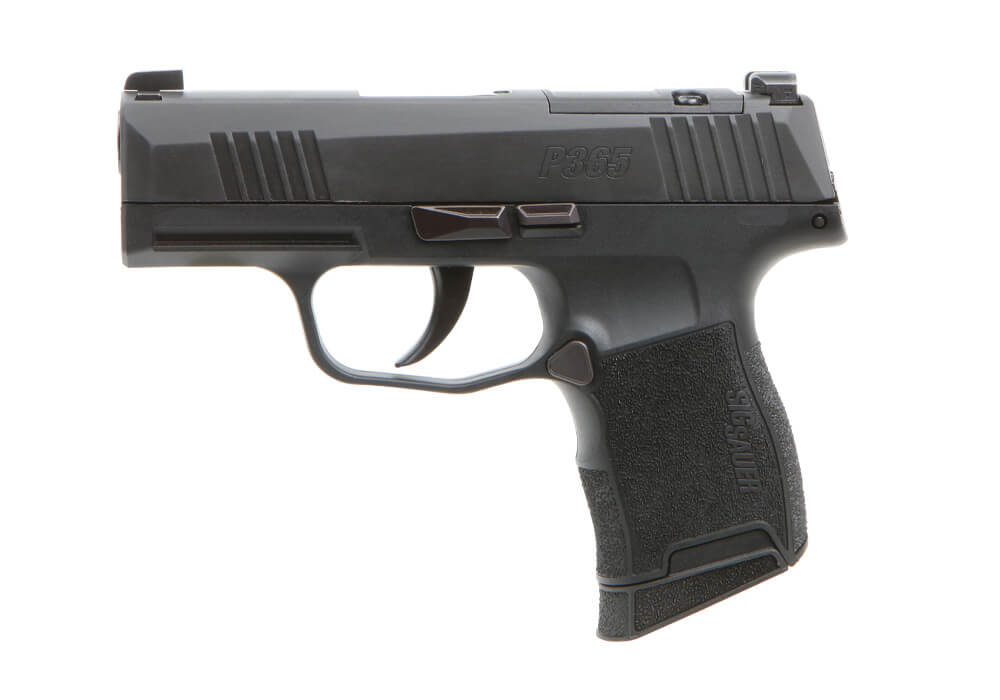
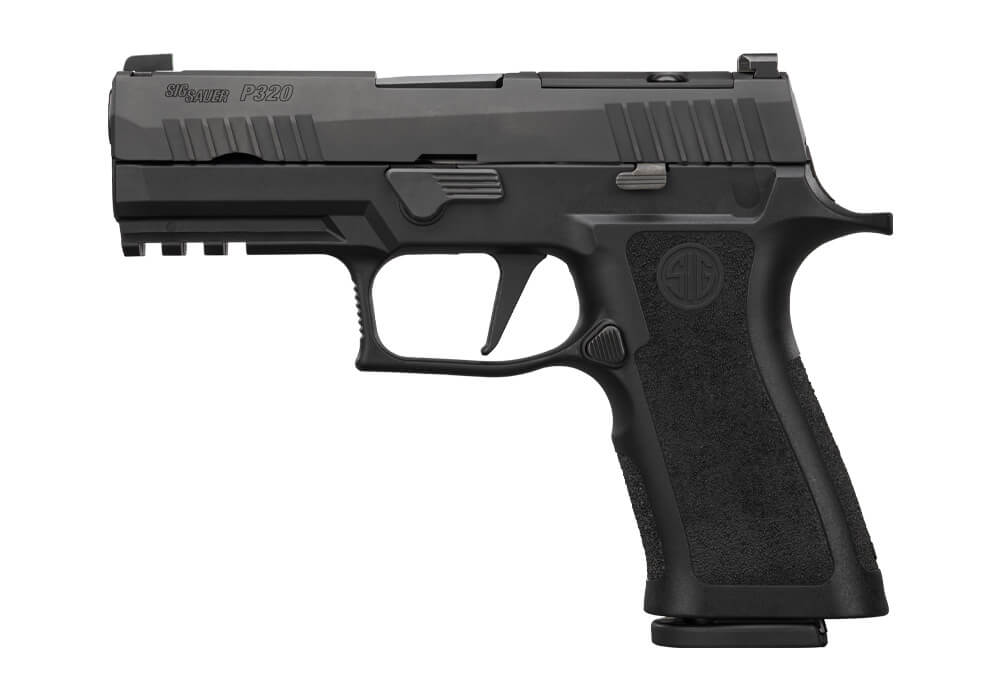
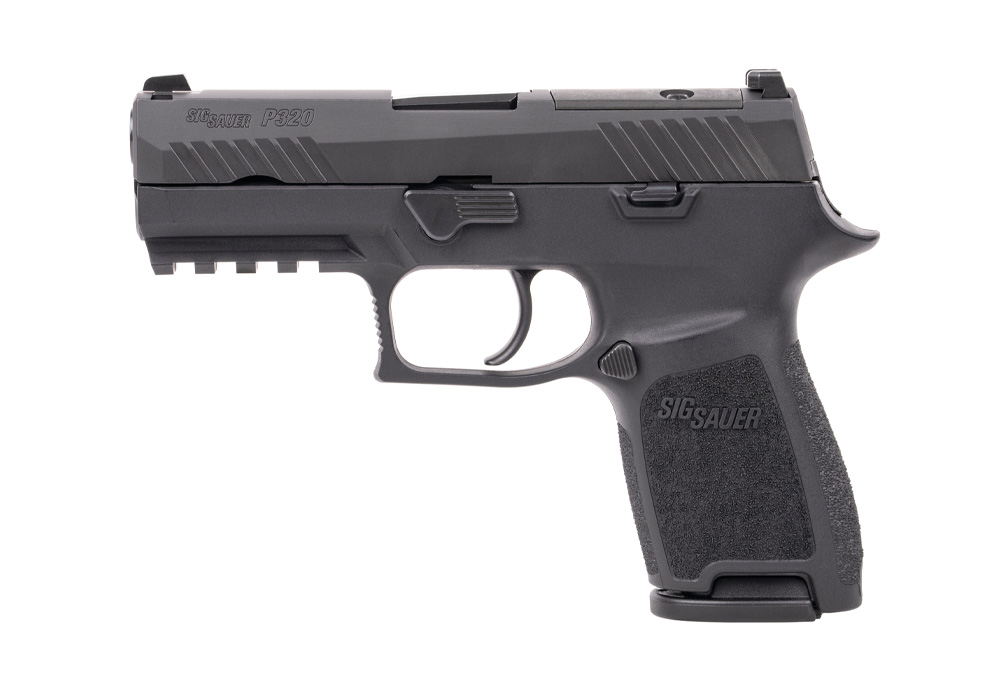
Handguns with modern design bring together practical engineering, adaptable fit, and features intended for the way many people train, carry, and use a pistol today. Rather than relying on a fixed, one-size-fits-all configuration, many contemporary handguns use modular frames, interchangeable grip panels, and adjustable backstraps to help users establish a more natural relationship with the firearm. That fit matters: a grip that fills the hand without forcing the fingers into an awkward position can make it easier to reach the controls, maintain consistent alignment, and manage recoil during a range session. Polymer frames are often valued for their lighter weight and resistance to everyday wear, while metal-framed designs can offer a more substantial feel in the hand. Compact, subcompact, and full-size configurations each bring different tradeoffs in concealment, sight radius, recoil control, and handling. A smaller frame may be convenient for discreet carry, while a larger handgun can feel steadier during practice and may provide more room for the support hand. Magazine options also vary, with standard and extended capacity choices available across many modern platforms. When comparing options, consider how the grip fits with your hand size, whether the controls are easy to operate without shifting your shooting grip, and whether the overall dimensions are appropriate for your intended use. A pistol should feel manageable before it ever becomes part of a carry setup or home-defense plan. Spend time with an unloaded firearm at a reputable dealer or range, if permitted, and pay attention to details that are easy to overlook online, such as trigger reach, slide manipulation, texture, and how naturally the sights settle when the pistol is brought to eye level.
Optics-ready slides are another defining feature of modern handgun design. A slide cut for a compatible red-dot sight allows an optic to be mounted with the appropriate plate or direct-mount system, depending on the firearm and sight pattern, without requiring custom slide machining after purchase. Red-dot sights can provide a clear aiming reference and may be especially useful for shooters who prefer a larger, more visible point of aim, though they still require practice and a proper zero. Traditional iron sights remain important, and many modern designs pair them with suppressor-height or co-witness-compatible options so the shooter has a usable aiming system if the optic is removed or the battery is depleted. Built-in compensators and ported slides are also found on some modern handguns. By directing a portion of expanding gases upward, these features can help reduce muzzle rise and keep the pistol steadier during rapid fire, although they may add noise, flash, or cleaning considerations. Internal chassis systems and serialized fire-control units provide another form of modularity, allowing the grip module or frame components to be changed while the core firing mechanism remains consistent. This can be useful for a shooter who wants one familiar trigger and control layout across different grip sizes or configurations. Buyers should also review compatibility details before purchasing accessories, including optic footprint, holster fit, magazine availability, light-rail dimensions, and replacement-part support. Those small checks can prevent the frustration of ordering a sight or holster that does not match the selected handgun. For shoppers comparing related configurations, the collection of Handguns With Tactical Frame Design offers another way to explore frame geometry, control placement, and duty-oriented features.
These handguns may serve a range of lawful purposes, including recreational shooting, structured training, competition, professional use, and personal protection where permitted by law. A new shooter may appreciate an ergonomic grip, clear sights, and a manageable recoil impulse while developing safe habits at the range. An experienced owner may be looking for an optics-ready platform, a compensator-equipped configuration, or a modular system that can be tailored for concealed carry and practice. During the cooler months, clothing layers can change how a handgun fits in a holster and how easily it can be accessed, making it worthwhile to evaluate carry equipment with the garments typically worn. Home-defense users should think beyond the firearm itself and establish a complete safety plan that includes secure storage, access control, a reliable light, and regular practice under professional instruction. Every handgun should be treated as loaded, kept pointed in a safe direction, and secured from unauthorized access, particularly when children or visitors are present. A firearm can be a thoughtful gift only when the recipient is legally eligible, actively wants that specific type of equipment, and the transfer is completed through all required channels; surprises are rarely appropriate for a regulated product. In many cases, a range session, training class, secure storage solution, or properly fitted holster makes a more considerate complement than choosing a handgun on someone else’s behalf. Before completing a purchase, review applicable federal, state, and local requirements, confirm the transfer process with the licensed retailer, and select a model that can be practiced with consistently. Modern features are most valuable when they support a dependable routine: a comfortable grip, familiar controls, a clear sighting system, suitable ammunition, safe storage, and the confidence that comes from repeated, responsible training.