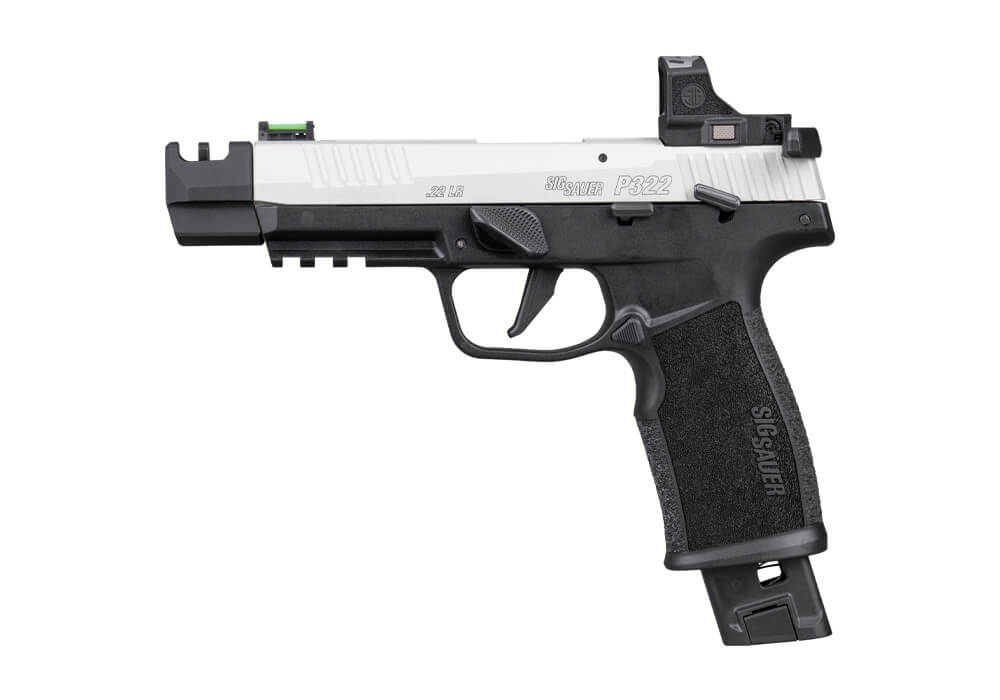
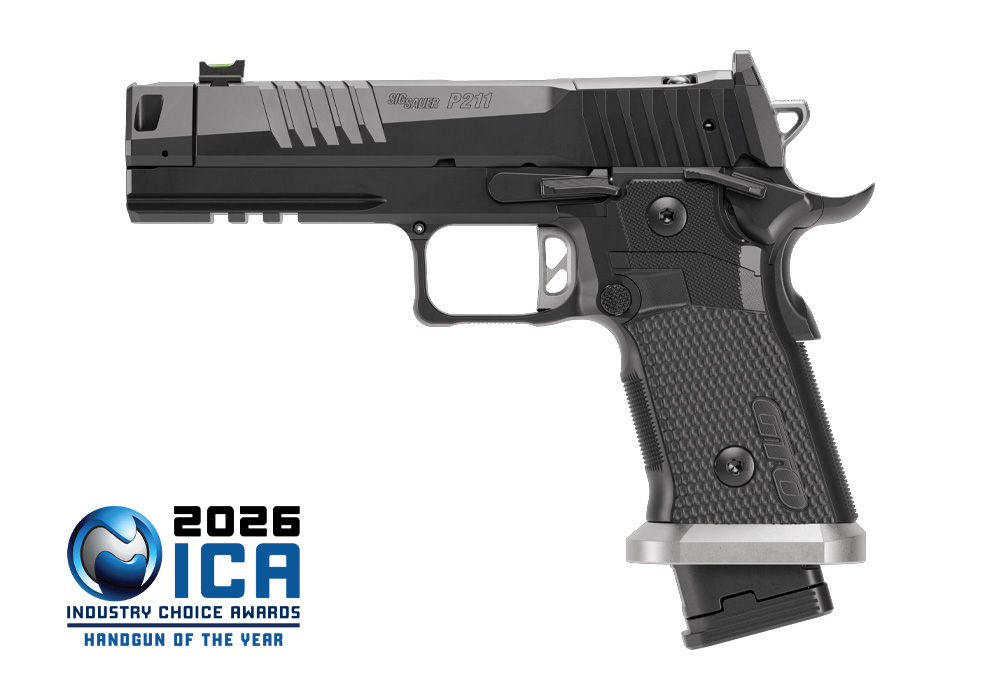
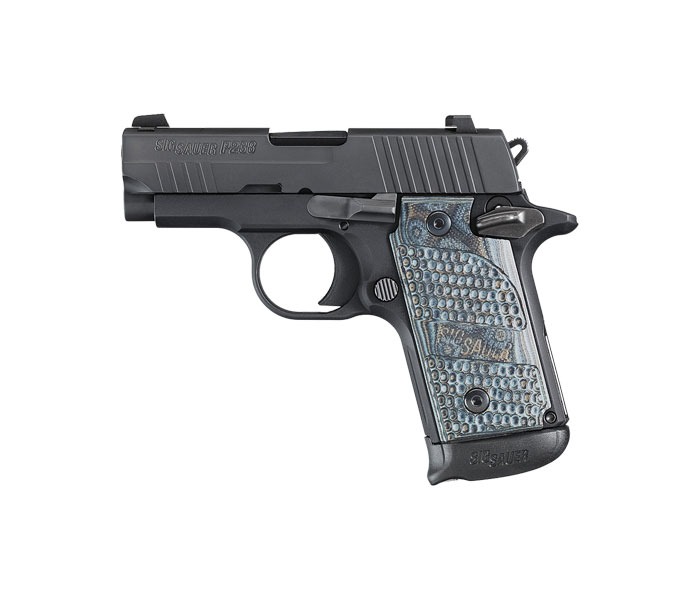
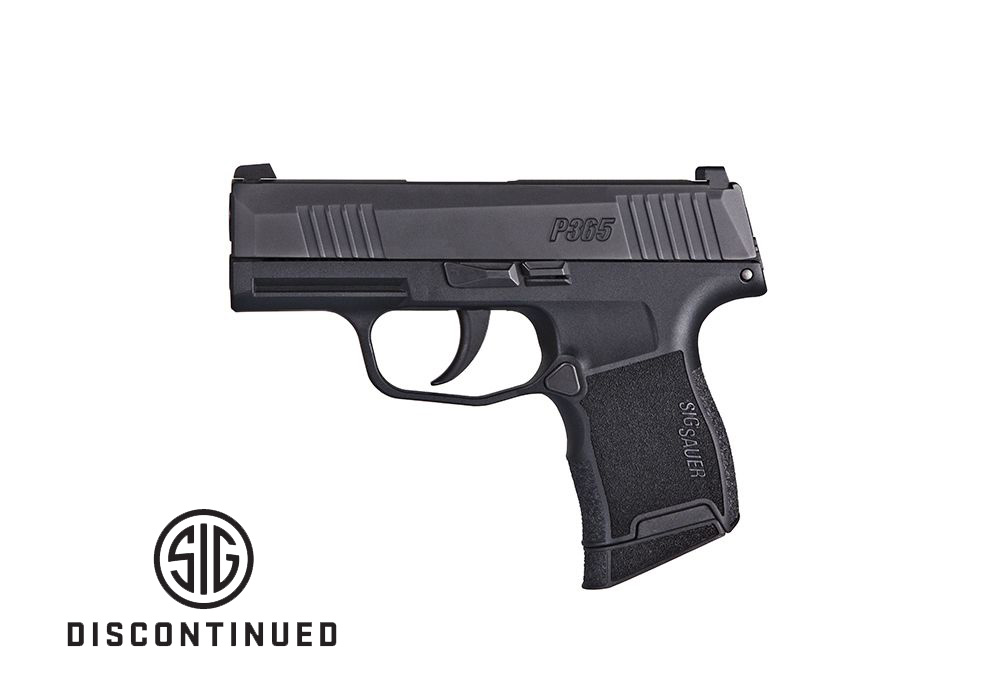
Handguns with modern safety features are designed to add layers of protection against unintentional firing while preserving the consistent handling and dependable operation many owners value. Depending on the configuration, those features may include a trigger safety, an internal striker or firing-pin block, drop-safe engineering, a manual thumb safety, and a loaded chamber indicator. A trigger safety is commonly built into the face of the trigger and helps prevent the trigger from moving unless it is pressed in a deliberate, straight-back motion. An internal striker or firing-pin block acts as a physical barrier that remains in place until the trigger is fully engaged. Drop-safe systems use internal components, springs, and blocks to help prevent discharge if a handgun is jarred or dropped. A loaded chamber indicator can provide a visible or tactile indication that a cartridge is present in the chamber, although it should never replace a direct safety check. For shoppers comparing different configurations, our selection of Pistols With Striker Safety Features offers a useful starting point for understanding how striker-fired designs incorporate passive safety elements. These handguns may suit experienced owners who want a familiar, streamlined setup, new purchasers seeking modern engineering, or anyone choosing a firearm for lawful concealed carry, home protection, training, or recreational range use. The right choice depends on more than appearance or a feature list. Grip size, overall dimensions, control placement, trigger feel, sight visibility, recoil characteristics, and the owner’s ability to operate the handgun confidently all deserve attention before purchase.
When comparing handguns with modern safety features, consider how the controls fit the setting in which the firearm will be used. A handgun intended for concealed carry may benefit from a compact profile, snag-resistant controls, and a grip that remains secure while drawing from an appropriate holster. A handgun selected for home defense may place greater emphasis on a comfortable grip, visible sights, straightforward operation, and secure storage that allows authorized access while keeping the firearm away from children, visitors, and unauthorized users. Some owners prefer passive internal safeties that work automatically as part of the trigger system, while others appreciate the additional confirmation provided by an external manual safety. Neither preference removes the need to follow the four fundamental rules of firearm safety: treat every firearm as loaded, keep the muzzle pointed in a safe direction, keep the trigger finger outside the trigger guard until ready to fire, and be certain of the target and what lies beyond it. A loaded chamber indicator is helpful for status awareness, but responsible handling still means visually and physically verifying the chamber according to the manufacturer’s instructions. Safe storage is equally important. A locked container, quick-access safe, or other appropriate locking device can help prevent unauthorized handling during cooler months when household routines, guests, and indoor activities may change. Owners should also review local laws governing possession, transport, carry, storage, and transfers, and should use a properly fitted holster that fully protects the trigger guard when carrying.
These products can be appropriate for a range of lawful ownership needs, but a handgun should be selected for the individual who will actually operate it rather than given as an unexpected gift. For a gift involving a firearm, the recipient’s preferences, eligibility, training, and local transfer requirements should be established in advance, and the transaction should be completed through the legally required process. Many first-time owners benefit from taking a recognized safety course and practicing with a qualified instructor before relying on a handgun for personal protection. Even experienced shooters should spend time becoming familiar with a new configuration, particularly when moving between a manual safety and a passive safety system or between different grip sizes and control layouts. At the range, careful practice can build comfort with a consistent grip, sight alignment, trigger control, safe loading and unloading, and the use of the handgun’s specific safety features without rushing. At home, a written storage plan can help every authorized adult understand where the firearm is kept, who may access it, and what to do in an emergency. The most useful modern safety feature is part of a larger system that includes responsible selection, secure storage, regular maintenance, appropriate ammunition, professional instruction, and disciplined handling. By considering these factors together, shoppers can choose from recommended handguns with modern safety features that align with their experience, intended use, and commitment to safe ownership throughout the year.