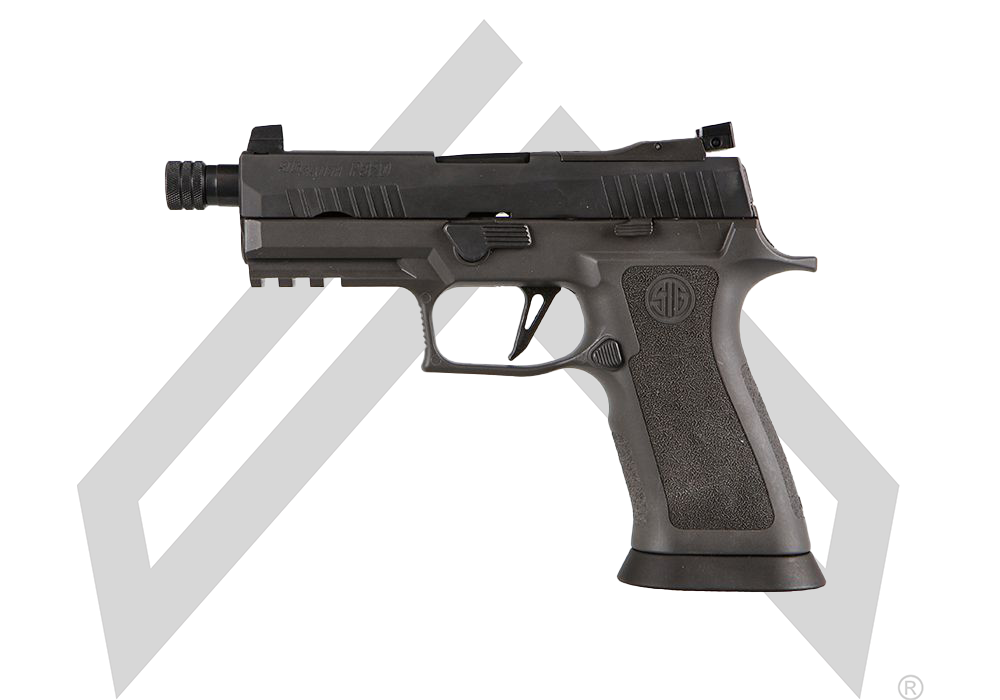
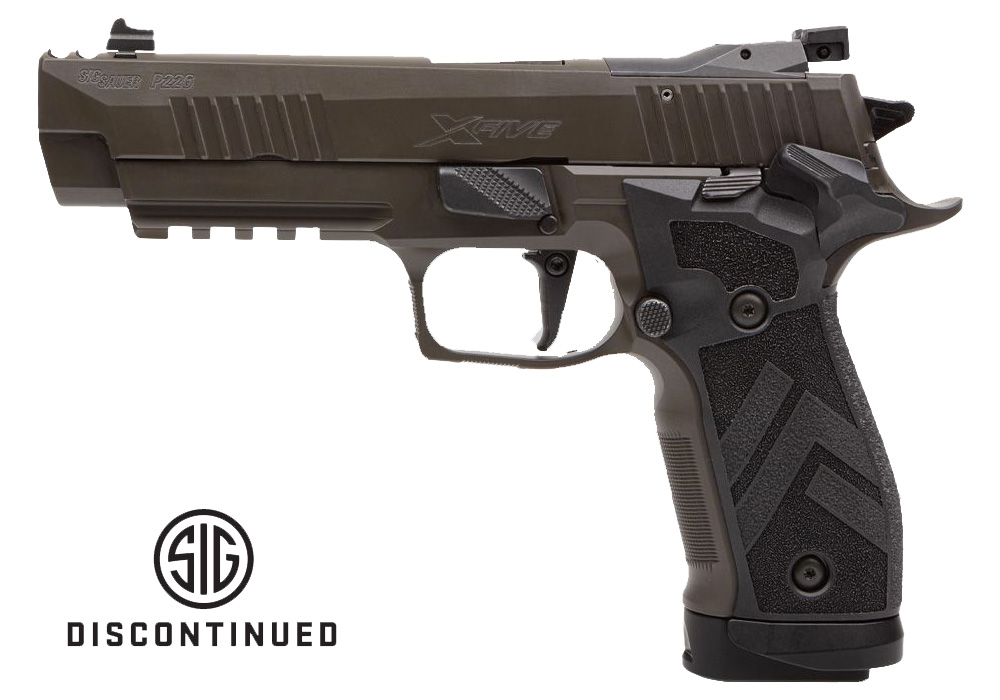
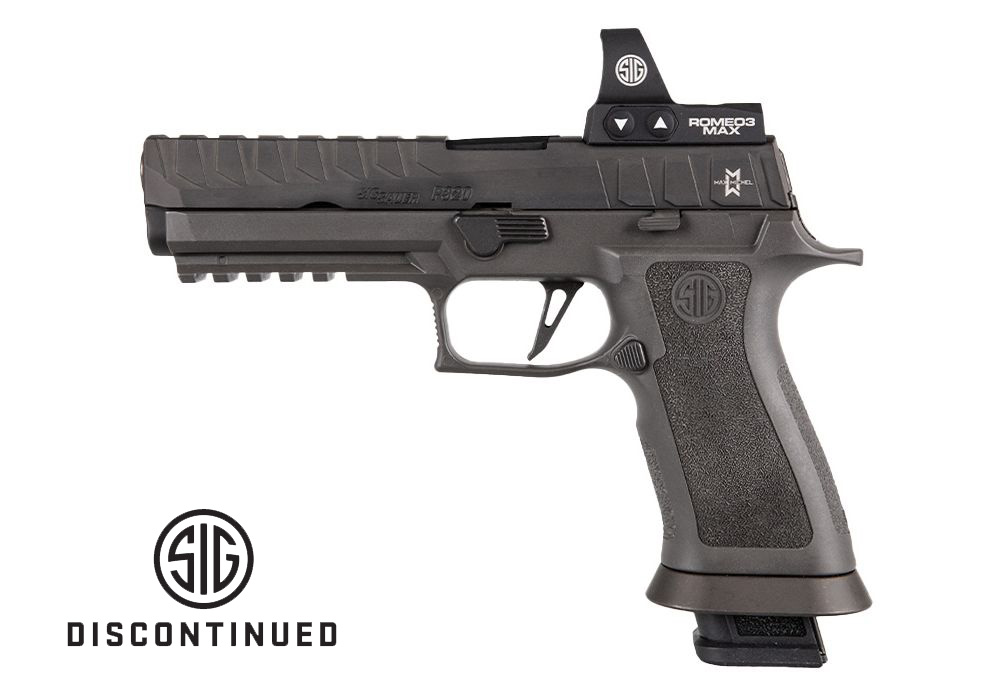
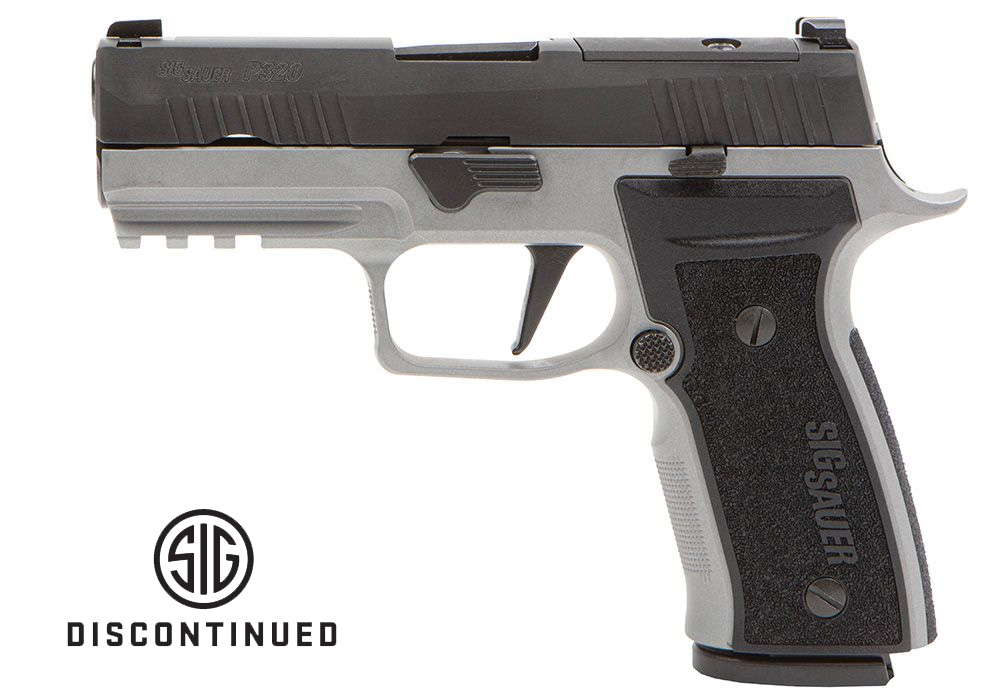
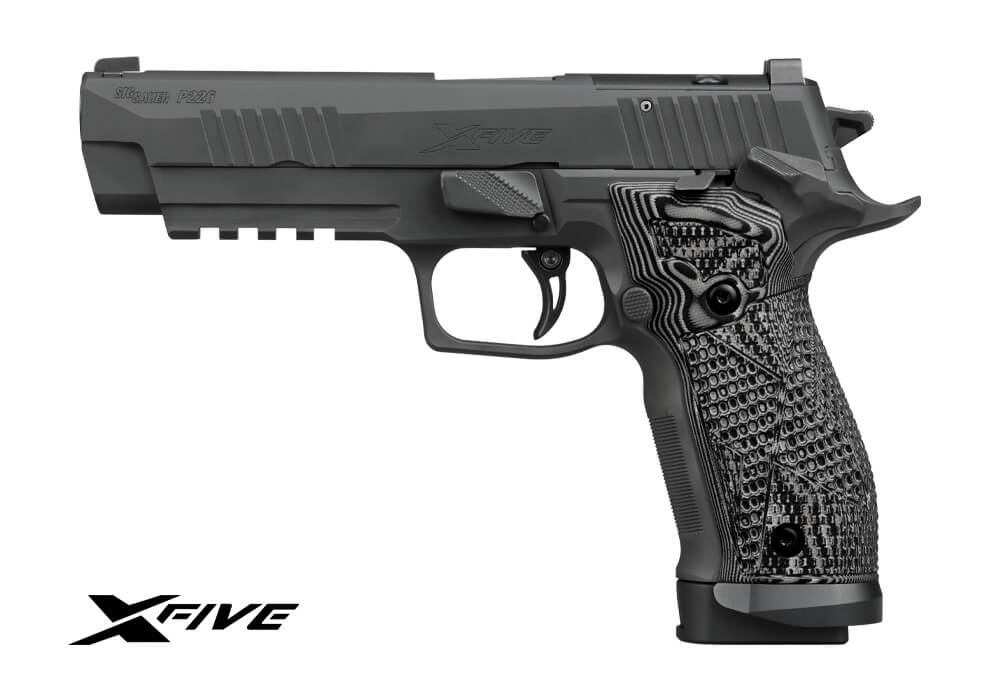
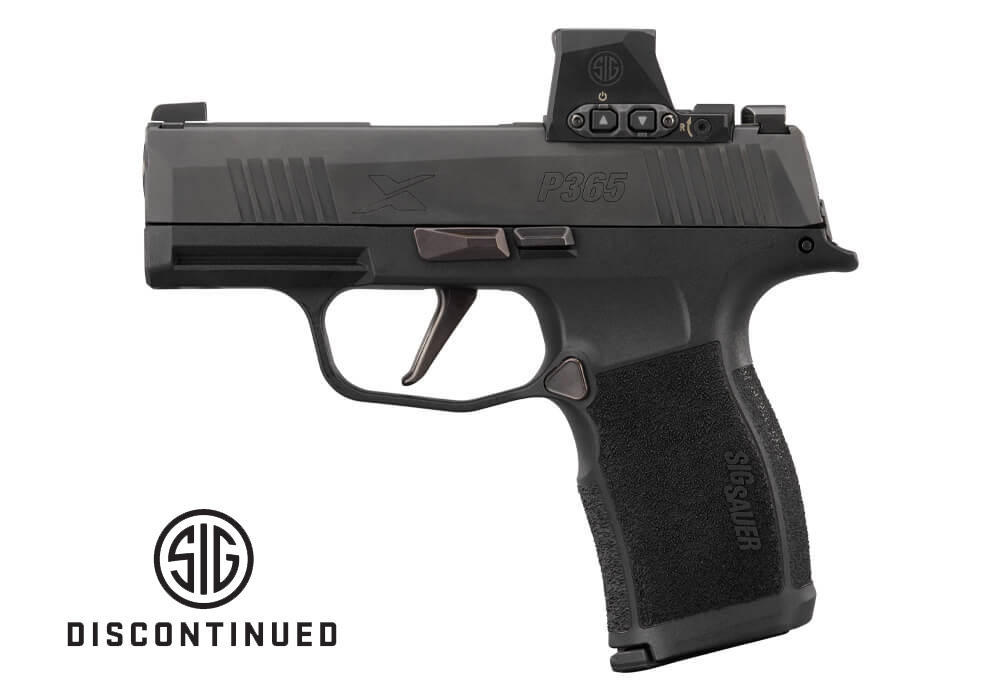
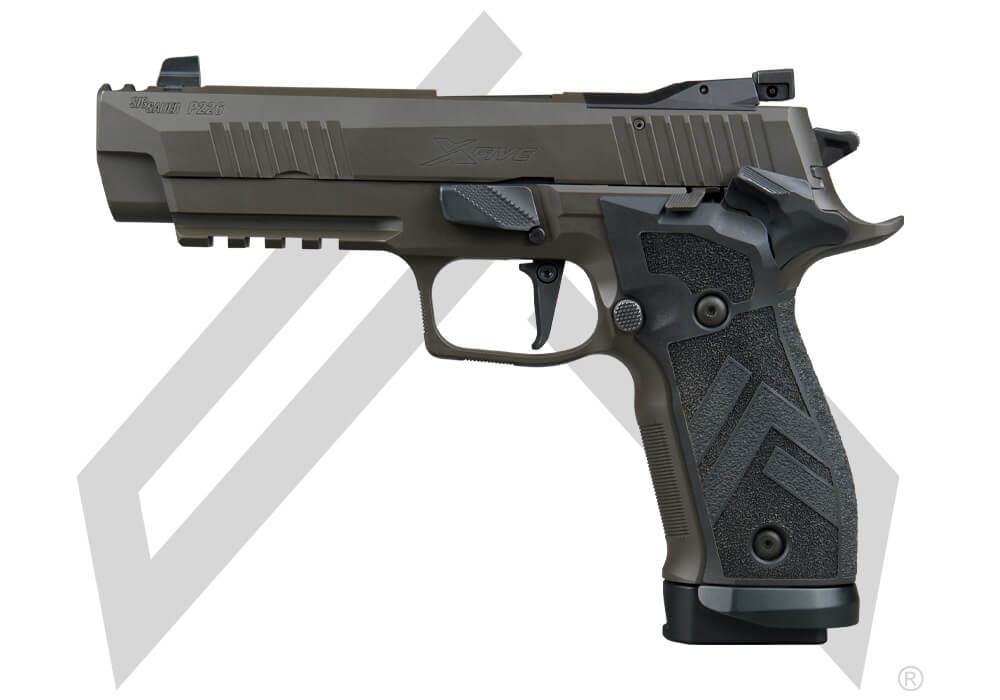
Handguns with redesigned trigger springs are selected by shooters who want a more refined trigger system while retaining the familiar operation and handling of a proven handgun platform. A trigger spring works within the fire-control system to help manage trigger movement, return, and reset. Depending on the design, a revised spring may contribute to a lighter or more consistent pull, a smoother break, or a quicker return to the ready position. These changes can be especially noticeable on handguns with a heavier double-action pull, a pronounced change in resistance during the stroke, or a reset that feels slow under deliberate practice. Striker-fired, hammer-fired, compact, full-size, and competition-oriented handguns can all use different spring arrangements, so compatibility is the first consideration when reviewing products in this category. A spring intended for one frame, trigger system, or generation may not be suitable for another, even when the handguns appear similar from the outside. Carefully compare the listed model, caliber, operating system, and configuration before purchase, including whether the handgun uses a manual safety, a decocker, a standard or extended capacity magazine, or other features that may affect the fire-control assembly. The goal is not simply the lightest possible trigger. A well-matched spring should support a predictable press, a positive reset, and reliable ignition while preserving the safety characteristics expected from the handgun. Shooters often notice the difference during slow, controlled practice: the trigger finger moves smoothly through the stroke, the break feels repeatable, and the sights remain steadier as the shot is released. That kind of consistency can make practice more productive for experienced owners, concealed-carry users, recreational shooters, and competitors who spend long sessions working on sight alignment and trigger control.
Purchase decisions should also account for the intended role of the handgun. A carry handgun may benefit from a clean, consistent trigger that remains deliberate under stress, while a range or competition handgun may be configured around a different balance of pull weight, reset speed, and shooter preference. A redesigned trigger spring can influence the feel of the entire system, but it does not replace proper grip, sight alignment, recoil management, or safe handling habits. Changes to a firearm’s fire-control components deserve the same care as any other modification. Installation should be performed only by someone qualified to work on that specific handgun, and the completed firearm should be checked for proper trigger movement, reset, safety engagement, primer ignition, and reliable cycling before it is carried or used for defensive purposes. If there is any uncertainty about compatibility or function, consult the handgun’s manufacturer, a qualified gunsmith, or an appropriately trained armorer rather than relying on appearance alone. Keep the original spring and related components organized, since they may be useful for comparison or restoration. It is also wise to inspect the spring periodically for unusual wear, deformation, corrosion, or loss of tension, particularly when the handgun is used frequently, stored in a humid environment, or exposed to dust and residue. A clean, well-maintained firearm provides a better basis for evaluating any trigger change than one affected by fouling or neglected lubrication. Safe storage remains essential as well: keep the handgun unloaded when appropriate, secure it from unauthorized access, and store ammunition separately according to applicable laws and household needs. For additional context on spring-related firearm components and safe ownership practices, visit Gun Safety Springs.
These handguns may appeal to an owner refining an established training routine, a new shooter choosing a platform that feels manageable, or a qualified enthusiast assembling a carefully matched setup for range use. They can also be considered as a gift for an adult recipient who already owns a compatible handgun and has a clear preference for its trigger feel, though firearm gifts and component transfers must always follow federal, state, and local requirements. Confirm the recipient’s eligibility, the legality of the transfer, and the exact handgun model before selecting a spring-related accessory; a gift that fits the wrong configuration is inconvenient at best and unsafe at worst. During the warmer part of the year, many shooters spend more time at outdoor ranges, where a consistent trigger can help them settle into a repeatable cadence across slow-fire drills and controlled strings. During the cooler months, indoor practice and maintenance sessions can be a useful opportunity to evaluate whether the trigger system feels predictable with gloves removed, a firm two-handed grip, and deliberate follow-through. Regardless of the season, users should begin with familiar ammunition and controlled conditions, follow the owner’s manual, wear suitable eye and ear protection, and stop immediately if the handgun displays an unexpected reset, failure to fire, light primer strike, trigger movement, or other change in operation. A redesigned spring should be viewed as one component in a complete, carefully maintained system rather than a shortcut to better shooting. Match the component to the handgun, choose a configuration suited to the intended use, prioritize reliable function over an unusually light pull, and allow time for safe verification before depending on the result. With those considerations in mind, this collection offers a practical starting point for owners seeking a more consistent trigger feel without losing sight of responsible handling, professional installation, and dependable performance.