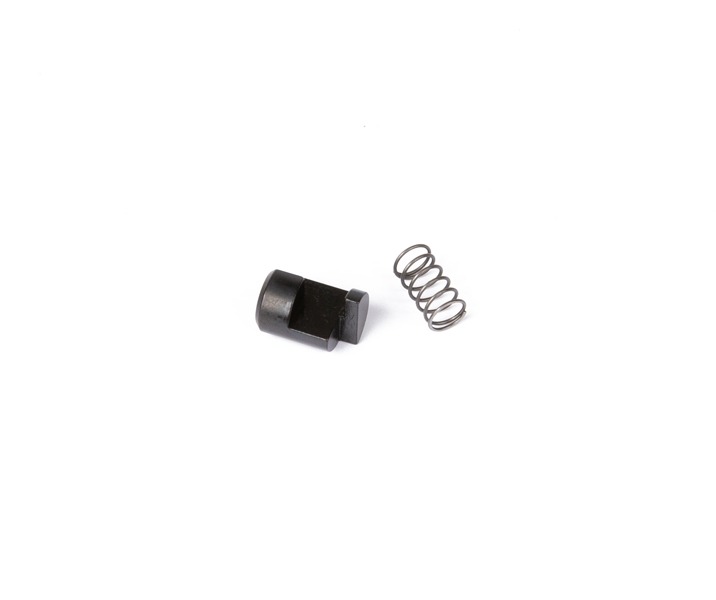
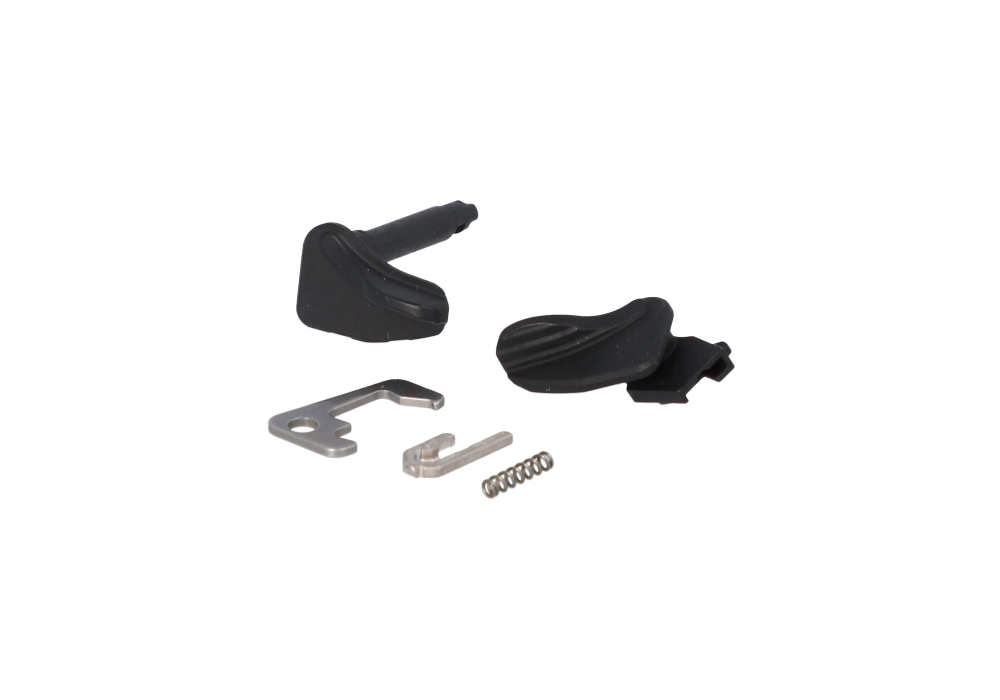
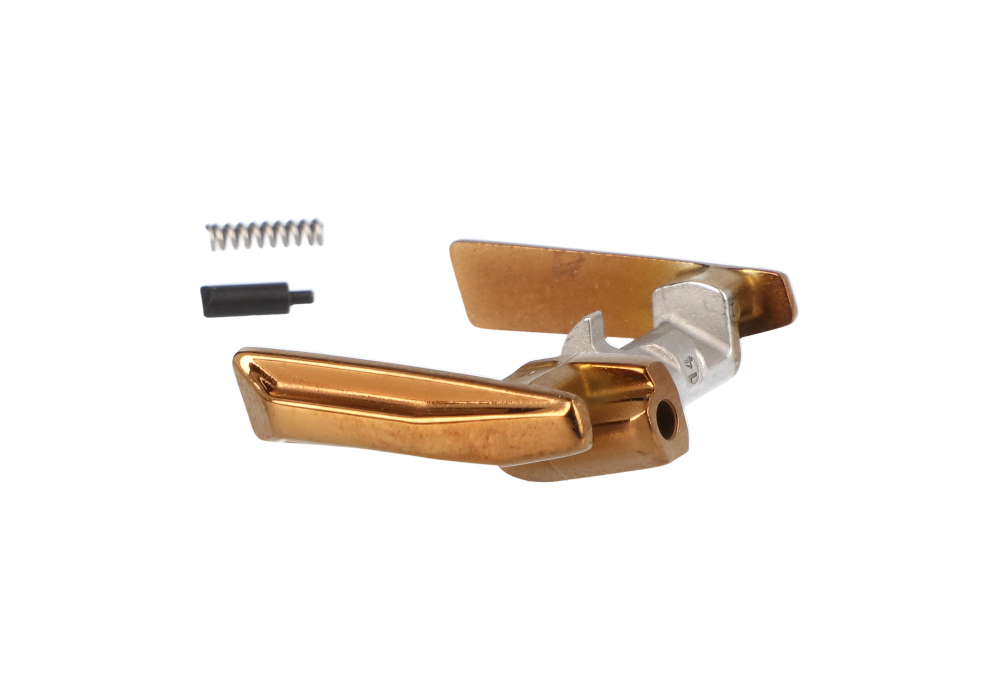
Gun safety springs are firearm components that supply spring force within a safety mechanism, helping its parts return to or remain in the positions intended by the firearm’s design. Depending on the mechanism, a spring may work with a detent or another control element to support positive engagement and consistent movement. These parts have a different job from recoil springs, which help manage the movement of an action during cycling, and the two categories should not be treated as interchangeable. For shoppers comparing gun safety springs, the most important consideration is the exact firearm and safety assembly the part is intended to serve. A spring that looks familiar in a photograph may still have a different shape, working range, or relationship to adjacent components. Even firearms with similar names or nearly identical frames can use different internal arrangements across model generations and configurations. Compatibility therefore depends on documented application information, not appearance alone. A clear description of the intended assembly is more useful than a broad claim that a spring fits an entire family of firearms. The distinction matters for owners maintaining an established range firearm, collectors preserving an original configuration, and professionals arranging routine service. It also matters when a firearm has an uncertain service history or previously altered internal parts. In those situations, identifying the existing assembly can be as important as identifying the firearm itself. A qualified gunsmith can assess that relationship before a replacement is selected. Safety springs belong within a complete mechanical system, so their suitability cannot be judged solely by whether they fit into an opening or resemble the part being replaced. Correct selection preserves the intended relationship among the spring, its seating surfaces, and the components it supports. An individual spring is not a universal remedy for an unexplained safety concern, and a change in the feel or operation of a safety control deserves professional evaluation rather than a parts purchase based on guesswork.
Materials and manufacturing quality help explain why two small springs can differ in suitability and service life. Firearm springs may use carbon steel, alloy steel, or stainless steel, with the material and treatment selected for the demands of a particular mechanism. The material name alone does not establish whether a spring is appropriate for a specific application. Wire characteristics, formed geometry, heat treatment, and surface condition all contribute to performance, while the original design determines how those qualities must work together. Stainless steel can offer corrosion resistance, but it is not immune to corrosion or a substitute for appropriate care. Other spring steels may rely on protective finishes and prescribed maintenance to resist surface deterioration. Smooth, consistent surfaces matter because corrosion and physical damage can affect a spring’s integrity, especially in a component that repeatedly flexes during normal operation. Durability is therefore a combination of suitable material, controlled production, correct application, and reasonable care rather than a single feature printed in a description. Fit deserves the same attention. A spring operates within limited space and interacts with neighboring parts, so an apparently minor difference can matter to the assembly. Neither a stronger-feeling spring nor a more pronounced control movement automatically indicates a better match. The relevant standard is the firearm manufacturer’s specification for that mechanism, not a preference for a particular feel. For a firearm that receives regular range use, service history can provide useful context when discussing replacement with a gunsmith. For one that spends substantial time in secure storage, inspection history and environmental exposure may be more informative than outward appearance. In either case, dependable maintenance starts with a verified application and a clear understanding of the component’s role. Product descriptions that identify the intended firearm configuration, assembly, material, and any stated compatibility limitations give shoppers a sounder basis for comparison than general durability language. Where those details are incomplete, confirmation through the manufacturer or a qualified service professional is more useful than an assumption based on dimensions or finish.
Care considerations for gun safety springs extend beyond the spring itself. The condition of the surrounding mechanism, adherence to the firearm manufacturer’s maintenance recommendations, and appropriate handling during service all influence the assembly’s long-term condition. Dust, residue, moisture, and unsuitable cleaning chemicals can affect internal parts, while unnecessary handling of a small component can introduce damage that is difficult to recognize without experience. Cleaning and lubrication requirements vary by firearm, so the applicable documentation should govern care rather than a general rule about adding more lubricant or polishing contact surfaces. Replacement springs are most relevant to owners addressing documented wear, completing manufacturer-recommended service, or having a qualified professional restore the specified configuration of a firearm with a known maintenance need. They are precision service components rather than casual accessories, and choosing one for another person requires accurate information about that person’s firearm and the work being performed. For an owner organizing a service appointment, having the correct model designation, configuration details, and maintenance records can help keep the discussion focused on the right application. The related Carry Gun Springs category may also be relevant when considering components for an everyday-carry firearm, although intended use never replaces confirmed mechanical compatibility. A firearm used for carry and one used primarily at the range may share a platform while still requiring different parts because of their individual configurations. That is why a category label is a starting point for comparison, not a fit guarantee. Professional installation and any required inspection or functional evaluation should follow the firearm manufacturer’s procedures. A replacement spring does not take the place of responsible handling, secure storage, or attention to the condition of the complete firearm. The most useful purchase is a correctly specified component selected for a clearly identified purpose, with compatibility established before service begins. That approach keeps the focus on preserving the firearm’s intended safety function rather than changing its operating characteristics or treating an unfamiliar symptom as a simple spring issue.