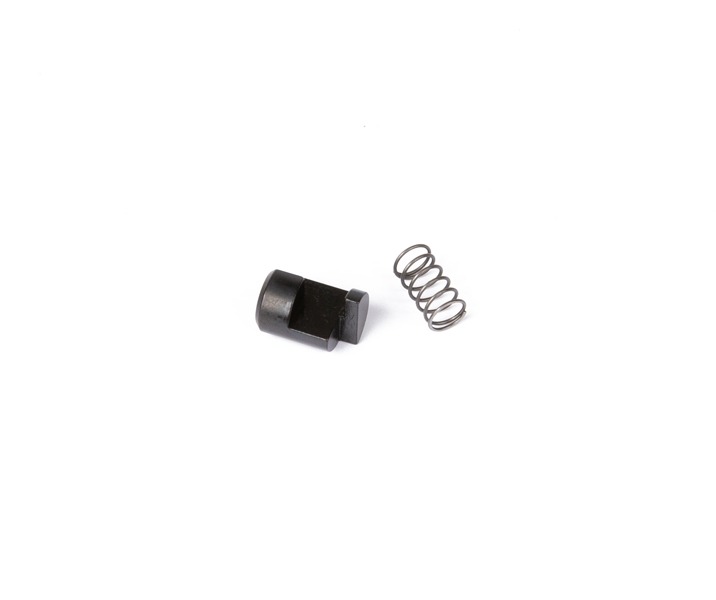
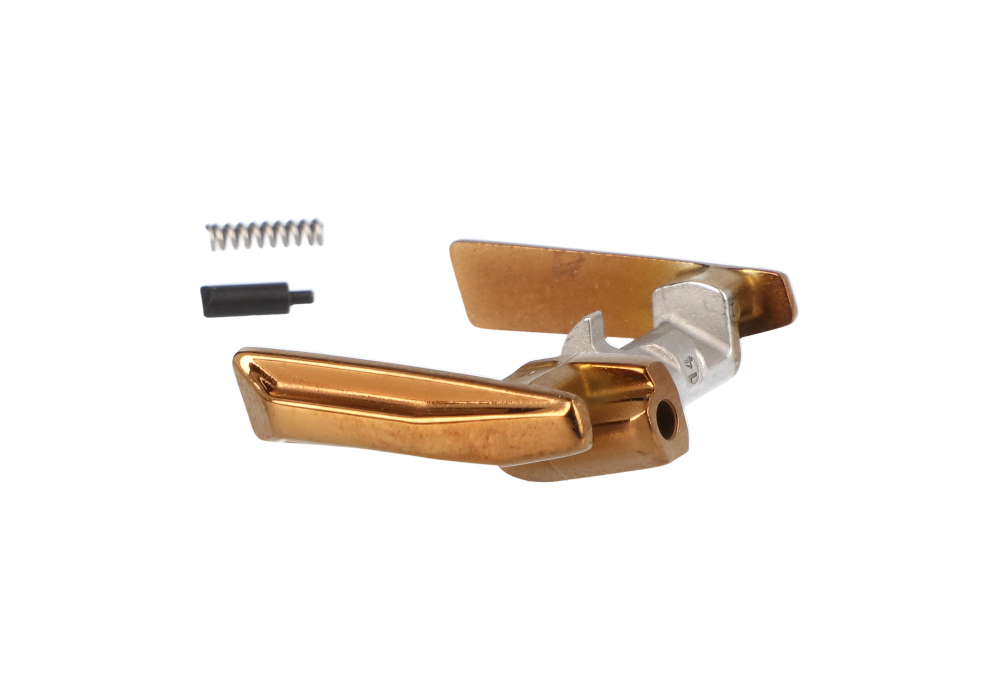
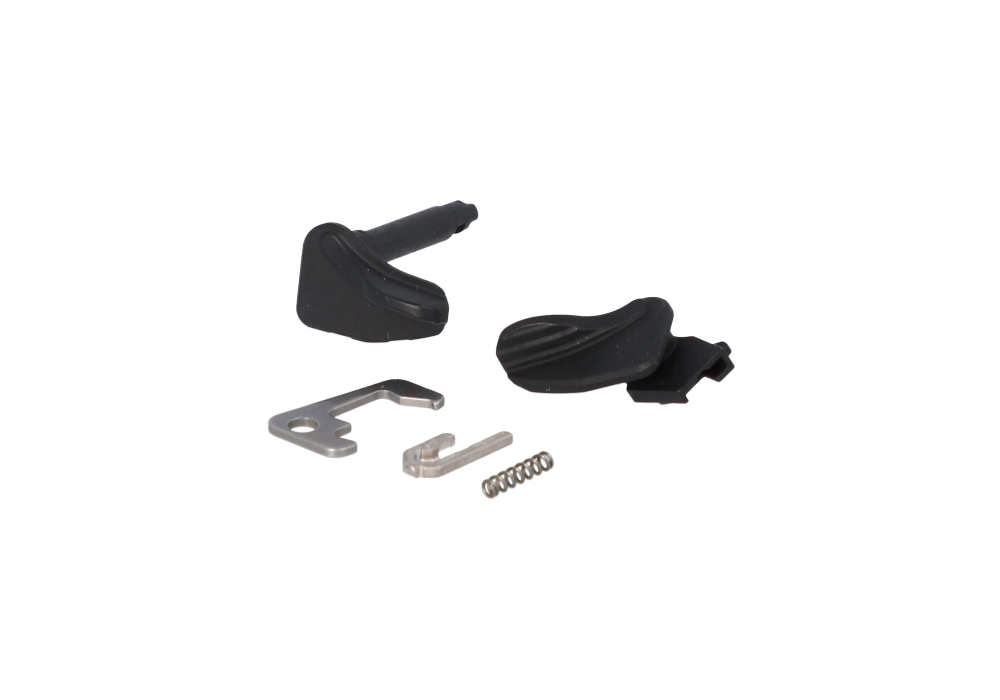
Gunsmith safety spring replacement kits bring together small replacement components for servicing firearm safety mechanisms and related assemblies. Depending on the application, a kit may contain springs alone or include matching detents, plungers, or other retaining components. These parts help maintain the engagement, positioning, or return movement specified for a particular mechanism. Their size can make them easy to overlook, but their compatibility and condition deserve the same attention as larger components. A spring intended for a safety selector is not interchangeable with every spring of similar appearance, and a general receiver repair kit does not necessarily contain the parts needed for a particular safety assembly. The package description and manufacturer’s documentation establish what each kit covers. This distinction matters for professional gunsmiths handling varied service work, armorers maintaining a group of firearms, and individual owners arranging repairs through a qualified professional. A scheduled inspection may identify a worn component, while an older firearm with an uncertain service history may require a broader assessment before replacement parts are selected. Neither situation calls for guesswork based on a photograph or the approximate size of an existing spring. The purpose of a correctly specified replacement is to support the firearm’s intended operation, not to alter its safety characteristics or compensate for damage elsewhere in the mechanism. Spring kits also differ from complete repair assemblies and gunsmithing tool sets: replacement hardware, installation tools, and diagnostic expertise serve separate roles. A package containing several small parts should not be assumed to cover every aspect of a repair. Clear descriptions of included components, intended applications, and compatibility limitations help distinguish a focused safety spring kit from a broader assortment of maintenance parts. That clarity is especially useful when similar names describe different assemblies across handgun and rifle designs, or when an owner needs to communicate a service requirement accurately to a gunsmith.
Fit is the central consideration when comparing Gun Safety Springs and related replacement kits. Compatibility can depend on the firearm’s exact model, production revision, and existing assembly configuration, not simply its general platform or outward appearance. Two springs may look nearly identical while differing in dimensions, end shape, or mechanical characteristics that affect their suitability. Matching detents and plungers can be equally application-specific because their profiles and contact surfaces interact with surrounding components. A reliable fit assessment therefore rests on documented specifications rather than visual similarity alone. Materials also contribute to service life. Spring steels are selected for their ability to flex repeatedly within a defined operating range, while stainless alloys or protective finishes may offer corrosion resistance suited to a particular design. No material description, however, replaces confirmation that the component is appropriate for the intended assembly. Stainless steel is not a promise of immunity to corrosion, and a dark surface finish does not by itself establish hardness, durability, or compatibility. Wire quality, forming consistency, heat treatment, and surface condition can all influence how a spring performs over repeated cycles. Rough surfaces, corrosion, distortion, or damage may warrant professional evaluation, but appearance alone cannot confirm that a spring meets its original specification. The same caution applies to surrounding hardware: a fresh spring cannot resolve every problem associated with worn engagement surfaces, damaged housings, or an incorrectly assembled mechanism. For an owner bringing a familiar firearm to the service counter, a clear description of the concern is more useful than a request for whichever replacement seems closest. For a gunsmith evaluating a kit, traceable specifications and unambiguous application information help establish whether its contents belong in that repair. The most meaningful measure of quality is not an exaggerated claim about strength or a promise of universally improved operation. It is a suitable component, consistent construction, and a documented match to the mechanism it is intended to support. Replacement for maintenance should remain distinct from any change to the firearm’s original operating characteristics.
Care and organization matter because small service parts are vulnerable to contamination, corrosion, and simple identification errors. A loose spring at the bottom of a drawer can be difficult to distinguish from another part, even when both originally arrived in clearly labeled packaging. Keeping replacement components identified by their documented application preserves useful information for future service and helps prevent unrelated hardware from becoming mixed together. Clean, dry storage and protection from moisture support long-term condition, while any lubricant or cleaner used around a safety assembly should be consistent with the firearm manufacturer’s guidance. More lubricant is not automatically better; residue and debris can complicate the assessment of small moving parts. For firearms used regularly at a range or in professional training, service decisions should reflect the manufacturer’s recommendations, operating history, and inspection findings rather than a universal replacement interval. Firearms used less often still benefit from appropriate condition checks, particularly when their maintenance history is incomplete. A positive-feeling selector or an audible click is not, by itself, proof that the entire safety system is functioning correctly. Inspection and verification by a qualified gunsmith remain important whenever safety-related components require attention. These kits are therefore practical maintenance supplies for professional workbenches and for owners coordinating documented service, rather than casual accessories selected on appearance. They can also support continuity in maintenance records by allowing the exact replacement components and service date to be recorded alongside other work. That record becomes useful when a firearm changes hands, returns for inspection, or develops a concern that requires comparison with earlier service. Thoughtful selection centers on fit, material suitability, clear identification, and the condition of the complete assembly. A correctly matched kit addresses a defined maintenance need; it does not replace safe handling, professional judgment, or the broader responsibility of keeping a firearm in proper working order. Those considerations give these small components their practical importance throughout the firearm’s service life.