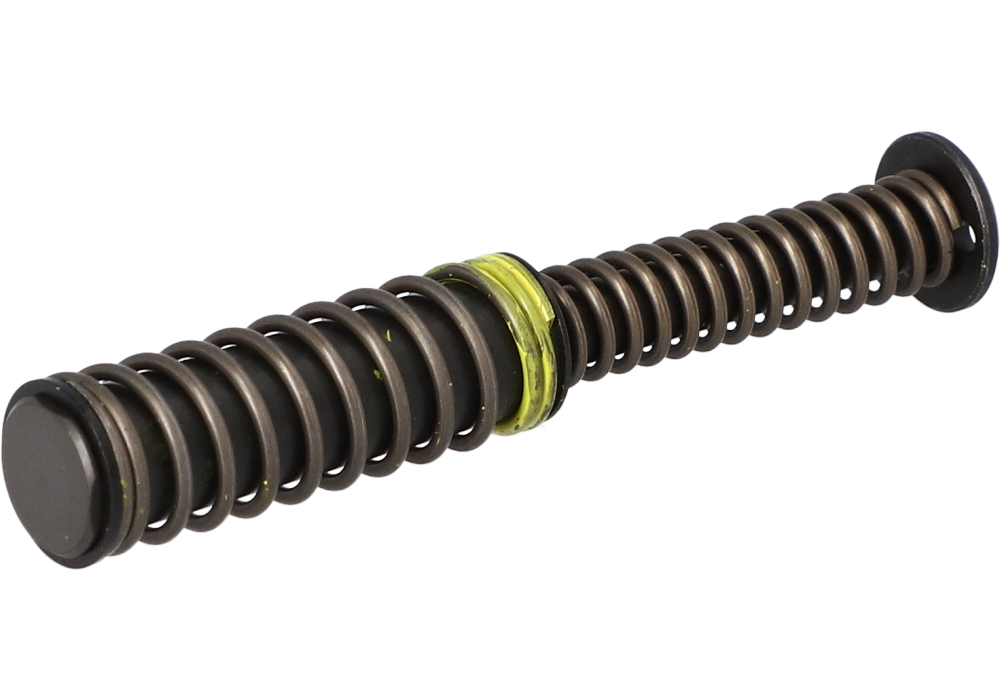
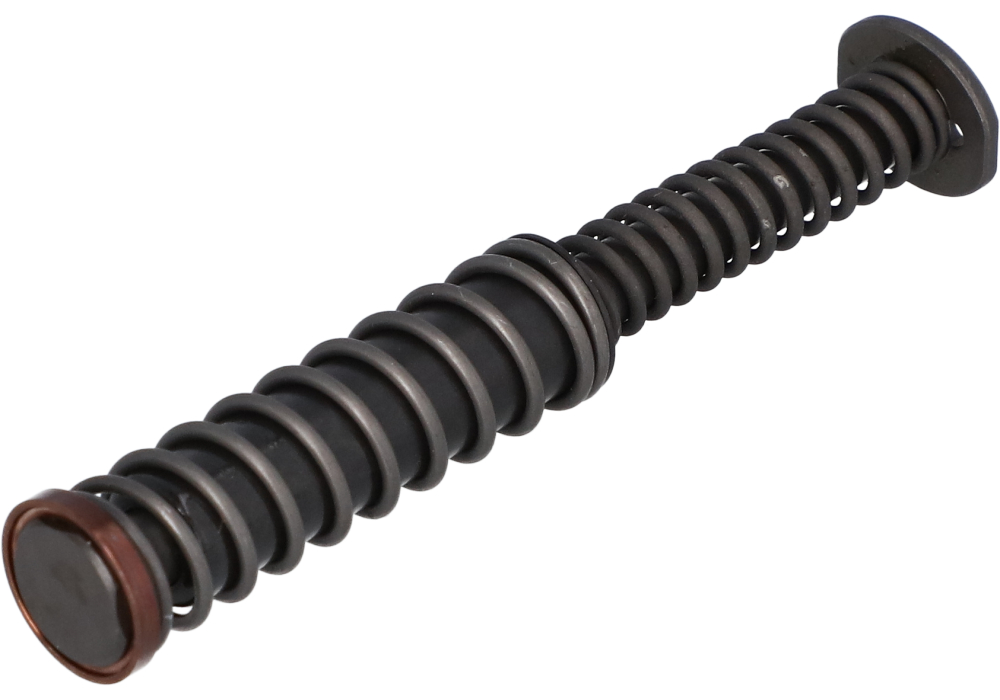
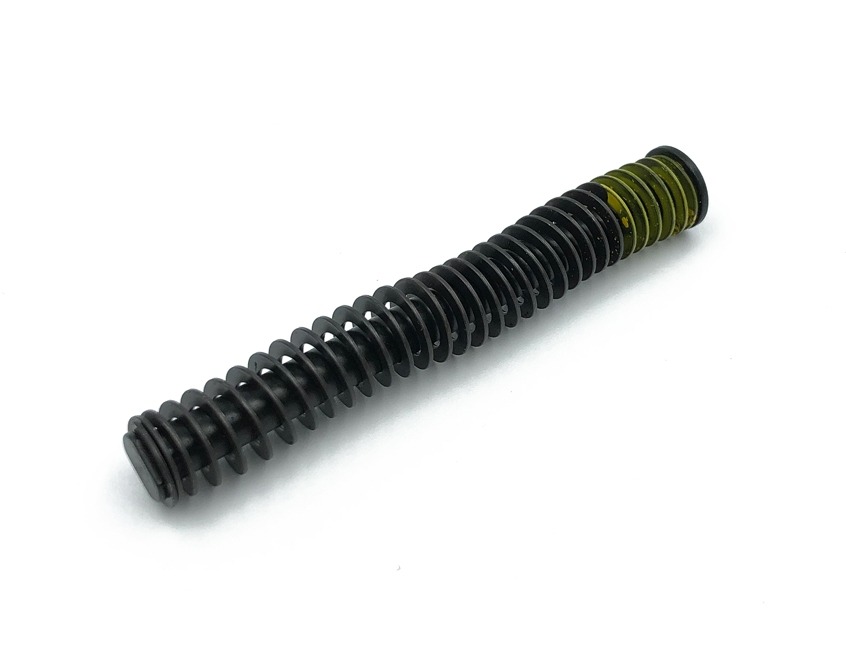
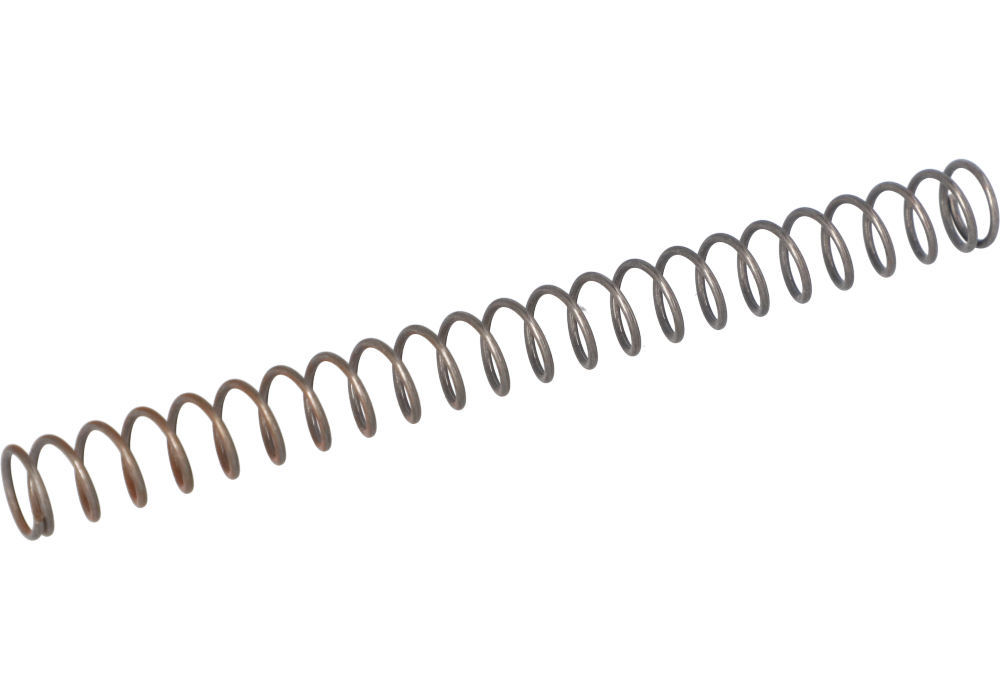
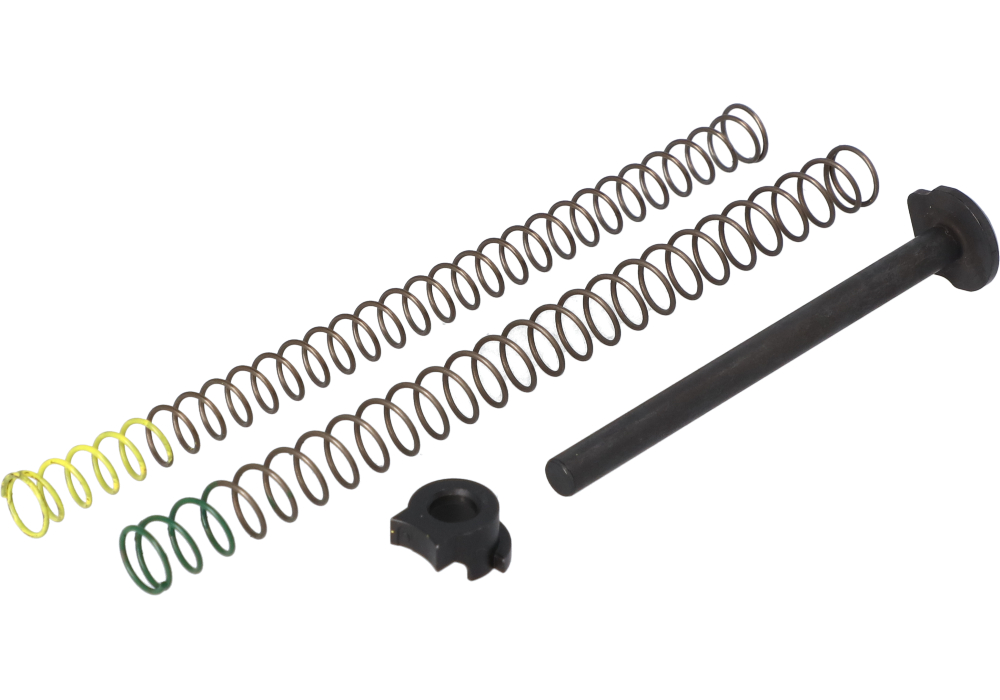
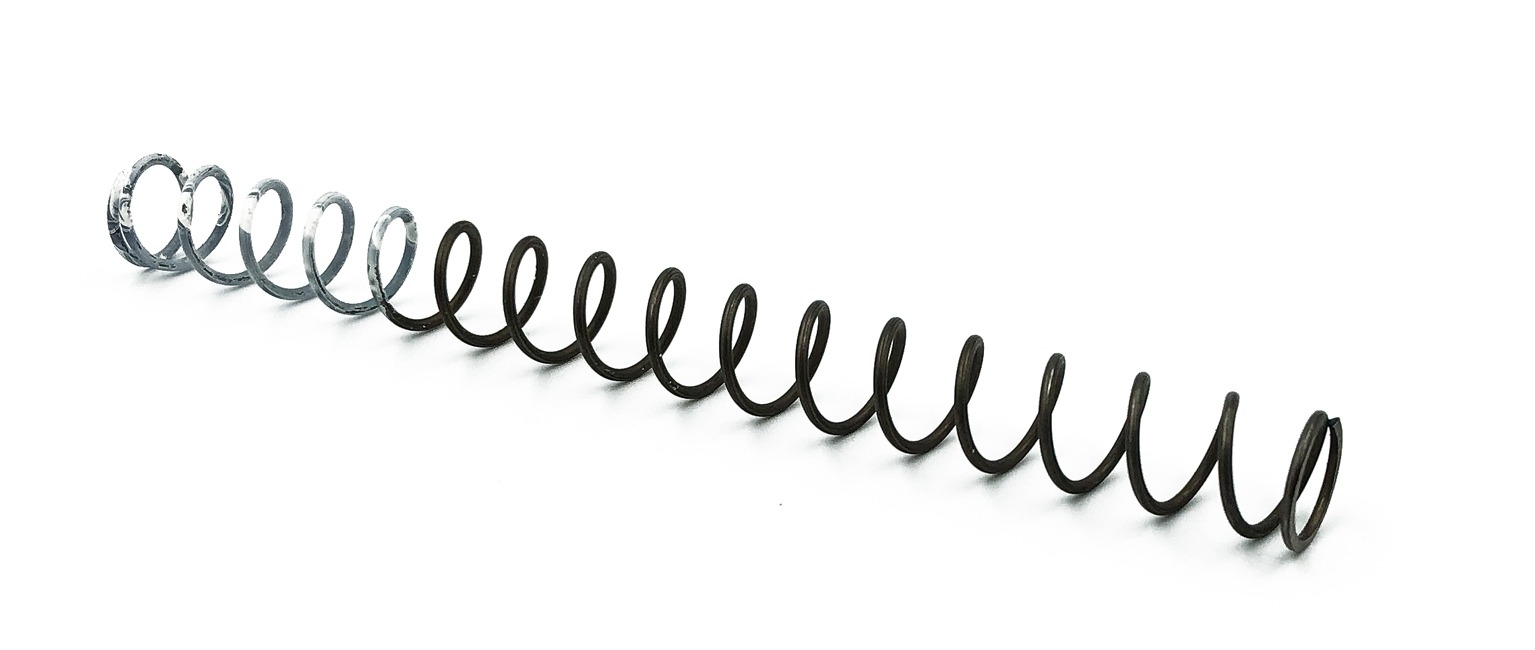
Carry gun springs are small internal components with an important role in the dependable operation of a concealed-carry pistol. Recoil springs absorb and manage the energy generated when a round is fired, then help return the slide to battery so the next cartridge can be chambered. Magazine springs maintain upward pressure on cartridges, guiding them into position for reliable feeding as the magazine cycles. Depending on the firearm’s design, striker or hammer springs provide the force needed to ignite the primer when the trigger is pressed, while other internal springs support controls, safeties, and reset functions. Because these parts work through repeated compression, expansion, and impact, they gradually experience fatigue, take a set, or lose tension over time. A pistol carried regularly may spend long periods loaded, ride against clothing and perspiration, and be exposed to dust, lint, temperature changes, and everyday movement. Even when it is not fired often, its springs remain part of a working system that deserves thoughtful maintenance. Replacement carry gun springs can help restore the intended operating characteristics of a well-used firearm, support consistent cycling, and provide a practical way to keep critical components fresh. They may be useful for a concealed-carry owner who practices regularly, a new owner assembling a maintenance kit, or an experienced shooter preparing a backup pistol for the cooler months when heavier clothing and changing carry conditions can affect access and handling. They can also make a sensible gift for a responsible firearm owner, particularly when selected for the correct make, model, caliber, and configuration rather than chosen as a generic accessory.
Selecting the right spring starts with identifying the exact firearm and the specific component being replaced. Recoil springs are not interchangeable across every pistol, even when two models appear similar, and the correct weight depends on the design, barrel length, ammunition, and intended use. Magazine springs must match the magazine body and its standard or extended capacity, as the spring length and tension need to support the full cartridge stack without interfering with insertion or feeding. Striker and hammer springs likewise vary by platform and should be chosen with careful attention to the manufacturer’s specifications and the firearm’s intended configuration. Factory-replacement and precision aftermarket options may both be appropriate, but the goal should always be dependable function rather than simply selecting the strongest spring available. An excessively heavy recoil spring can make manual cycling more difficult or interfere with reliable operation, while an overly light spring may allow sharper slide movement and unnecessary impact on internal parts. Ammunition also matters: changes in bullet weight, pressure, or load characteristics can alter how a slide cycles. For that reason, a spring that performs well with one load should be evaluated before being trusted with another. A practical inspection may reveal a spring that has become visibly shortened, uneven, kinked, or weak, although appearance alone cannot determine service life. Keep records of round counts, training sessions, and maintenance, and follow the firearm manufacturer’s recommendations for inspection and replacement. After installation, function checks should be performed with the firearm unloaded, followed by supervised live-fire testing using the ammunition intended for carry. Any failure to feed, extract, return to battery, reset, or fire should be treated seriously, and the firearm should be inspected by a qualified gunsmith before being returned to defensive use.
Carry gun springs are best viewed as part of a complete reliability routine rather than as an isolated performance upgrade. A clean firearm, properly maintained magazines, suitable ammunition, secure holster, and consistent practice all contribute to confidence when carrying. During a typical range session, a shooter may notice subtle changes: the slide feels slower to close, the magazine follower hesitates near the final rounds, or the pistol’s recoil impulse seems different from what has become familiar. Those observations are useful reminders to inspect the system before a small maintenance issue becomes a larger interruption. Keeping a spare set of correctly matched springs on hand can be especially convenient for someone who carries daily, travels for training, or prefers to complete routine maintenance without waiting for a part to arrive. Owners of compact and subcompact pistols may pay particular attention because shorter slides and smaller operating margins can make spring condition especially important, while owners of larger pistols may find related replacement information among Full Size Gun Springs. Any installation should begin with the firearm unloaded, the magazine removed, and the chamber visually and physically checked according to safe handling practices. If the replacement process requires unusual disassembly, specialized tools, or uncertainty about correct orientation, professional service is the right choice. Springs are inexpensive compared with the value of a dependable carry setup, but correct fit and proper testing matter more than convenience. With the right component selected for the right pistol, carry gun springs can support smooth cycling, consistent feeding, and a maintenance plan built around responsible, repeatable preparation.