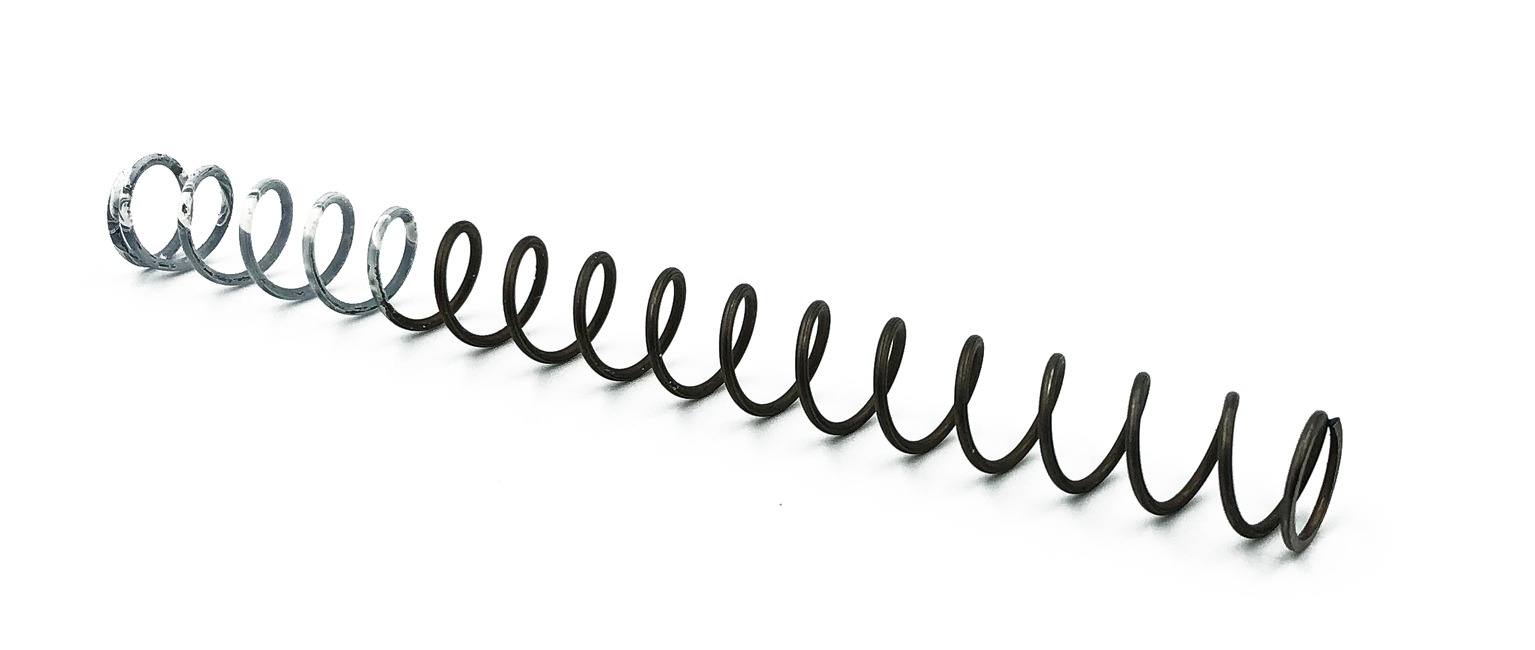
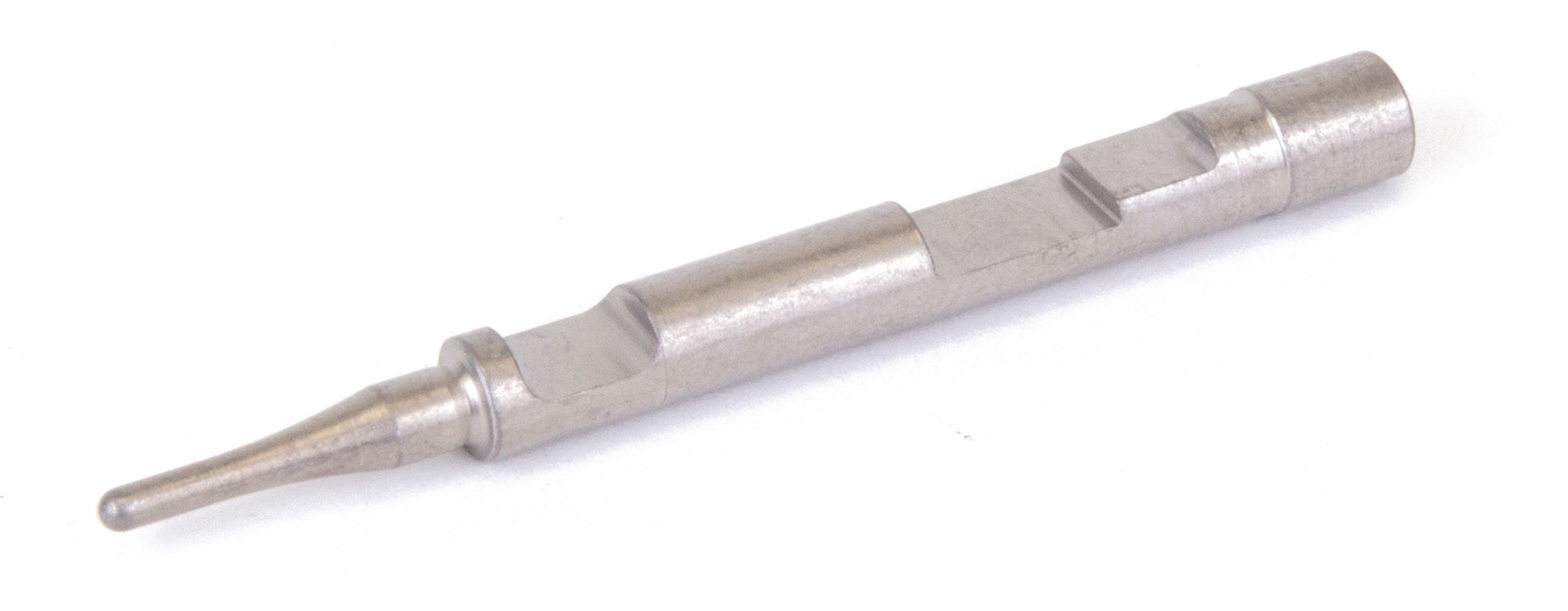
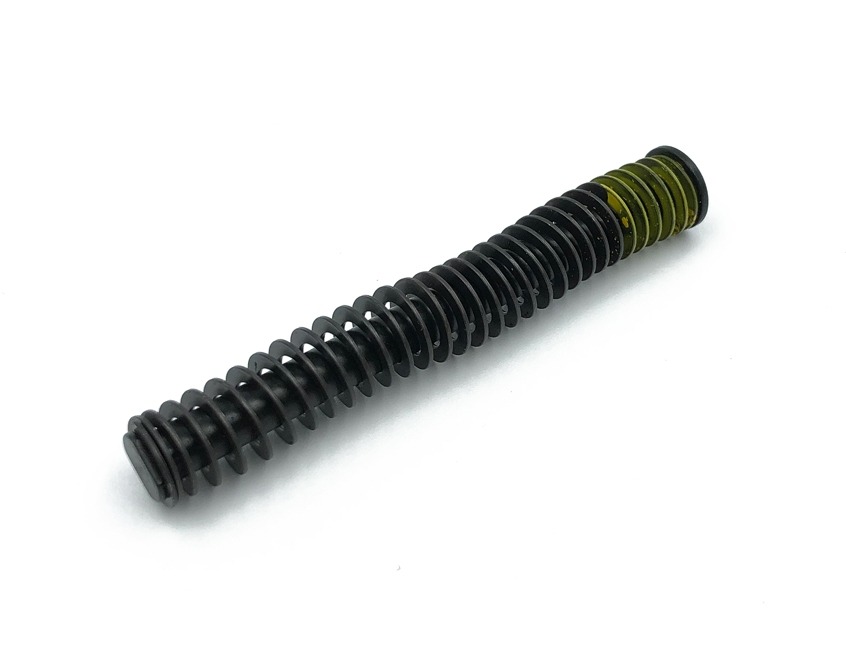
Handgun spring replacements are practical service parts for maintaining dependable function, consistent cycling, and a familiar feel from one range session to the next. Springs work under constant compression, tension, and repeated impact, so even a well-maintained handgun will eventually benefit from fresh components. A recoil spring helps manage rearward slide movement, absorb energy, and return the slide to battery with the timing intended by the firearm’s design. Striker and hammer springs support reliable ignition and can influence trigger characteristics, while magazine springs maintain the upward pressure needed to present cartridges for smooth feeding. Because these parts are specific to a handgun’s model, configuration, and sometimes barrel length or ammunition setup, shoppers should confirm the exact firearm designation before ordering. A spring that appears similar may not have the correct dimensions, rate, or fit. The owner’s manual and manufacturer service recommendations are the best starting points, particularly when choosing between standard and extended capacity magazines, compact handguns, and full-size platforms. It is also important to verify whether a replacement spring is intended for the recoil assembly, firing mechanism, or magazine rather than assuming all handgun springs serve the same purpose. When the correct part is selected, replacement can help restore the operating characteristics the owner knows and trusts without changing the handgun’s intended setup.
Wear does not always announce itself dramatically. A recoil spring may gradually lose tension, allowing the slide to move faster or farther than expected, and an owner may first notice that spent brass lands well beyond its usual six- to eight-foot pattern. Other signs can include failures to feed, failures to extract, a slide that does not return completely to battery, sluggish movement, or visible spring damage such as flattened coils, kinks, or uneven spacing. These symptoms can also result from ammunition, magazines, lubrication, grip, fouling, or other mechanical concerns, so replacing a spring should be part of a thoughtful inspection rather than an automatic solution to every cycling issue. General service intervals are often discussed in the range of 3,000 to 5,000 rounds for recoil springs, while smaller concealed-carry handguns may call for attention sooner, sometimes around 2,500 rounds, depending on the design and use. Those figures are useful reference points, not universal rules. Frequent practice, heavy loads, shortened barrels, extended storage under compression, or demanding environmental conditions may affect service life. After installation, responsible owners should follow the manufacturer’s function-check guidance and confirm safe operation at an appropriate range using the ammunition and magazines they normally rely on. If the spring system is difficult to disassemble, the handgun has an unusual configuration, or the owner is uncertain about safe reassembly, a qualified gunsmith or authorized service professional should handle the work. The firearm should be unloaded, the chamber and magazine well verified clear, and all handling should follow applicable laws and safe-storage practices.
Handgun spring replacements can be a sensible addition to a maintenance kit for experienced shooters, instructors, competitive participants, private-security professionals, and anyone who keeps a handgun ready for regular training. They can also make a useful gift for a knowledgeable handgun owner, although the giver should confirm the exact make, model, generation, caliber, and intended spring location before purchasing; a gift card or carefully verified part is more practical than a package chosen by appearance alone. Owners who train through changing conditions may appreciate having a properly identified spare available before a long range trip, a class, or a season of more frequent practice, especially when cooler weather brings additional range time and storage routines change. Keep replacement springs in their original packaging or a labeled container so recoil, striker, hammer, and magazine components do not become mixed together. Record the installation date and approximate round count in a maintenance log, and inspect the removed spring for comparison without relying on visual appearance alone. Some owners may be interested in design updates that address trigger-system performance across a handgun platform; related selections can be found among Handguns With Redesigned Trigger Springs. Whether replacing a worn recoil spring, refreshing magazine tension, or servicing an ignition component, the goal is straightforward: use the correctly specified part, preserve the handgun’s intended function, and keep maintenance predictable. A small spring may be easy to overlook, yet its role is felt in the slide’s movement, the magazine’s presentation, the ignition sequence, and the overall confidence that comes from a properly serviced firearm.