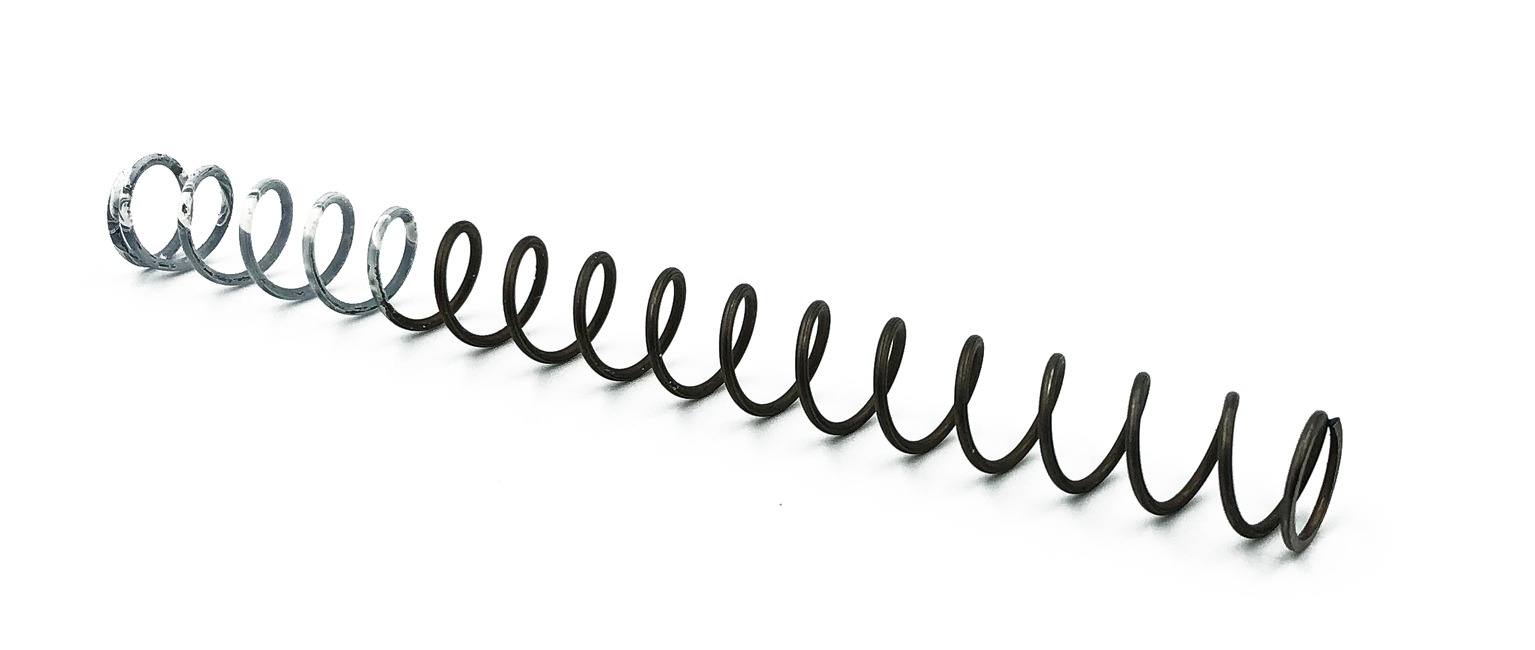
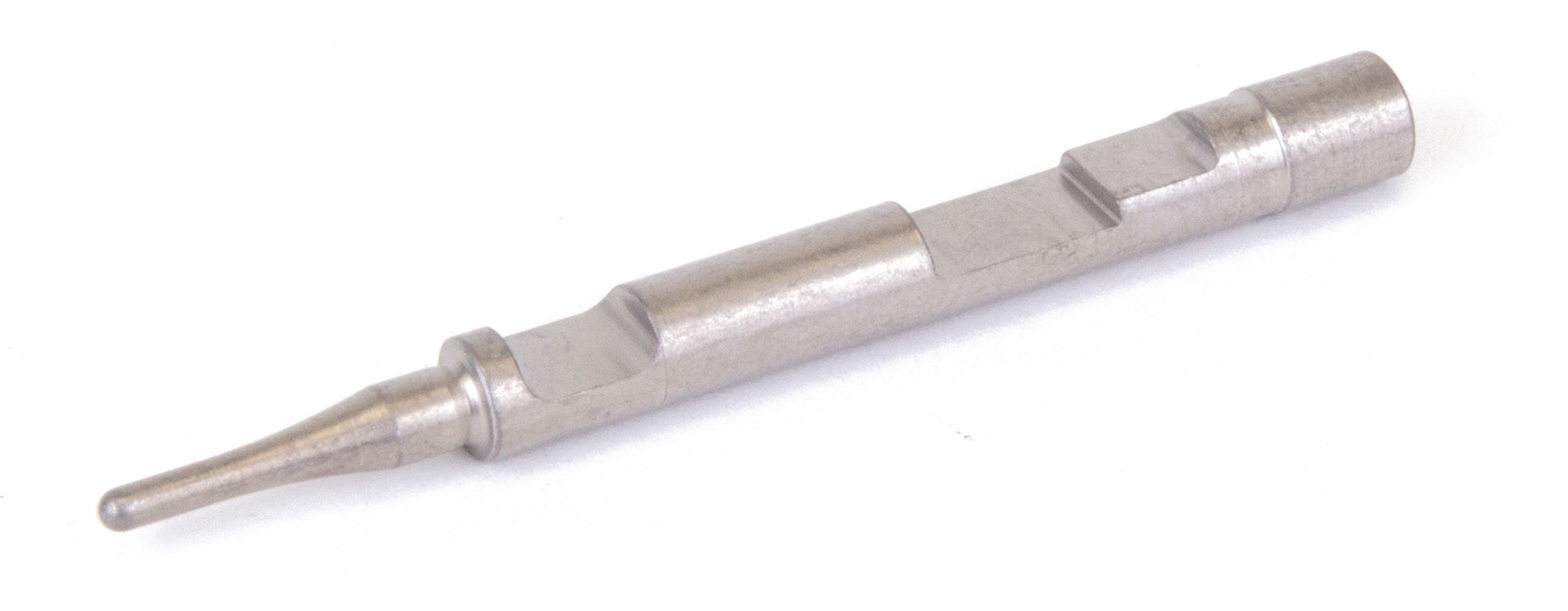
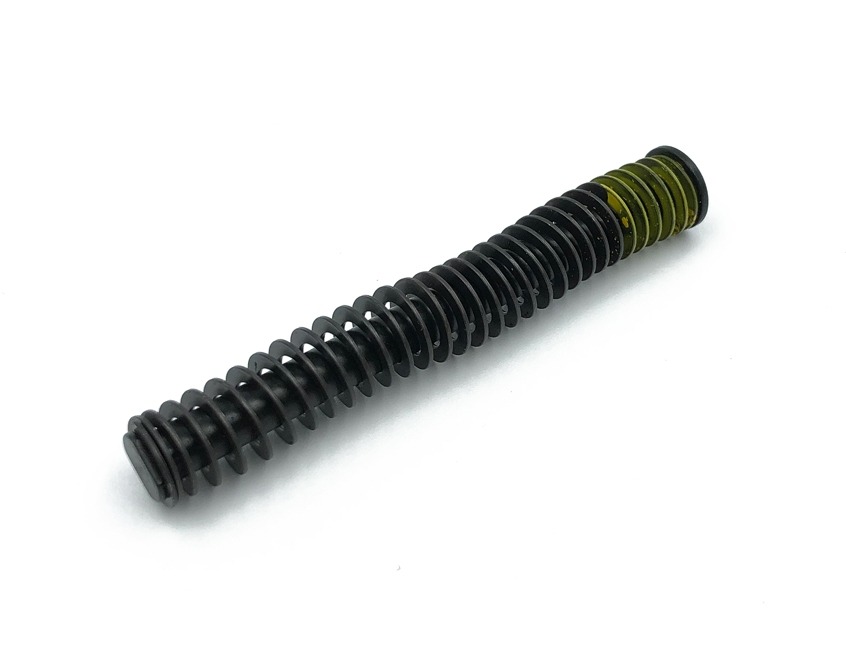
Handgun performance spring kits are collections of replacement springs intended to refine the operating characteristics of a compatible handgun. Depending on the configuration, a kit may include a recoil spring, striker or hammer spring, trigger return spring, firing pin spring, or other small components that influence how the action cycles and how the trigger resets. Each spring performs a specific mechanical task. The recoil spring helps manage slide velocity as the handgun cycles, the striker or hammer spring affects ignition force and lock time, and the trigger return spring helps the trigger move forward for a consistent reset. Together, properly selected springs can help create a smoother, more controlled shooting experience while keeping the handgun’s operating system matched to its intended use. A spring kit is not a universal upgrade, however. Compatibility with the exact handgun model, generation, caliber, barrel length, and existing configuration should be confirmed before purchase. Small differences in slide dimensions, striker systems, frame geometry, and operating tolerances can change how a spring interacts with the rest of the firearm. Shoppers should also consider whether the handgun is used for practice, competition, duty, home protection, or concealed carry, since each role places different priorities on trigger feel, cycling speed, ignition reliability, and recoil management. A recreational shooter may prefer a smoother trigger motion and a more comfortable shooting rhythm, while a carry-focused owner may place greater value on dependable ignition and consistent function with a broad selection of factory ammunition. Reviewing the spring weights included in a kit, the intended handgun applications, and any fitting requirements can help narrow the selection. For a broader look at compatible options, visit Firearm Tuning Springs.
Recoil springs are often selected to influence how quickly the slide travels and how the handgun returns to battery after each shot. A spring that is properly matched to the ammunition and handgun can help moderate felt recoil, reduce unnecessary movement, and support a steady sight picture during controlled strings of fire. Spring weight should be considered alongside bullet weight, projectile velocity, barrel length, and the shooter’s grip. Ammunition with a heavier projectile or higher velocity can produce a different cycling impulse than practice loads, and a spring that works well with one load may not perform the same way with another. Striker and hammer springs require similarly careful attention. A reduced-weight spring may produce a lighter trigger pull or a quicker-feeling action, but reducing ignition force too far can contribute to light primer strikes or failures to fire, particularly with ammunition that uses harder primers. Heavier springs can support robust ignition, yet they may also increase trigger resistance or alter the feel of the handgun. Trigger return springs influence reset speed and the sensation of the trigger moving back into position, which can matter during deliberate practice or fast follow-up shots. These changes should be evaluated as part of the complete operating system rather than judged by one component alone. A handgun that feels smoother by hand still needs to cycle fully, lock securely, ignite each primer, and return to battery with consistency. Installation is another important consideration. Some spring replacements are straightforward for an experienced owner, while others involve pins, small retainers, tensioned components, or internal assemblies that require specialized tools and careful attention. A qualified gunsmith can verify fit, inspect related parts, and confirm that the finished setup operates as intended. After any spring change, function testing should take place in a safe, controlled setting with suitable ammunition, followed by additional verification using the loads selected for regular use.
These kits can appeal to experienced handgun owners who enjoy fine-tuning a familiar platform, competitors seeking a more consistent trigger cycle, instructors refining a training handgun, or enthusiasts assembling a thoughtful gift for a knowledgeable shooter. They may also suit someone who has spent years with the same handgun and wants to refresh aging internal springs as part of routine maintenance. Springs are wear components, and their condition can change gradually through repeated cycling, storage, and regular range use. During the cooler months, when many shooters spend more time indoors reviewing fundamentals or preparing equipment for the next range session, a spring kit can be part of a broader inspection that includes checking lubrication, fasteners, magazines, sights, and ammunition. The goal should be a balanced setup that supports control without sacrificing dependable function. Shoppers should look for clear model compatibility, defined spring weights, durable spring materials, installation guidance, and a reputable source with accurate technical information. It is also wise to keep the original components until the replacement setup has been thoroughly evaluated, since returning to a known configuration can simplify troubleshooting. Personal preference matters, but reliability remains the foundation: a refined trigger, quicker reset, or softer cycling impulse has value only when the handgun continues to function consistently through realistic practice. Whether selected for a competition setup, a range handgun, a maintenance project, or a carefully considered gift, a compatible performance spring kit offers a focused way to adjust the feel and operation of a handgun while encouraging a closer understanding of its mechanical system.