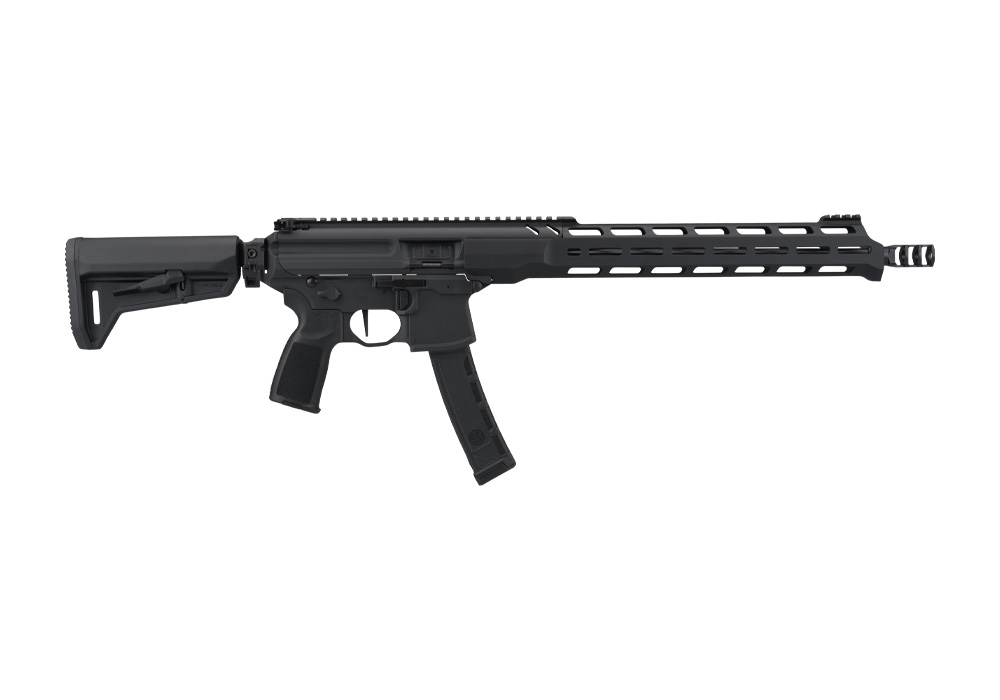
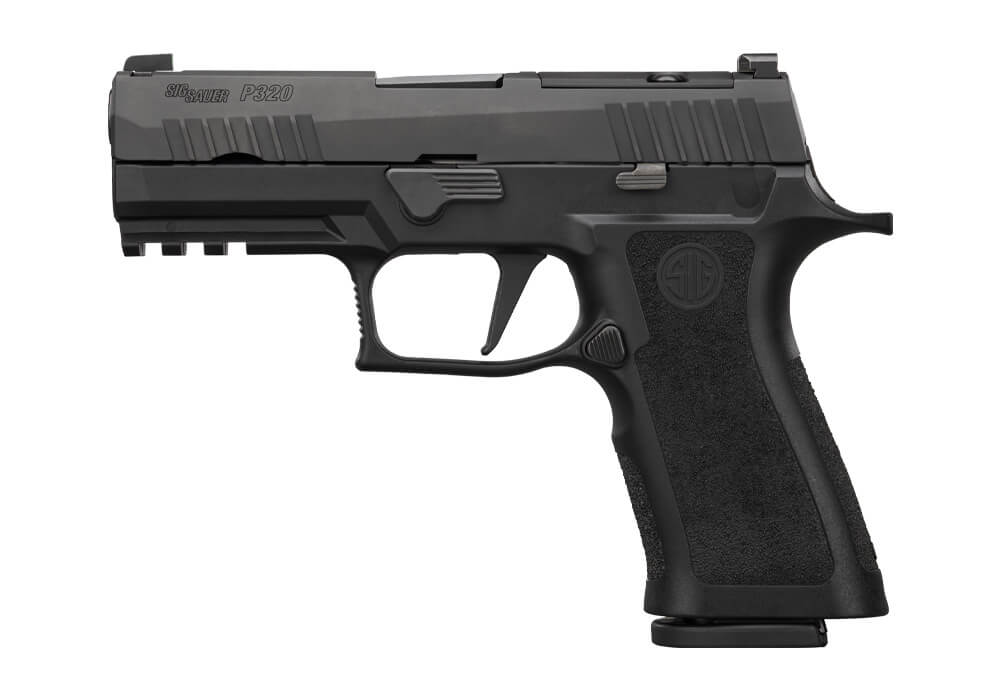
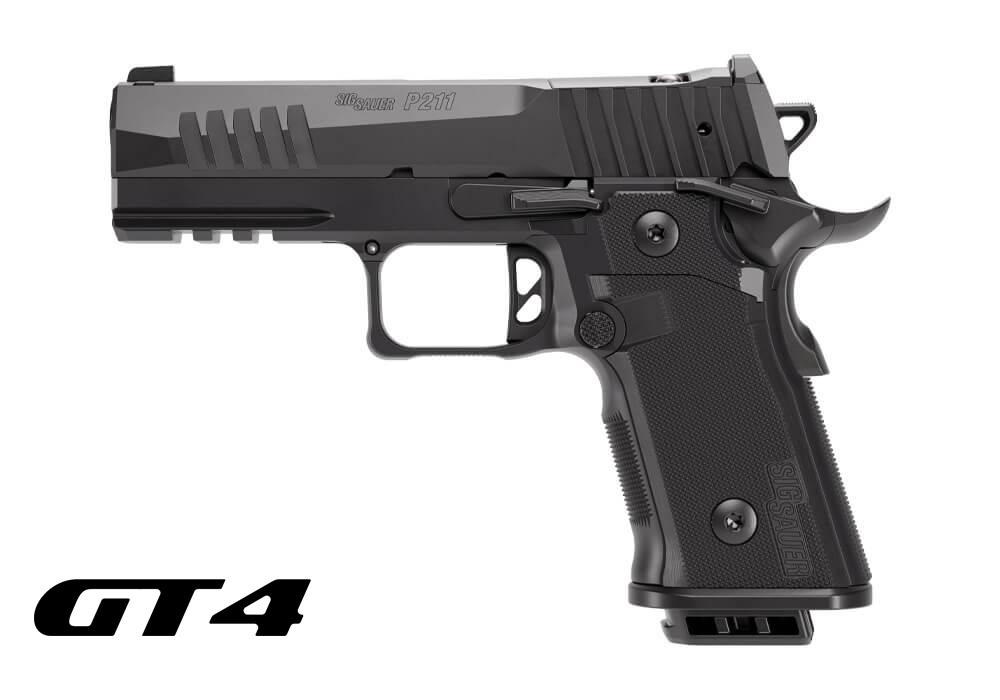
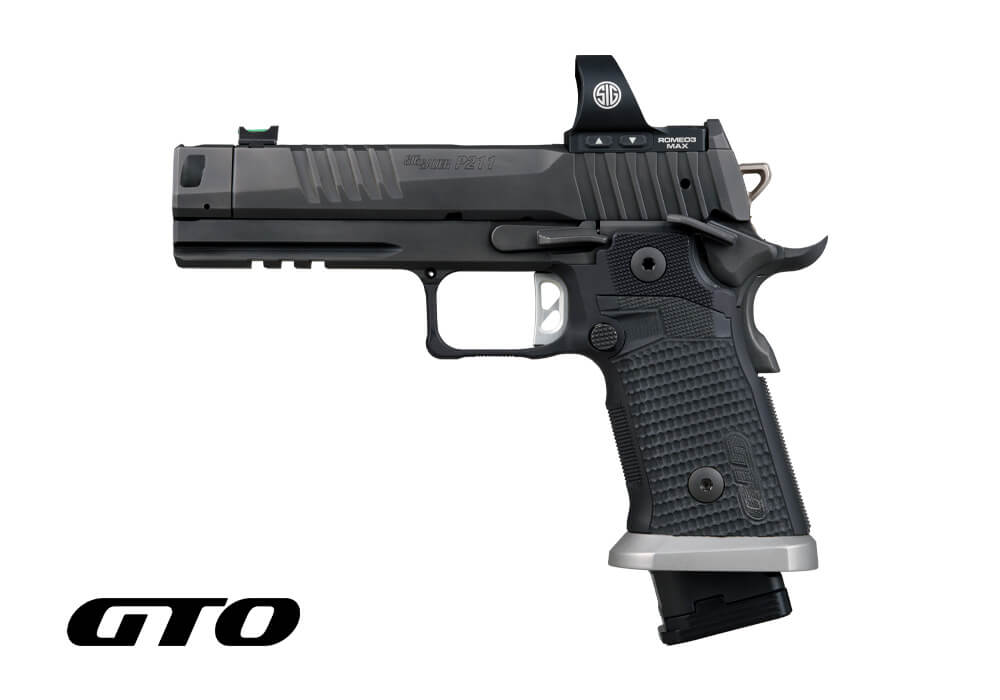
High-performance handguns are built for shooters who value fast sight recovery, precise trigger control, dependable function, and a stable feel through every shot. This collection brings together platforms suited to organized competition, structured target practice, training, and other lawful uses where handling characteristics matter. The right choice begins with the intended role. A competition-focused handgun may emphasize a crisp single-action trigger, a longer sight radius, an optics-ready slide, an enlarged magazine well, and a frame that adds weight without becoming difficult to maneuver. A defensive training platform may place greater emphasis on intuitive controls, consistent operation, practical dimensions, durable finishes, and a grip texture that remains secure with bare or gloved hands. Some designs use a compensated or ported barrel and slide to redirect propellant gases, helping reduce muzzle rise and keep the sights closer to the target during rapid, controlled strings of fire. Others rely on a heavier steel or metal frame, a low bore axis, carefully balanced slide mass, or a match-grade barrel to make recoil feel more manageable. These features do not replace sound technique, and they do not eliminate recoil, but they can contribute to a flatter-shooting feel when paired with a proper grip, an appropriate stance, and ammunition suited to the firearm. Shooters comparing high performance handguns for spring should also consider whether they prefer a single-action, striker-fired, or hammer-fired operating system, as each offers a different combination of trigger characteristics, controls, maintenance needs, and manual-of-arms considerations. A single-action trigger may appeal to competitors who want a defined, consistent break, while a striker-fired system may offer straightforward operation and a consistent trigger pull from the first shot onward. Hammer-fired designs can provide familiar tactile controls for those who train with them regularly. Reviewing the manufacturer’s specifications, local regulations, and the rules of any intended competition division is an important part of making an informed purchase.
Ergonomics often determine whether an impressive specification translates into a handgun that feels natural during a full practice session. Pay close attention to grip circumference, angle, texture, reach to the trigger, slide serrations, and the placement of the magazine release and manual safety. A grip that feels secure without creating hot spots can make a noticeable difference as the round count increases, especially during cooler months when gloves or heavier clothing may affect dexterity. A longer slide and heavier frame can steady the sight picture and soften the sensation of recoil, while a shorter, lighter configuration may be easier to transport and handle for shooters with smaller hands. Standard and extended-capacity magazines should be evaluated according to local laws, range rules, competition requirements, and the user’s training goals. Optics-ready models can support the addition of a compatible red-dot sight for shooters who want a more visible aiming reference, although any optic should be mounted correctly, confirmed at the range, and incorporated into a consistent presentation practice. Iron sights remain a practical and proven option, and a handgun should not be selected solely because it accepts an accessory. Other details deserve equal attention: ambidextrous or reversible controls, a clearly visible front sight, a secure locking system, a rail for a compatible light, a flared magwell, and the availability of replacement magazines and holsters. A carefully chosen Handgun Performance Spring Kits may also be relevant for owners maintaining a compatible platform, but springs are fitment-specific components and should be selected only after confirming the exact handgun, configuration, and manufacturer guidance. Any installation or modification should be completed by a qualified professional when the owner is not fully familiar with the work, followed by function checks and safe range testing. For a first-time buyer, an experienced range member, instructor, or knowledgeable family member can offer useful perspective on fit and handling, but professional instruction remains the best way to build safe habits.
These handguns can suit a range of responsible users. A competitive shooter may appreciate a platform designed for fast transitions between targets, a clean trigger reset, a balanced slide, and a frame that remains steady during timed stages. A dedicated target shooter may favor a long sight radius, refined barrel fit, adjustable sights, or direct-mount optics support that helps produce repeatable groups from a supported or standing position. Someone developing defensive skills may prefer a durable, controllable handgun with controls that are easy to operate under stress and a size that works with a quality holster and secure belt system. For a lawful gift, a handgun may be meaningful for an experienced shooter, a competition partner, or a family member who has expressed a clear interest in training, but firearm transfers must follow all applicable federal, state, and local laws. In many cases, the recipient’s preferences matter more than the surprise: hand size, prior training, intended discipline, storage arrangements, and comfort with a particular operating system all influence whether a handgun will be used confidently. A gift card, range session, professional fitting, or training course may be a better choice when those details are uncertain. Regardless of the user, responsible ownership includes secure storage that prevents unauthorized access, transportation in accordance with applicable law, regular inspection, and routine practice with the exact setup used on the range. Begin with a safety briefing and manufacturer instructions, confirm the firearm is unloaded before handling or maintenance, keep the muzzle pointed in a safe direction, keep the trigger finger indexed until ready to fire, and identify the target and what lies beyond it. During the cooler months and as the weather changes, take time to check grip contact, clothing interference, optic visibility, and ammunition performance at the range rather than assuming a setup will feel the same in every condition. With thoughtful selection, qualified instruction, and consistent maintenance, a high-performance handgun can become a dependable part of a disciplined shooting routine built around control, accuracy, and responsible ownership.